
F1: V8 Engine to Return in 2030, Confirms FIA President
FIA president Mohammed Ben Sulayem confirms F1's return to V8 engines in 2030, following criticism of the 2026 power unit regulations.



Formula 1 will return to V8 engines likely in 2030, FIA president Mohammed Ben Sulayem has confirmed. The move comes after drivers raised concerns about the 2026 engine regulations, particularly the need to manage battery power during races. Speaking in Kigali, Rwanda, on Tuesday, Ben Sulayem said he expects the new engines to debut when the country hosts its first Grand Prix. The announcement came during the launch of the African Grand Prix, attended by Rwandan president Paul Kagame and F1 chief executive Stefano Domenicali.
Also Read: F1: Max Verstappen Wins Singapore GP Ahead of Charles Leclerc and Kimi Antonelli
The return of V8 engines has been discussed for some time, with both 2030 and 2031 considered possible dates. Ben Sulayem had previously pointed towards 2031, but his latest statement brings the proposed change forward by a year. Formula 1 switched to V6 turbo-hybrid power units in 2014, and the planned move would mark another change to its engine regulations.
Under the 2026 rules, the power units split output equally between the combustion engine and the battery. This differs from the previous setup, where around 80 per cent of the power came from the combustion engine. The change was intended to attract more manufacturers to the sport, but energy management has become a concern for drivers as they balance battery charge with performance on track.
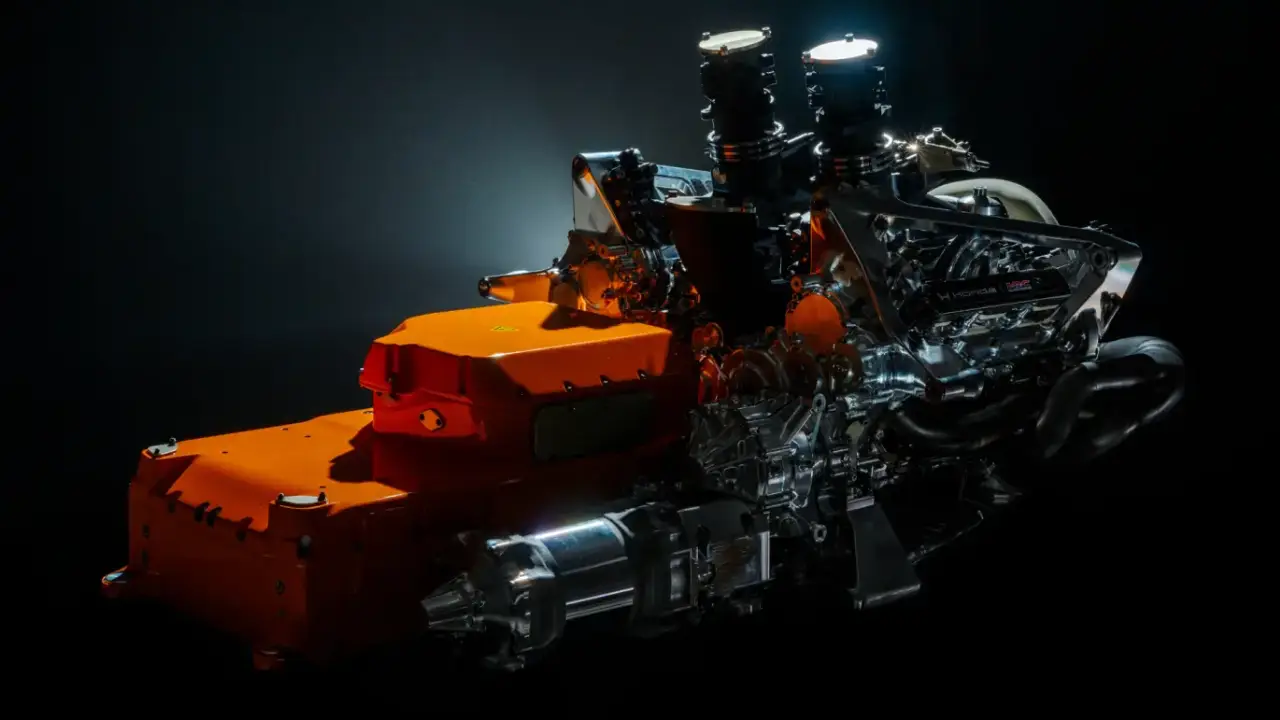
Fernando Alonso, Max Verstappen and Lando Norris have all criticised aspects of the new regulations. Verstappen has compared the cars to Formula E and the video game Mario Kart. The sound of the current cars has also drawn criticism, with some fans missing the engine note associated with the V8 era.
Ben Sulayem has outlined three goals for the next engine formula: reducing car weight, cutting development costs and improving engine sound. He expects Formula 1 cars to weigh around 80 kilograms less, while research and development spending could fall by at least 50 per cent. However, the FIA has yet to confirm the technical details of the proposed V8 power units, including the role of electrical assistance.
Ben Sulayem said Formula One Management and the manufacturers support the plan. Rwanda's Grand Prix is due to begin in the early 2030s under a 10-year agreement. If the current timeline holds, the country could host its first F1 race around the time the new engines arrive. The FIA's next task will be to establish the regulations that will govern the V8 units from 2030.


