SIAM Reportedly Urges Delhi Govt to Reconsider 2028 Petrol Two-Wheeler Ban
The Society of Indian Automobile Manufacturers (SIAM) urges the government to reconsider its plan of scrapping new registrations of Petrol Two-Wheelers from 2028.


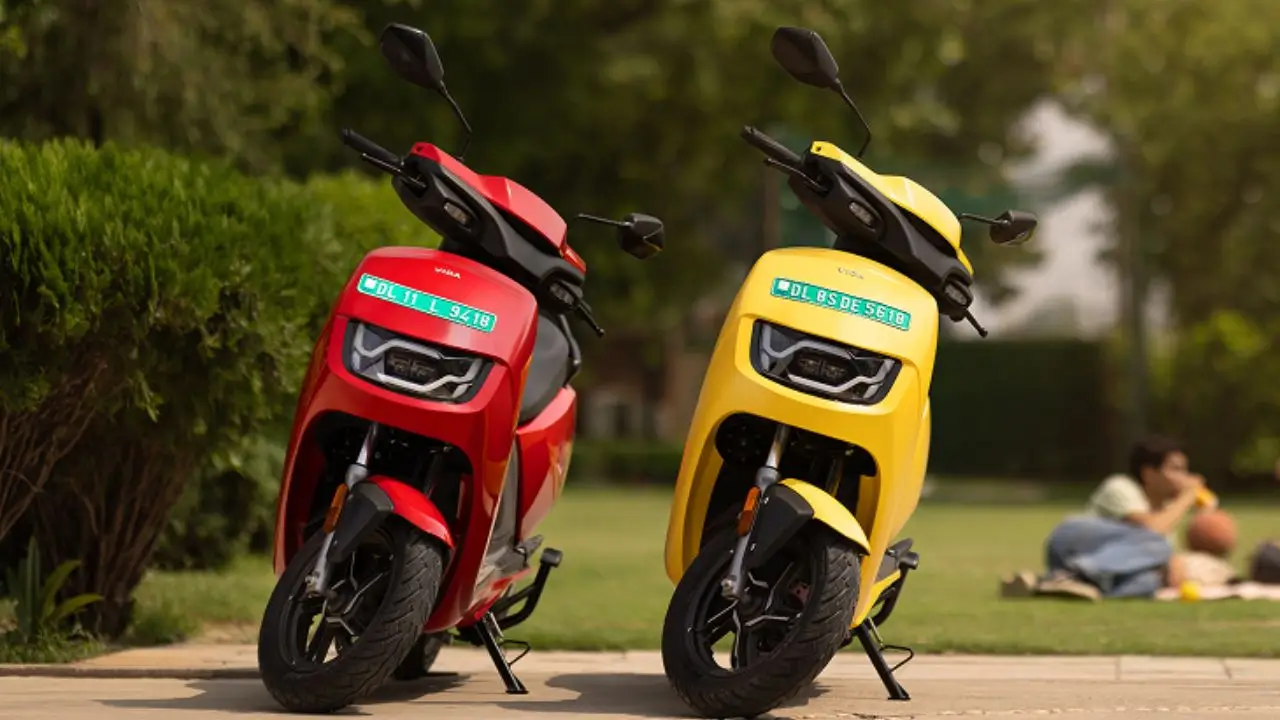
The Society of Indian Automobile Manufacturers (SIAM) has reportedly written to Delhi's Transport Minister Pankaj Kumar Singh, urging the government to reconsider Clause 8.2.1 of the draft Delhi Electric Vehicle Policy. The clause in question proposes that starting April 1, 2028, only electric two-wheelers will be eligible for new registrations in the national capital territory.
Also Read: 2026 Tata Tiago EV India is Launched at Rs 6.99 Lakh
Why SIAM Says the Ban Misses the Mark
The industry body's core argument is that the policy is targeting the wrong vehicles entirely. Modern BS6-compliant two-wheelers, sold in India since April 2020, already produce very low particulate matter emissions, thanks to electronic port fuel-injection systems and three-way catalytic converters fitted as standard.
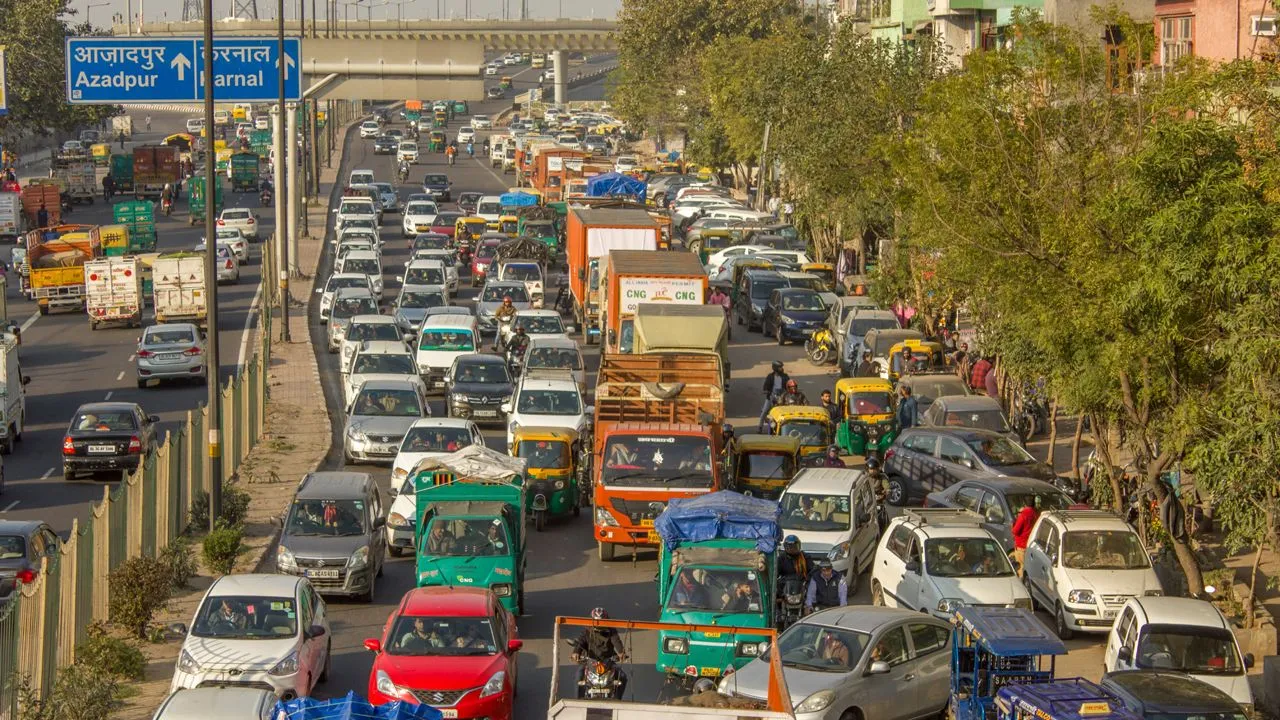
The real problem, according to SIAM, lies with the older fleet still running on Delhi's roads. Pre-BS4 two-wheelers that are 10 to 15 years old account for approximately 99.5 percent of particulate matter emissions from the two-wheeler segment in Delhi.

Banning fresh registrations of clean BS6 models, the association argues, does nothing to address that problem. Instead, the policy should focus on actively phasing out these older, heavily polluting vehicles from the streets.
The EV Readiness Problem
SIAM also raised a pointed concern about whether electric two-wheelers are actually ready to replace petrol ones for all categories of buyers – particularly those who depend most heavily on their bikes. For high-demand users such as delivery workers and long-distance commuters, current EV technology still cannot match the price, range, and load-bearing capability of ICE two-wheelers.
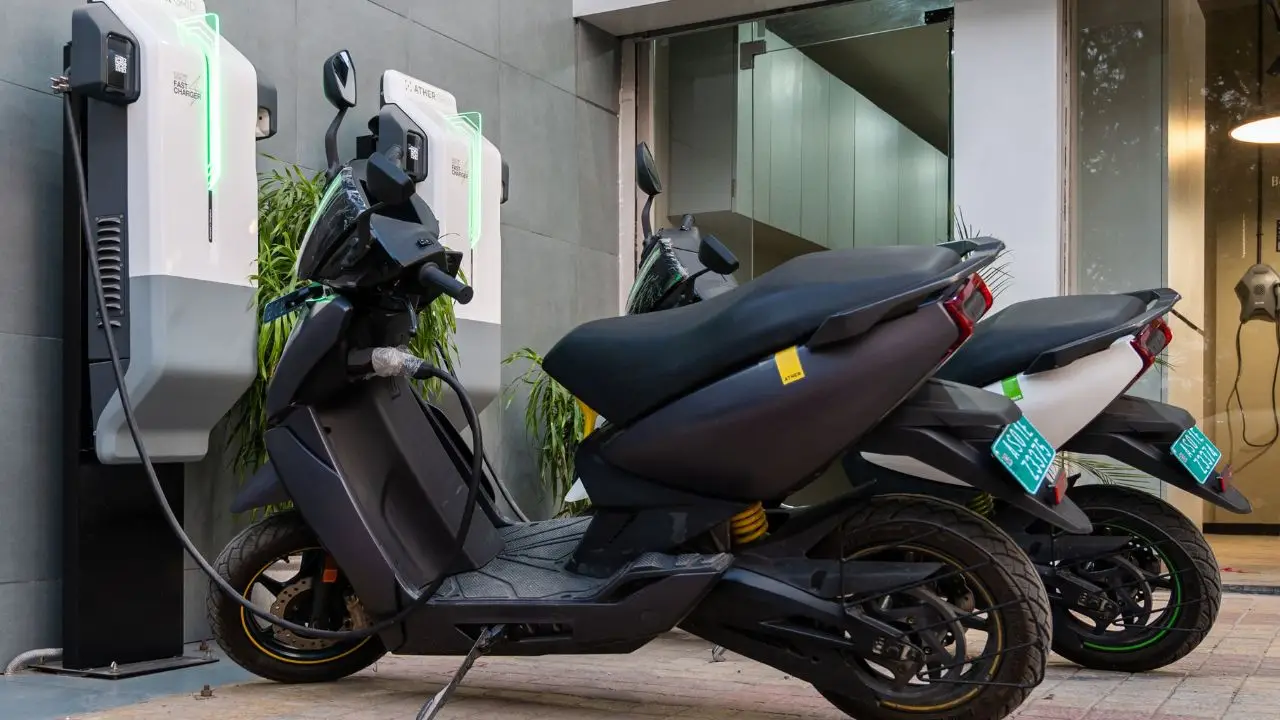
This is not a fringe use case either. SIAM noted that these users account for around 65 percent of all two-wheeler sales in both Delhi and the broader Indian market. Forcing this segment to switch to EVs by 2028, the association warned, risks causing significant "customer distress."
What SIAM is Reportedly Asking For
The industry body is not opposing EV adoption outright. SIAM reportedly said that it supports the Delhi government's push for electric mobility and backs the incentive framework proposed under the draft policy. However, it is asking for two key changes in approach.
First, EV incentives should be guaranteed for the long term "without interruption," to build sustained consumer confidence. Second, the policy should be technology-neutral rather than narrowly focused on battery-electric vehicles alone.
Cleaner alternatives, including flex-fuel vehicles, compressed biogas, and compressed natural gas should also be part of the green mobility strategy. As SIAM put it, "policy should enable all green technologies, avoiding an unsustainable burden on the government exchequer."
Also Read: Ultraviolette Tesseract India Launch Set for January 2027
The Delhi government is yet to finalise the EV policy, and consultations with industry stakeholders are ongoing. Whether SIAM's pushback results in a revision of the 2028 deadline or a softening of the registration restriction remains to be seen.