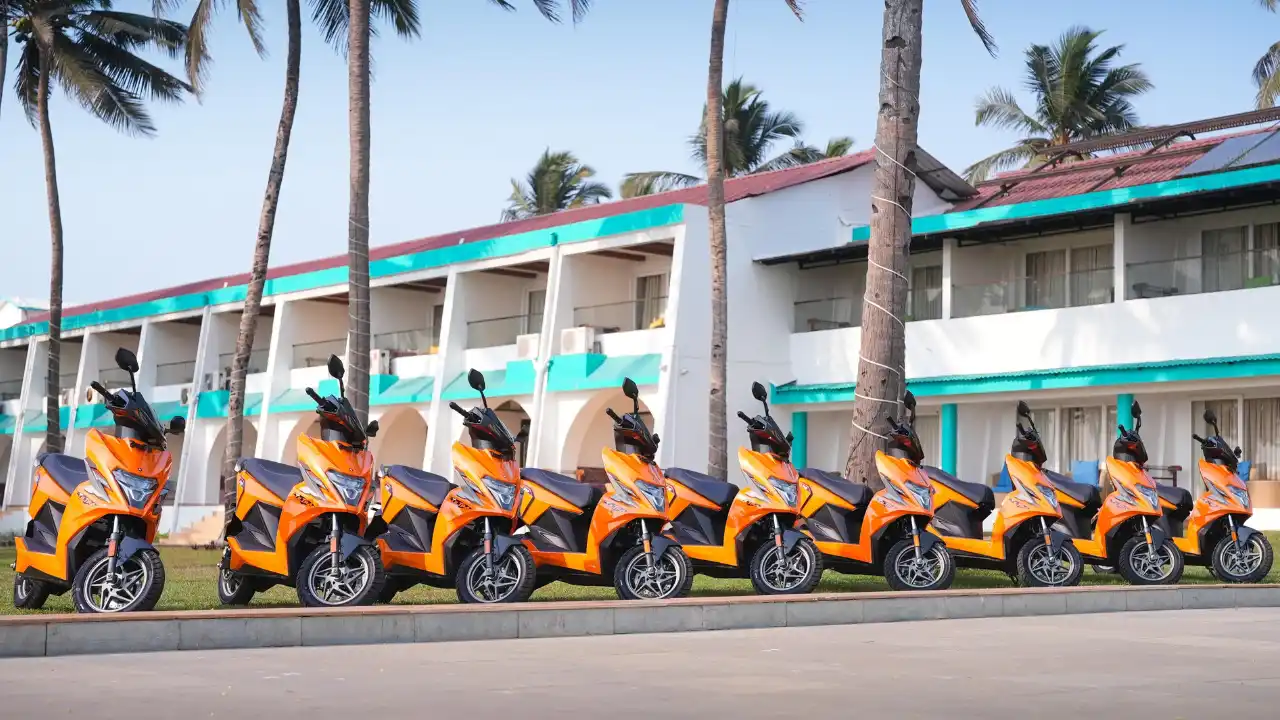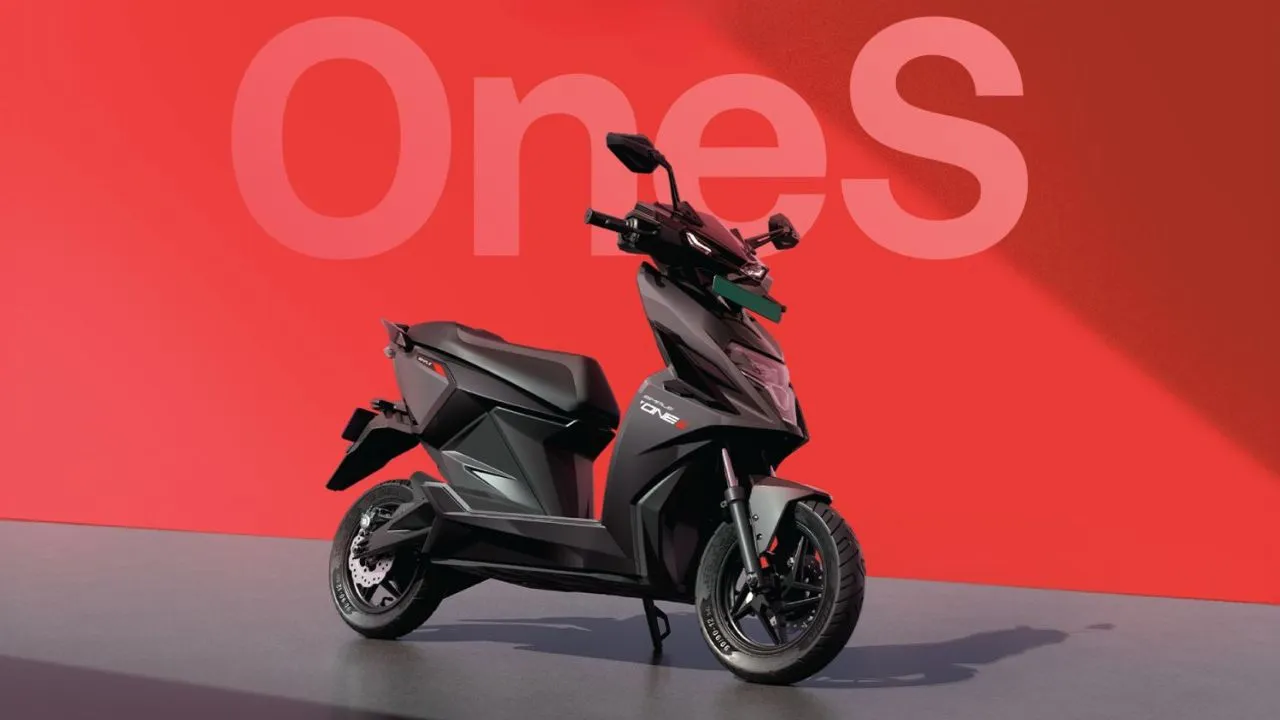
Simple Wave First Ride Review: Strong on Performance, Big on Practicality
The Simple Wave offers a mix of performance, practicality and features. But does it do enough to justify its price?



Simple Energy’s first scooter, the Simple One, was all about speed and performance. The Simple Wave is different. It is longer, more spacious and built around the things that make a scooter useful every day. The Simple Wave doesn't try to impress you with acceleration figures as soon as you get on. Instead, you notice the space. There is a lot of it. The seat is long, the floorboard is wide, and there is plenty of space for the rider and pillion to sit comfortably. Then you open the seat and find 63 litres of storage. Add the front storage compartment, and the Wave offers up to 70 litres of usable storage. That immediately tells you what Simple is trying to do here.
Also Read: Simple Wave Launched at Rs 1.10 Lakh, Gets Up to 243km Range
Simple’s new approach with the Wave works in its favour. It isn’t trying to be the scooter you buy because it is the fastest thing in the parking lot. Instead, the focus is on making it a scooter that works for everyday use.
Simple Wave First Ride Review: Design
The Wave looks nothing like the One, and that is a good thing. Simple has gone for a softer design with rounded bodywork and a more upright stance. There is no attempt to make it look sporty or aggressive. Instead, it has the proportions of a family scooter, with the long seat and generous floorboard doing most of the talking.

Despite its focus on being a family scooter, the Wave manages to carve an identity of its own. But that doesn't mean it can be applied to the entirety of the scooter.
Some of the plastics don't feel as substantial as they should, and the switchgear lacks the tactile feel you expect from a scooter at this price. The charging-port cover and small pillion compartment could have received more attention. While these are small details, the fit and finish don’t quite match what the Wave’s price tag suggests.

None of these things stop the Wave from doing its job. But they are noticeable when you start looking beyond the big headline features.
Simple Wave First Ride Review: The Comfort
This is where the Wave starts making a lot more sense. The 920mm-long seat gives both the rider and pillion plenty of room. The riding position is natural, and there is enough space around your knees and feet that you don't feel restricted. But it is the storage that really changes the experience.

The 63-litre underseat boot is large enough for a full-face helmet, with room left over, while the additional storage areas make it easier to carry the things you normally end up hanging from the hook or squeezing into whatever space you can find. For a family scooter, this matters.

If you regularly carry a helmet, bag or shopping during your daily commute, the additional storage will be more useful than another feature on the touchscreen.
Simple Wave First Ride Review: Features
Simple has packed the Wave with enough technology to keep it in line with the latest electric scooters. The 3.7kWh version I rode gets a TFT display, Bluetooth connectivity, navigation, call and music controls, GPS tracking and OTA updates. The interface is straightforward, and the display is easy to read while riding.

Higher variants add traction control, hill-hold assist, regenerative braking and reverse mode. These features have some practical value, especially hill-hold when starting on an incline and reverse mode when manoeuvring the long Wave in tight spaces. The regenerative braking also helps in traffic, although I would have liked more adjustability.

The feature list is comprehensive, with a TFT display offering connected features, but the absence of ABS is difficult to overlook. Even the top-spec version doesn’t get it, and for me, that is a more important omission than having another connected feature.
Simple Wave First Ride Review: Battery and Range
I rode the Wave with the 3.7kWh battery, which sits between the 2.2kWh, 2.7kWh and 5kWh options. The 2.2kWh version claims an IDC range of 110km, while the 2.7kWh version manages 132km. The 3.7kWh version I rode claims 171km, while the 5kWh battery, available with the Wave+, takes the claimed range up to 243km.

The 3.7kWh version gets a 6.4kW (8.5bhp) motor and a claimed top speed of 91km/h. On the move, the Wave feels quite different from the One. There isn't the same focus on outright performance, and the power delivery is more measured. However, the initial response is still quick enough to make gaps in traffic easy to exploit, and there is enough performance when you need to overtake.
I found the throttle response easy to get used to. It reacts quickly without making the scooter feel nervous, which is important for something that is likely to be used by different members of a family. Even when you push it towards its top speed, the Wave remains predictable.

What I like is that Simple hasn't completely taken away the performance character of its earlier scooters. The Wave is clearly more focused on practicality, but it still has enough punch to keep the ride from feeling ordinary.
Simple Wave First Ride Review: Ride and Handling
The Wave uses a telescopic front fork and twin rear shocks, a setup that also helps Simple free up more room for the large underseat storage. On broken roads, the Wave feels like it understands its job.

The suspension has enough compliance to deal with potholes and speed breakers without making the scooter feel loose. The long seat also helps here, particularly if you're carrying a pillion.
Simple Wave First Ride Review: Verdict
The Wave is probably the most important scooter Simple Energy has built so far. Not because it is the fastest or has the biggest battery, but because Simple has finally focused on what people actually want from a daily scooter.
The Wave is spacious, comfortable and easy to ride. The huge storage area is genuinely useful, the seat works well for two, and the 3.7kWh version has enough performance for everyday riding. These are the things that make it more practical than Simple's earlier offerings.

There are still areas that need work. Some of the plastics and switchgear could feel better. More importantly, the absence of ABS, even on the top variant, is a concern for me. The Wave can cross 80km/h with ease, and I think a scooter with this level of performance should have ABS.
Then there is the price. Starting at Rs 1.09 lakh and going up to Rs 1.90 lakh (ex-showroom), the Wave sits above several established rivals. The 3.7kWh version may be the sweet spot in the range, but its asking price could make potential buyers consider other models in the same price bracket. Also, its limited pan-India presence and the question mark over after-sales support could also make buyers think twice, especially when established rivals have a wider service network.
Motor: Single - Permanent Magnet Synchronous Motor
Battery: 3.7kWh
Power: 8.4bhp
Price: ₹1.75 Lakh (Ex-showroom)
X-Factor: Fun to ride with 70 litres of practicality.
|
Pros |
Cons |