Hyundai Alcazar
The Hyundai Alcazar is a 6/7-seater SUV with two engine options and manual and automatic transmission options. It comes with a panoramic sunroof, a large infotainment screen, captain seats, LeveRead More


Hyundai Alcazar Features and Specifications
The Hyundai Alcazar is a 7 Seats-seater car with a wheelbase of 2760 mm and a ground clearance of 200 mm. It comes with manual and automatic transmission options. Different variants include different transmission types and fuel compatibilities.
 Engine1482 cc
 Torque253 Nm @ 1500 rpm
 Mileage17.5 kmpl
 Power158 bhp @ 5500-3500 rpm
 TransmissionManual
 FuelPetrol
Hyundai Alcazar Price
Hyundai Alcazar is available in 46 variants – the base model is and the top model is
Hyundai Alcazar Overview
The Hyundai Alcazar is a renowned SUV with extravagant comfort, extra safety, and a plush ride experience. Its latest iteration was launched on 09 September 2024 rivalling the Tata Harrier and the Mahindra XUV400. Further, the ex-showroom Hyundai Alcazar price starts from 14.99 Lakhs and it is available in multiple variants.
Here is an overview of the features and specifications of this Hyundai car.
Hyundai Alcazar Latest Updates
- 10 Sep 2024: Hyundai reveals the fuel efficiency figures of the Alcazar facelift. The new Alcazar’s mileage ranges between 17.5 km/l and 20 Km/l, depending upon the variant.
- 09 Sep 2024: Hyundai launches the Alcazar facelift in India. The car gets H-shaped daytime running lights and Level-2 ADAS.
- 26 August 2024: Hyundai reveals the interior of the upcoming Alcazar Facelift. It features dual-integrated screens, dual-tone themes, and ventilated seats.
- 15 July 2024: The facelift of the Alcazar has been spotted testing in India. The launch is expected in September 2024.
Hyundai Alcazar Engine and Transmission
The Hyundai Alcazar Facelift comes equipped with a 1.5L engine, with petrol and diesel fuel options. This powerhouse generates a peak power that ranges between 114bhp and 157bhp. It develops a maximum torque of 250-253Nm, providing an exhilarating acceleration and overtaking capabilities. It offers a blend of power, efficiency, and innovation that leads to responsive acceleration and precise handling. The petrol engine variants are equipped with 6-speed manual and seven-speed DCT automatic transmission system. The diesel engine variants, on the other hand, come with either a six-speed manual or automatic transmission system.
Hyundai Alcazar Mileage
The mileage of the new Alcazar hovers around 18 km/l. The fuel efficiency figures might vary in different driving conditions.
Hyundai Alcazar Handling
This Hyundai SUV is equipped with a finely tuned suspension system that absorb shocks and vibrations effectively. This means a more comfortable ride for you and your passengers, even on rough roads. The suspension setup includes McPherson front strut with coil spring and a coupled torsion beam axle in the rear. The car rolls on 17-inch or 18-inch alloy wheels, depending upon variant. The tyre width remains 215mm with different aspect rations for different variants. Furthermore, the Alcazar includes an enhanced braking system with equipment of discs on all wheels, to provide exceptional stopping power.
Hyundai Alcazar Dimensions
The length of the vehicle is 4560mm with a wheelbase of 2760mm. It has a width of 1800mm and an overall height of 1710mm. The fuel tank capacity is 50 litres.
Hyundai Alcazar Exterior
The Alcazar SUV turns heads with its striking exterior design. It combines aesthetics with functionality, becoming a car that is as visually appealing as it is practical. This facelifted model boasts a dynamic and modern design language. It exhibits sleek lines and bold grille, giving it a commanding presence on the road. The headlamp design in H-shape that enhances the elegance with the striking daytime running lights. Additionally, it has roof rails, black window surrounds, dual tone rear-view mirrors, and chrome elements visible all over. The car’s rear end showcases vertical taillamps with connecting light band, twin tail pipe, and a high mounted stop lamp.
Hyundai Alcazar Interior
The cabin of this SUV is rich in comfort, technology, and sophistication. Hyundai spared no effort in ensuring that every moment spent inside this car is enjoyable. It is adorned with premium materials and finishes. From the upholstery to the dashboard, everything exudes luxury and innovation.
It has ambient lighting, D-cut steering wheel, fabric/leather upholstery, and a dual-zone automatic temperature control. The “Signature” variant gets ventilated front and second row seats. In addition, 10.25-inch infotainment system with audio video navigation system encompasses intuitive controls and seamless smartphone integration. A wireless smartphone charger, glovebox cooling, C-type USB charger, and drive select modes are a few more cabin inclusions, among others.
Hyundai Alcazar Safety Features
The Alcazar facelift is equipped with a comprehensive suite of safety features. It has driver and passenger airbags and an antilock braking system with electronic brake force distribution system. It has an electronic stability control, vehicle stability management system, and hill start and hill descent control system.
The car also gets a few advanced driver assistance systems, including adaptive cruise control, lane-keeping assist, and blind-spot monitoring, to enhance safety. Besides, the car boasts a reinforced structure that provides stringent safety.
Hyundai Alcazar Price
The price of this vehicle is similar to that of the MG Hector Plus, the Tata Safari, and the Mahindra XUV400. You can scroll up to the price section to check the latest Hyundai Alcazar on-road price.
Hyundai Alcazar Variants and Colours
The manufacturer sells this SUV in four variants – Executive, Prestige, Platinum, and Signature. These variants clubbed with different specifications make several sub variants but originally four variants are offered.
The available colour options are Titan Grey Matte, Robust Emerald Pearl, Starry Night, Ranger Khaki, Fiery Red, Atlas White, and Abyss Black.
Alcazar Engine & Performance
Hyundai Alcazar Colour Options
Hyundai Alcazar is available in 9 different colors namely Abyss Black, Atlas White, Fiery Red, Ranger Khaki, Robust Emerald Pearl, Starry Night, Titan Grey Matte, Robust emerald matte, Atlas white with black roof.
- Abyss Black
- Atlas White
- Fiery Red
- Ranger Khaki
- Robust Emerald Pearl
- Starry Night
- Titan Grey Matte
- Robust emerald matte
- Atlas white with black roof
How is the Alcazar?
 Pros
Pros
-
Premium 6- and 7-seater option based on the Creta.
-
Well-appointed cabin with digital cluster and panoramic sunroof.
-
Strong turbo-petrol and diesel engine options.
-
Excellent comfort with captain seat configuration.
-
Offers ADAS in newer variants.
 Cons
Cons
-
Third-row space is tight for adults.
-
Boot space with all rows up is limited.
-
Slightly overpriced compared to rivals like Safari.
-
Rear suspension can feel bouncy on full load.
Hyundai Alcazar Expert Reviews
By Manav Sinha
20 Jul, 2023
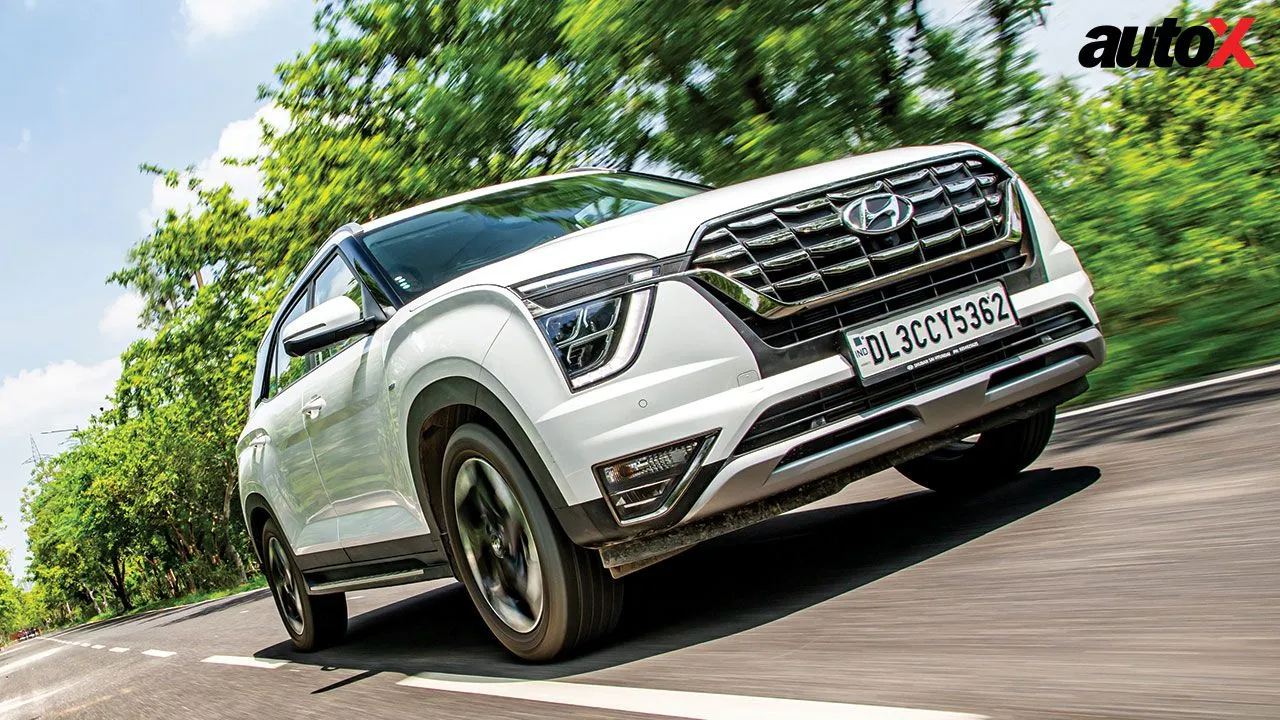
In the past five years, one notable trend in the automotive industry has been the downsizing of engines by automakers. And there’s a good reason for it. You see, this shift has been driven by changing rules and regulations. And while this transition has led to the development of safer and overall better cars, it has also resulted in the loss of certain iconic models or the distinctive characteristics they were known for. This brings me to the Hyundai Alcazar, which has also been subjected to this trend. With the implementation of BS-VI phase 2 emission norms in India, the Alcazar has also undergone a change of heart. The Korean automaker has, for better or worse, replaced the older 2.0-litre petrol engine with a new 1.5-litre unit. So, what is it, better or worse? We got our hands on the updated Alcazar to find out exactly that. Hyundai Alcazar Turbo Review: What’s New? As we mentioned, the biggest change in the updated Alcazar is the new engine. First, let’s talk numbers. The previous engine was a 1,999cc naturally aspirated unit, which made 157bhp of power at 6,500rpm and 191Nm of torque at 4,500rpm and came with a choice of either a 6-speed manual transmission or a torque converter gearbox. But now, this unit has been replaced by a 1,482cc turbocharged engine, which makes 158bhp of power at 5,500rpm and 253Nm of torque at 1,500 – 3,500rpm. Comparatively, the new engine offers a slightly higher output of 1bhp of power, produced earlier in the rev band, and a significant increase of 62Nm of torque. The Alcazar continues to offer the 6-speed manual gearbox, but now, it offers the option of a 7-speed dual-clutch transmission instead of the regular torque convertor unit for those with a penchant for two-pedal driving. A look at these numbers is enough to tell you about the change in Hyundai’s approach to the Alcazar’s driving dynamics. We tested the variant with the DCT gearbox, and it became immediately apparent how different the new Alcazar is compared to its predecessor in terms of driving. The first thing you would notice while driving the updated Alcazar is the turbo lag below the 2,000rpm mark. However, once you go past that, the Alcazar reveals its new, more aggressive behaviour. With the turbo kicking in, the Alcazar offers a sense of drama that was previously absent. While it may not feel notably quicker during traffic-light sprints, it does feel more eager during quick overtakes. The difference comes from the nature of the engines – the naturally-aspirated unit had better low-end torque, whereas the new turbo engine offers its best performance once you cross the 2,000rpm mark. Hyundai Alcazar Turbo Review: What’s Similar? What remains unchanged, though, is that the Alcazar still comes with one of the most refined drivetrains in the segment. Also, despite the Alcazar’s newfound eagerness, it feels best when driven with a light foot. There are three drive modes on offer – Eco, Comfort and Sport – which continue to make a difference. Couple that with the paddle shifters, and the car becomes rather entertaining to drive, especially in the Sport mode, as it matches revs during downshifts. Now, while you may enjoy all this, be aware that fuel economy figures may go down to a single digit if you succumb to the temptation of spirited driving. In bumper-to-bumper traffic, the car can also feel a bit jerky at low speeds, but it’s something that you get used to over time. Also Read: Hyundai Ioniq 5 N EV Debuts at Goodwood Festival of Speed, Claims 641bhp Now, once you look beyond the driving experience, you will realise that there is a lot to look at! That’s because the Alcazar is a feature-loaded car that has you covered from almost every angle. It features LED headlamps with LED daytime running lights, 18-inch alloy wheels and compact dimensions, which make it a breeze to drive in traffic and park in tight spaces. Inside, you get an all-digital 10.25-inch instrument cluster, a 10.25-inch infotainment system, ventilated seats, a great-sounding Bose audio system, an air purifier, and a panoramic sunroof. On the safety front, it comes with six airbags as standard, traction control, ESP, disc brakes on all four wheels, a tyre pressure monitoring system, hill start assist, and a rather high-quality 360-degree parking camera. The car, however, is not perfect. Given its compact dimensions, the space in the last row of seats is rather limited. Also, this update could have been a good opportunity for Hyundai to add features like Wireless Android Auto and Wireless Apple CarPlay support, an electric tailgate, a heads-up display, or even some ADAS features that are offered by its competitors such as the Mahindra XUV700, Tata Safari, and MG Hector Plus. Also Read: Korean Coronation: Hyundai Verna vs Honda City vs Volkswagen Virtus Hyundai Alcazar Turbo Review: Why Should You Buy? The Hyundai Alcazar continues to be a great family car – one that is not only a breeze to drive in city traffic, given its compact dimensions, but also suitable for weekend getaways. Now, while the inclusion of the new turbocharged petrol engine and the DCT gearbox add some spice to the mix, the overall package remains largely unchanged. So, is this change big enough to convince you about the Alcazar if you are not already convinced? The answer is no. However, if you have been considering the Alcazar as a potential purchase, you can now enjoy an even better driving experience than before. [tabs] [tab title="Hyundai Alcazar Turbo"] Fuel: Petrol Engine: 1,482CC / 4-Cylinder / Turbocharged Transmission: 6-Speed Manual / 7-Speed DCT / Front-Wheel Drive Power: 158bhp @ 5,500rpm Torque: 253Nm @ 1500-3500rpm Price: ₹16.77 – 20.33 Lakh (ex-showroom) X-Factor: The Hyundai Alcazar was always a great car, albeit underrated. Now, it’s even better. Pros • Refined Drivetrain • Long Feature List Cons • Fuel Economy • Third Row Space [/tab] [/tabs]
By Ishan Raghava
25 Jun, 2021
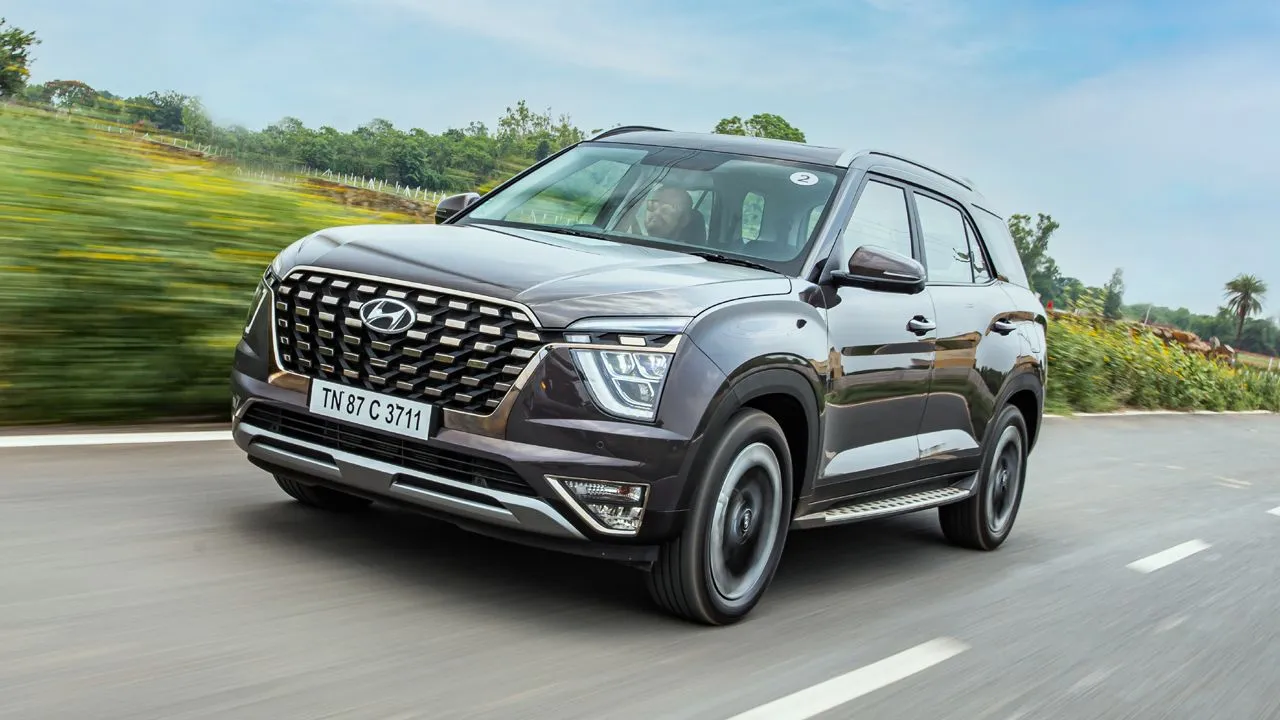
Having tasted unprecedented success with the Creta and the Venue, Hyundai is expanding its SUV line up, and with the Alcazar, plunges headfirst into the fast-growing 3-row SUV segment. Question is, does the Alcazar offer enough to customers to tempt them from not just the competition, but also, its smaller sibling, the Creta? Over the period of the past few years, much of the landscape of the Indian automotive market has changed quite significantly. For example, in a market that was known for its devotion to hatchbacks, SUVs have been ruling the roost when it comes to where the growth in auto sales is coming from. The Indian customer has taken a liking to SUVs and the ever-increasing sales figures of SUVs prove that point, no matter which segment you consider. At the same time, Hyundai has been at the epicentre of this success with its SUV lineup. Beginning with the Creta’s first launch in 2015, Hyundai’s SUV lineup has been breaking records left, right and centre. However, over the past couple of years, while mid-sized SUVs have been the biggest sellers, a new segment has slowly emerged – the 3 row SUV with 6 or 7-seater options. For almost two decades, the sole ‘affordable’ option in this segment was the Toyota Innova, which is a bluechip brand in itself. But, over the past couple of years, there have emerged more options, such as the MG Hector Plus and the newly launched Tata Safari. New contender It comes as no surprise that Hyundai has decided to enter this new segment with a new product based on the same platform as the Creta. Nomenclature-d as the ‘Alcazar’ – a Spanish word for castles – Hyundai is positioning this new SUV as a new standard of luxury in its segment. And it’s not just a length extension to the chassis and wheelbase that the Alcazar offers, but it also offers a bigger petrol engine, lots of new features and a new seating arrangement. Naturally, being a Hyundai product, the Alcazar has generated a lot of interest, so we spent a whole day testing it to find out how it fares as a product, and also in reference to its competition. Improvements in design Of course, one of the biggest aspects of the second-generation Creta has been its polarizing design, and this is something that the Alcazar tackles head-on and does a good job of it. Learning from their experience, this time, Hyundai designers have given the Alcazar a bold front grille which is not just large, but with its black chrome elements, looks quite imposing. The integration of the headlights and the front bumper skid plate is also well done, and the whole front of the Alcazar is impressively executed, all the while giving the SUV a unique identity. Viewed in profile, the design work on the Alcazar is even more impressive, with the 200mm length extension giving the overall shape of the SUV a lovely balance with limited overhangs. Also helping here are the 18-inch alloys, which give the Alcazar an excellent stance, and the strong shoulder lines in the front and rear three-quarters serve a good purpose of giving the side of the body some heft and style. The addition of the glass window in the C-pillar also provides balance to the elongated design and helps visibility to occupants seated in the 3rd row. It’s the rear though, that for me, is the biggest change and the most impressive one. Gone are the strange and disjointed lines of the Creta and in comes a cohesive design that features a good-looking pair of LED taillamps which is stitched together by a nicely executed piece of black chrome which is also emblazoned with the ‘Alcazar’ name. Also noticeable are the Hyundai trademark twin tailpipes and the faux skid plate. Some of you might think that the rear end of the Alcazar resembles the Ford Endeavour – I do too – and I think that’s no bad thing, and this is a handsome upgrade to the Creta’s rear-end design. Three rows Of course, the party piece of the Alcazar is always going to the interior seating options. Designed specifically for customers looking for 3 rows of seating, the Alcazar also features numerous other upgrades to its interiors. First up, you notice the dual-tone interiors, which now feature a terracotta brown and black colour theme carried all over the interiors. I think the colour combo is pretty well done and works well. To people familiar with the Creta, the interiors won’t seem that much different, but there are some major changes here. For example, the instrument console now offers a 10.25-inch digital display, which has beautifully designed interfaces, terrific resolution and looks simply fantastic with its interchangeable dials that you can select by changing the drive mode of the car. Interestingly, the Alcazar offer blind-spot assist cameras in both rear-view mirrors, the display of which is also terrifically integrated into the digital instrument cluster and is a highly useful feature. Another highlight of the Alcazar is the 360-degrees camera system which is very well integrated into the entertainment system and works terrifically well. Getting into the 2nd row in our 6-seater version, the first thing you notice is the centre armrest. Mounted between the two captains’ seats, the armrest is fixed, and therefore, entry into the 3rd row is only possible by folding the seats of the 2nd row. Interestingly, the armrest does offer a second wireless charging pad – the first one is mounted up ahead in the dash – and this one in the backseat is going to be a great touch for rear-seat passengers. Coming back to the 2nd-row seat, and I have to say I was a bit disappointed with the seat. While it feels plush and well-finished, the under-thigh support of the seat could be better, and so could some of the plastics. The picnic table mounted in front of the two seats feels sturdy and has a slot to hold an iPad or an android tablet, but it features hard plastic and I think it could get scratched easily. But yes, the positioning of the armrest is perfect for both seats, and the 2nd row is largely a comfortable place to be. Also, the 2nd row has a sliding adjustment, and can be adjusted for legroom – but even at its furthest setting – while I at 5’9” was comfortable, anyone above 6’ will have a legroom problem. https://www.youtube.com/watch?v=qPD8_s4ctLM This brings us to the biggest test, the space in the 3rd row. Now, with its one-touch tilt-and-fold function, getting into the 3rd row is actually quite easy and the 40mm increase in height of the Alcazar certainly helps here. But, once I got in the seat, I found that the under-thigh support in the 3rd now non-existent and you also sit with your legs raised too high. Yes, there is no claustrophobia with the C-pillar window, and it was comfortable with its own dedicated blower and fan control for the 3rd row, coupled with a couple of USB-charging ports, but overall, if you’re anything above average height, you’re going to struggle for legroom in the 3rd row. Like I said in our video review, the Alcazar can certainly seat 6 people, but preferably, that group of 6 should be 4 adults and 2 children. On the road With its increase in length and wheelbase, naturally, the weight of the Alcazar has also gone up and that means needing more firepower to move quickly on our roads. And Hyundai has answered that demand partially. On the petrol engine front, the Alcazar offers a manually aspirated 2.0-litre petrol engine with 157bhp and the diesel shared with the Creta, the 113bhp, 1.5-litre diesel. Now, I’ve briefly driven the Alcazar powered by the petrol engine, and the big 2.0-litre feels perfectly suited to the Alcazar’s role, providing a plush, comfortable driving experience with more than enough power needed for everyday driving. The diesel engine, on the other hand, does feel smaller than what is required by an SUV of this size, and to make things better our test car was the diesel automatic, which gives me the perfect opportunity to answer the question everyone is asking now ‘How good is the diesel engine’s performance?’ Well, to be honest, I was kind of surprised by the performance of the diesel engine. Sure, I know it’s the same engine that powers the Creta and should feel underpowered in this application, but truth be told, it doesn’t feel underpowered and does the job quite well. It has enough grunt for acceleration, is able to keep a decent pace in both highway and urban traffic conditions and doesn’t seem like it’s wheezing for breath – at the same time, offering excellent refinement and fuel efficiency. But, let’s be honest, while it does the job, and does it well, the diesel engine on the Alcazar doesn’t feel particularly powerful. It will do the job if you’re chauffeured, or not looking to set drag strip times, but if you’re a driving enthusiast, you will miss the extra torque and power of a bigger engine, there’s no denying that. You will miss the extra torque and easy cruise-ability of a larger engine, a quality that other Hyundai diesel engines offer. Ride on point Another improvement in the Alcazar over the Creta has to be the suspension setup. With the increase in dimensions and weight, the engineers at Hyundai have stiffened the suspension and tied it up a lot better compared to the Creta, which is much softer. As a result, the Alcazar is much more satisfying to drive, the suspension responds terrifically to both bad roads and fast highways, and the whole package seems to be much more cohesive in operation. Even if you hit choppy stretches of tarmac at high speeds, the Alcazar’s suspension makes easy work of it, giving you much more confidence of the car’s driving dynamics. In conclusion The Alcazar, then, offers a mixed proposition as a product. It excels in many areas – the design is very well executed, the interior fit-and-finish is good, and as always, the standard equipment levels are mind-boggling – but it lags behind in some areas. For instance, at 4.5-metres in length, it does remain markedly shorter than both the Hector Plus and the Safari. That naturally means that space in both the 2nd and 3rd row is compromised. Sure, most Indians will fit just fine, but if you’re on the taller side than the average Indian, then yes, do demo the car before you sign the dotted line. Secondly, the 1.5-litre diesel engine, while adequate, does feel a tad underwhelming. Compare it to the Safari’s 168bhp and suddenly the figures of the Alcazar seem puny – but then again, the Safari also weighs 400kgs more – which means the Alcazar’s performance is satisfactory, but not explosive. In effect, the Alcazar offers a premium experience – both inside the cabin and while driving – but is not the perfect product that we are used to from Hyundai. If the interior room is not an issue, I recommend you give the Alcazar a look, for it might serve your purpose of a 3-row SUV with a terrific feature set, at a decent price level, but with a few caveats. [tabs] [tab title="Hyundai Alcazar 1.5L CRDi"] Engine: 1,493cc / 4-Cylinder / Turbocharged Fuel: Diesel Transmission: 6-Speed Manual / 6-Speed Automatic / Front-Wheel Drive Power: 113.4bhp @ 4,000rpm Torque: 250Nm @ 1,500 – 2,750rpm X-Factor: With its handsome design, and excellent pricing, the Alcazar challenges the competition, but has some compromises. Pros • Good design • High levels of standard equipment Cons • Small diesel engine • Cramped 3rd row [/tab] [/tabs] Read more: Hyundai introduces Signature outlets
Hyundai Alcazar Dealers in New Delhi
autoX has a list of 0 authorized Hyundai Alcazar dealers in India. They provide servicing to all the Hyundai cars including the Alcazar. Find here the contact information, full address, and Google map directions of the nearest dealer for your Alcazar around you.
Compare Hyundai Alcazar with Similar Cars

AlcazarHyundai
Ex-Showroom Price
₹ 14.47 Lakh
onwards
Engine
1482 - 1493 cc
Fuel Type
Diesel / Petrol
Transmission
Automatic (DCT) / Automatic (TC) / Manual
Mileage
20 Kmpl
Power
158 bhp @ 5500-3500 rpm
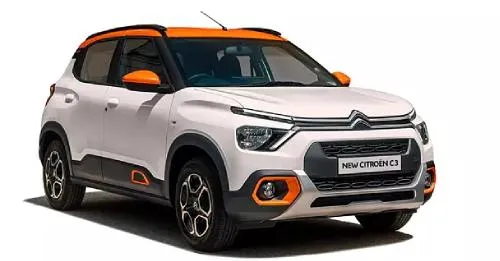
C3Citroen
Ex-Showroom Price
₹ 5.25 Lakh
onwards
Engine
1198 - 1199 cc
Fuel Type
CNG / Petrol
Transmission
Automatic (TC) / Manual
Mileage
19 Kmpl
Power
80 bhp @ 5750 rpm
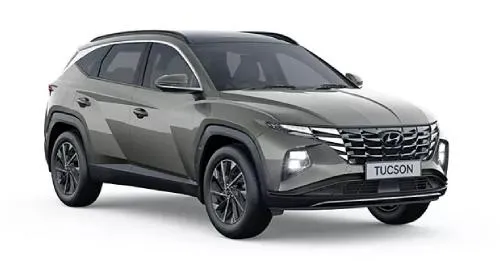
TucsonHyundai
Ex-Showroom Price
₹ 27.32 Lakh
onwards
Engine
1997 - 1999 cc
Fuel Type
Diesel / Petrol
Transmission
Automatic (TC)
Mileage
16 Kmpl
Power
184 bhp @ 4000 rpm
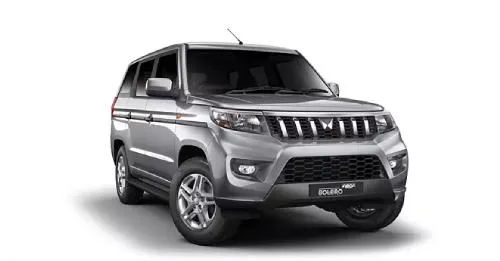
Bolero Neo PlusMahindra
Ex-Showroom Price
₹ 10.77 Lakh
onwards
Engine
2184 - 2184 cc
Fuel Type
Diesel
Transmission
Manual
Mileage
14 Kmpl
Power
118 bhp @ 4000 rpm
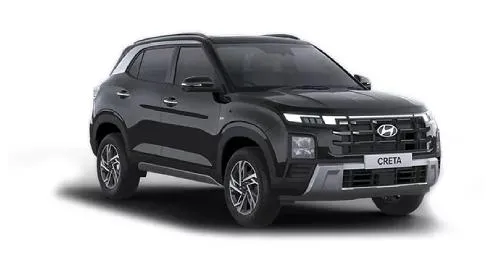
CretaHyundai
Ex-Showroom Price
₹ 11.00 Lakh
onwards
Engine
1482 - 1497 cc
Fuel Type
Diesel / Petrol
Transmission
Automatic (CVT) / Automatic (DCT) / Automatic (TC) / Manual
Mileage
21 Kmpl
Power
158 bhp @ 5500 rpm
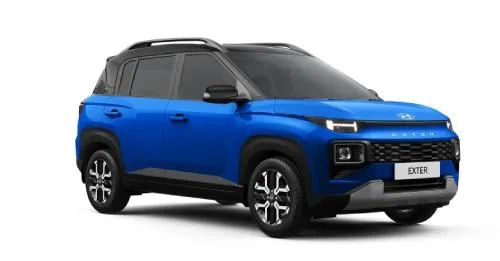
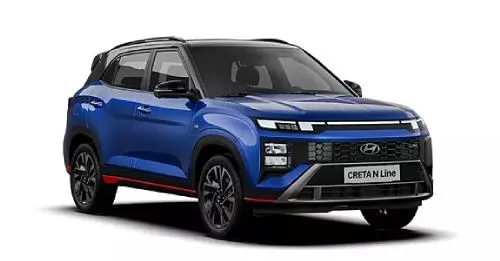



Hyundai Alcazar Images

Hyundai Alcazar Questions & Answers
Q: Is Alcazar a 5 or 7 seater?-
Q: Is Alcazar a luxury car?+
Q: Is Alcazar comfortable for a long drive?+
Q: What is the mileage of Alcazar?+
Hyundai Alcazar Price in India
| City | Ex-showroom Price |
|---|---|
| Rohtak | Rs. 14.47 Lakh onwards |
| Gurgaon | Rs. 14.47 Lakh onwards |
| Faridabad | Rs. 14.47 Lakh onwards |
| Bahadurgarh | Rs. 14.47 Lakh onwards |
| Rewari | Rs. 14.47 Lakh onwards |
| Jhajjar | Rs. 14.47 Lakh onwards |
Hyundai Alcazar Brochure
Download the brochure to view detailed specs and features