BYD Flash Charging: The Fast Lane
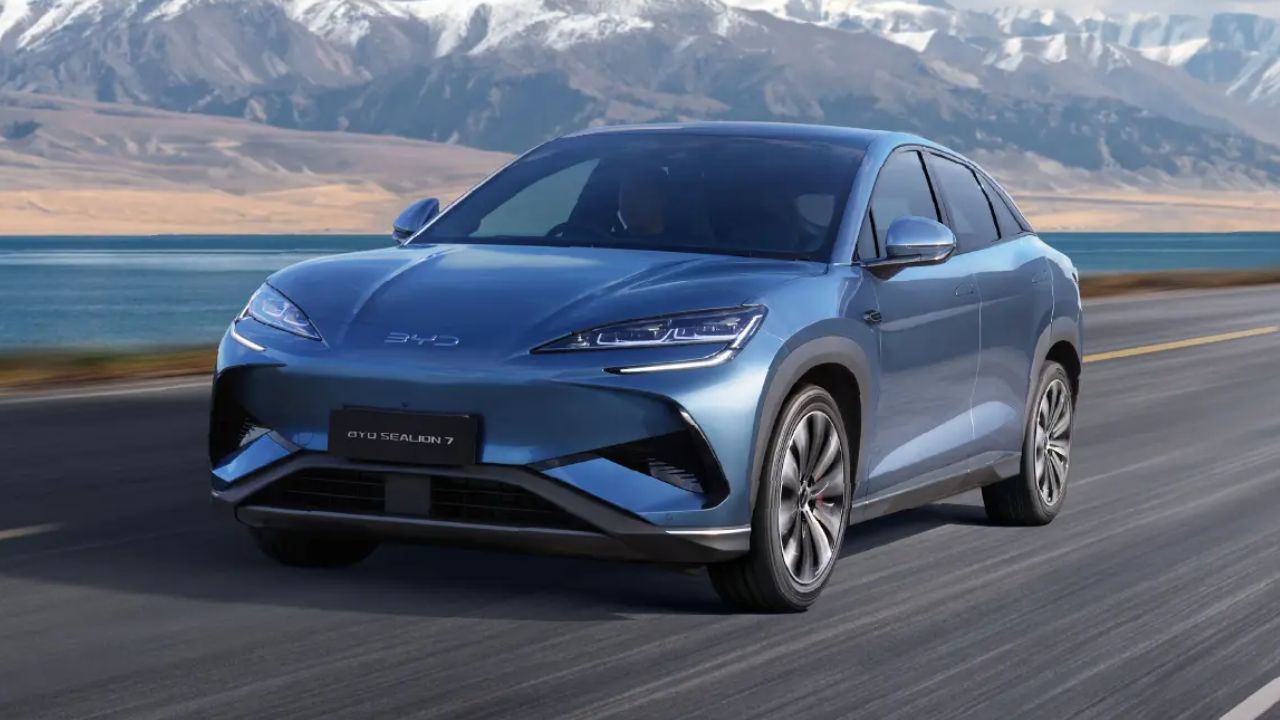
BYD claims to have cracked the EV charging puzzle with its new Blade Battery 2.0 and FLASH Charging system, promising a 10–70% charge in just five minutes.
By Team autoX

For years, EV sceptics have had one reliable trump card – charging takes longer than refuelling. Pull up to a petrol pump, fill the tank, pay, and you’re back on the road in minutes. Even with today’s fastest 150kW or 200kW chargers, most electric cars still need a good half hour to top up. Even while testing the cars for our cover story, the biggest pain point was having to set aside time for the MG Windsor EV to charge. The two internal combustion engine-powered cars could be refuelled in the blink of an eye. Range anxiety may have largely faded thanks to bigger batteries, but charging time remains a major inconvenience.
However, BYD may finally have a solution to this problem. The company has unveiled the second generation of its Blade Battery, along with a new ultra-fast charging system called FLASH Charging. The headline figure is the charging power. BYD’s FLASH Charger can deliver up to 1,500kW through a single connector to the new Blade Battery 2.0. The result: a charge from 10% to 70% takes just five minutes, while a charge from 10% to 97% takes roughly nine minutes. According to the company, the system is designed to maintain high charging speeds even in harsh weather. BYD claims that it can charge the battery from 20% to 97% in about 12 minutes, even at temperatures as low as –30°C.
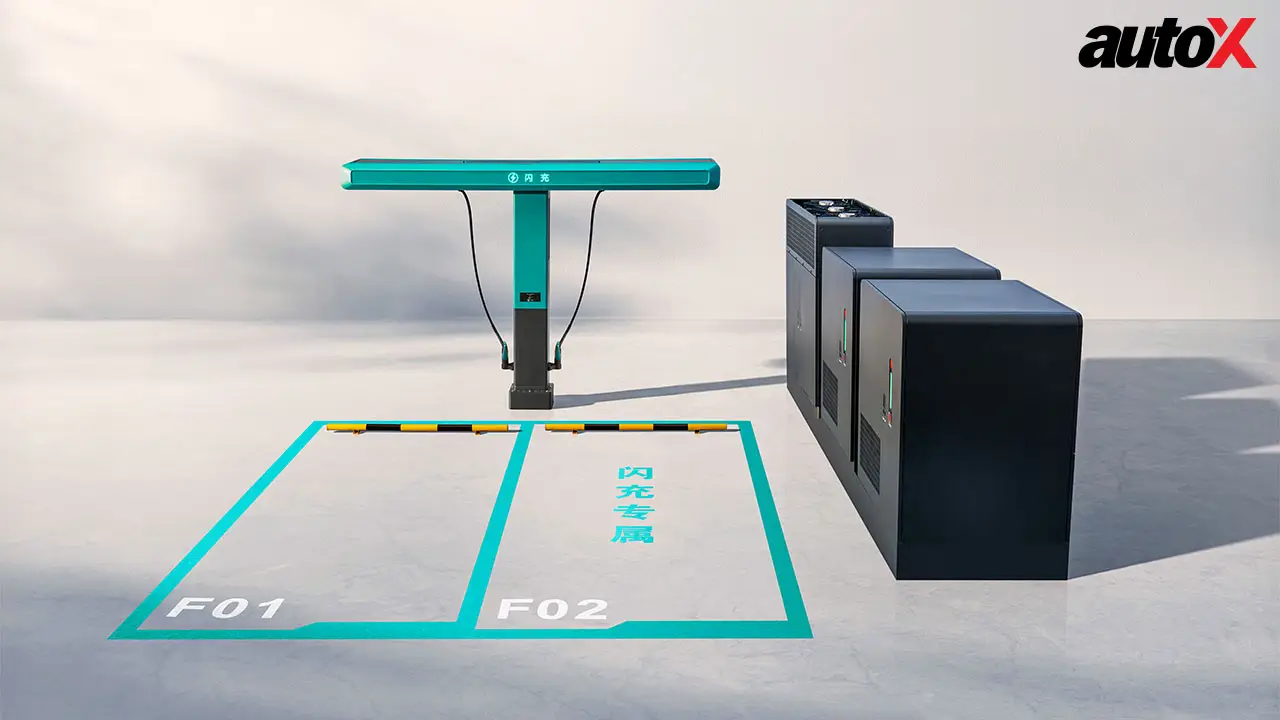
BYD has already deployed 4,239 FLASH Charging stations across China and plans to expand the network to 20,000 stations by the end of 2026. Each station uses an integrated energy storage system that acts like a giant power bank, storing electricity and releasing it rapidly during charging sessions. This helps avoid overloading the grid while still delivering those blazing-fast charging speeds. Even the charging hardware has received some thoughtful design tweaks. The FLASH Charger uses a T-shaped overhead cable system that keeps the connector off the ground, preventing it from collecting dust, water, or general roadside grime. It also makes plugging in easier, regardless of where the car’s charging port is located.
Europe is set to be the next market after China to adopt the technology, as the company aims to launch the Denza Z9GT as the first car to support this new battery and charging technology. If chargers this fast become common worldwide, it could accelerate EV adoption and alleviate most of the worries associated with public charging.