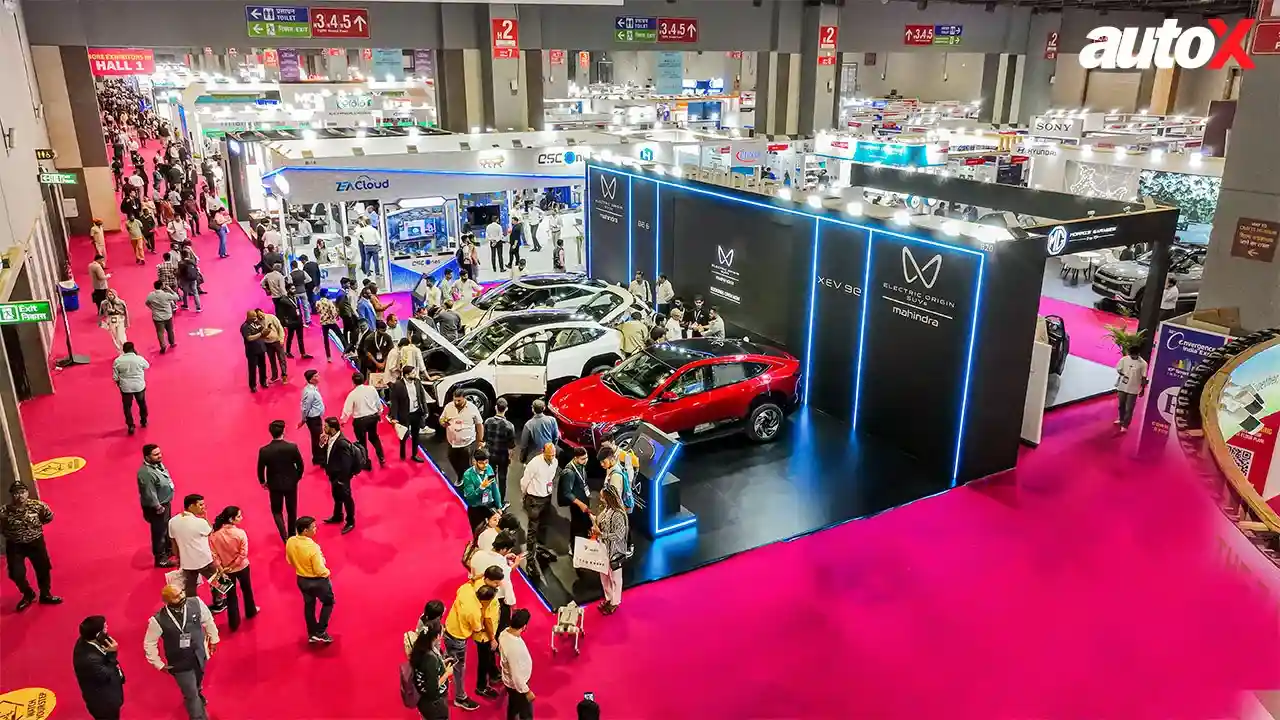
Convergence India 2026 - Future Forward
From smart mobility to humanoid robotics, the 33rd edition of the Convergence India Expo underscored technology’s expanding role across industries.
By Aryan Aggarwal

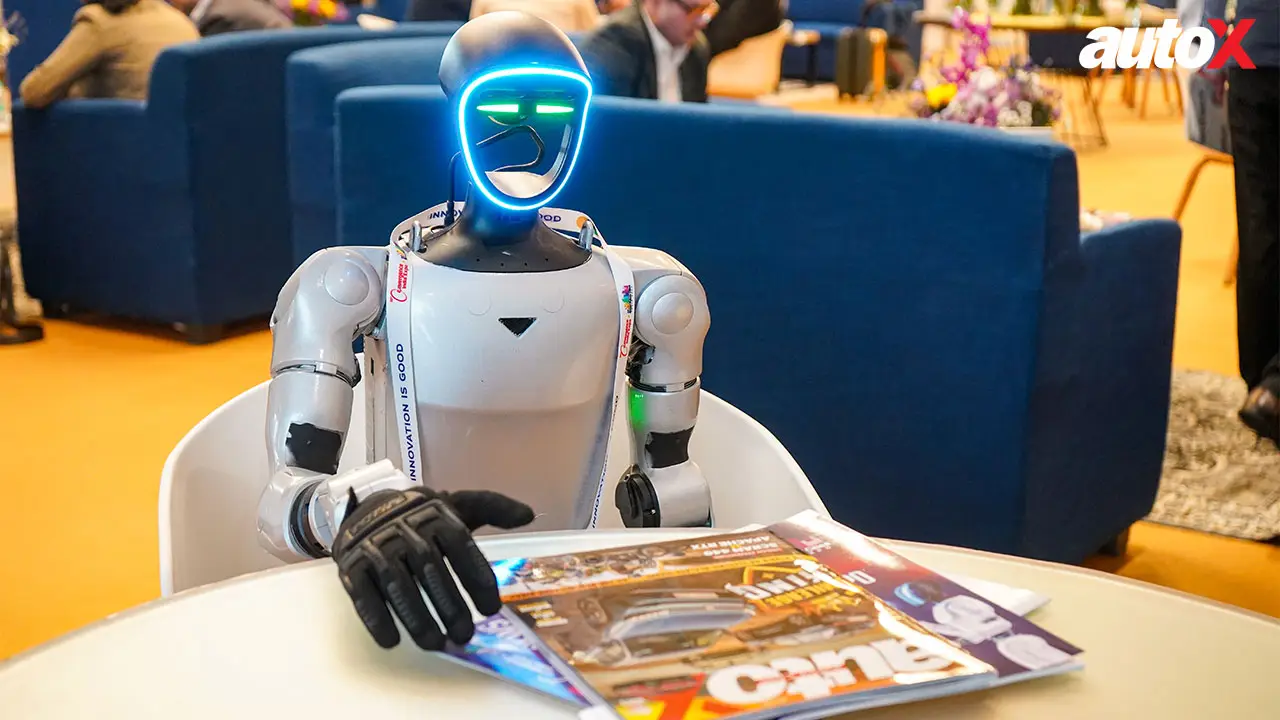
For over three decades, the Conergence India Expo has been at the forefront of India’s digital evolution, showcasing cutting-edge technology while offering a glimpse into what lies on the horizon. The 33rd edition of the show was no different in spirit, but it was much larger in scale and ambition. Chirag Paswan, Union Minister for Food Processing Industries, attended the expo as the chief guest. He was welcomed at the entrance by the Unitree G1 robot, Bidyut Innovation’s humanoid that was one of the the showstoppers this year.
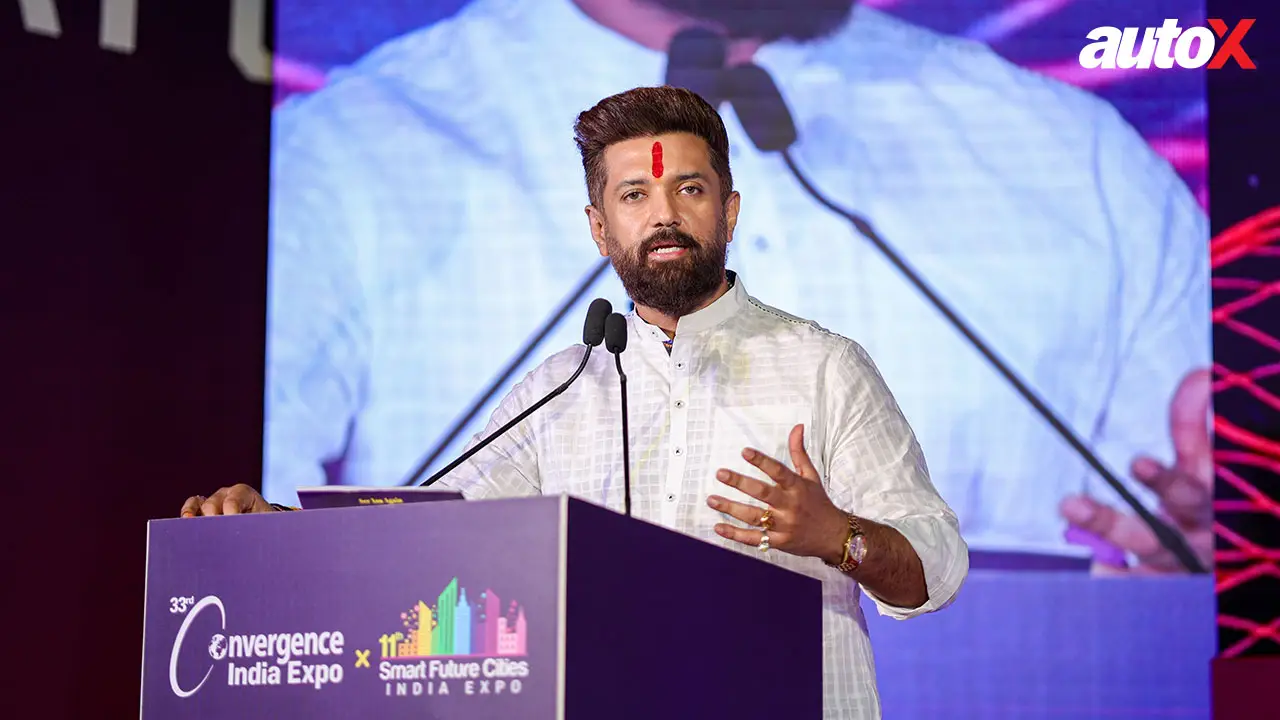
During his address, Paswan emphasised the role of technology in strengthening India’s ambition of becoming a developed nation by 2047. He also highlighted the importance of platforms like the Convergence India Expo in facilitating meaningful exchange of ideas, best practices, and practical, real-world solutions.
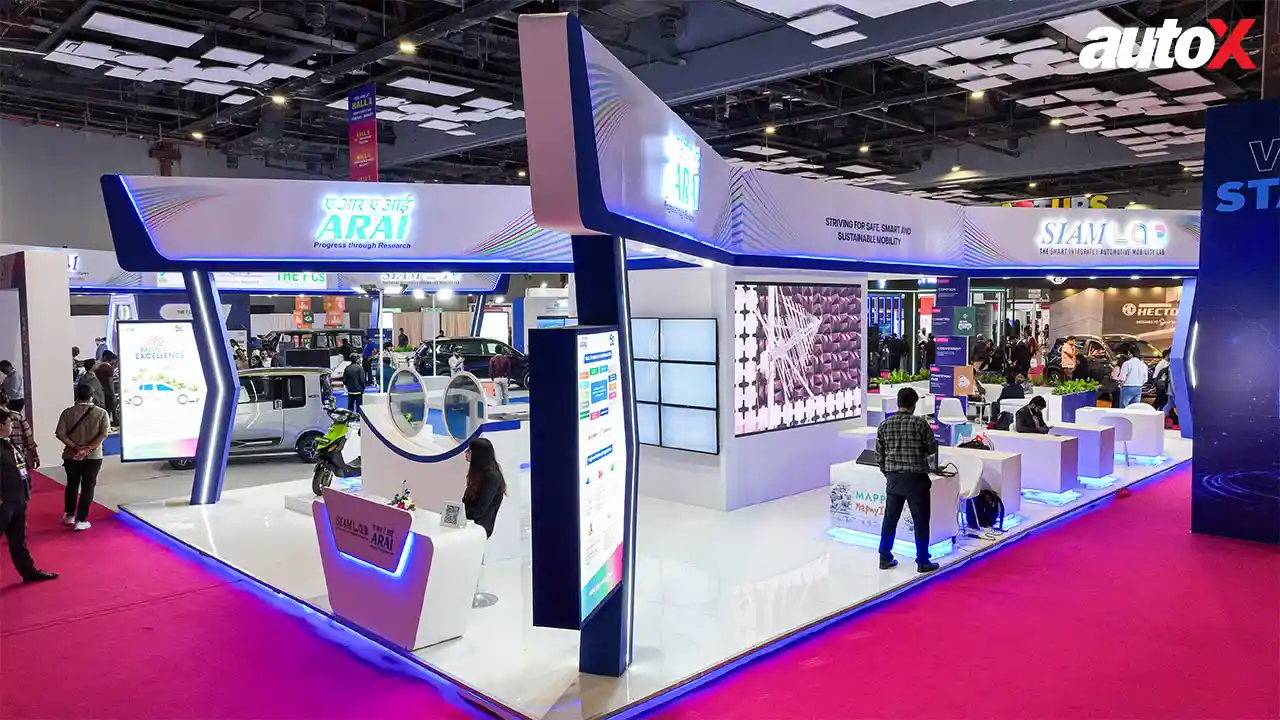
The Smart Mobility India section of the expo was headlined by the SIAM lab – the biggest pavilion at the venue. The Society of Indian Automobile Manufacturers (SIAM) had a diverse lineup of alternative fuel vehicles on display, including electric scooters like the TVS iQube and Honda QC1; electric cars like the Tata Harrier EV, BMW iX1, Kia Carens Clavis EV, and MG Comet; hybrid cars like the Honda City e:HEV; and even a hydrogen-powered Toyota Mirai.
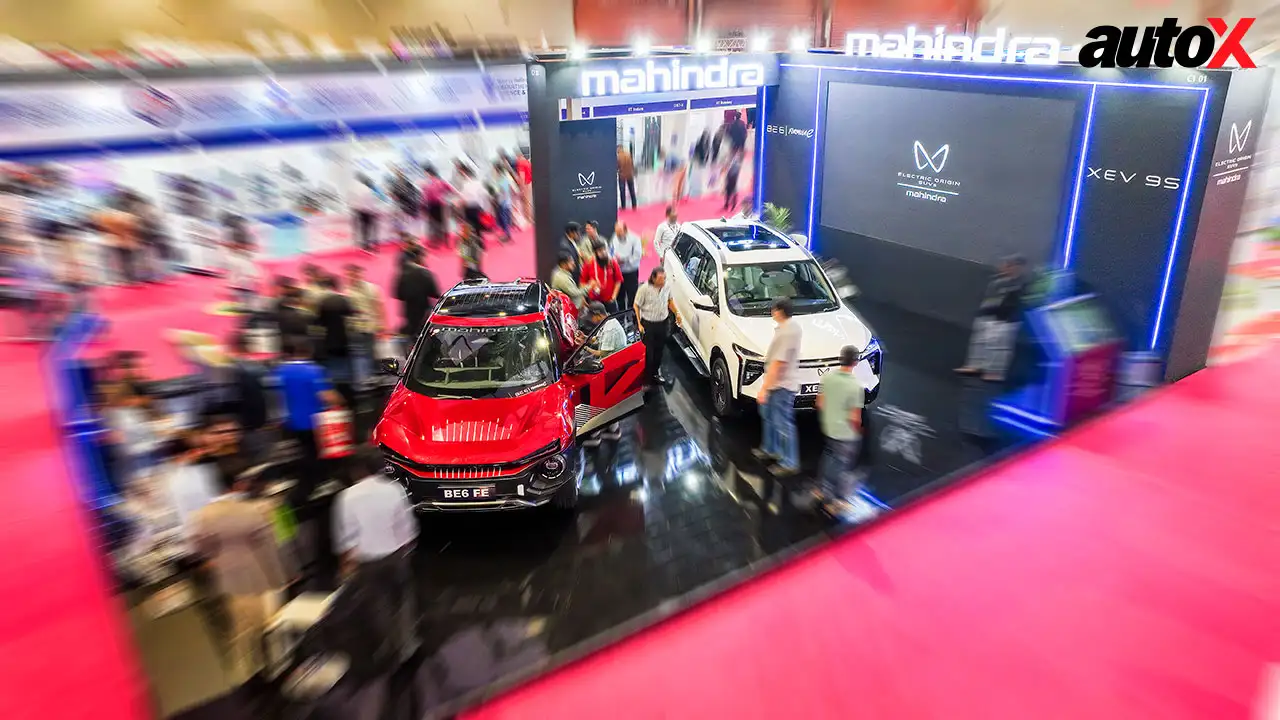
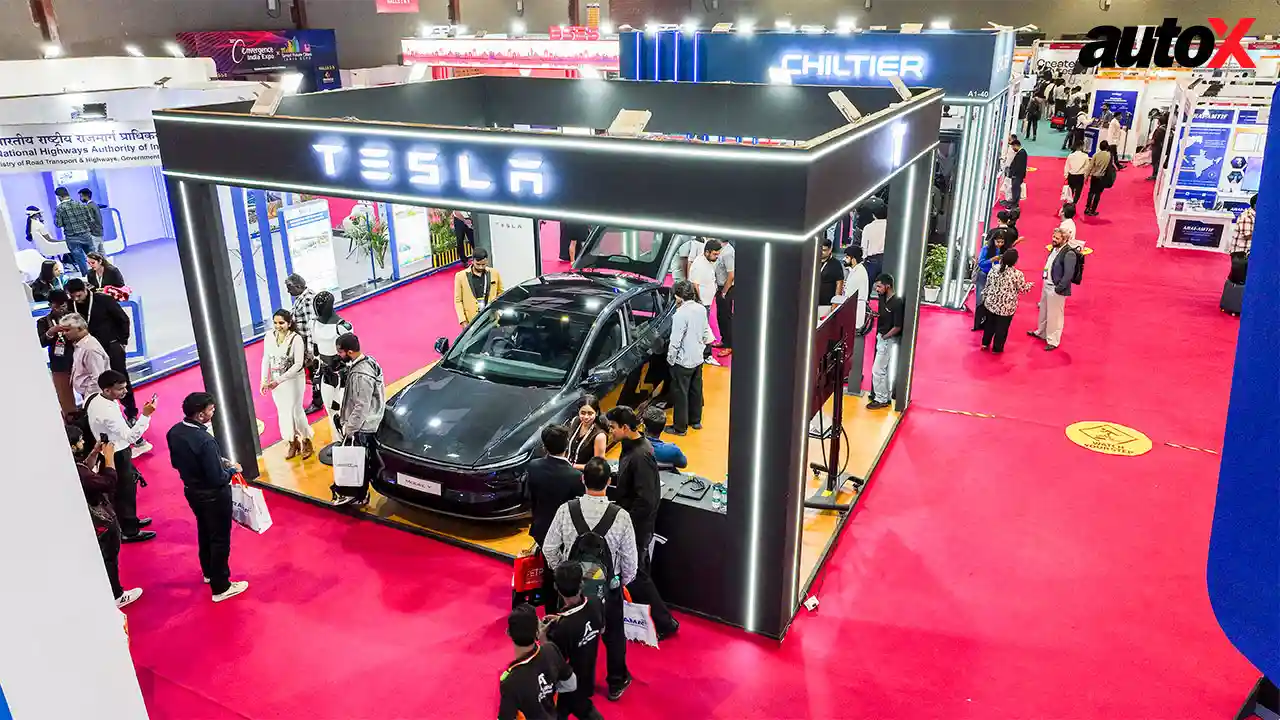
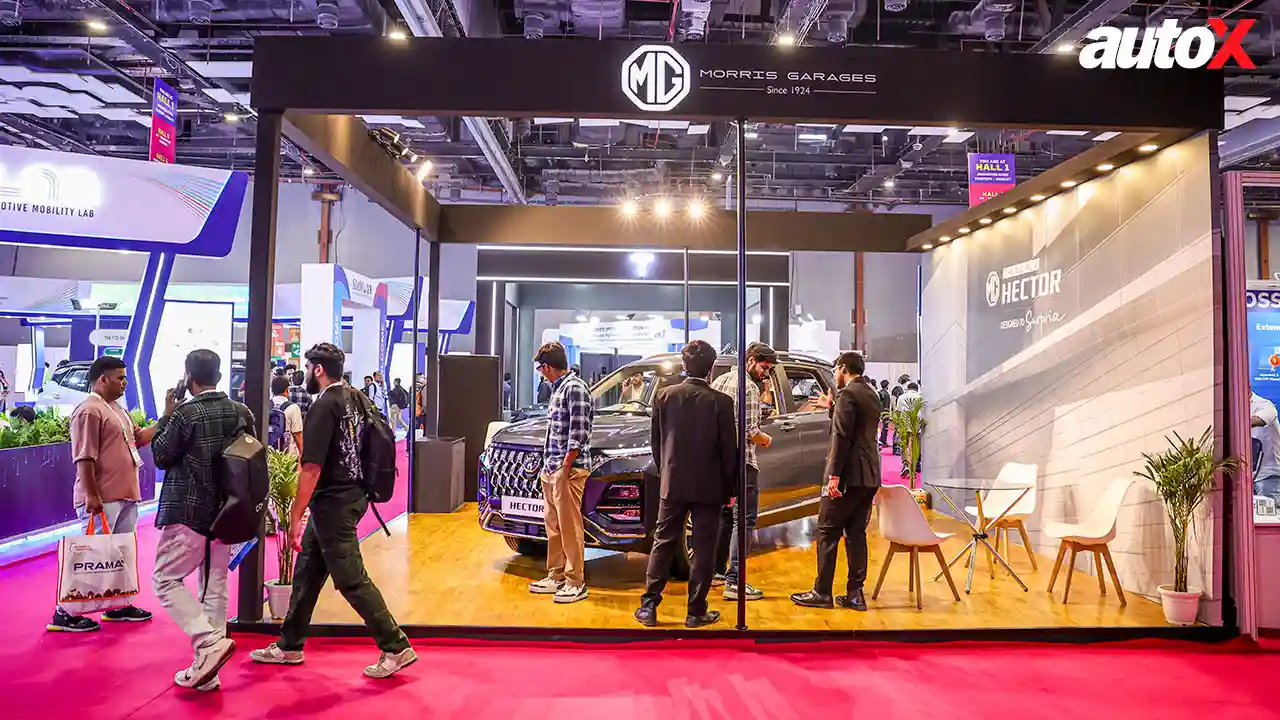
Mahindra showcased the limited-edition BE 6 Formula E Edition alongside the tech-laden XEV 9S, underscoring the growing importance of technology in mobility. MG, too, had the new Hector Plus on display, which now features gesture controls for its expansive 14-inch central touchscreen. What grabbed the most eyeballs, however, was Tesla’s pavilion – not for the Model Y, but for the Optimus humanoid robot.
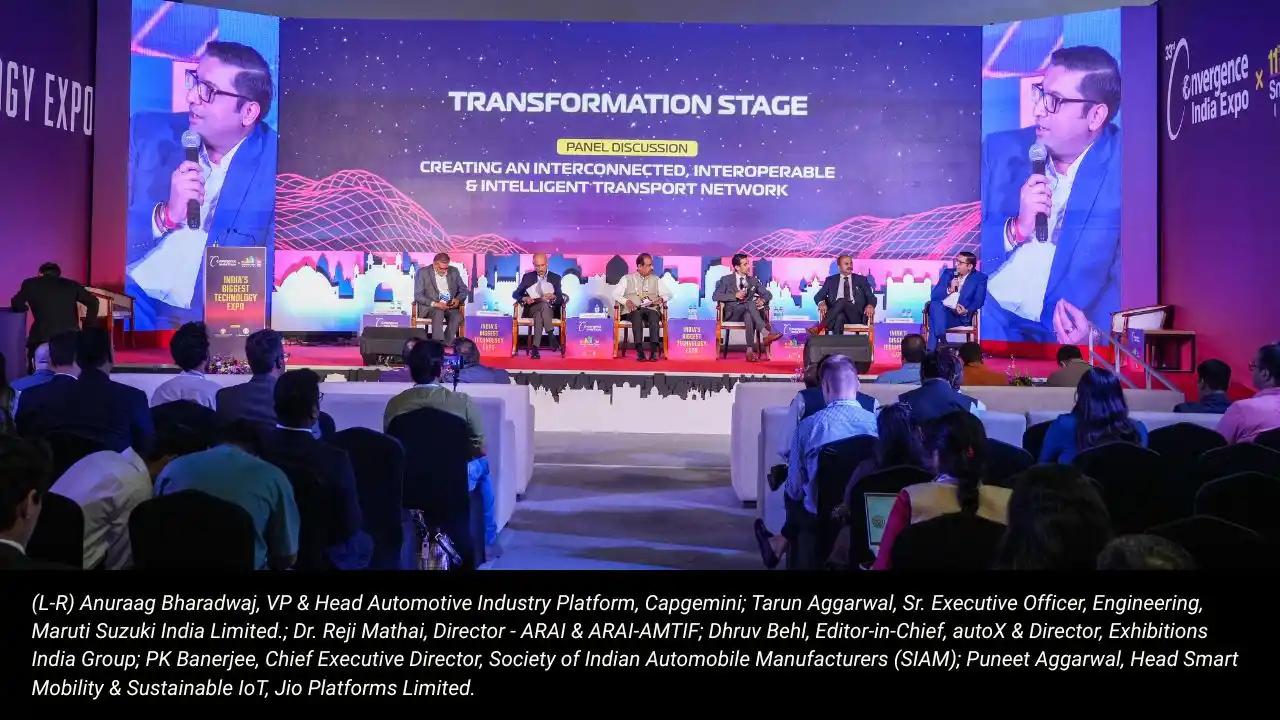
Beyond the exhibits, the expo also served as a hub for dialogue and knowledge-sharing. It hosted over 280 speakers across 60 sessions, covering a wide spectrum of topics – from quantum computing and IoT infrastructure to artificial intelligence, cybersecurity, connected vehicles, and venture capital funding. The session that stood out for me discussed road safety via V2V communication and ADAS tailored for India, along with the future of Software -Defined Vehicles (SDVs).
The Smart Mobility Pitch Session, powered by ARAI-AMTIF, spotlighted startups advancing EVs, intelligent transport systems, and sustainable mobility. It also recognised innovation through the ‘Emerging Innov8r Award’, while offering ecosystem access, and the NAVIG8 Mentorship Initiative – a one-year guidance programme.
As the three-day event drew to a close, I found myself reflecting on the sheer scale of the expo and the diversity of experiences it offered. In a short span of time, it provided a wealth of exposure that was both engaging and thought-provoking. If this year’s edition is anything to go by, the Convergence India Expo continues to grow not just in size, but in relevance as well.