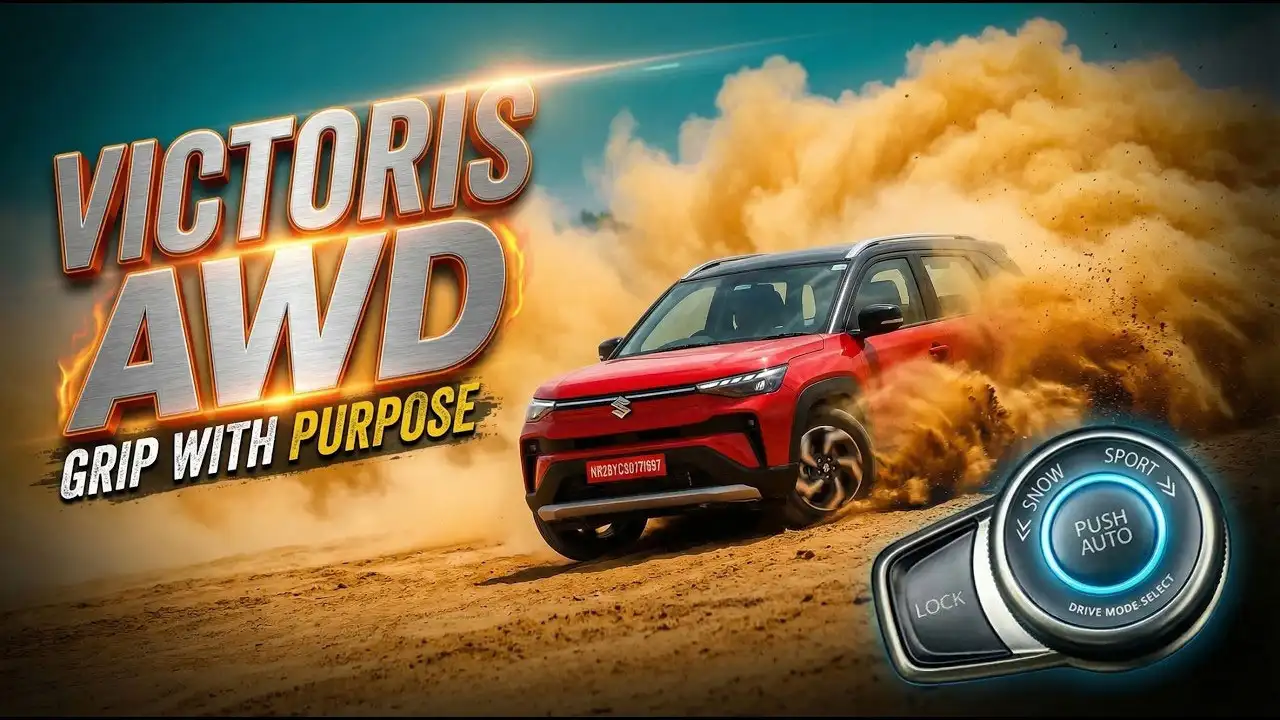
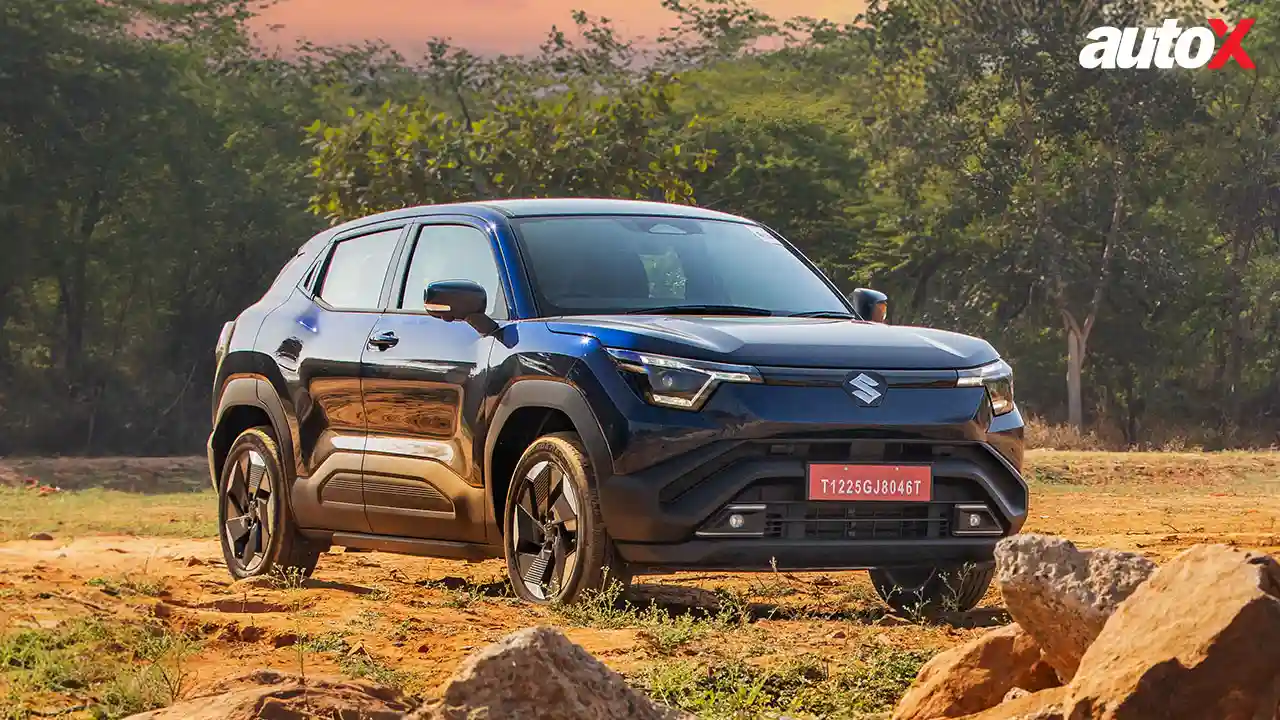
Maruti Suzuki Victoris Special Feature - Grip with Purpose
Is the Victoris' all-wheel drive setup a genuine advantage on real Indian roads, or is it simply a clever marketing flourish?
By Team autoX

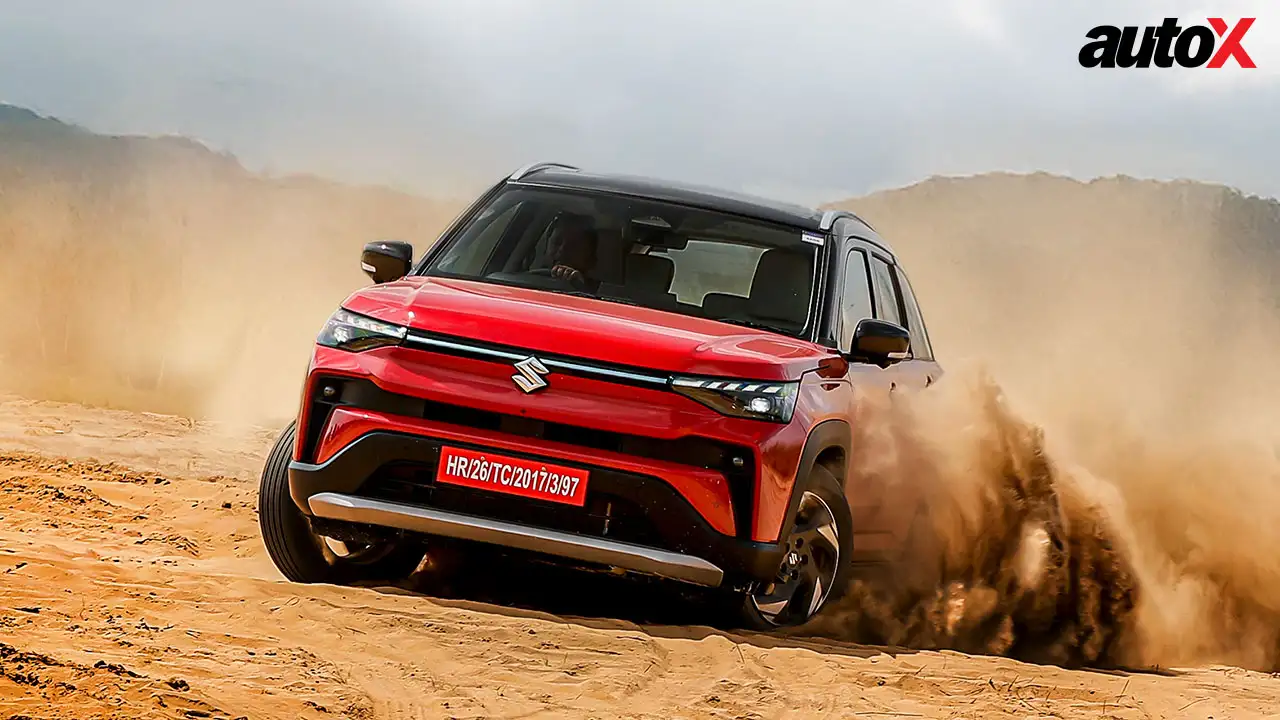
When Maruti Suzuki introduced the Maruti Suzuki Victoris with an all-wheel-drive option, it posed a few questions. AWD is not a feature Indian buyers actively demand in this segment, nor is it something Maruti has traditionally leaned on. And yet, here it was. Quietly integrated and sensibly priced. Almost understated. Which leads us to the real question. Is the Victoris AWD just a checkbox for enthusiasts, or does it actually add meaningful capability to an SUV designed for everyday driving in a country as varied as India?
Maruti Suzuki Victoris AWD Explained: AllGrip Select, Engine & Gearbox Details
The Victoris uses Suzuki’s AllGrip Select system, paired with the 1.5-litre mild-hybrid petrol engine and a 6-speed torque-converter automatic. This is not a hardcore, mechanical 4x4 setup. Instead, it’s an electronically controlled AWD system designed for versatility rather than extremism.
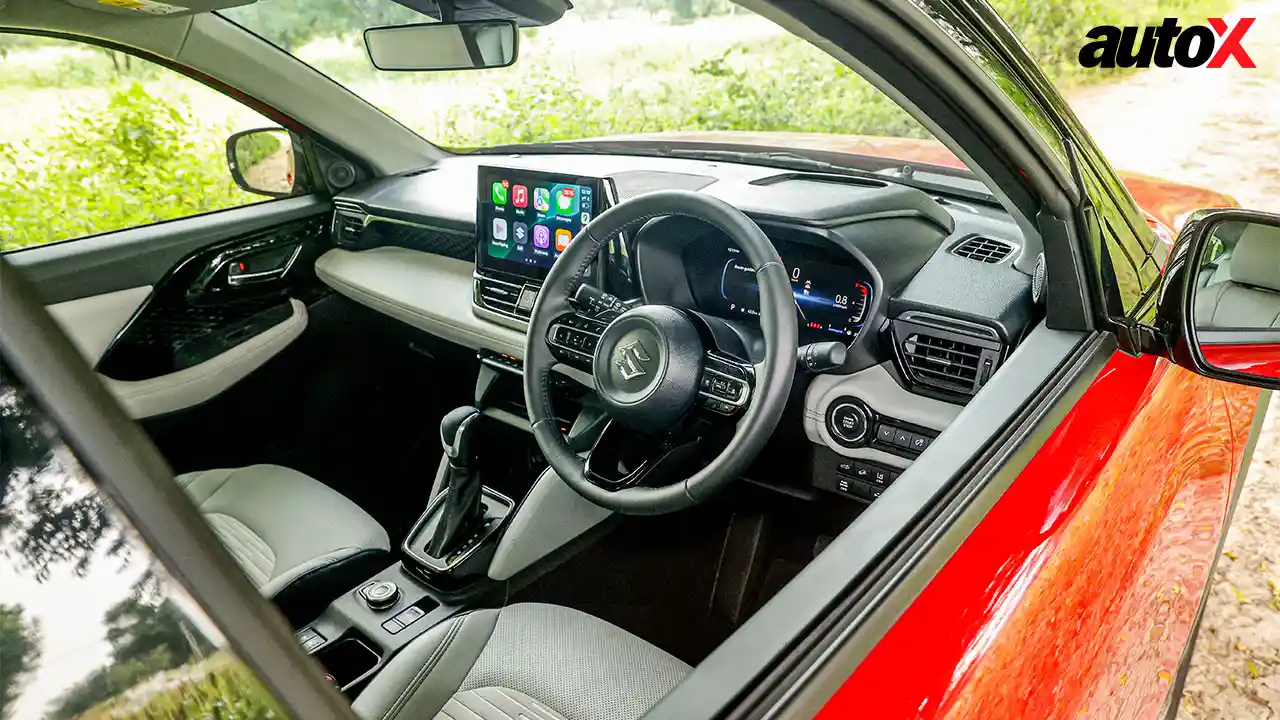
The driver gets four selectable modes via a rotary dial:
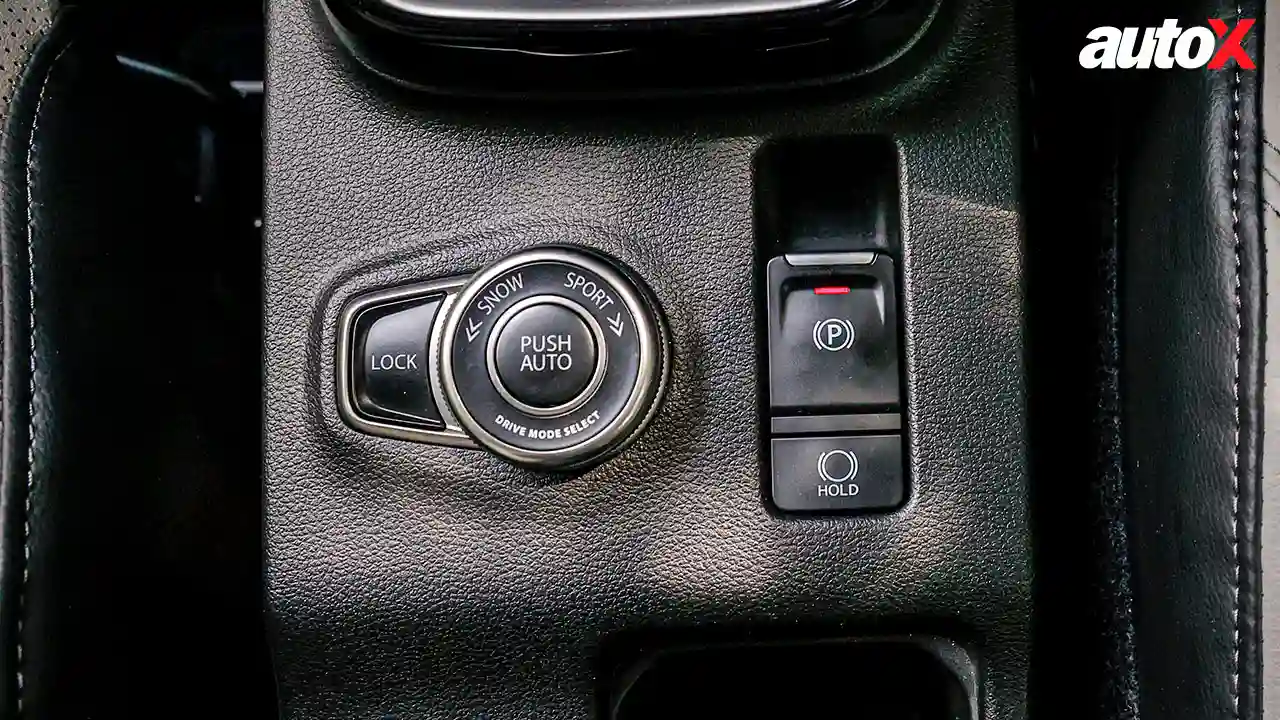
- Auto: Defaults to front-wheel drive, sending power rearwards only when slip is detected. This keeps fuel efficiency largely intact during normal driving.
- Snow: Prioritises traction and reduces wheelspin on slippery surfaces.
- Sport: Sharpens throttle response and subtly alters torque distribution for improved stability during enthusiastic driving.
- Lock: Distributes torque 50:50 front to rear for maximum traction at low speeds.
Add hill-hold assist and hill-descent control to the mix, and the Victoris suddenly looks far more capable than the average soft-roader.
Why All-Wheel Drive Matters for Indian Roads and Conditions
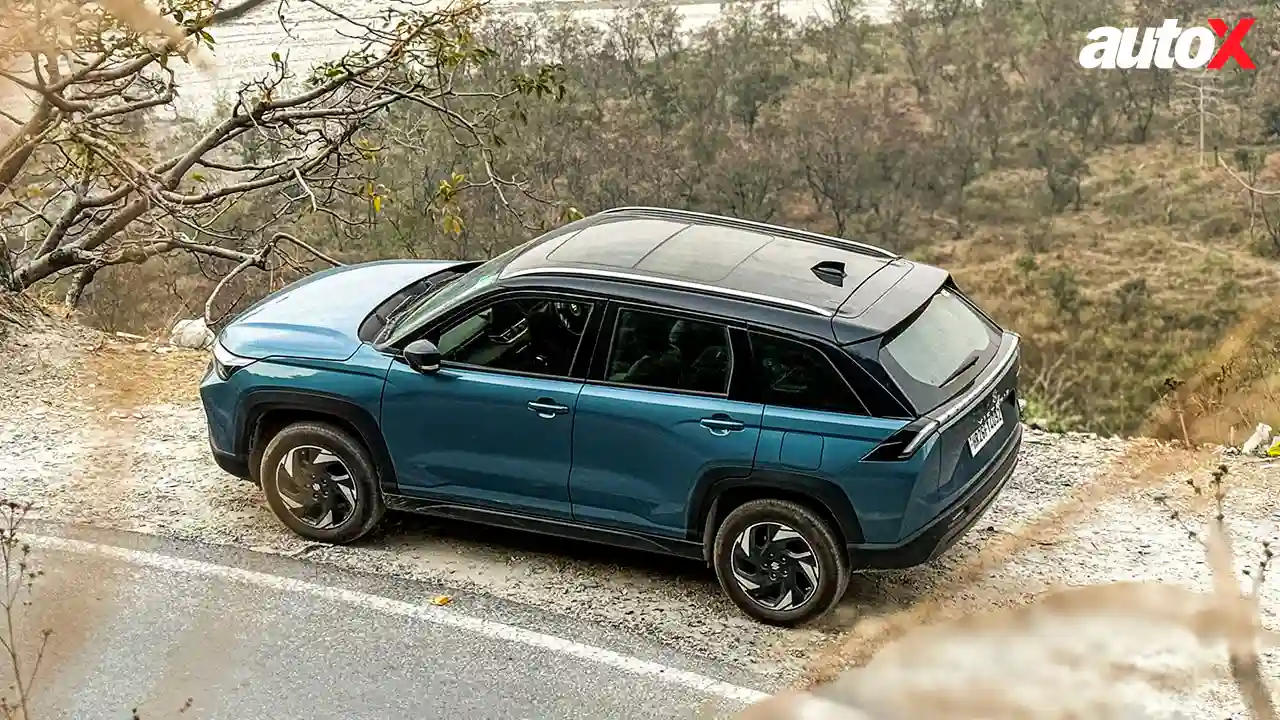
Now, let’s be realistic. Most Victoris owners spend most of their time on paved roads. But Indian roads are rarely predictable. Monsoon-soaked highways, broken village tracks, steep inclines in hill states, and unpaved access roads are part of everyday driving for many. This is where the Victoris AWD becomes relevant. It doesn’t turn the SUV into an off-road weapon, but it does add confidence.

On loose gravel, uneven inclines, or slippery surfaces, the system works quietly in the background, distributing torque where it’s needed. There’s no drama, no sudden intervention, just steady movement and power delivery. For buyers in hilly regions or those who frequently travel beyond well-paved highways, this added traction can be the difference between driving through and turning back.
Maruti Suzuki Victoris AWD Driving Experience: On-Road Performance & Stability
On tarmac, the AWD system is largely invisible, which is exactly how it should be. In Auto mode, the Victoris behaves like a refined front-wheel-drive SUV. Steering remains light, ride quality stays compliant, and there’s no noticeable increase in drivetrain noise.

Switch to Sport mode, and the Victoris feels more planted during quick lane changes or fast highway curves. It’s not about outright speed. It’s about stability and composure, especially when roads aren’t perfect. Importantly, the AWD hardware doesn’t dilute the Victoris’ core strengths. It still feels easy to drive, unintimidating, and well-suited to daily use.
Maruti Suzuki Victoris AWD Price Premium: Is It Worth It?
The AWD variant commands a premium of roughly Rs 1.4–1.5 lakh over the equivalent front-wheel-drive automatic. That’s not insignificant, but it’s also not excessive when you consider what’s being added. Along with the AWD system, buyers also get additional features, including hill-descent control and a richer equipment list.
In context, the pricing feels rational rather than indulgent. That said, if your driving is limited to urban traffic, highways, and well-surfaced roads, the AWD advantage may remain largely untapped. In such cases, the regular petrol or strong-hybrid variants make more financial sense.

The Victoris AWD is not a marketing gimmick. Nor is it a feature meant to impress on paper alone. It’s a well-judged, thoughtfully integrated system that adds a genuine layer of usability for buyers who need it.