Remembering Hari Singh - The Gentleman Racer
Hari Singh’s journey went beyond titles, shaping Indian motorsports through instinct, resilience, and a presence that anchored generations.
By Divyam Dubey

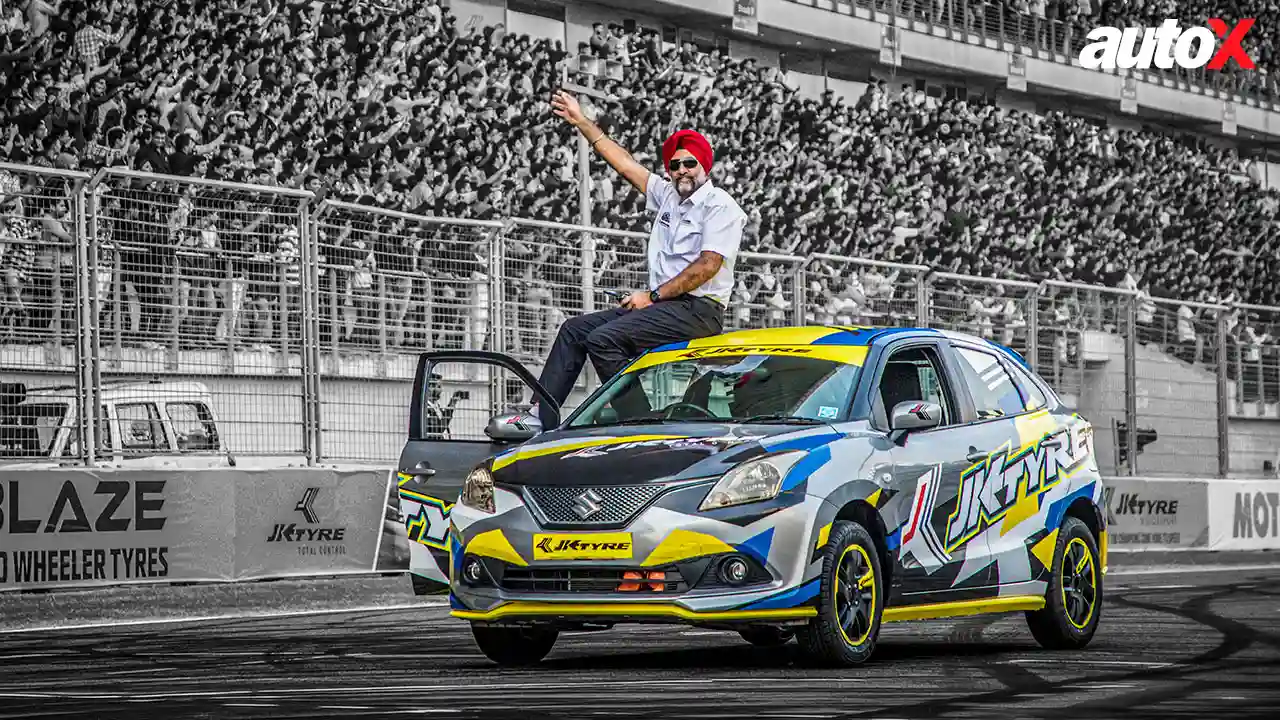
Before telemetry, driver aids, and data overlays took over the cockpit, there was a generation of racers who relied purely on instinct and feel. They didn’t need sensors to tell them when a car was at the limit, they could sense it through the steering, the chassis, and the seat beneath them. Hari Singh didn’t just belong to that era; he defined it.
Indian motorsport is currently grappling with a period of profound loss. Just as the community was coming to terms with the passing of Sanjay ‘Hardy’ Sharma – a central figure in the JK Tyre paddock – the news of Hari Singh’s death in a tragic accident in the Maldives has left it shaken once again. It is the kind of loss that is difficult to process, even for those who have seen the sport at its most unforgiving.
To a younger generation, Singh was the composed, ever-present veteran; a guiding force who helped keep the national championship moving forward. But to those who witnessed the golden years of Indian rallying, he was something more: the man who mastered the Maruti Gypsy like few others ever could.
The Gypsy was never a precise or forgiving machine. On narrow mountain roads, often with nothing but a sheer drop beside it, it demanded absolute commitment. In lesser hands, it could feel unpredictable and even intimidating. Under Hari, however, it became something else entirely. He didn’t just drive it – he controlled it with a level of finesse that made the improbable look routine.
His five National Rally Championship titles and Asia Zone Rally victory were earned in an era that demanded far more from the driver than modern racing does. There were no electronic safety nets, no refined systems to compensate for mistakes. Success depended on physical endurance, mechanical sympathy, and the conviction to stay committed when conditions turned hostile.
Yet, what truly defined Hari Singh wasn’t just his success behind the wheel. In the years that followed, he became a constant presence in Indian motorsport – a mentor, a sounding board, and a bridge between generations. Many of today’s top drivers have, at some point, leaned on his experience, whether for technical guidance or simply for perspective.
That is what makes this loss particularly difficult to come to terms with. Hari Singh had faced and overcome the inherent dangers of rallying across decades. To lose him away from the sport, in an accident far removed from the stages he once dominated, feels especially cruel.
His absence will be felt in ways that go beyond results or records. It will be there in quieter service parks, in the gaps left in conversations, and in the absence of a voice that so many relied upon. Indian motorsport has not just lost a champion – it has lost a reference point.
And while the record books will always reflect what he achieved, his true legacy lies in the standard he set – one defined by instinct, resilience, and an unwavering commitment to the craft.