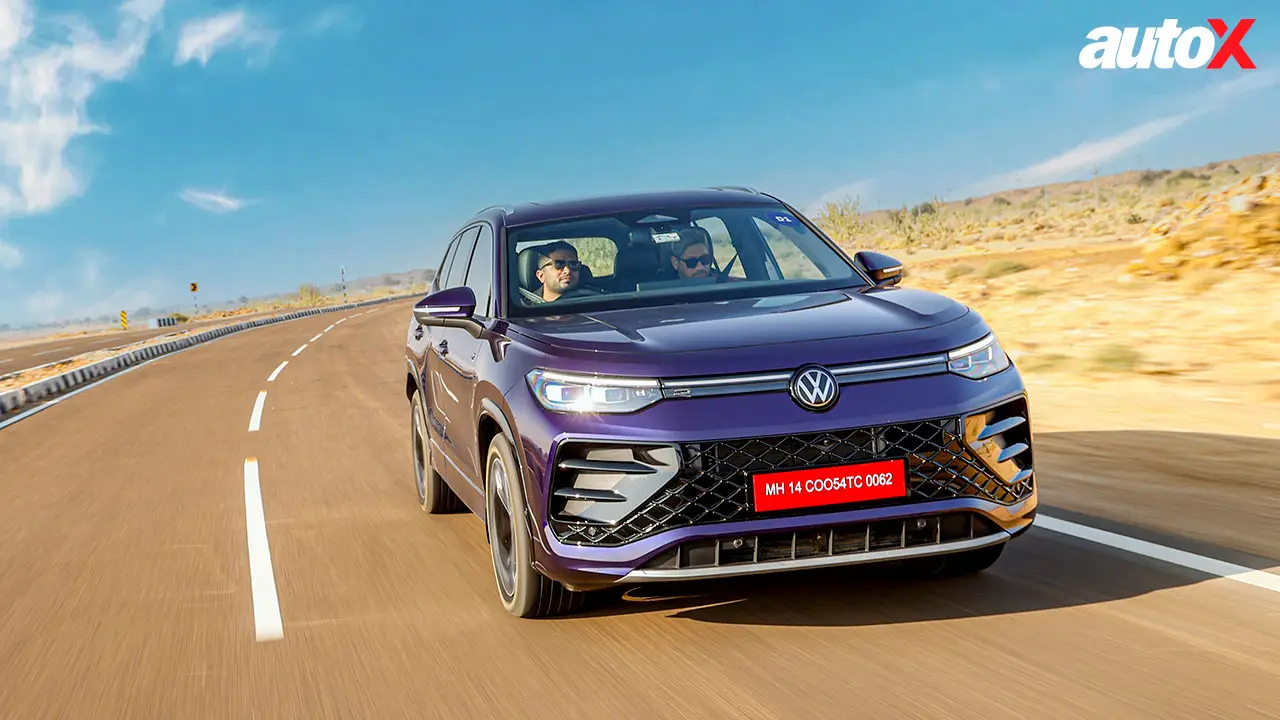
Volkswagen Virtus Special Feature - Sedan Season is Back!
Fast-paced highways, winding mountain roads, and a sedan built for both – we take the Volkswagen Virtus into the hills for a quick weekend getaway.
By Team autoX


There is something quietly magical about slipping out of Delhi before the city fully awakens. The air feels cooler and cleaner, and traffic lights blink patiently over empty intersections. Even the city’s usual urgency seems to still be stretching awake. Merge onto the highway just as the sun begins to lift over the horizon, and the reason for weekend drives becomes instantly clear. For this escape, we made a slightly rebellious choice. No SUV. No towering stance. Just the elegant silhouette of a sedan. As the Volkswagen Virtus pointed its nose towards the hills of Uttarakhand, that decision stopped feeling unconventional. Somewhere between Delhi and Tehri, it began to feel absolutely right.
Volkswagen Virtus Highway Drive – Early Morning Escape from Delhi
Early-morning highways reward cars that effortlessly settle into a rhythm. Cars that feel quick without relying on theatrics. The Virtus fits that description perfectly. Under the hood sits Volkswagen’s 1.0-litre TSI turbo-petrol engine, paired here with the automatic gearbox. It is a powertrain built around usable performance, and that character becomes clear within the first few kilometres. The turbo spools up smoothly, delivering a broad wave of torque that makes acceleration feel effortless. Power builds progressively rather than dramatically, but the result is the same: the Virtus gathers speed with quiet confidence.
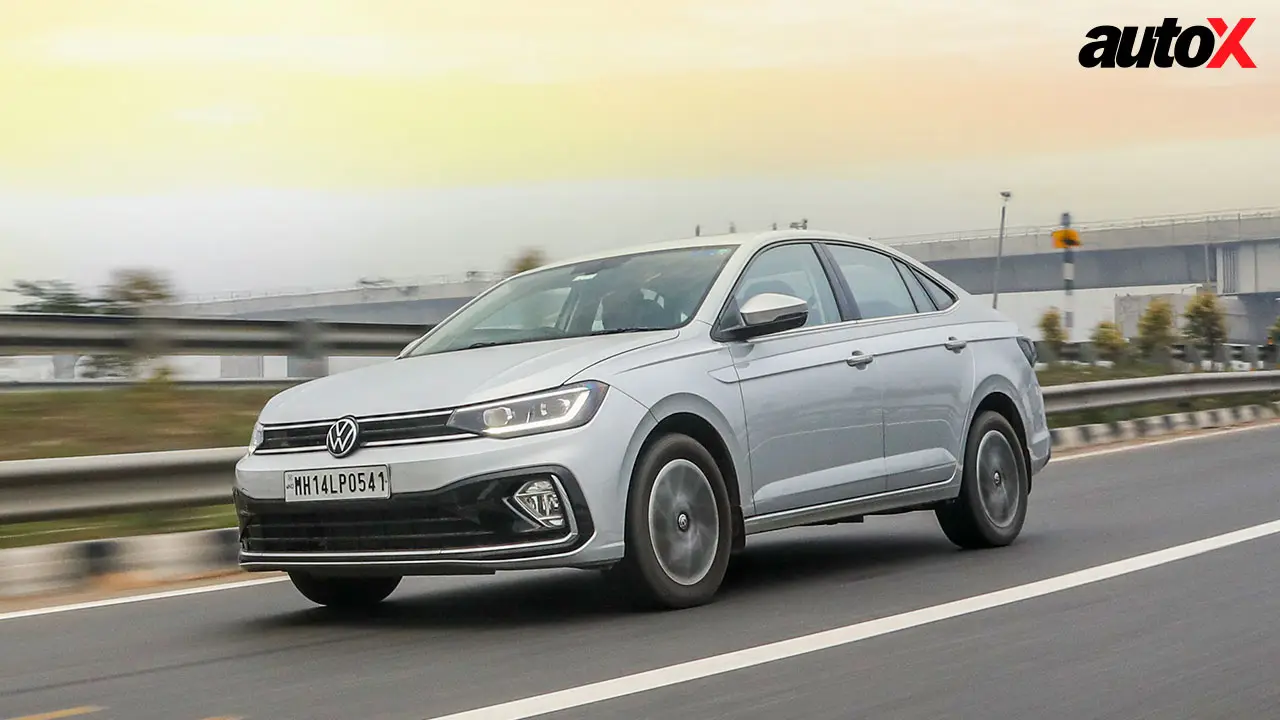
Overtakes require little planning. Spot a gap, press the accelerator, and the gearbox responds promptly while the TSI engine delivers its familiar mid-range punch. It is responsive without feeling aggressive, which makes long highway stretches remarkably relaxing. At cruising speeds, the Virtus settles beautifully. The steering remains steady, the chassis composed, and the cabin impressively calm. Conversations flow easily, music sounds richer, and the kilometres begin to disappear almost unnoticed.
Volkswagen Virtus 1.0 TSI Engine Performance
Indian highways rarely remain consistent. One moment, the road is smooth and flowing; the next, it becomes patchy, crowded, and unpredictable. The Virtus handles these transitions with quiet assurance.
The 1.0 TSI engine may appear modest on paper, but on the road, it feels energetic and eager. With 113bhp and a strong torque band, it delivers exactly the kind of flexibility that Indian driving conditions demand. The automatic gearbox complements it well, shifting smoothly and keeping the engine right within its most effective range. Throttle responses feel crisp yet measured. When you need quick acceleration, the engine responds willingly.
When the road opens up, it settles into a refined cruise. What stands out most is the cohesion. The engine, gearbox, steering, and suspension operate with a sense of balance that makes the car feel intuitive and predictable. That harmony encourages smooth inputs rather than aggressive ones, which suits long-distance driving perfectly. As the plains gradually give way to foothills, that composure becomes even more valuable.
Volkswagen Virtus Ride Quality on Rough Roads
Not every stretch between Delhi and Dehradun offers perfect tarmac. Broken sections, expansion joints, and uneven patches often appear without warning. Some sedans begin to feel uneasy in such conditions. The Virtus does not. The suspension absorbs imperfections with reassuring maturity. Instead of crashing over rough surfaces, the car maintains its composure and continues forward with quiet solidity.
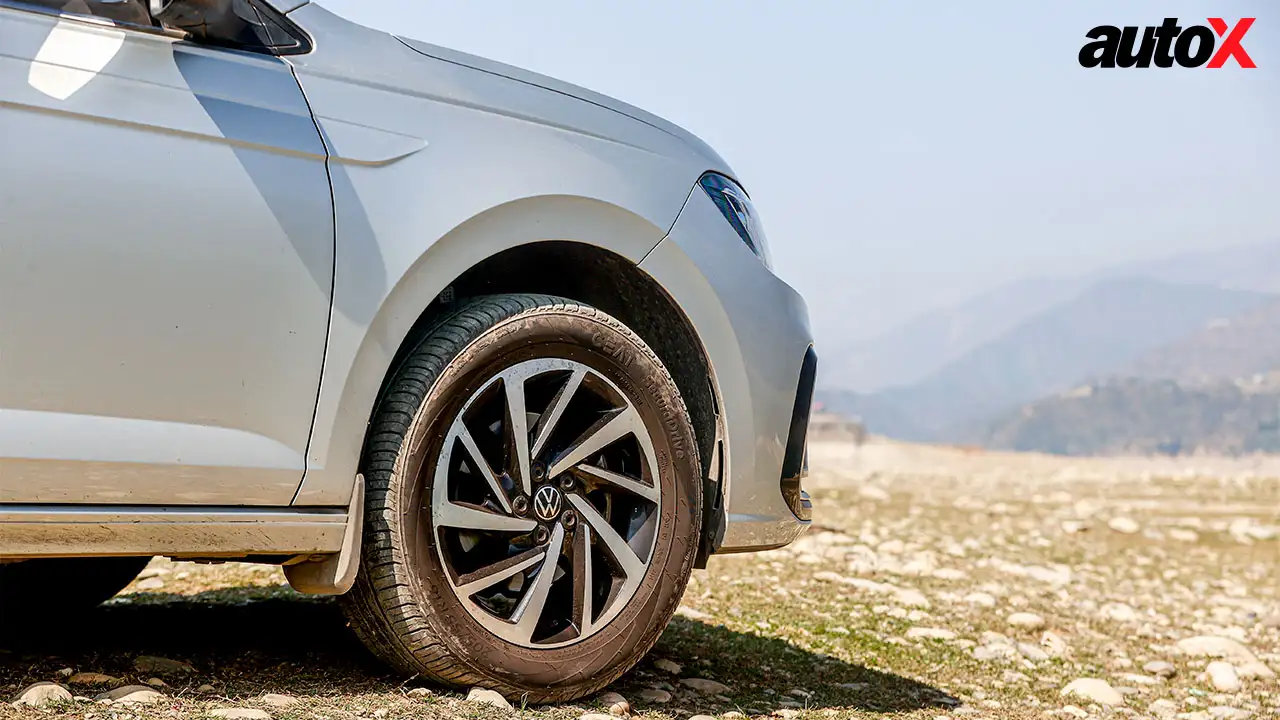
There is a reassuring tightness to the way it moves, a reminder of the German engineering behind it. You do not find yourself bracing for every rough patch. You simply adjust your pace and carry on. For a sedan that sits lower than most SUVs dominating Indian roads today, that sense of robustness feels particularly reassuring.
Volkswagen Virtus Design and Road Presence
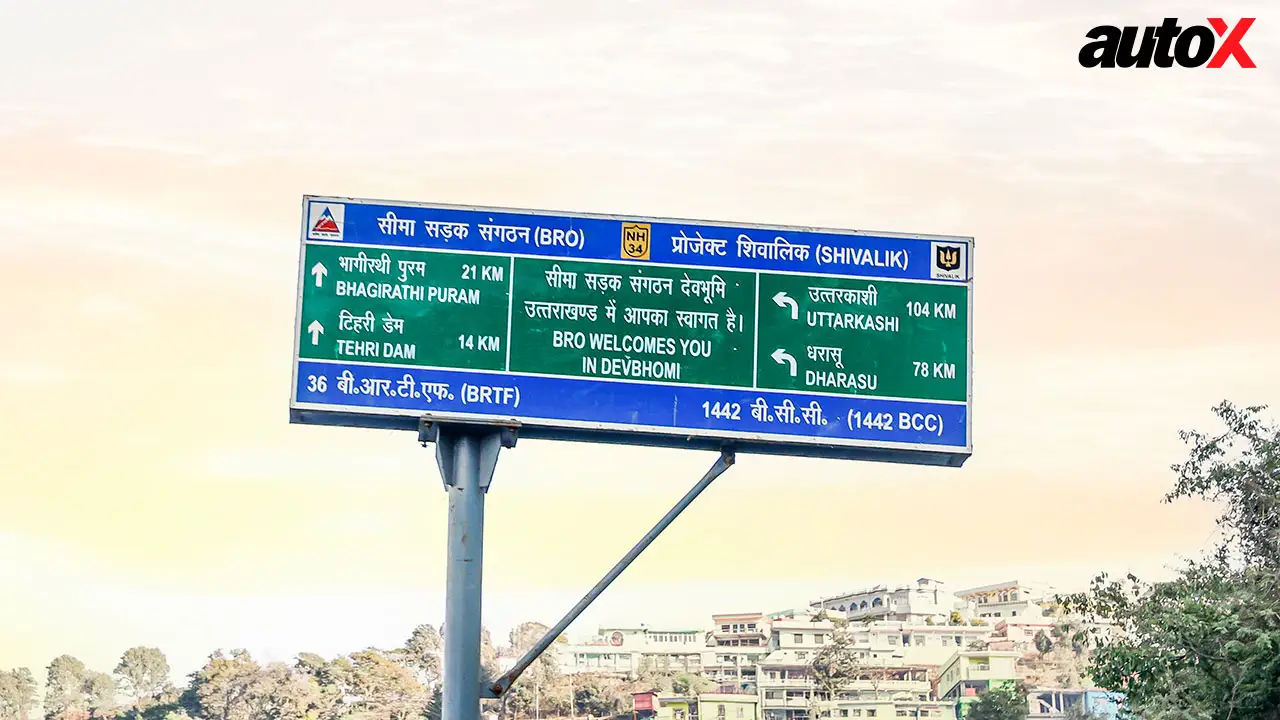
As we approached Dehradun, the mood of the drive shifted. The air felt lighter. The roads began to curve more frequently. The hills moved closer, filling the windscreen with layers of green. At this point, the drive stopped being about covering distance and started becoming about enjoying the surroundings. The Volkswagen Virtus looked completely at ease here.
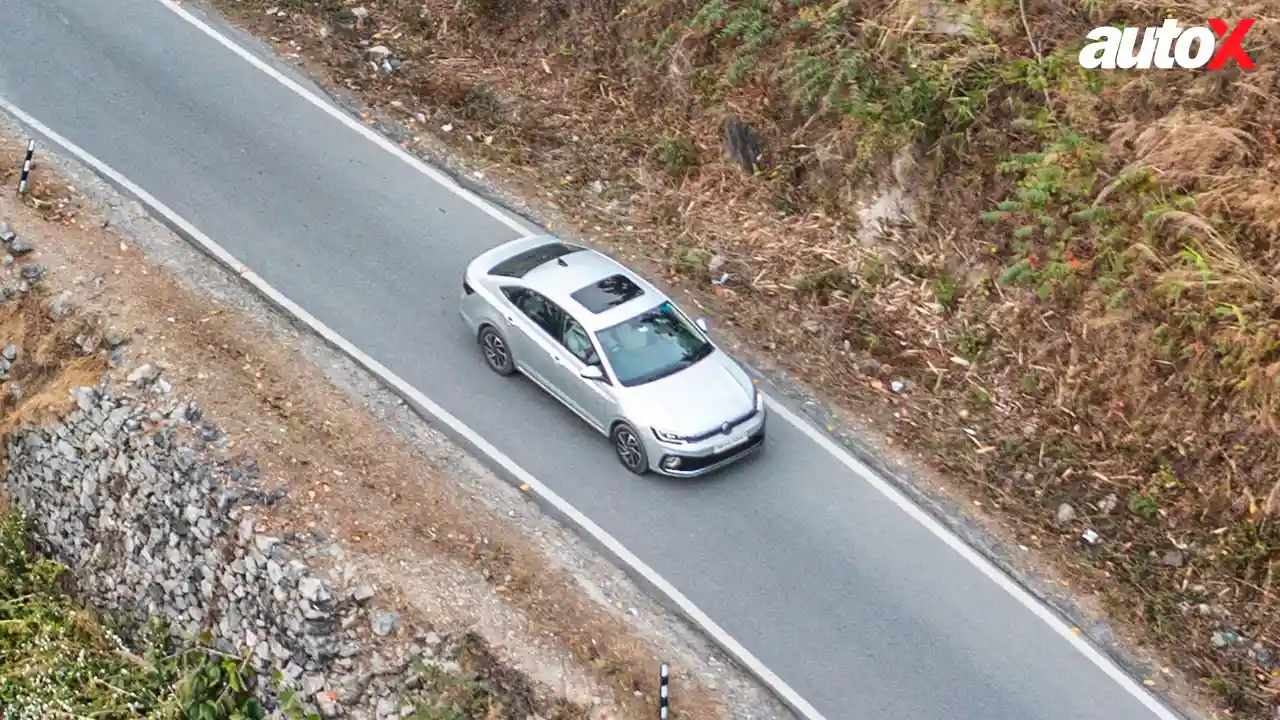
Its clean proportions and understated design suited the calm landscape perfectly. It does not try to demand attention; instead, it carries itself with quiet confidence. That understated confidence has long been part of Volkswagen’s appeal in India.
Over the years, Volkswagen has established itself as one of the most preferred German automotive brands in the country, particularly among buyers who value solid German engineering and rewarding driving dynamics.
Volkswagen Virtus Handling and Driving Dynamics on Mountain Roads
As the ascent towards Tehri began, the Virtus felt remarkably composed. Its low centre of gravity keeps the car planted through corners, while body roll remains neatly contained. The steering feels precise and consistent, allowing you to place the car exactly where you want.
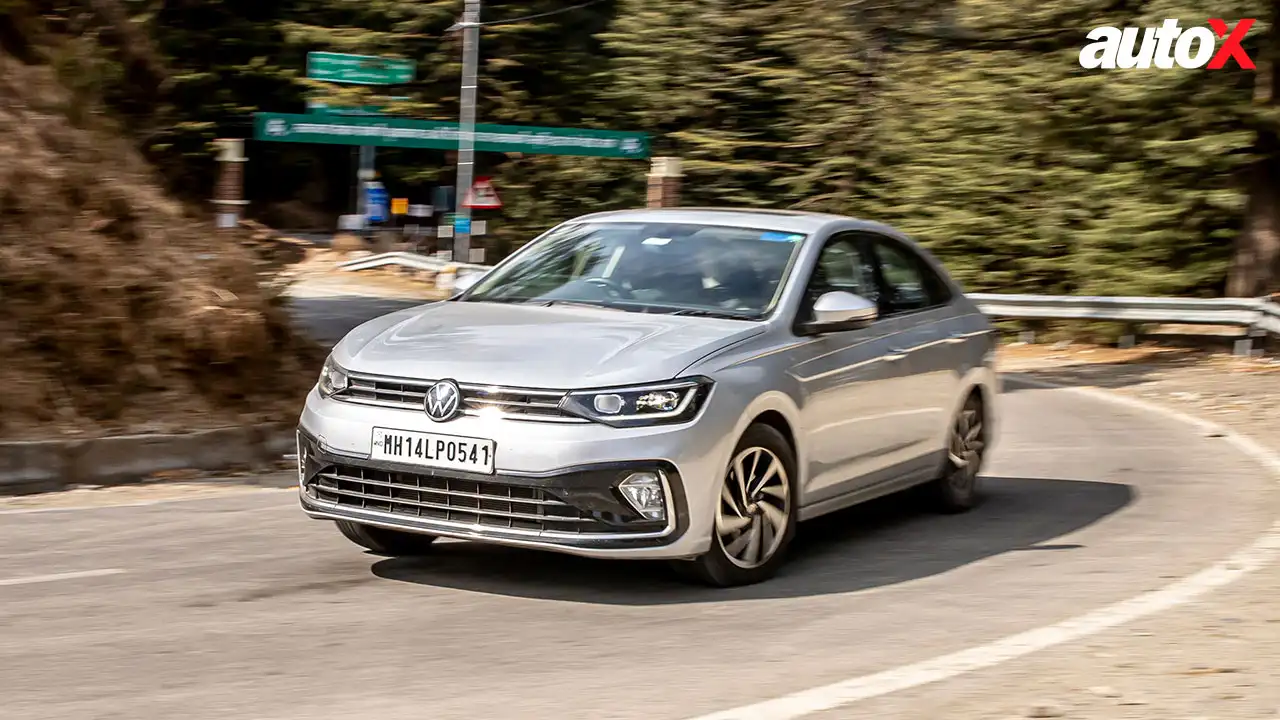
The TSI engine’s strong midrange torque makes corner exits smooth and confident, while the automatic gearbox ensures seamless power delivery. There is a reassuring sense of grip, balance, and control. On well-paved mountain roads, the Virtus simply feels in its element.
Volkswagen Virtus: A Perfect Sedan for Weekend Getaways
From the quiet dawn departure and effortless highway cruising to the sweeping bends near Dehradun and the winding climb towards Tehri, the Virtus makes the entire journey feel engaging. And that might be the biggest takeaway from this drive. You do not always need an SUV to enjoy the hills.
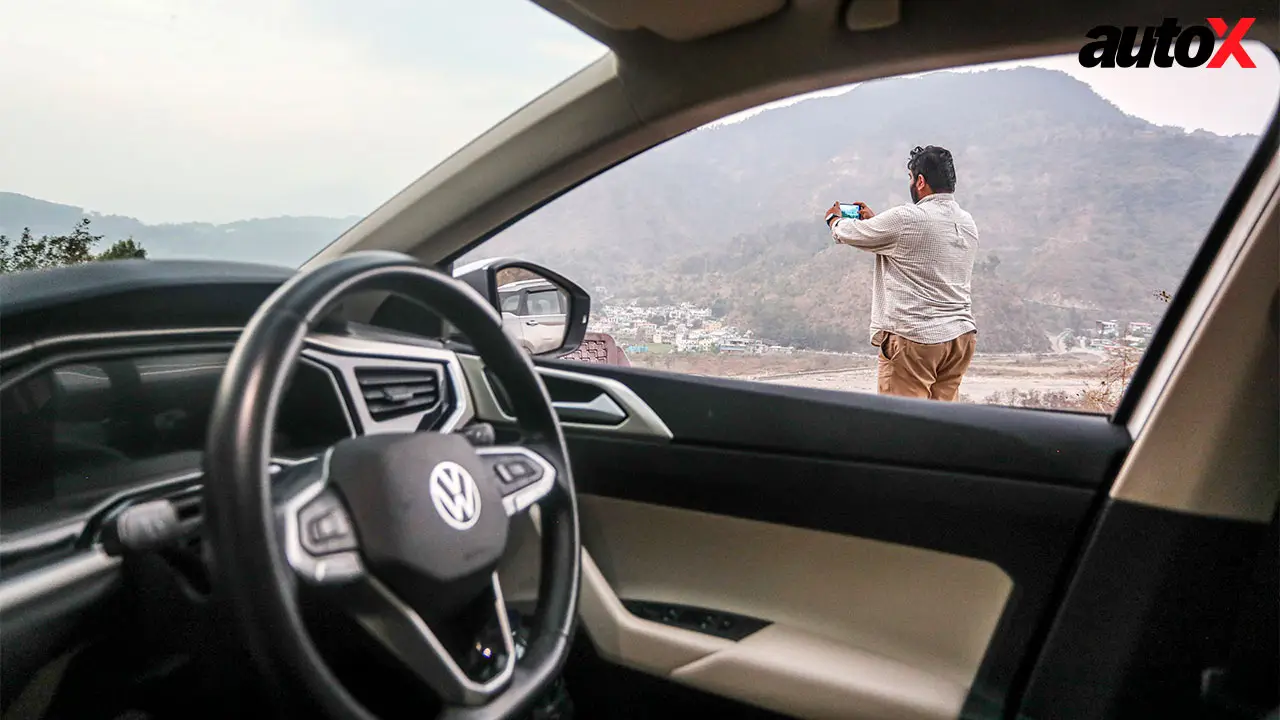
After a weekend like this, one thing becomes clear. Good times do not depend on height or hype. Sometimes, it simply begins with a well-engineered sedan and an open road.