Inside VW’s Plans for GTI, Virtus & EV Growth – Nitin Kohli, Volkswagen India
It’s great to finally have the iconic GTI nameplate in India. But, for someone who wants one today – with allocations already sold out – what should they do?
By Team autoX


It’s great to finally have the iconic GTI nameplate in India. But, for someone who wants one today – with allocations already sold out – what should they do?
I’m really glad we could bring the car to the Indian market this year. We received a limited allocation, and it was a runaway success – selling out even before they arrived. We are working on securing allocations for next year. I’m also happy that Indian customers – among millions globally, 37 million to be precise – are now joining the Golf GTI family.
The GTI badge has a cult following. But beyond that, does a halo model like the Golf GTI have a wider impact on the rest of the Volkswagen range in India?
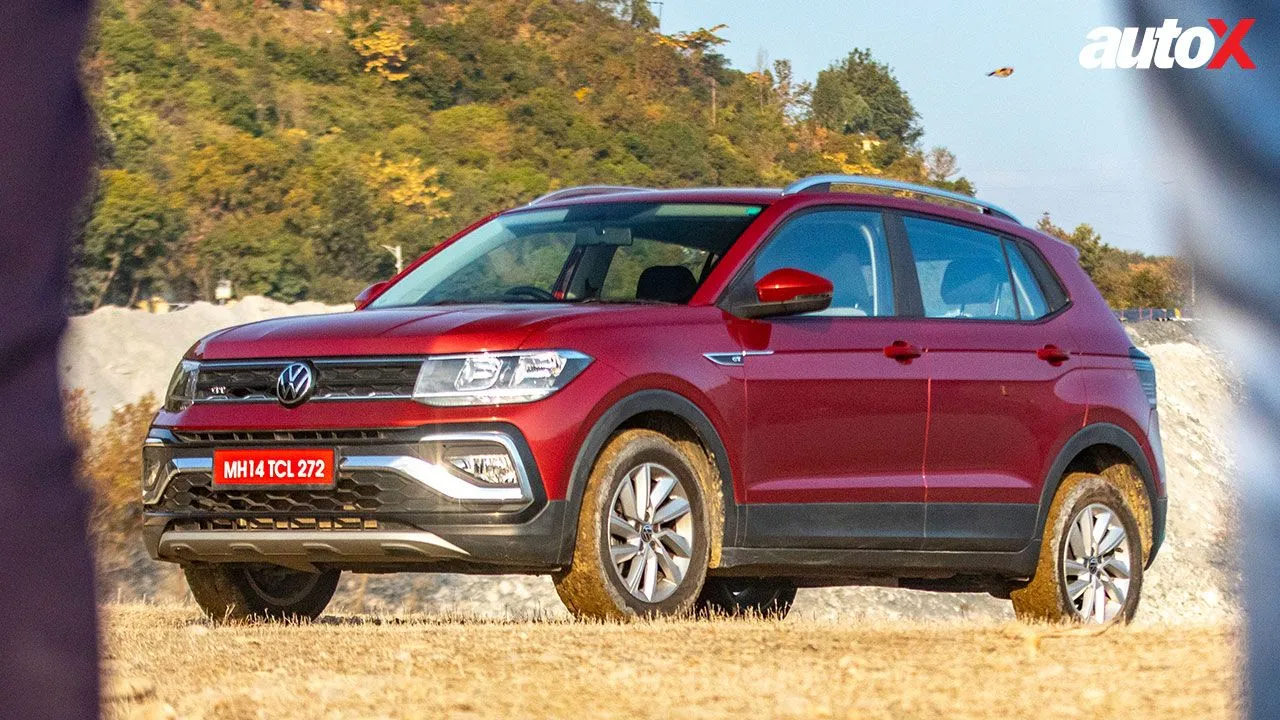
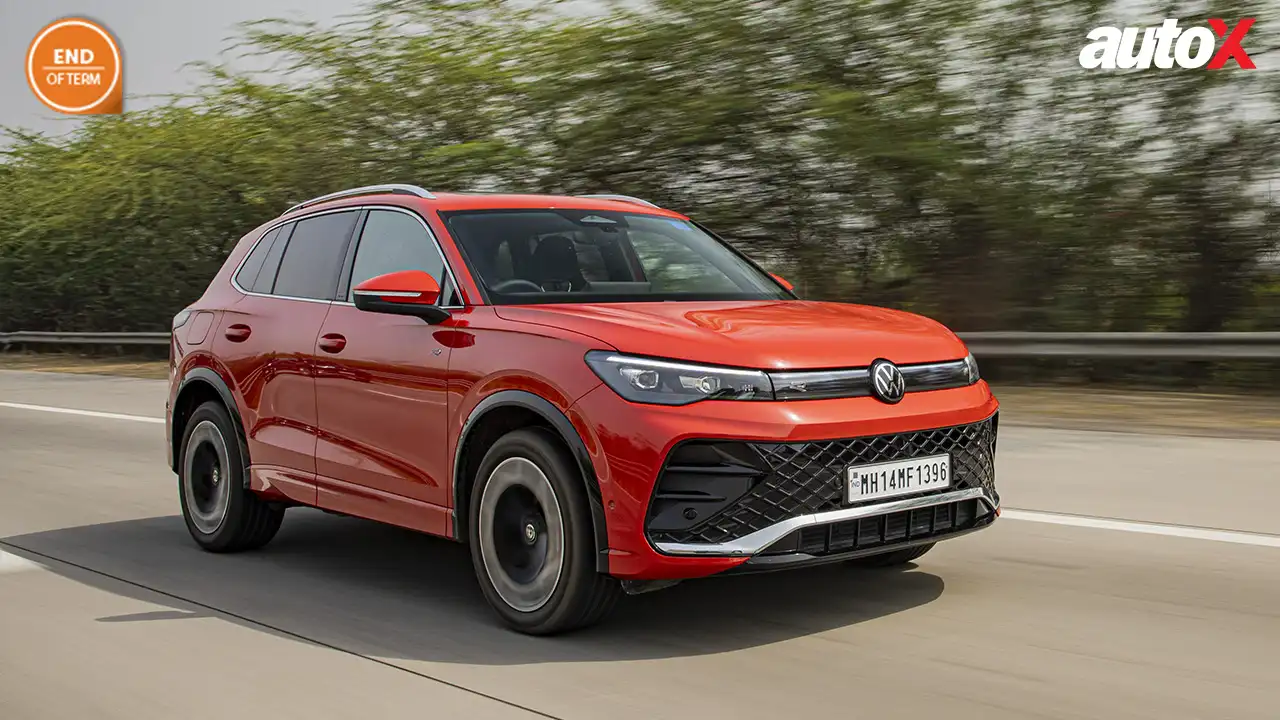
Absolutely! Volkswagen’s positioning is ‘aspirational premium,’ and models like the Golf GTI and the Tiguan R-Line reinforce that. Their presence has a positive rub-off across the portfolio, including the Taigun and Virtus. Most of the cars we sell are top-of-the-line variants – GT Line and GT Plus – so the halo definitely helps, and we will continue to build toward that positioning.
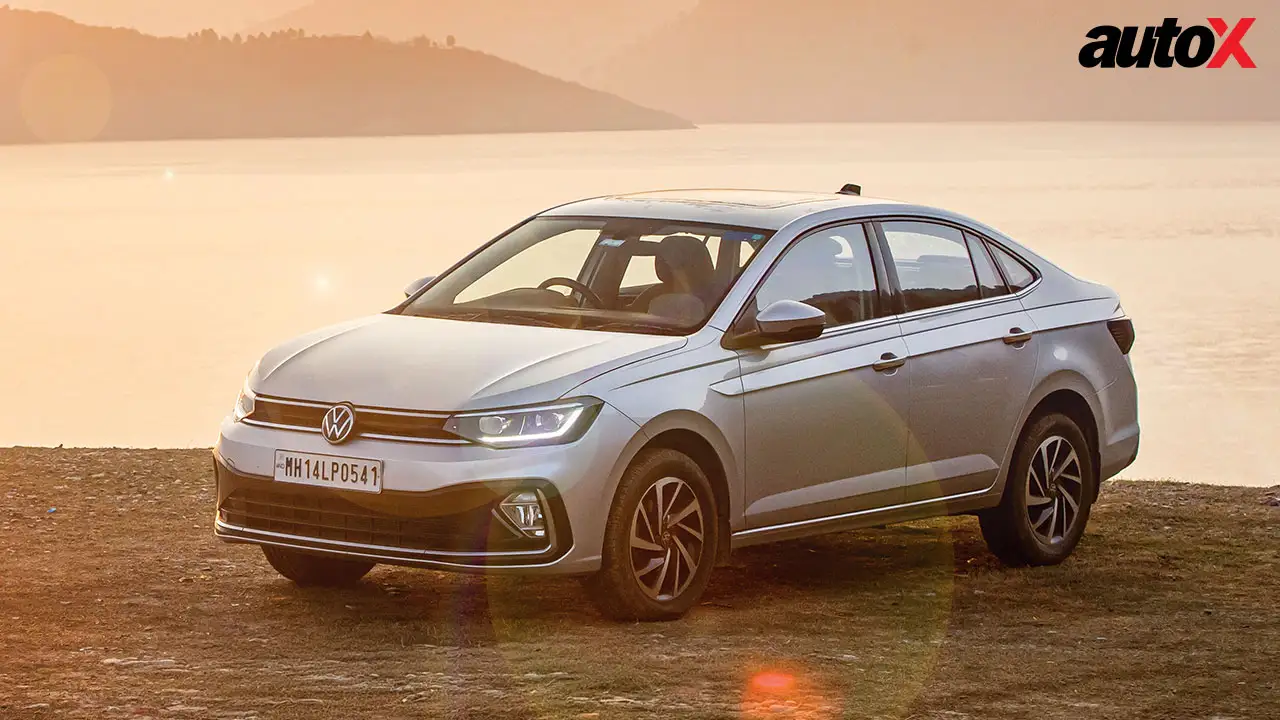
The Virtus is the leading sedan in India. But in a world dominated by SUVs, what does the future look like for sedans?
The Virtus is doing very well, with a market share of almost 40%. SUVs take the larger share of the overall market, but there is still a discerning sedan customer who values driving dynamics, elegance, and the body style itself. The sedan segment may be shrinking, but it isn’t disappearing – there are buyers waiting for new offerings.
With the GST 2.0 reforms, the share of EVs has dipped in the short term due to benefits for ICE vehicles. What needs to happen for India’s EV push to continue?
GST 2.0 is a strong initiative. The reforms have made the buying process simpler, and the price repositioning has already created visible positive momentum across segments. EVs continue to enjoy 5% GST, and their share has grown exponentially over the last four years. The future is undoubtedly electric. Strengthening the overall ecosystem – charging infrastructure and reducing range anxiety – is key. Authorities, OEMs and the broader ecosystem are working to build customer confidence.
It’s very difficult to be an automaker right now because EV adoption hasn’t matched expectations. What is the medium- to long-term future of EVs globally?
Globally, especially in developed markets, the pace of EV growth is significant and will eventually overtake ICE. In India, EVs account for around 4.5-5% of the industry – a small number, but the growth trend is strong. Investments are aligned with long-term policy frameworks, and most companies plan five to ten years. By 2030, the forecast is around 18-20% EV penetration. That’s the future we are all preparing for.
It’s a volatile time globally. Porsche, part of the VW Group, recently reported a loss for the first time, and VW has spoken about restricted cash flow. What does that mean for Volkswagen India?
India remains a very important market for Volkswagen. With the industry at around 4.2-4.3 million units this year, India has consistently shown its potential. Growth across multiple segments – sub-4m, A0, hatchbacks and SUVs – makes it a very promising market. Plans for the next five years and beyond are clear – keep pace with India’s growth and launch cars that reflect customer feedback and demand.
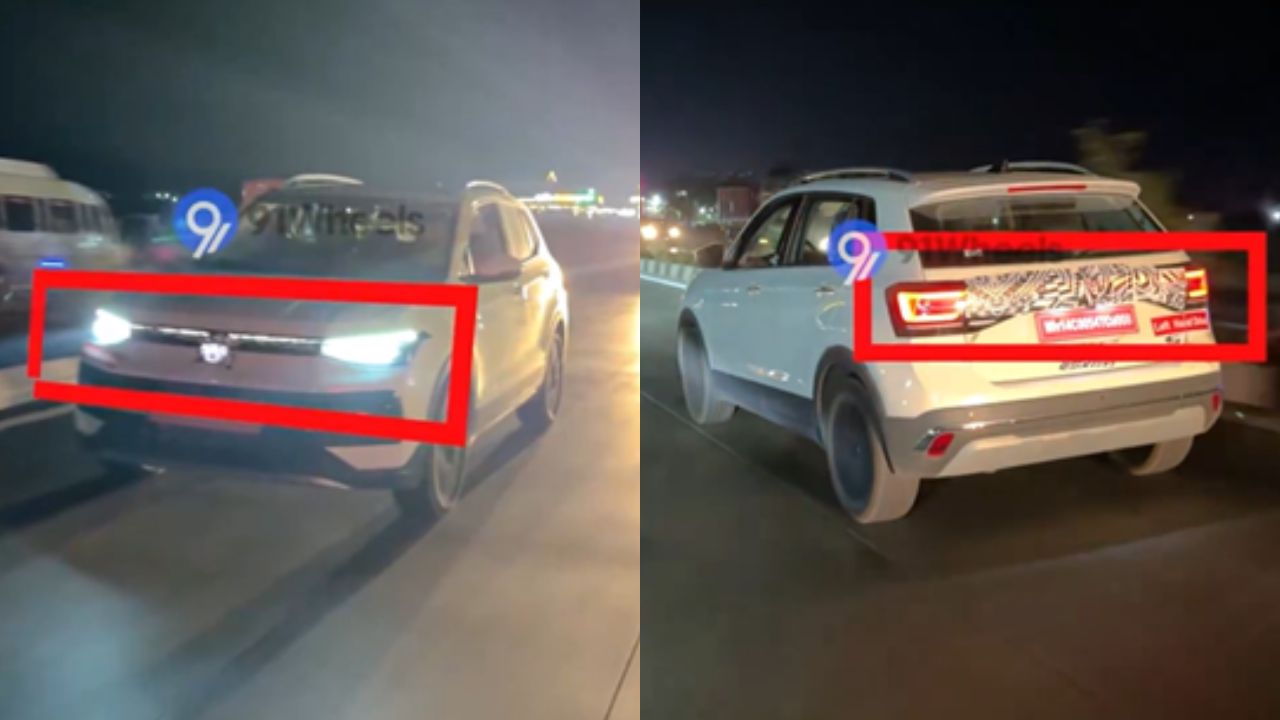
And the Tayron fits into that strategy. Can we expect it soon?
I’ll leave that as a surprise. Yes, the Tayron fits the premium positioning, and when the time is right, you’ll hear from us.