Panigale V4 S Buyers, GST Woes & Ducati’s 2026 Plan – Bipul Chandra, Ducati India
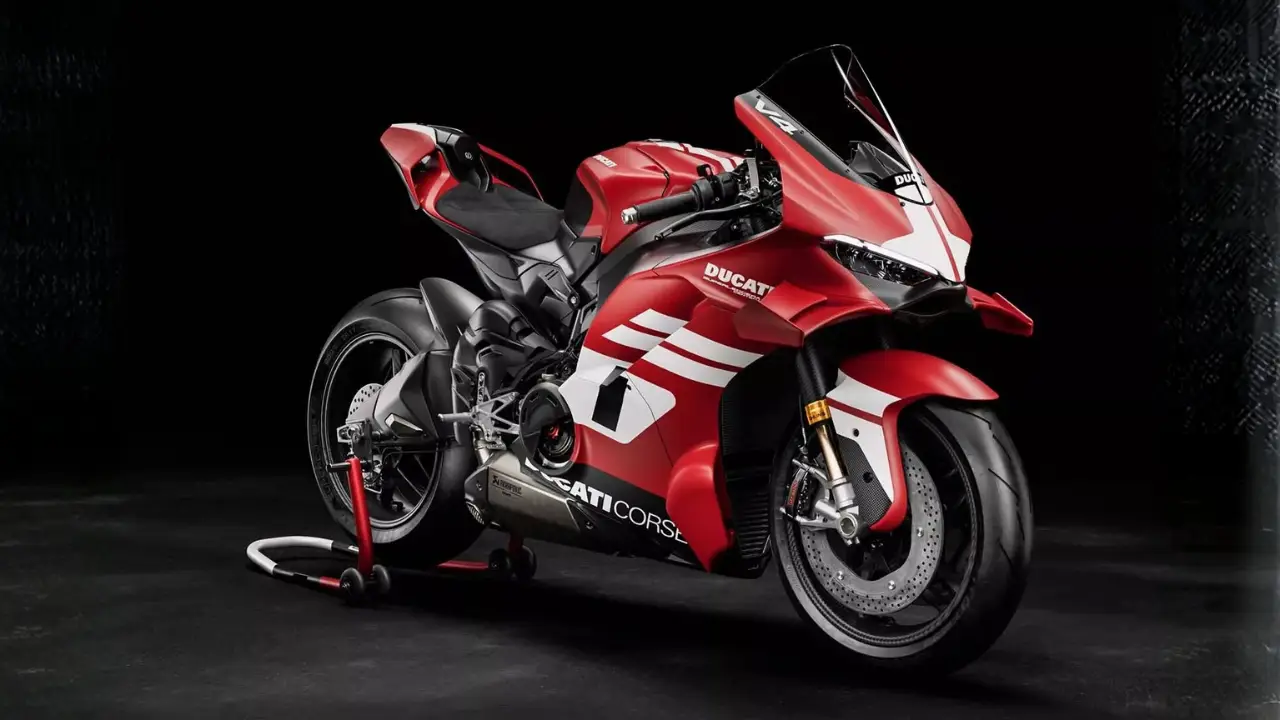
The new Panigale V4 S is fantastic, but it’s also become eye-wateringly expensive. So, what sort of clients take home a machine like this?
By Team autoX


The new Panigale V4 S is fantastic, but it’s also become eye-wateringly expensive. So, what sort of clients take home a machine like this?
Well, I wouldn’t say it’s just a machine – I would call it a piece of art! I’d also say it’s a bike for everyone, even if you’re not a pro. So, in terms of riding accessibility, it has become ‘affordable,’ but in terms of price, yes, that’s an entirely different business altogether.
Let’s talk about the revised GST regime. Both Sid Lal and Rajiv Bajaj said that it’s doing a disservice to the industry in India because it’s making us less competitive globally. How do you view this change in the GST structure?
I fully agree with the idea that increasing GST on motorcycles above 350cc was not a very pleasant move. See, there are two viewpoints. First – what I also subscribe to – is that it’s a disservice indeed, as my eminent industry colleagues have said. But, on the flip side, there is another view that people who can afford a Ducati can always pay 9% additional GST, albeit that’s not the right way to go about it either. Mr. Bajaj & Mr. Lal mentioned the market for bikes above 350cc is at 1-1.5%, but if we talk about bikes bigger than 500cc, it’s even lower. My understanding is that we sell not more than 6,000 bikes a year in that category – in a market that sells 12 million or more bikes annually! So, for such a small pie, probably giving that sort of support to us would have been far, far better. Had we come into the 18% bracket, probably the increase in volume would have offset the increase in tax collection under the current GST 2.0 regime.
What about E20 fuels? How does that affect your existing customers, and also your new bikes?
Anything that’s directed by the government, we follow it to the T, and I’m very happy to share that, today, all our bikes are E20 compliant. There are only one or two old models that are not E20 compliant yet, but we are already in the process of getting certification for them.
And what about existing customers? How should they deal with the E20 fuel on their old, non-compliant bikes?
Our only problem or limitation, you can say, lies with adulterated fuel, for which no manufacturer can do anything. So, if fuel adulteration is not there, you need not worry. Whether it’s E5, E10, or E20, Ducati India is always there to support its clients.
At the recent German Mobility Show in Munich, Ducati showcased a solid-state battery pack. So, is that the future? And how soon can we see a production bike based on that platform?
Ducati already has an e-bike. We’ve all seen it in the Moto E championship. The only difference that I can see from other manufacturers on the market is that we do not currently have an e-bike on sale as of now. But we’ll have something in future in the EV space very soon.
What do you have in store for 2026? What is your outlook for next year?
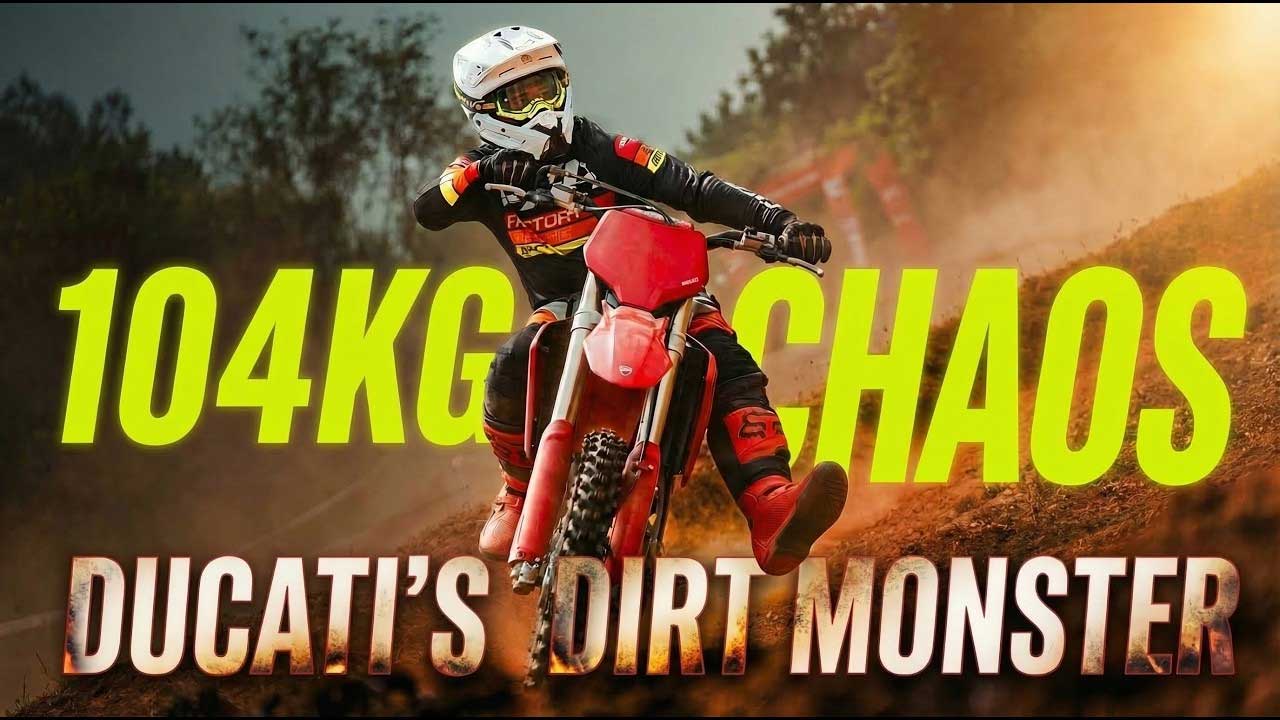
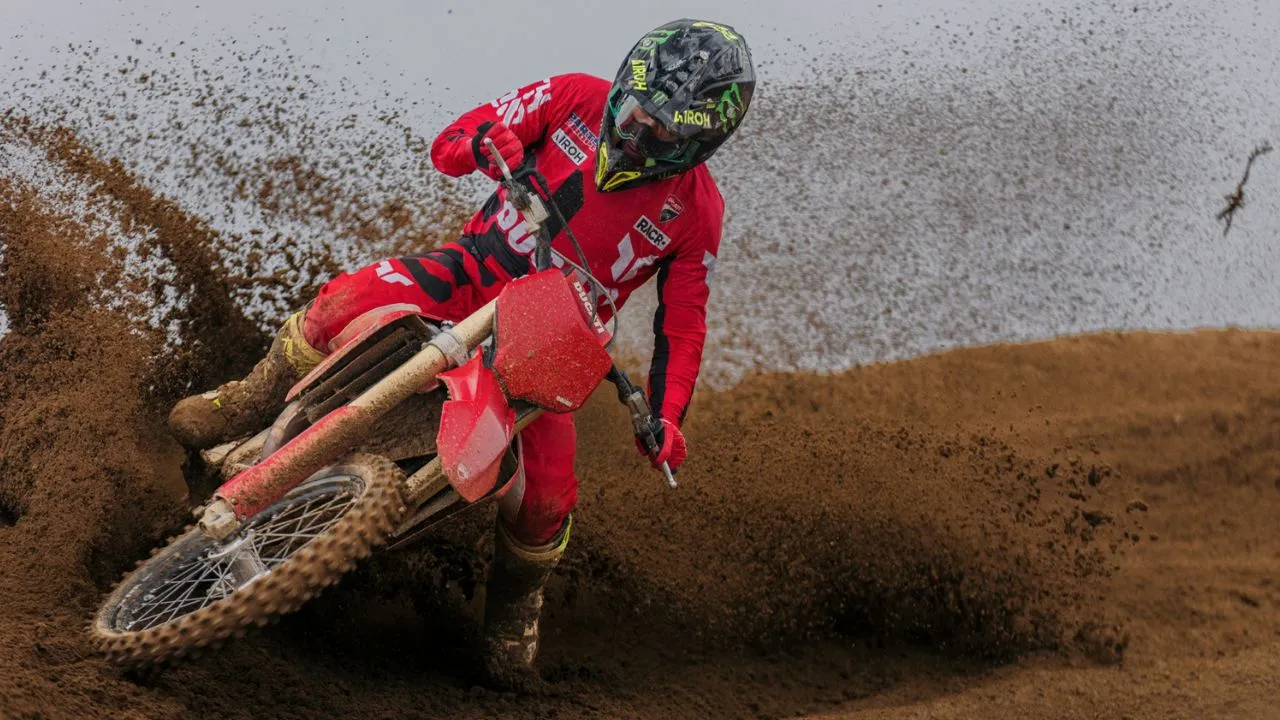
This year, the industry had certain disruptions, like E20 and revised GST, but by 2026, I’m sure the industry will move forward. So, I’m looking positively towards 2026. We again have lots of launches lined up for next year. But, in all fairness, I’m looking forward to the beginning of 2026 with a very, very different kind of bike from our stable. And that will be the MX 450, so that is the first time Ducati is venturing into this segment, and by the beginning of Q1, we hope to launch that bike in India as well.