Skoda Kylaq Success, RS Expansion and 2026 Product Plans: Ashish Gupta, Skoda Auto India
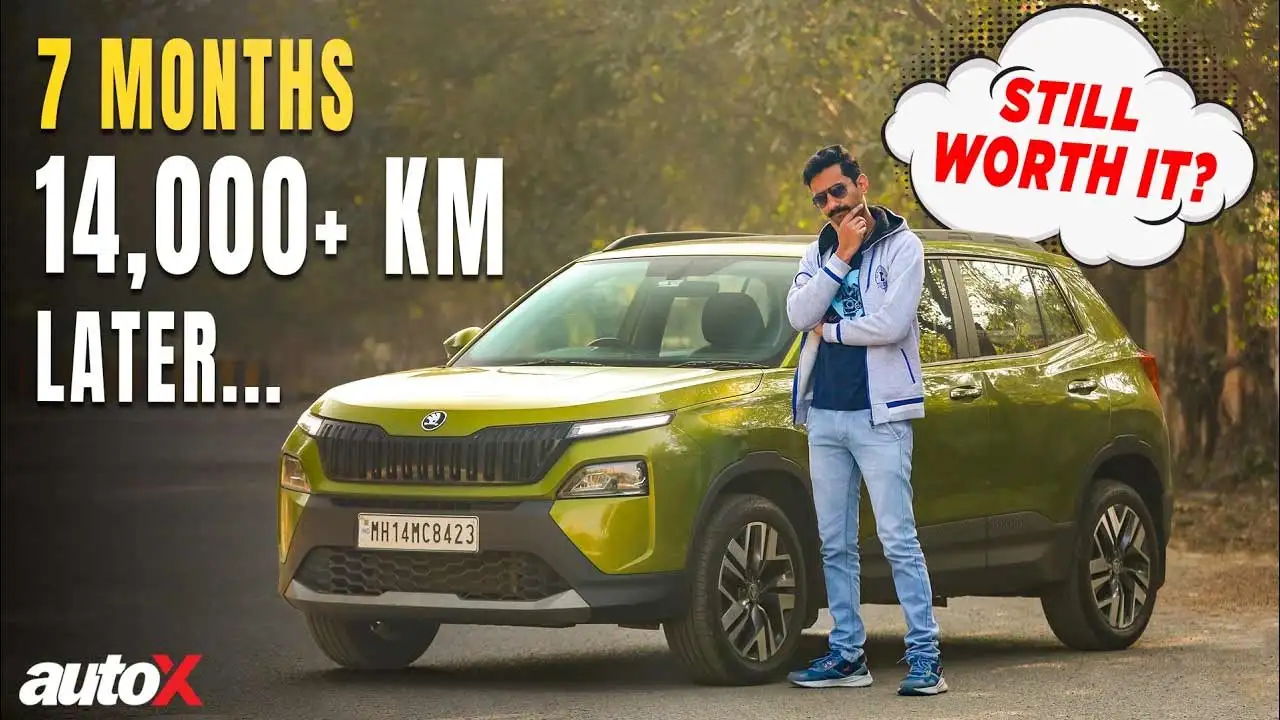
The Kylaq has been a strong success for Skoda India. What plans do you have for this sub-4m platform beyond the Kylaq? - The Kylaq has been a strong success for Skoda India. What plans do you have for this sub-4m platform beyond the Kylaq?
By Team autoX


The Kylaq has been a strong success for Skoda India. What plans do you have for this sub-4m platform beyond the Kylaq?
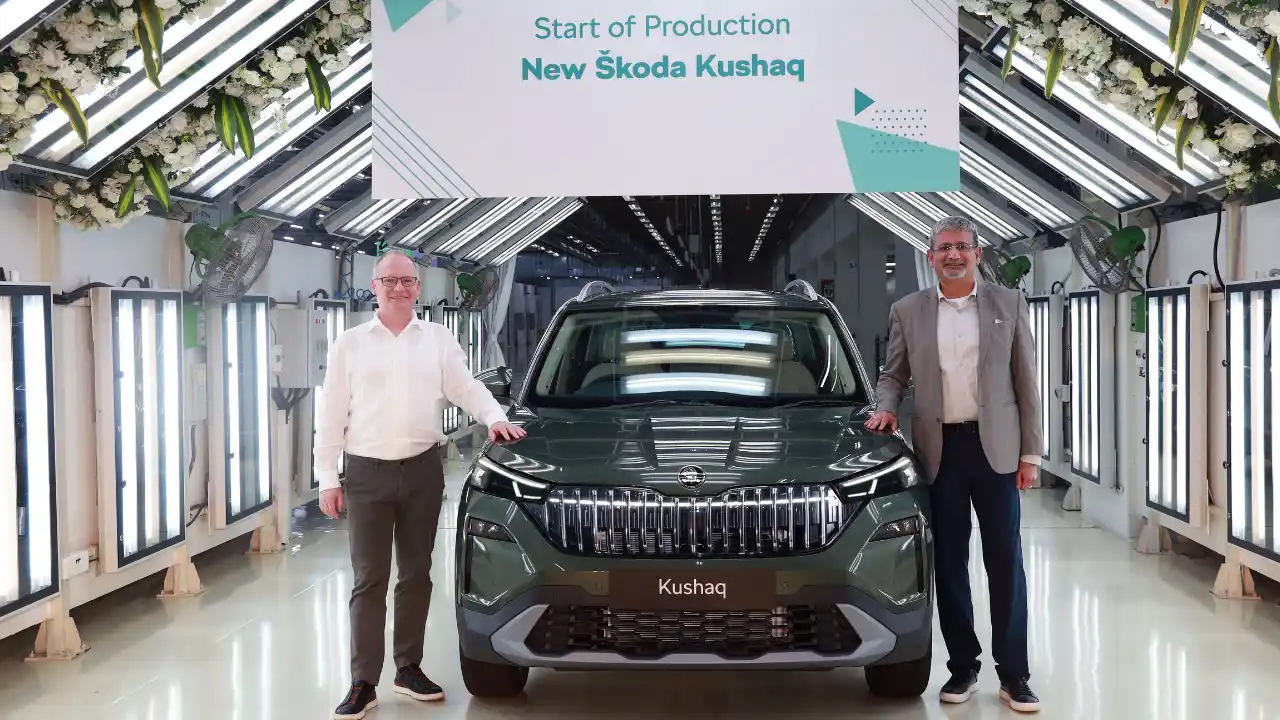
The Kylaq is still a new baby – just six months old – and we’re just enjoying its success right now. With this car, we’ve entered many new territories – and I think there’s still a lot of potential to unlock next year.
The recently launched Octavia RS has seen huge interest and strong sales. Does this demonstrate that the enthusiast community in India is now big enough to support more accessible performance cars in your portfolio?
Definitely! The number of enthusiasts today is far higher than a decade ago. But India never lacked enthusiasts. I remember attending my first Auto Expo in college and seeing a million people waiting to see cars. The passion has always been there. What has changed is that more people can now afford to indulge in that passion.
One of the reasons we brought the Octavia RS to India is because it shares its DNA with our mass-market products – the Slavia, Kushaq and Kylaq. They’re engineered by the same teams and share powertrains. So, in a sense, the exhilaration of the Octavia RS also exists in our other cars.
You were previously the Brand Director of Volkswagen India. What are the key differences and similarities between the two brands?
From a product portfolio perspective, Skoda currently has a more rounded lineup – from the Kylaq to the Kodiaq – though the platforms are similar. The bigger difference is in brand DNA, and whom each brand attracts. I’ve seen that Skoda customers are shaped by the premium legacy of cars like the Octavia and Superb – typically, they’re business owners or individuals further along in their economic journey. Volkswagen customers have historically been more corporate and professional.
There’s been talk for some time that Skoda will re-enter the diesel segment. Is there a timeline that you can share?
Diesel is always a topic of discussion. At the moment, there’s no clarity on when we might bring diesel back. But everything is always on the table. With the recent GST changes, diesel may start making more sense again. We’ll watch the trends to see if it’s economically viable, and, if so, why not?
Demand has seen a boost post GST 2.0. How long do you see this momentum lasting?
It’s only been a month, and the festive season was already expected to be big – but GST added another 10-15% on top of those sales. November is also looking stronger than a typical post-festive month. I believe this momentum will sustain. These GST changes are not short-term – they have the potential to fundamentally reshape the economy, especially for the auto industry because of the slab changes.
There were no additional GST benefits for EVs, and EVs have dipped as a share of total sales. Does the government need to do more for EVs?
From a taxation and policy point of view, EVs already have many benefits. The challenge now is building robust supply chains and scaling them in a cost-effective way, along with improving charging infrastructure – particularly outside metro cities. Once those strengthen, EV adoption will rise. EVs are undoubtedly the future, but the pace of adoption has slowed globally, not just in India. What we thought would be a 5-to-7-year transition may now take 10-to-15 years.
Lastly, what are your plans for next year?
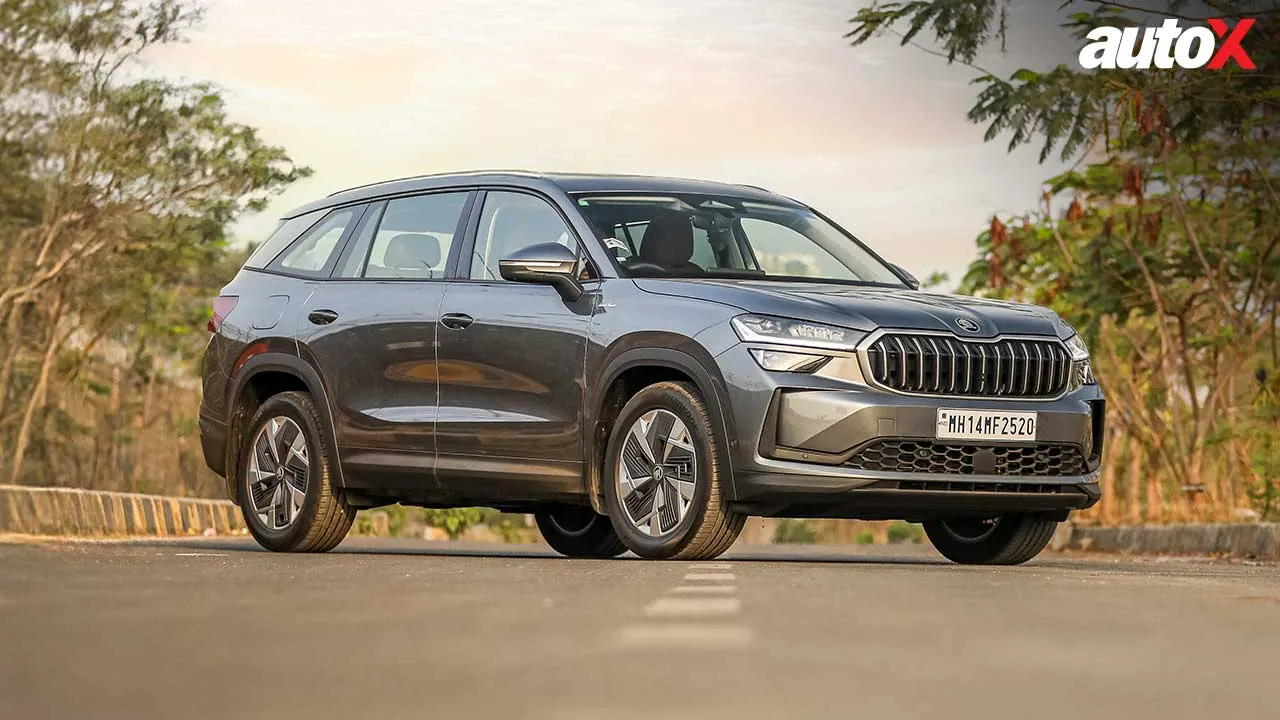
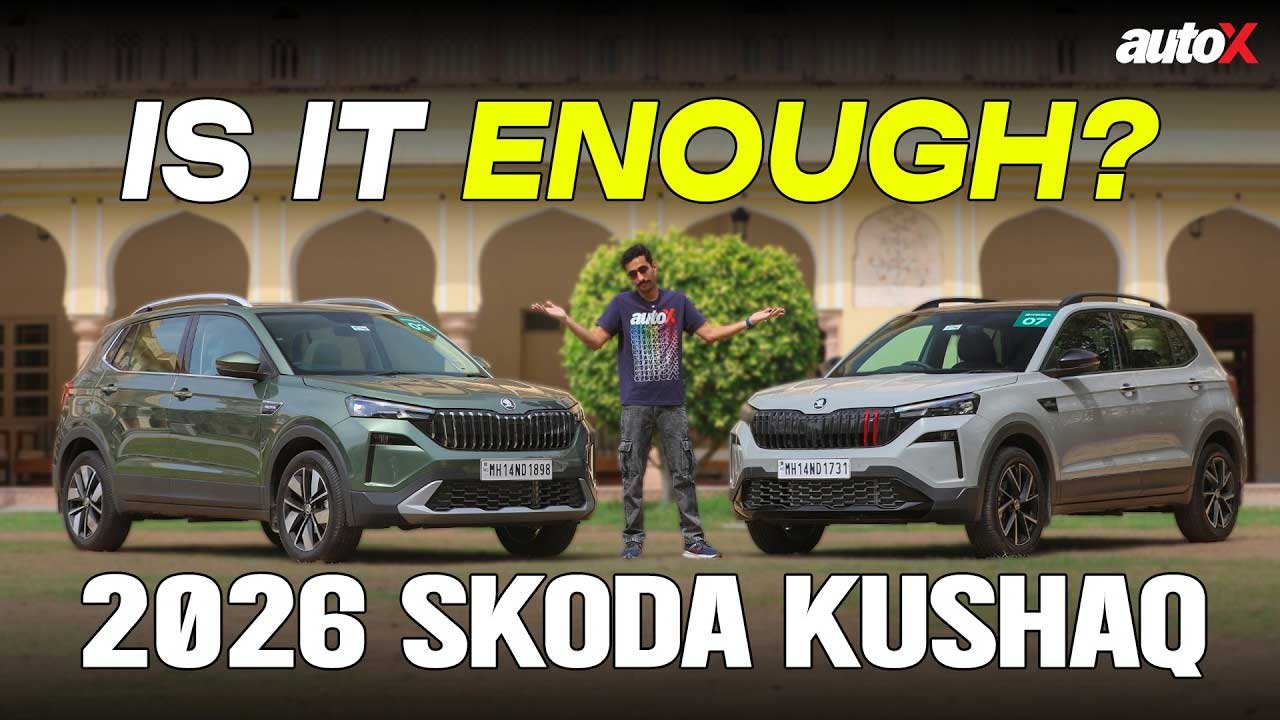
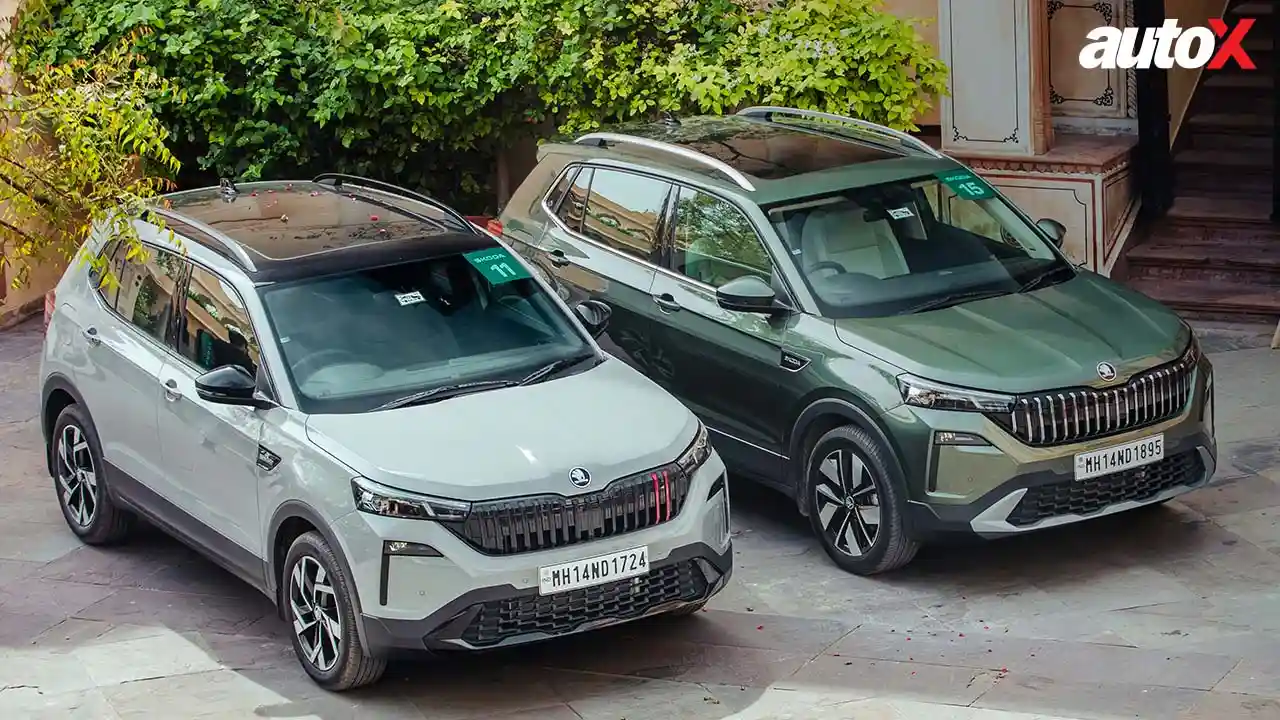
I expect the momentum to continue in 2026, though it’s too early to predict trends. From our side, there will be a lot of product action – the first full year of the Kylaq, and we will be looking at enhancing the range further. The Kushaq and Slavia facelifts are also in the works. I also want to expand the RS badge – the Octavia RS was just the beginning. And, yes, one of the topics you mentioned earlier might be part of that.
-1774949027373.webp "Skoda Peaq Electric SUV, Based on Vision 7S Concept, to Offer Over 600 km Range")