TVS Ntorq 150: Why Sporty Scooters Are the Next Big Growth Segment – Benoy Antony, TVS
The Ntorq 150 is a truly sporty scooter, from the way it looks to the way it sounds. Can you walk us through where it fits in the overall scooter segment?
By Team autoX


The Ntorq 150 is a truly sporty scooter, from the way it looks to the way it sounds. Can you walk us through where it fits in the overall scooter segment?
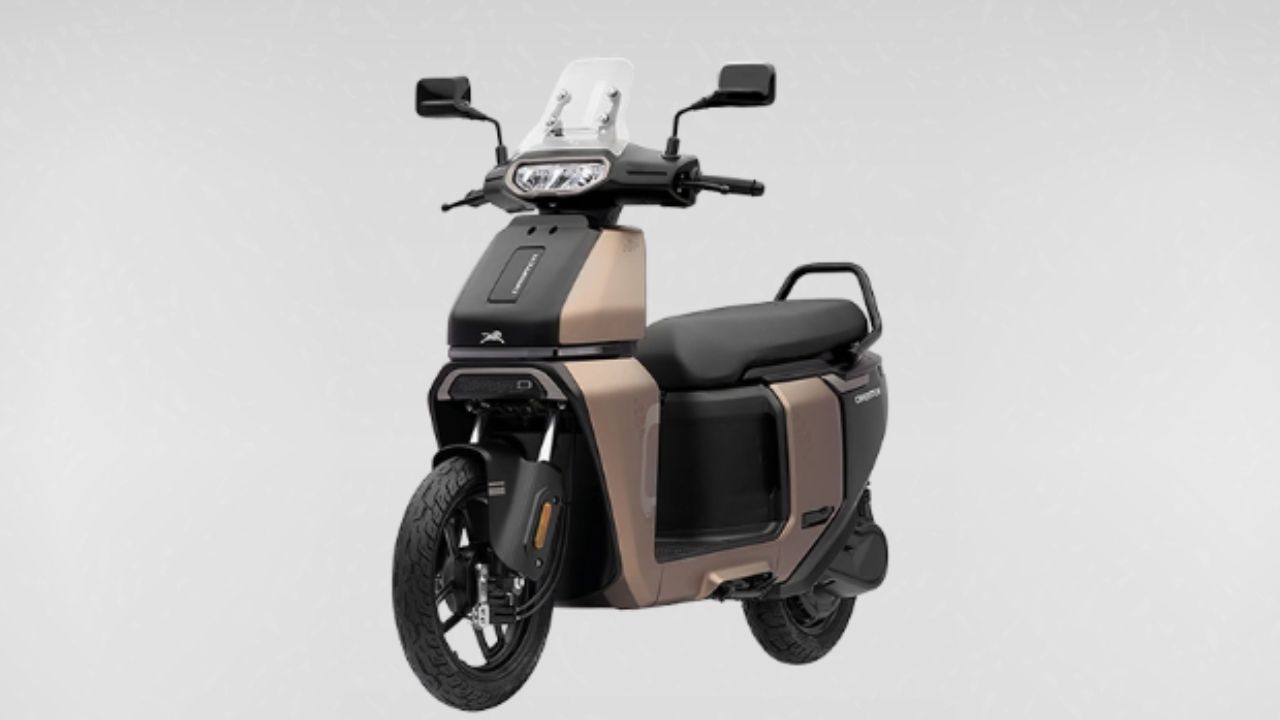
The scooter landscape has grown tremendously, and is now far more mature. Today, the industry totals about 5.7 lakh scooters, and is split into commuter and sporty segments. Within commuter scooters, you have the 110cc and the 125cc categories. The sporty scooter space, however, is still evolving. That’s where we introduced the Ntorq. We actually created, and now lead this segment. With over two million customers, the Ntorq has built strong loyalty. It stands on three key pillars — style, technology, and performance. These are elements largely absent from traditional commuter scooters. Bringing these attributes into the segment made the Ntorq a natural favourite. The new Ntorq 150 is essentially an extension of this philosophy, giving more riders the opportunity to experience a truly sporty ride.
How is this customer of Ntorq 150 different, not just from someone buying a commuter scooter, but also from a buyer in the entry-level motorcycle segment?
Customers in this segment want power, performance, style, and technology without compromising on convenience. That’s the sweet spot we identified. The target audience, mainly 18- to 30-year-olds, includes commuters looking to upgrade from basic ‘uncle’ scooters or bikes to something more performance-oriented.
Geographically, where are you seeing the strongest interest in the Ntorq 150?
The sporty scooters account for about 17% of the market, and demand traditionally comes from the South, East, Northeast, and parts of Maharashtra. The Ntorq 125’s customer base also follows this pattern. These are mature users who’ve already experienced commuter bikes, and now want more performance without losing convenience. With the Ntorq 150, even though it’s early, just about two months since launch, we’re seeing traction from newer markets in the West and even the North, regions that haven’t historically responded favourably to sporty scooters.
What’s your view on the GST split between under-and over-350cc bikes, given that some say it impacts the industry, manufacturing, supply chain, and global competitiveness?
In the commuter space, the GST introduction has definitely helped. Over the past couple of months, demand for vehicles has increased significantly across the auto industry. Whether it’s two-wheelers or four-wheelers, we’ve seen record-breaking sales. It has made two-wheelers more affordable, and in doing so attracted more buyers.
Do you think the sporty scooter segment you’re pioneering has potential to grow significantly?
Absolutely. At just 17% of the scooter market – around 80,000-90,000 units – it’s still nascent. When we launched the Ntorq in 2018, there were only three or four players. Today, there are eight, with more expected. It’s becoming a fiercely competitive space, and future growth will come from identifying consumer sweet spots and addressing them accurately.
Finally, what’s your outlook for 2026?
As of now, it looks robust. Even post-festive season, demand remains strong, which is unusual. We’ll need to observe the next couple of months, but the signs are positive. I expect 2026 to be a good year.