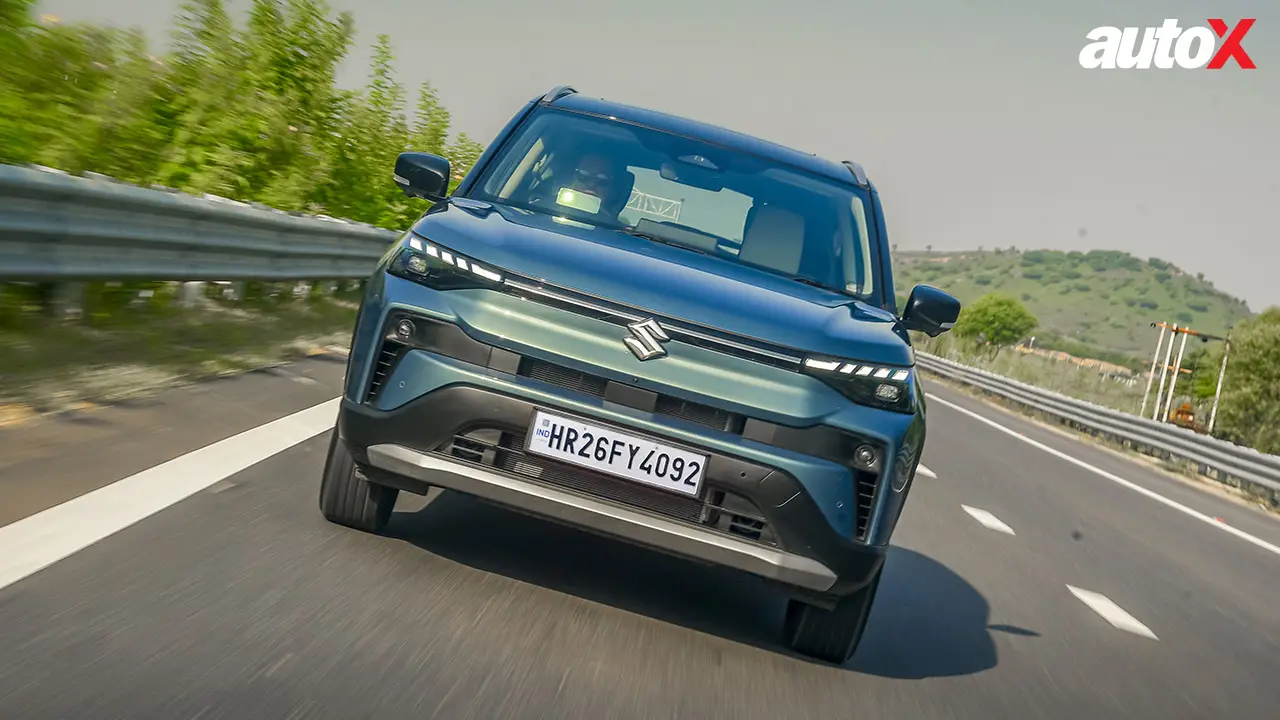
Maruti Suzuki Victoris Long Term Report: Month 1 - Fill It. Shut It. Forget It.
After 550km and not a single fuel stop, the Maruti Suzuki Victoris makes a strong case for why hybrid efficiency still defines Maruti’s dominance.
By Shivank Bhatt

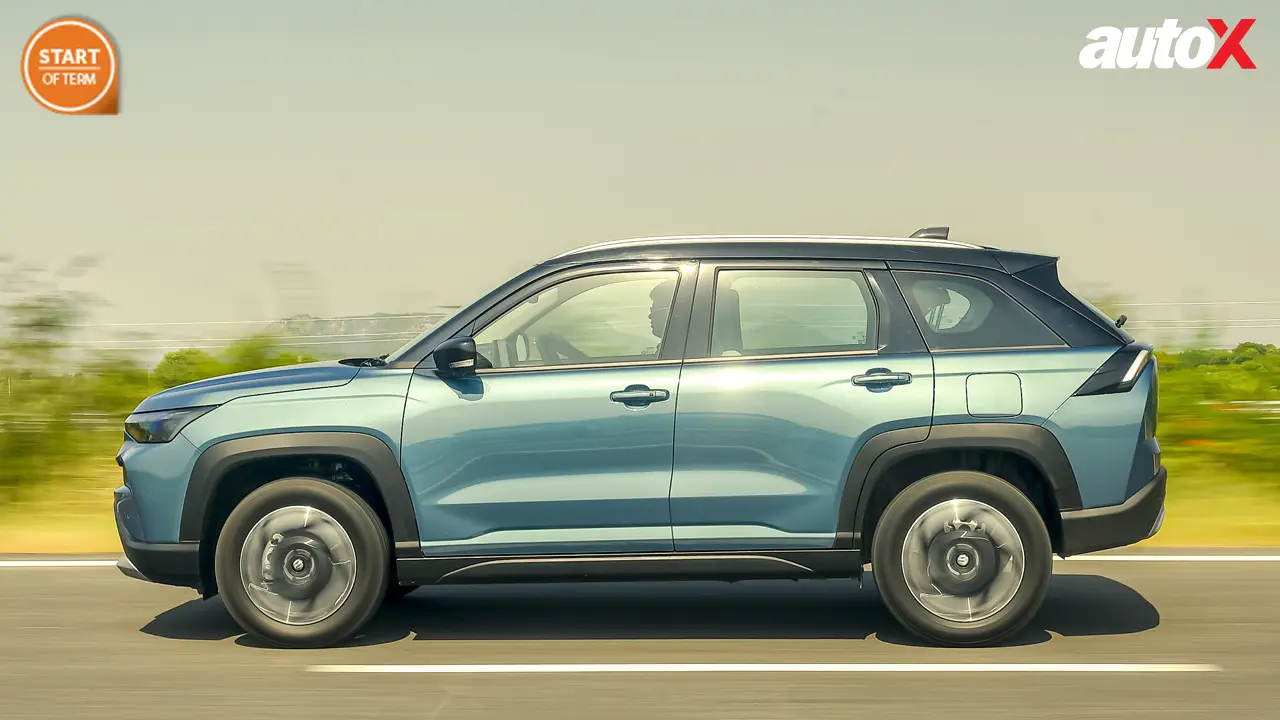
As car reviewers, we usually get enough seat time in new cars to form a conclusive opinion. And over time, you start recognising a pattern — no matter how glossy the brochure, no matter how all-new the model claims to be, manufacturers rarely stray from their core values. For example, VW & Skoda remain driver’s cars. Tata & Mahindra excel at design and tech. Hyundai & Kia are the dependable all-rounders. Honda & Toyota lean on legacy and reliability. And Maruti Suzuki? Well… spend a few days behind the wheel of any of their new cars, and you’ll instantly understand why they continue to dominate the market. Maruti is synonymous with fuel efficiency, and after all these years, nobody has managed to match them, let alone beat them.
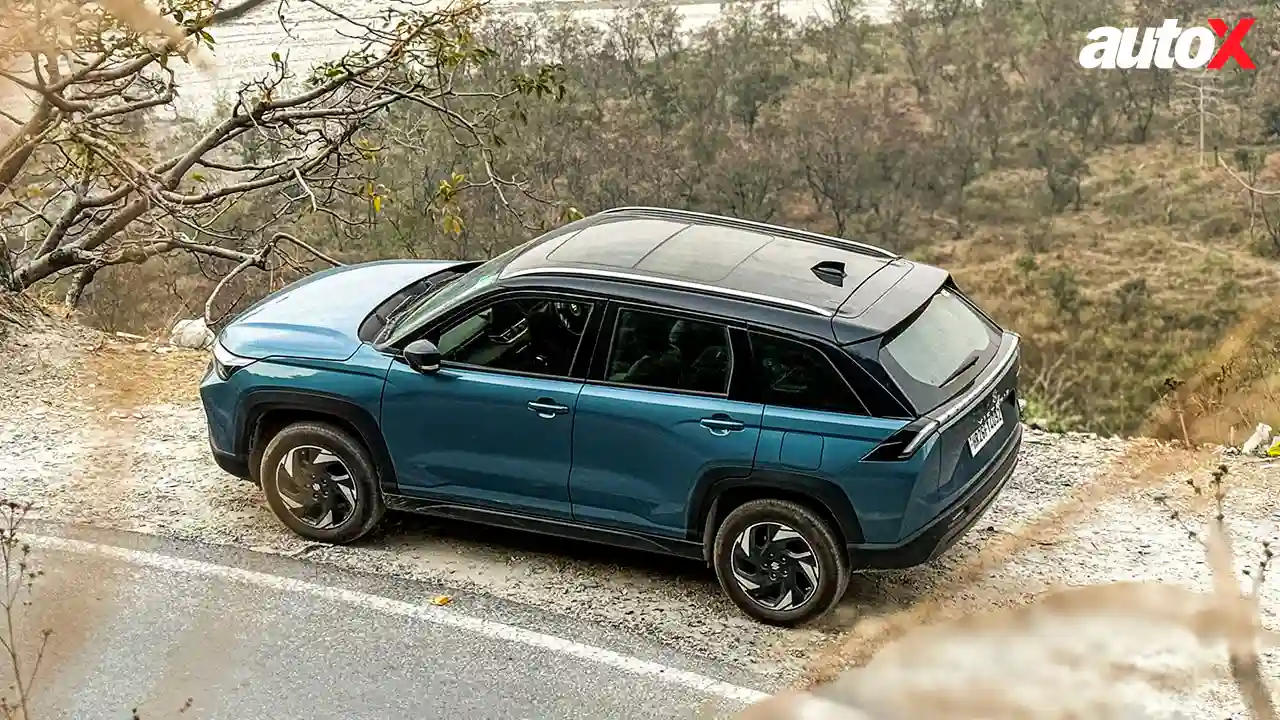
All of this hit me over the past three weeks while living with our latest long-term member — the Maruti Suzuki Victoris. We’re running the top-spec ZXI+ (O) strong-hybrid, and in this short time, I haven’t refuelled it even once. It arrived with a full 45-litre tank, I’ve already clocked around 550km, and the gauge still shows half a tank left — with an estimated 400km of range to go. The MID hovers around 21 km/l, and honestly, I have zero reason to doubt it.
Given that the Victoris shares its hybrid hardware with the Grand Vitara, its stellar efficiency isn’t a revelation. What is surprising is how much better the Victoris feels in every other area. It’s clear the engineers took all the (negative) feedback that the Grand Vitara received seriously, and fixed them in the Victoris. The plastics feel richer, the fit-and-finish is tighter, the cabin looks more upbeat, the sunroof blind is thicker, the infotainment is more intuitive, ADAS is finally here (although not in the version we’re testing), and safety has taken a big leap, as it has received full five-star ratings from both Global NCAP and Bharat NCAP.
Out on the road, the Victoris also feels more sorted than its NEXA cousin. The suspension is tauter, the ride more supple, and the steering is noticeably sharper. Maruti says the Victoris is aimed at Gen-Z buyers, and that’s easy to see in the overall vibe. But at its heart, it’s still a Maruti, meaning efficiency and reliability go hand in hand.
Of course, it isn’t perfect. The ride can feel a bit firm at low speeds, especially over larger bumps. And during cold starts, I’ve noticed a brief knocking sound from the electric motor right after setting off — only in the mornings, never otherwise. I also miss some ADAS features — it’s a shame the strong-hybrid variants don’t get it. But, overall, it has been smooth — and very pocket-friendly — sailing with the Victoris so far. Let’s see how things unfold in the coming months.
When it came: October 2025
Current odo reading: 742km
Mileage this month: 607km
Fuel efficiency: 21km/l
What’s good: Sufficiency, ride & handling
What’s not: Low-speed ride