Anthony Hamilton Announces New Hybrid V10 and V8 Racing Series
Anthony Hamilton reveals HybridV10, a new racing series using hybrid V8 and V10 engines, with hybrid systems supporting combustion power.
By Divyam Dubey

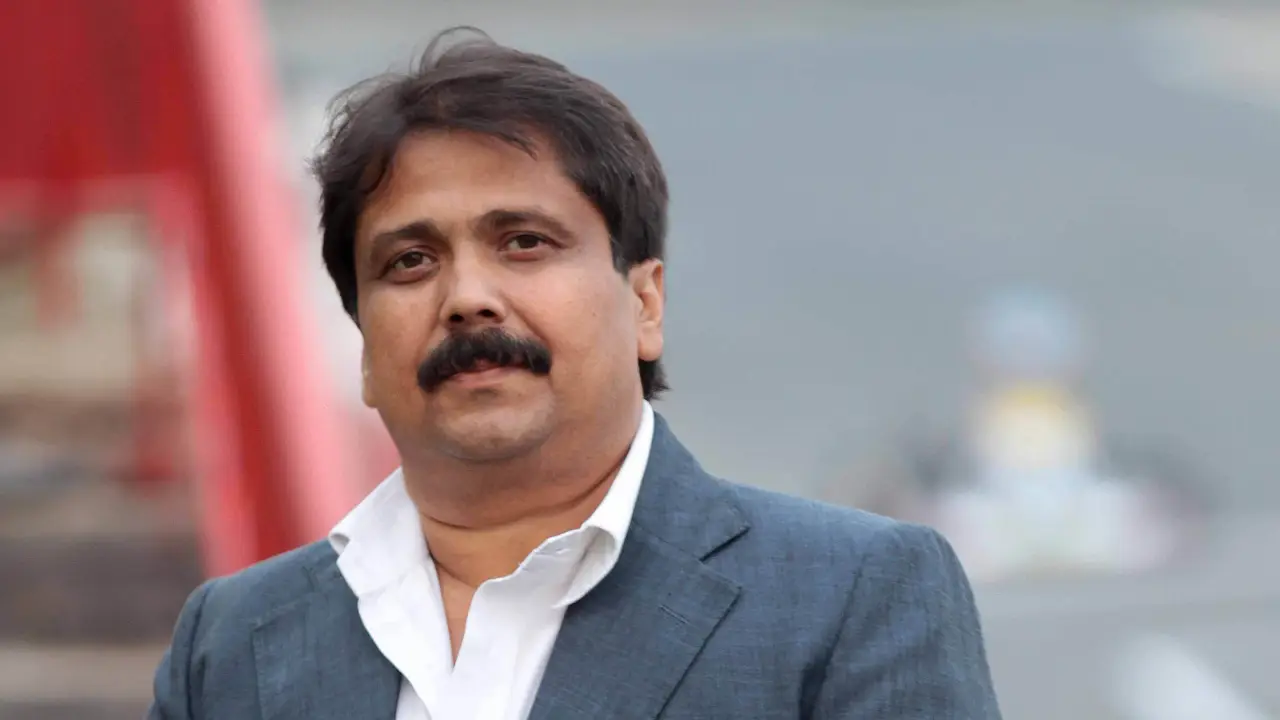
Anthony Hamilton, father of seven-time F1 champion Lewis Hamilton, has outlined plans for a racing series based on hybrid V8 and V10 engines. The idea moves away from formats and brings combustion engines into focus, supported by hybrid systems. The series sits outside Formula 1 and aims to control costs through shared parts and fixed rules. Talks continue with engine partners, teams and promoters. The project targets fans who miss multi-cylinder engines and accept efficiency goals and budget limits. It also seeks support from circuits, officials, suppliers, broadcasters and sponsors across regions. Plans include testing phases before any race calendar release announcement.
Also Read: Audi Revolut F1 Team Test-fires Car Ahead of 2026 Season Debut
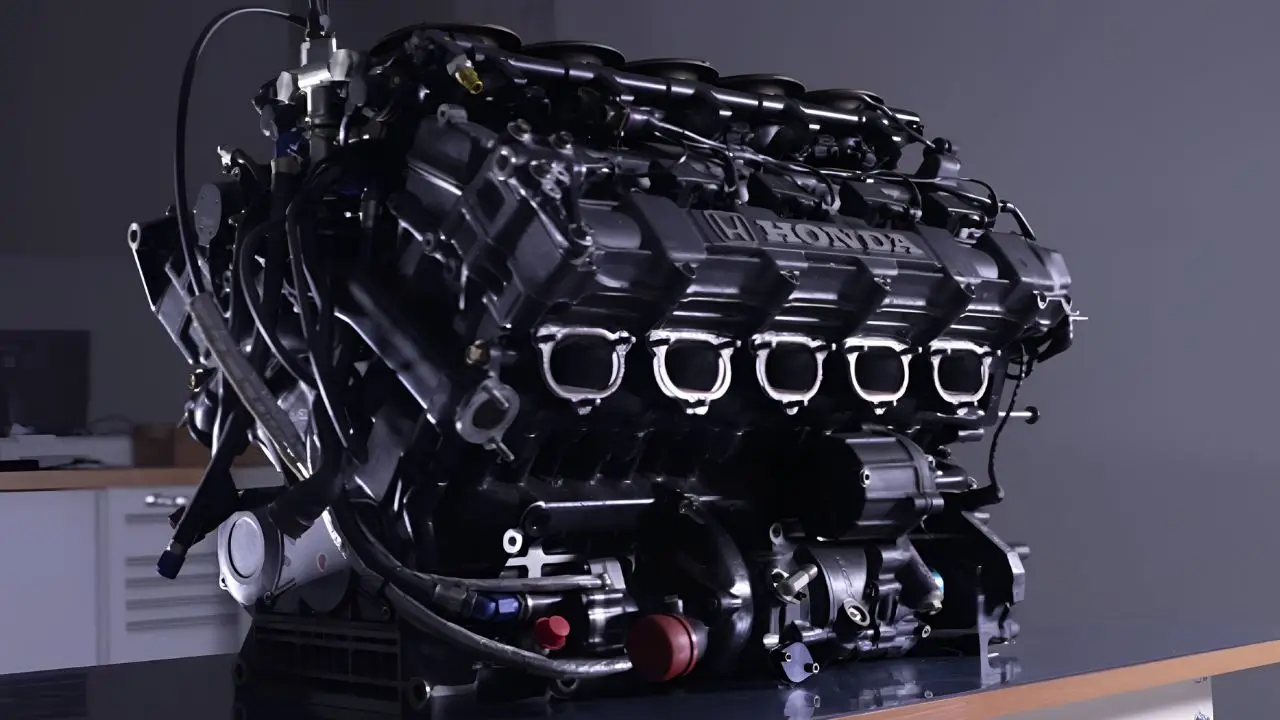
The proposed championship will focus on V8 and V10 engines working with hybrid units. The plan leans towards controlled regulations to avoid cost growth and close performance gaps. The return of V8 and V10 engines will strike a chord with racing fans and drivers, bringing back memories for those who followed the V8 and V10 era of circuit racing.
Hybrid technology will sit alongside combustion power rather than replace it. The goal is to balance fuel use, energy recovery and race performance. This approach aims to keep racing relevant to road car trends while still giving fans engines that feel central to the action on track.
Driver pathways form part of the wider idea. The series could give chances to drivers looking for seats between categories or after junior racing. It is not designed to challenge Formula 1, but to exist alongside it as another place to race, learn and stay visible.
Also Read: Toyota Unveils Updated WEC Hypercar for 2026 as Part of Team Revamp
Anthony Hamilton’s work in driver management has shaped the project. His experience with young drivers and team structures has highlighted budget pressure and limited seats. With the concept now public, the next steps will focus on technical partners, regulations and a clear plan before any launch timeline is shared.