F1 2026 Engine Drama: FIA Moves to Close Mercedes’ Compression Trick
F1 2026 engine rules spark drama as FIA moves to close Mercedes compression loophole after rivals raise concerns over a design that could deliver extra performance on track.
By Divyam Dubey

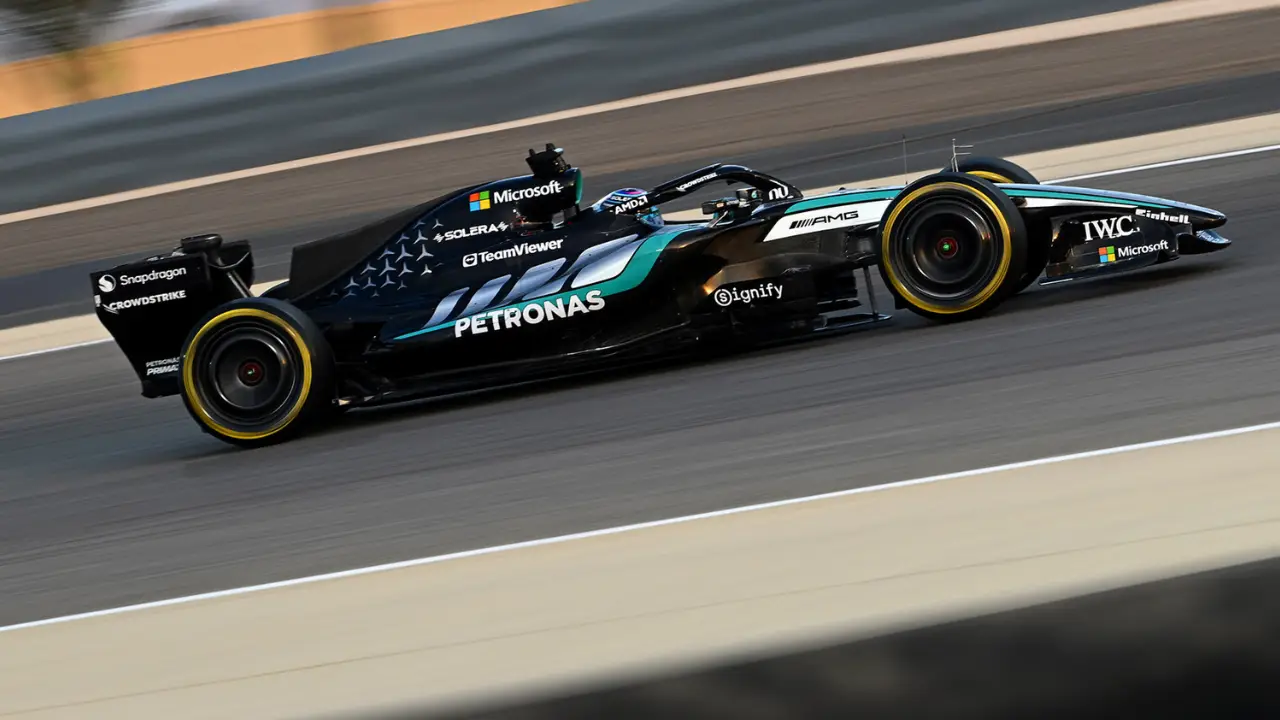
The F1 2026 engine rules are already under the spotlight, and this time the focus is firmly on a potential Mercedes engine compression loophole. Word in the paddock is that the FIA is stepping in after rival manufacturers questioned a clever interpretation of the new Power Unit (PU) regulations. With Formula 1 moving to a fresh hybrid era in 2026 featuring a 50/50 split between internal combustion and electric power, even a marginal power gain could be a season-decider.
Also Read: F1: Mercedes Edges McLaren as Russell Tops Day 1 of Second Bahrain Test
This is precisely why teams like Ferrari, Audi, Honda and Red Bull Powertrains are pushing for regulatory clarity now rather than later.
F1 2026 Engine: The Loophole
The core of the dispute revolves around the new F1 technical regulations regarding compression ratio limits. For the 2026 season, the FIA has mandated a drop in the maximum ratio from 18:1 to 16:1. Under current wording, the engine must meet this limit when measured at ambient temperature. However, reports suggest Mercedes High Performance Powertrains (HPP) may have designed components that expand significantly once the engine reaches an operating temperature of around 130°C.
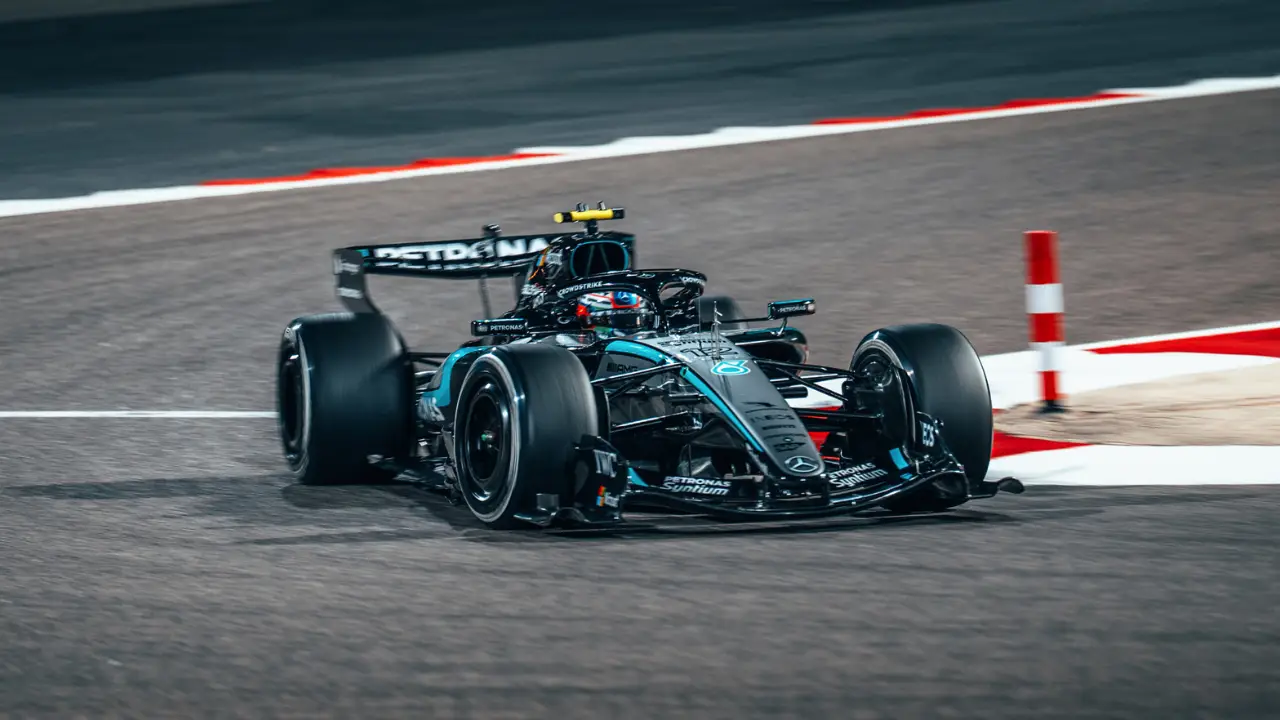
Once the engine is hot and running at full tilt, this thermal expansion could cause the compression ratio to rise, effectively recovering lost performance. In a sport defined by tiny margins, that is more than enough to make rivals nervous about a potential Mercedes engine advantage.
The FIA has already convened urgent meetings with F1 engine suppliers to address these concerns. While Mercedes maintains that its design follows the letter of the law, other manufacturers argue the 'spirit' of the 2026 F1 rules is at risk. History has shown that early advantages in a new engine era, much like the original 2014 hybrid shift, can set the competitive hierarchy for years to come.
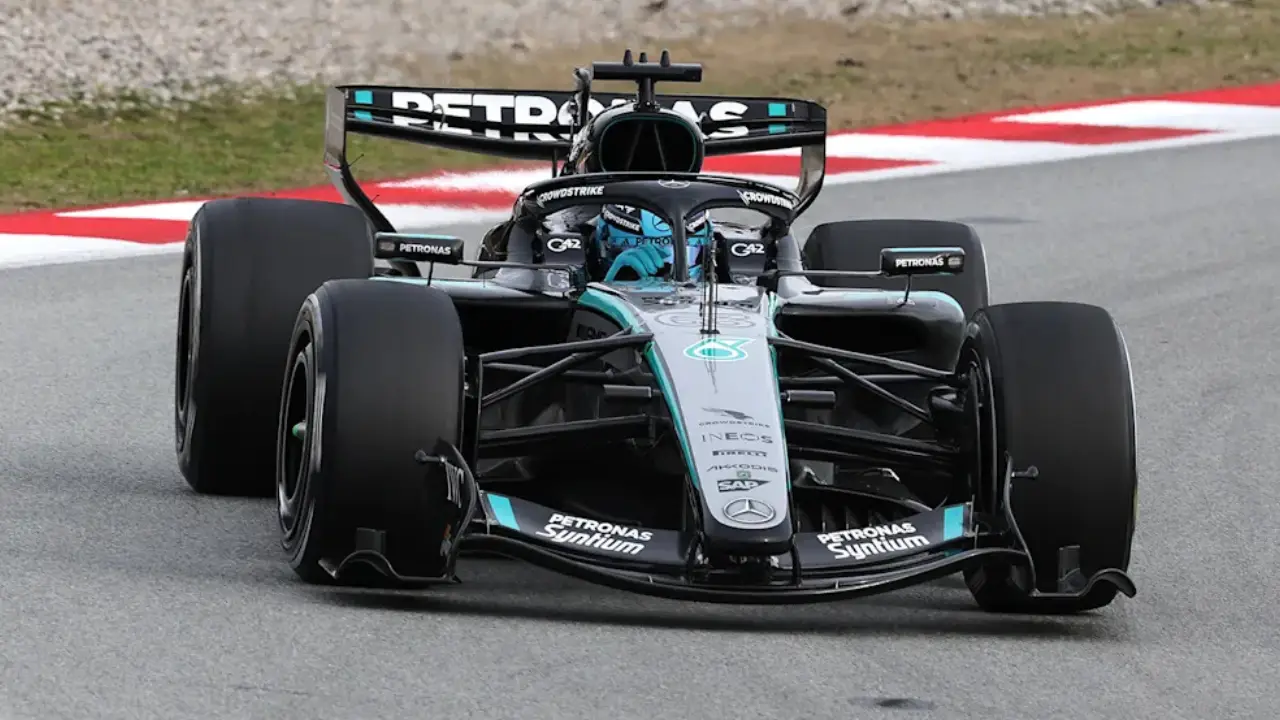
To mitigate the tension, the governing body is considering a new compliance check for engine scrutineering in August. Under the proposed update, engines may be required to prove they remain within the 16:1 compression limit at both cold and peak operating temperatures. This would effectively neutralise the 'thermal expansion trick' without requiring a total architectural redesign just months before the 2026 F1 season begins.
F1: Impact on the 2026 Season
A final ruling from the FIA is expected shortly, and it will undoubtedly shape the competitive landscape. Some teams are lobbying for the loophole to be closed immediately to prevent a 'development arms race,' while others are open to a transition period.
Regardless of the outcome, the F1 engine battle is heating up. Long before the lights go out at the first race of the 2026 season, the fight for technical supremacy is already in full swing.