F1 2026 Rules Explained: DRS Out, Overtake Mode In for Next Season
F1’s 2026 rules drop DRS and bring driver-controlled overtake modes, smaller cars, active aerodynamics and new hybrid power, changing how races are fought and followed.
By Divyam Dubey


F1 is changing its rulebook for 2026, and this time the focus is less on hidden systems and more on what the driver actually does in the car. The new rules aim to explain racing in a way that fans can follow without a degree in engineering. Instead of hearing about complex hybrid settings or aerodynamic tricks, viewers will see drivers switching between overtake, boost and recharge modes during a race. The idea is simple: when a move happens on track, fans should know why it happened. Alongside this shift in language, Formula 1 cars will also change in size, weight, aerodynamics and power delivery.
Also Read: F1: Portuguese GP Replaces Dutch GP for 2027 Season
Together, these updates are meant to improve racing, sharpen strategy calls and put more pressure on the person holding the steering wheel.
F1 2026: Cars' Size and Weight
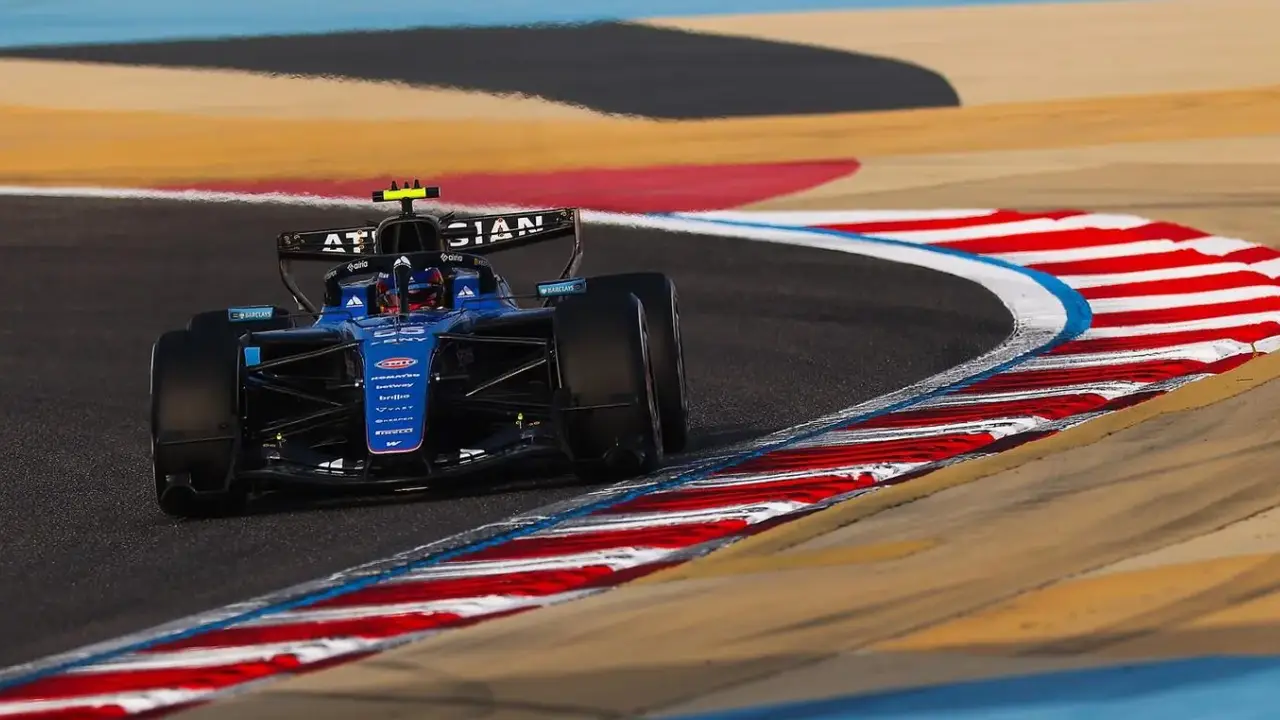
From 2026, F1 cars will be smaller and lighter. Minimum weight drops by 30kg to 724kg, including tyres. The wheelbase reduces to 3,400mm, while overall width shrinks to 1,900mm. The front wing becomes 100mm narrower, and the rear wing switches to a three-element design without a beam wing.

Tyres stay at 18 inches but lose width, with a 25mm cut at the front and 30mm at the rear. Floor width is reduced by 150mm, with flatter floors replacing ground-effect tunnels. These changes reduce downforce by 15 to 30 per cent and drag by up to 55 per cent. In short, cars get leaner, faster on straights, and more demanding to drive.
F1 2026: Active Aerodynamics and DRS exit
Active aerodynamics will replace fixed systems in 2026. Front and rear wing flaps will open on straights to cut drag and close in corners to add grip. This system works on designated straights and is available to all drivers, every lap. As a result, DRS will be removed from Formula 1. No more waiting for a detection zone or a timing line.

Revised wake control allows cars to follow more closely. The focus moves away from complex floors to cleaner airflow, meaning following another car should feel less like driving into a wall of air.
F1 2026: New Power Units and Energy Use
The 1.6-litre V6 turbo-hybrid stays, but its role changes. From 2026, power splits evenly between combustion and electric output. The engine produces 400kW, while electric power rises to 350kW. The MGU-H is removed, and energy recovery per lap doubles through braking and lift-off. Cars will use sustainable fuel made from waste, non-food biomass or carbon capture.

Ferrari, Mercedes, Audi, Honda and Red Bull Powertrains (with Ford) will supply engines. Cadillac joins the grid as an eleventh team using Ferrari units, with General Motors planning its own power unit from 2029.
F1 2026: Overtake Mode Takes Over
DRS makes way for driver-controlled energy modes. Overtake mode activates when a car is within one second of the one ahead at set detection points, delivering up to 0.5MJ of extra electric energy. Boost mode releases full hybrid power for attack or defence when the battery allows.

Recharge mode refills the battery through braking, lift-off or partial throttle. Power to the leading car reduces beyond 290km/h, making passes more likely. In simple terms, drivers now decide when to attack, when to defend, and when to save energy, with fewer excuses if it goes wrong.
F1 2026: Safety Updates for the New Era
Safety remains a key part of the 2026 rules. The survival cell faces tougher tests, while roll hoop strength increases to handle a 20G load, up from 16G. The front impact structure adopts a two-stage design to deal with secondary crashes.

The FIA worked with teams and Formula 1 to finalise these changes. The new rules aim to improve racing, support sustainability and keep safety standards high as Formula 1 enters its next phase after the 2025 season.