F1 Movie Receives Multiple Oscar Nominations: What Sets It Apart?
The F1 movie earns four Oscar nominations, backed by filming during real race weekends, custom camera setups and modified cars that brought Formula 1 action to the big screen.
By Divyam Dubey

-1769163408939.webp "F1 movie (1)")
The F1 movie has ended up in rare territory after picking up four nominations at the 2026 Academy Awards. It has been recognised in Best Picture, Best Film Editing, Best Sound and Best Visual Effects, with the ceremony scheduled for March 2026 in Los Angeles. Released in 2025 by Apple Original Films alongside Warner Bros. Pictures, the movie stayed in the spotlight long after its release. A big reason behind that is how closely it sticks to real racing. Instead of creating a track in a studio, the makers went straight to actual Formula 1 weekends, filming where the noise, tension and timing matter.
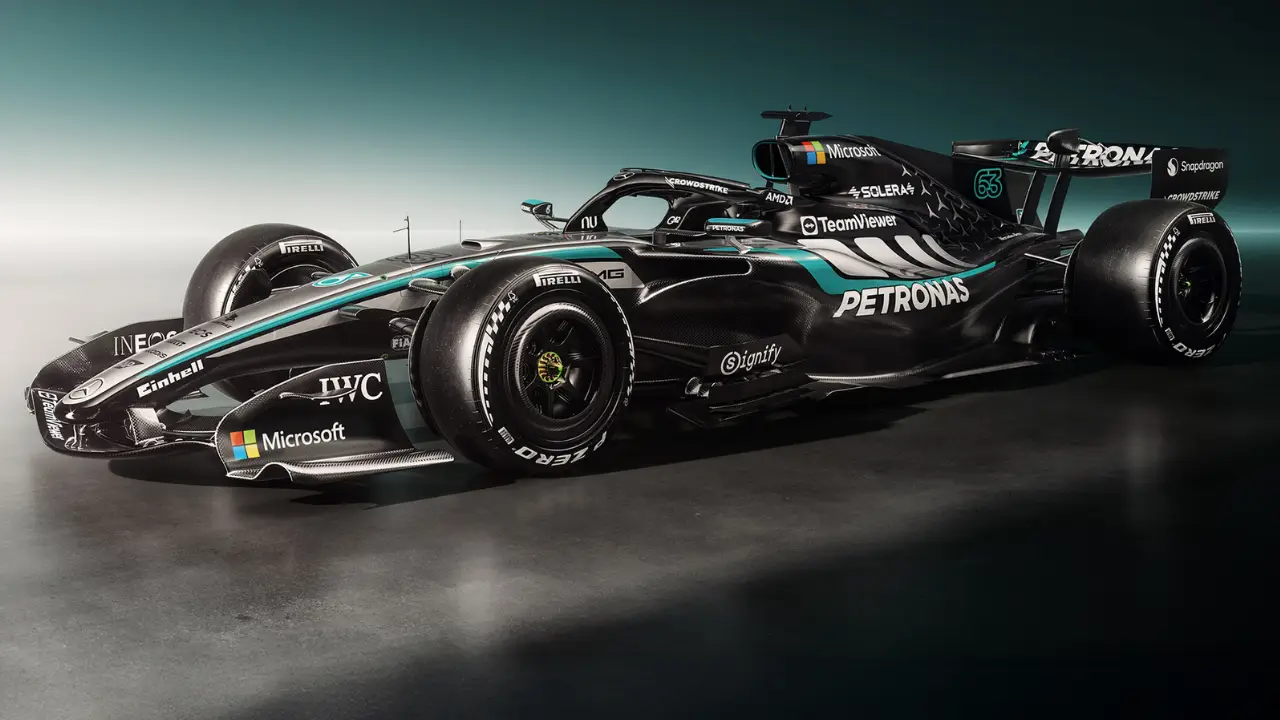
Also Read: F1: Mercedes Unveils W17 Car and Livery for 2026 Season
That decision shows on screen and plays a major role in why the film continues to draw attention beyond the box office.
Shooting Location
A large part of the film was captured during live race weekends, with cameras operating around the grid, pit lane and track sessions. Real teams, real circuits and real race procedures form the background of many scenes. This meant the crew had to work around tight schedules, safety rules and race operations.
Filming was timed around official track sessions, making sure racing activity stayed exactly as planned. Every shot was captured during live race weekends, right in the middle of real Formula 1 action.
-1769163417493.webp)
The coordination between the filming crew and Formula 1 worked seamlessly, allowing the filming crew to get the footage they needed without getting in the way of race procedures or other teams in the paddock.
The Tech Behind Racing Shots
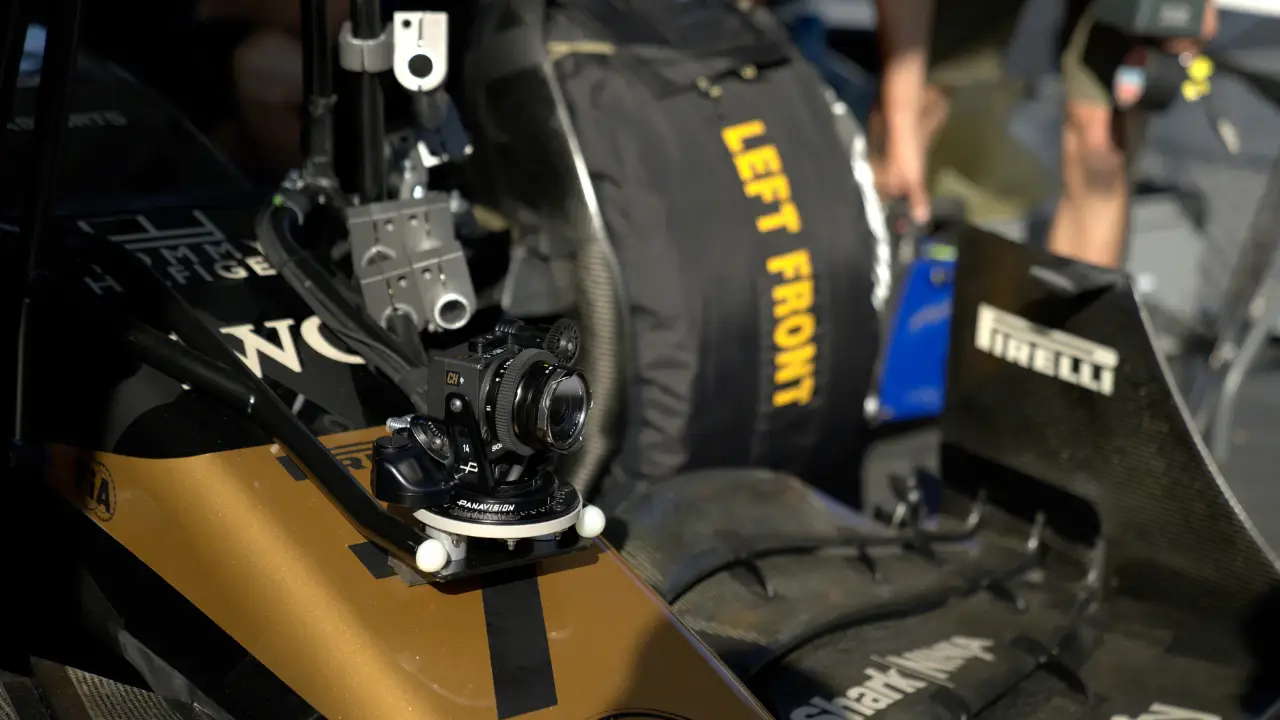
Getting those racing shots required more than standard movie cameras. Sony built a custom 6K system small enough to fit inside race cars, allowing close cockpit shots and wider coverage during running laps. A sensor-on-a-stick setup using a modified Sony FX6 helped grab angles near the driver that normal cameras cannot reach. Apple engineers also added iPhone imaging sensors inside custom housings for tight spaces.
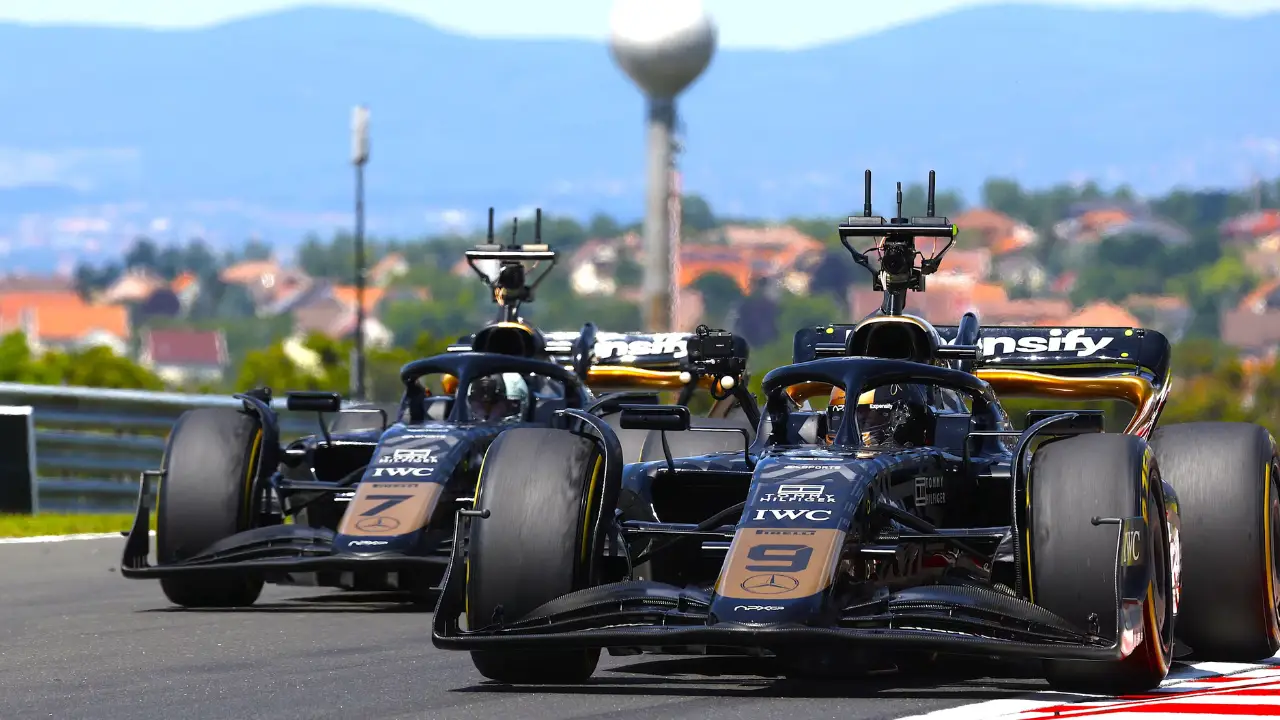
Around the paddock, Ronin 4D cameras handled movement, while Sony Venice 2 units covered main cinematic scenes. To keep things realistic, six Dallara-built Formula 2 cars were reworked by Mercedes-AMG to visually match Formula 1 cars, letting the crew film at speed without using active F1 machinery.