F1: Ten Years Later, How Jules Bianchi Changed the Sport Forever
Even a decade after his passing, Jules Bianchi’s legacy lives on in F1, reflected in safety reforms, tributes across the paddock, and in Charles Leclerc’s career.
By Divyam Dubey

-1752758123067.webp "Jules Bianchi (3)")
Formula 1 lost more than a driver on 17 July 2015, it lost a young man whose quiet determination and raw talent had captured the sport’s imagination. Jules Bianchi, a Ferrari-backed driver racing for Marussia, succumbed to injuries sustained during the 2014 Japanese Grand Prix in Suzuka. It was the sport’s first fatal racing incident in over two decades. To those who knew him, Bianchi wasn’t just a future Ferrari contender, he was a respected figure in the paddock, known for his humility and calm presence.
Also Read: F1 2026 Driver Market: Cadillac Enters, Bottas in Play, Verstappen Speculation Explodes
His breakthrough came at the 2014 Monaco Grand Prix. In a car few expected to finish in the points, Bianchi crossed the line in ninth place, earning Marussia its first-ever points in Formula 1. It was a remarkable drive on the very streets near his hometown of Nice, and it offered a glimpse of the greatness many believed was ahead. But just months later, on a rain-soaked day in Suzuka, that journey was tragically cut short. Bianchi’s car went off track and collided with a recovery vehicle. He never regained consciousness.
-1752758126405.webp)
Ten years later, Jules Bianchi’s name still echoes around the paddock. His godson, Charles Leclerc, now leading Ferrari’s charge, often honours his memory both on and off the track. Though his time in the sport was brief, Jules Bianchi’s impact remains permanent, in every safer race, every rising talent, and every memory that keeps his story alive. In honour of the mark he left on the sport, Formula 1 officially retired his racing number ‘17’, ensuring it will never be used again.
F1: Jules Bianchi and Ferrari
Bianchi’s climb to Formula 1 had been no less impressive than his time in it. He stood out in junior categories, with championship wins and consistent podiums. His potential caught Ferrari’s attention early on, leading to his inclusion in the newly formed Ferrari Driver Academy. There, he not only tested F1 machinery but also became an integral part of Ferrari’s long-term plans. His back-to-back third-place finishes in the 2011 and 2012 GP2 seasons confirmed his readiness for the top tier.
-1752758217319.webp)
2012 was a pivotal year, as Bianchi secured a reserve driver role with Force India. When Marussia needed a quick replacement for Luiz Razia before the 2013 season, Bianchi was the natural choice. Despite minimal preparation, he adapted instantly. He often outperformed teammate Max Chilton, with a standout 13th-place finish in Malaysia highlighting his ability to deliver results despite limited machinery.
Jules Bianchi's Impact on F1
Though his F1 record may seem modest at a glance, Bianchi’s impact on the sport was profound. His tragic accident catalysed major safety reforms.
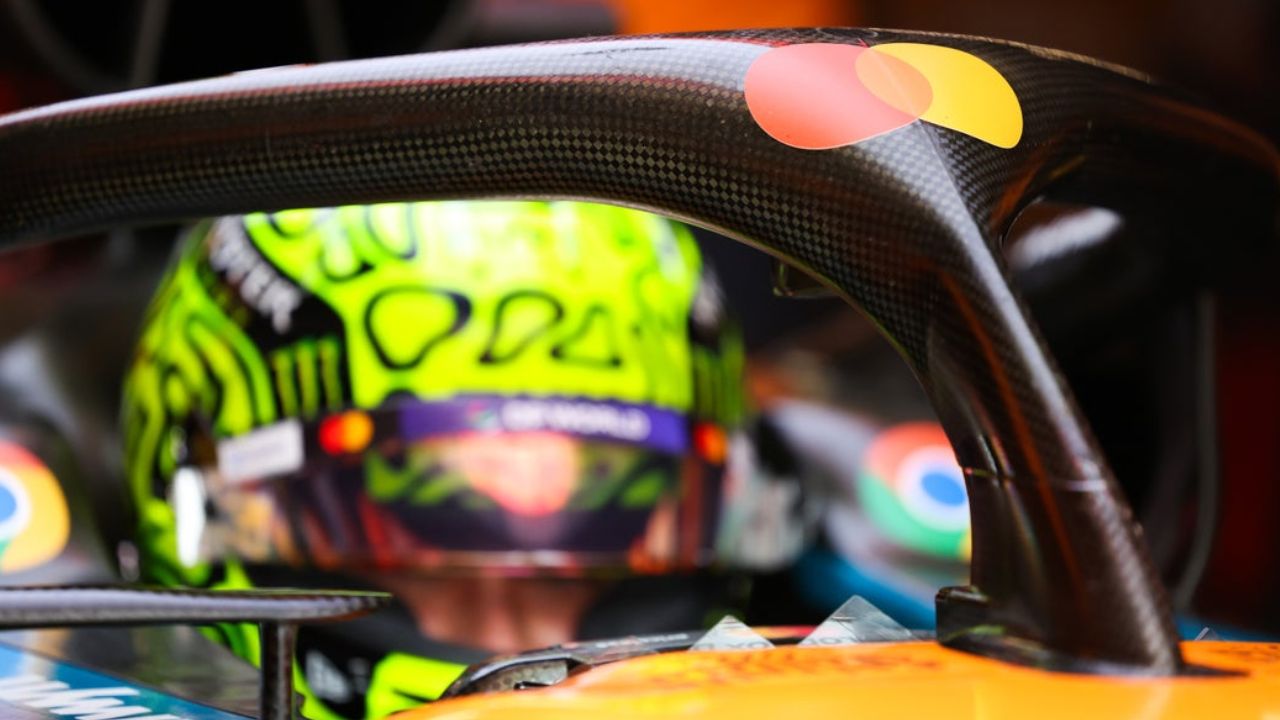
Most notably, it accelerated the development and introduction of the halo, now a standard protective feature that has since saved multiple drivers. Bianchi’s loss forced the sport to re-examine its protocols, leading to a safer environment for future generations.
Also Read: Nissan's Oliver Rowland Wins 2025 Formula E Title; Mahindra Secures Another Podium Finish
Ten years after his final race, Jules Bianchi Impact still lives on. His legacy lives on in every driver protected by the halo and in the memories of fans who saw in him a glimpse of Ferrari’s future. Jules may be gone, but his name still resonates across the F1 paddock.