2027 BMW 7 Series Revealed with New Tech, Updated Design, and More Screens
2027 BMW 7 Series offers petrol, diesel, plug-in hybrid and EV options, with a 31.3-inch rear theatre screen delivering enhanced rear seat experience.
By Divyam Dubey

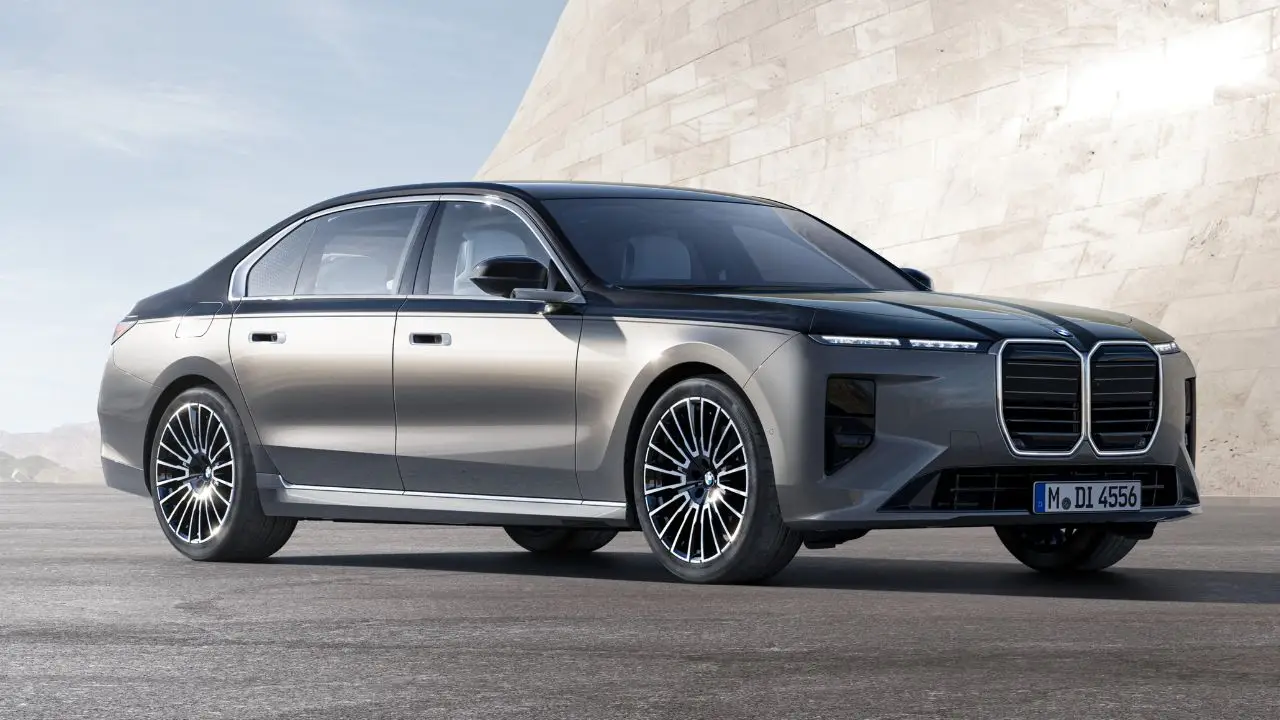
BMW has pulled the covers off the updated 7 Series, and it is far more than a design refresh. While production kicks off this July, the real story lies beneath the sheet metal. BMW has overhauled the design, introduced a next-generation cabin technology suite and revised the powertrain lineup to ensure its flagship remains competitive in an evolving luxury landscape.
Also Read: BMW India Records Best-Ever Q1 Sales at 4,567 Units; EVs Surpass 83% Growth Year-on-Year
For those in India, the wait will not be long, with this tech-laden powerhouse expected to arrive on our shores by late 2026 or early 2027.
2027 BMW 7 Series: Design
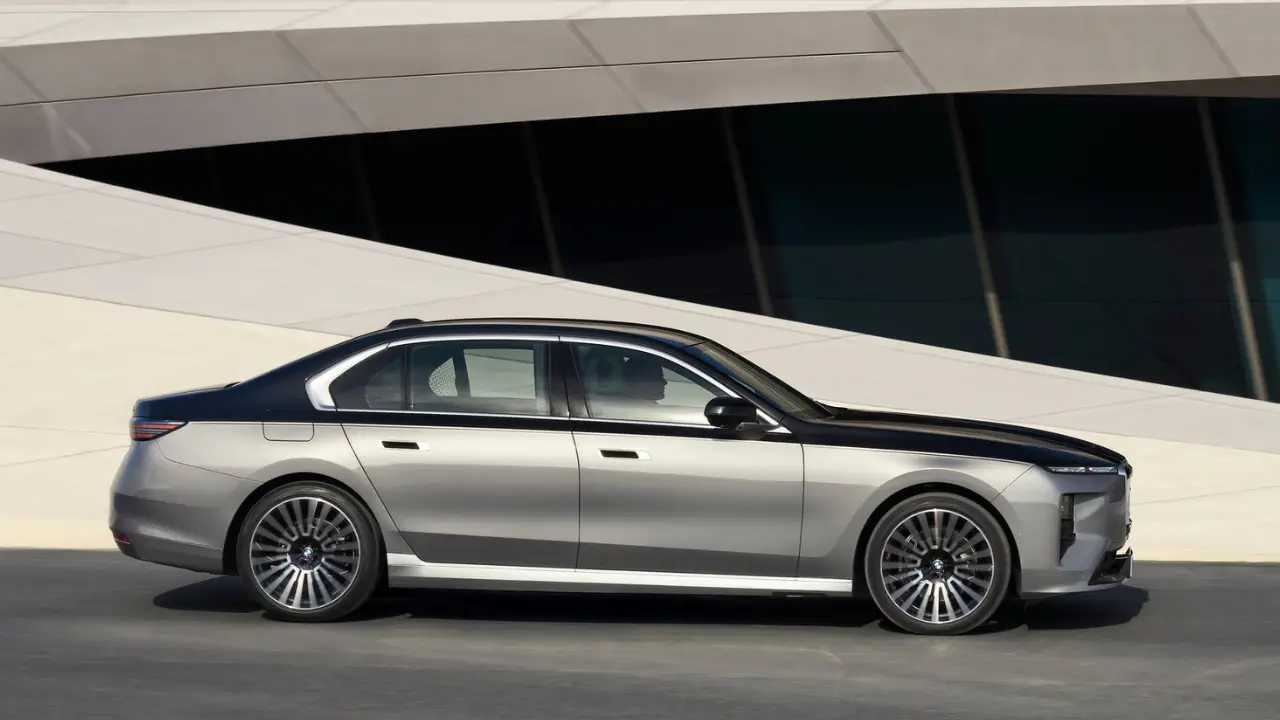
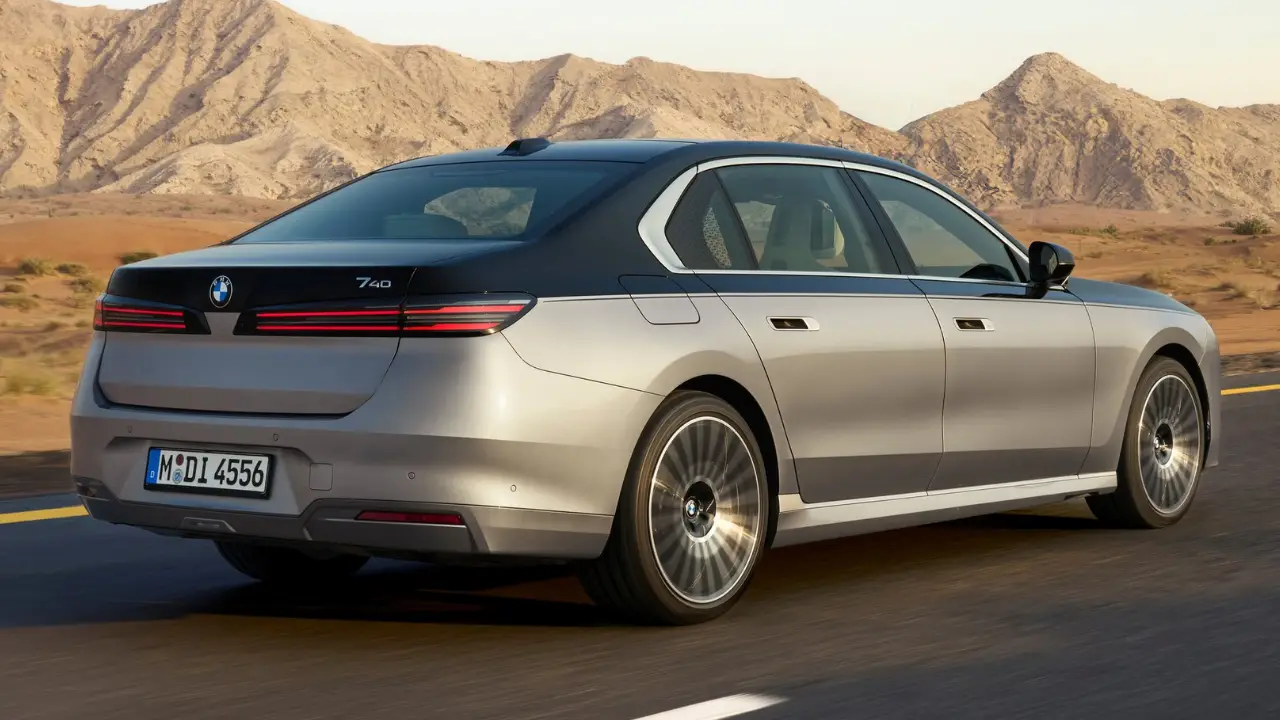
BMW has kept the basic shape intact but tightened things up. The split headlamp setup remains, but the DRLs are now slimmer and sit higher, while the main lamps stay vertically stacked. The front bumper gets a cleaner layout and the bonnet lines look sharper than before. The illuminated kidney grille is still a talking point, now with horizontal slats replacing the older vertical pattern.
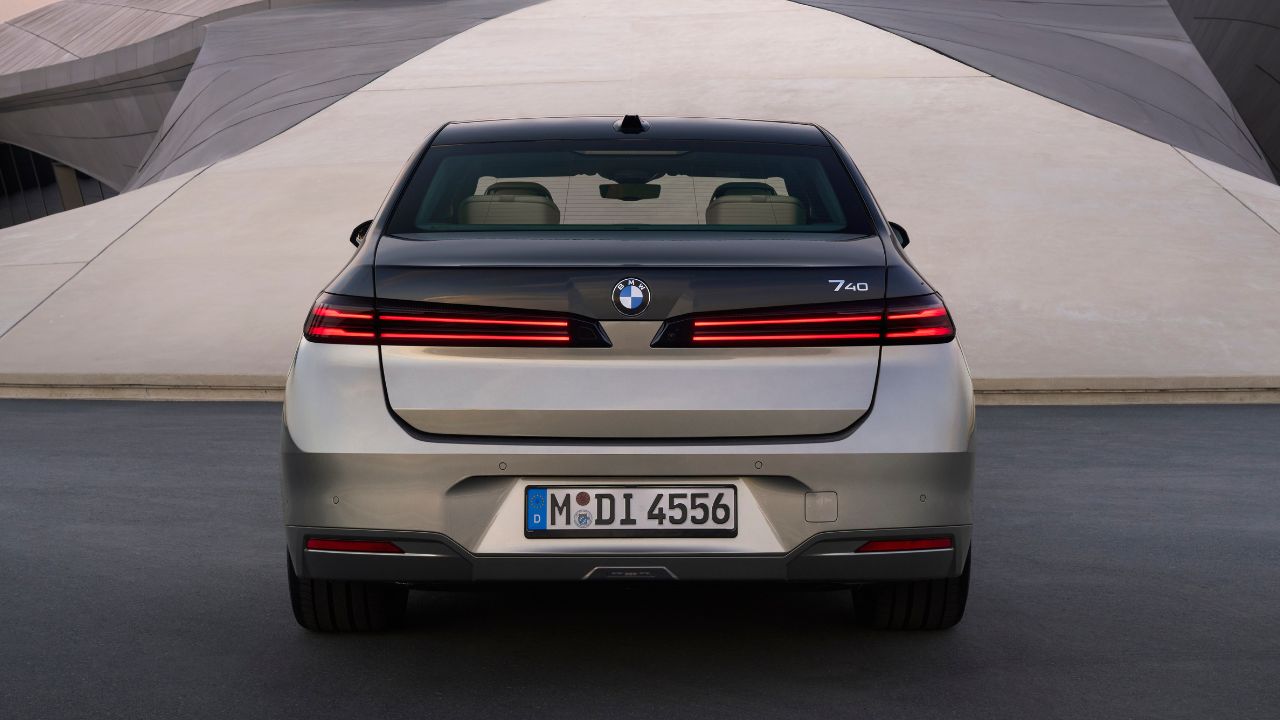
Around the back, the tail-lamps are slimmer and carry a new lighting signature with a darker lower section. In profile, the car looks smoother with fewer cuts and creases. The surfacing feels tighter overall. BMW has also introduced larger wheel options; the 7 Series can now be specified with 22-inch alloys for the first time, which fill out the arches considerably.
2027 BMW 7 Series: Interior
Inside is where things take a proper leap. The new Panoramic iDrive adds a full-width display strip at the base of the windscreen, working alongside a 17.9-inch central touchscreen and a 14.6-inch passenger display. Everything runs on BMW Operating System X, bringing over-the-air updates, sharper navigation and quicker voice responses.
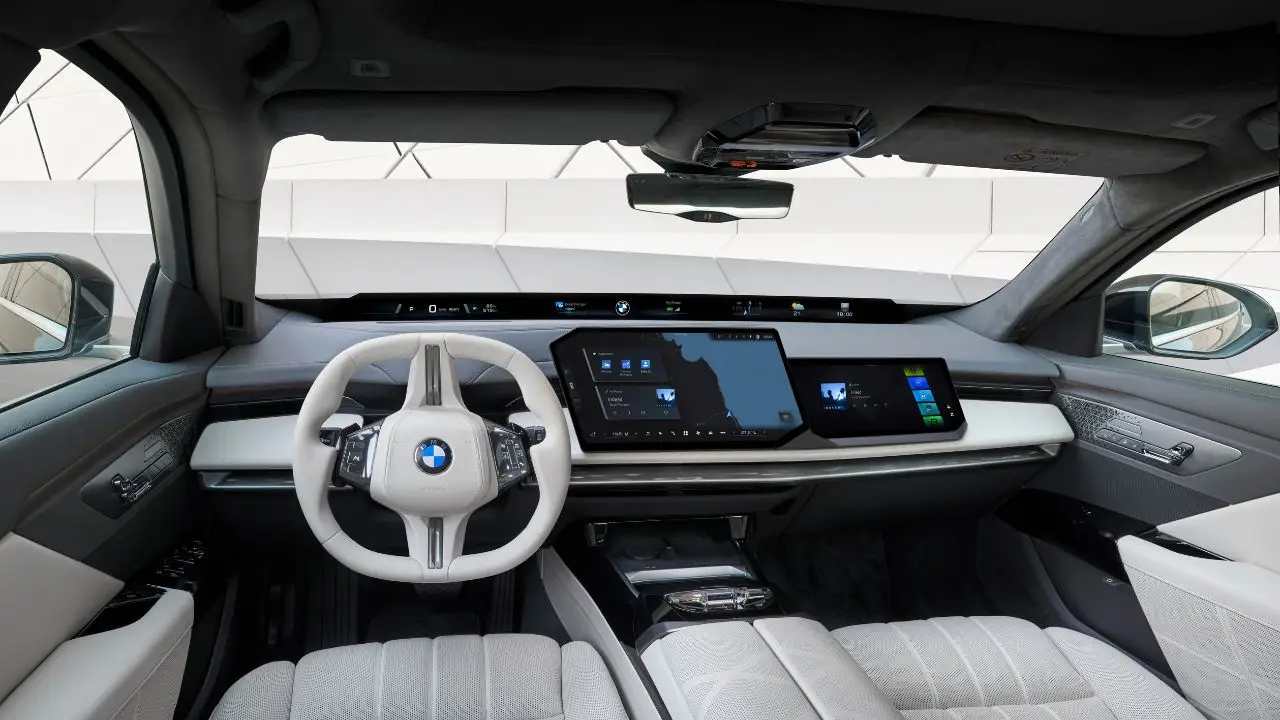
Physical buttons are now even fewer, so most interaction happens through the screen or steering wheel. There is a new vertical twin-spoke steering wheel and a crystal gear selector, which adds a sense of occasion to the cabin. The panoramic roof now incorporates 40 integrated LEDs for ambient lighting, giving the interior a different character at night. Material quality stays at the level expected of the segment, with leather, wood, metal and crystal used throughout.
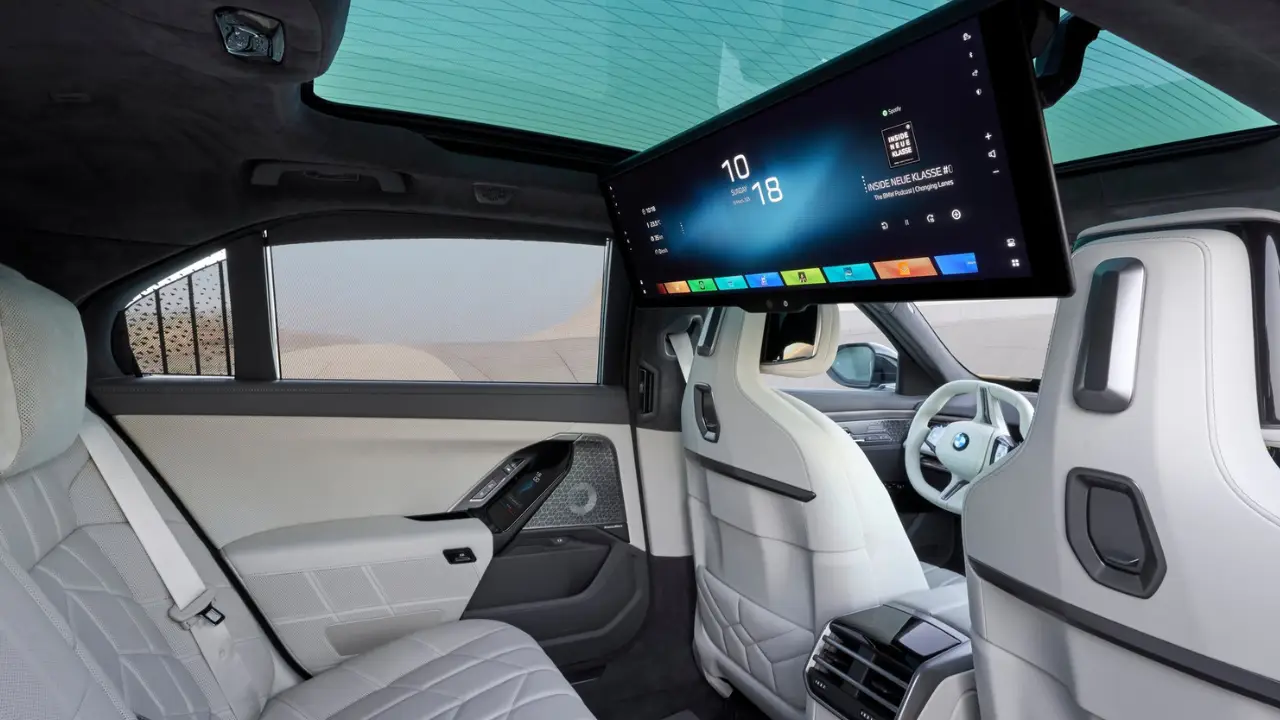
The rear-seat experience remains central to the 7 Series proposition, particularly for those who prefer to be chauffeured. The 31.3-inch Theatre Screen now supports 8K streaming, alongside video calls and gaming. Rear passengers get touch controls integrated into the doors to adjust screen position and settings.
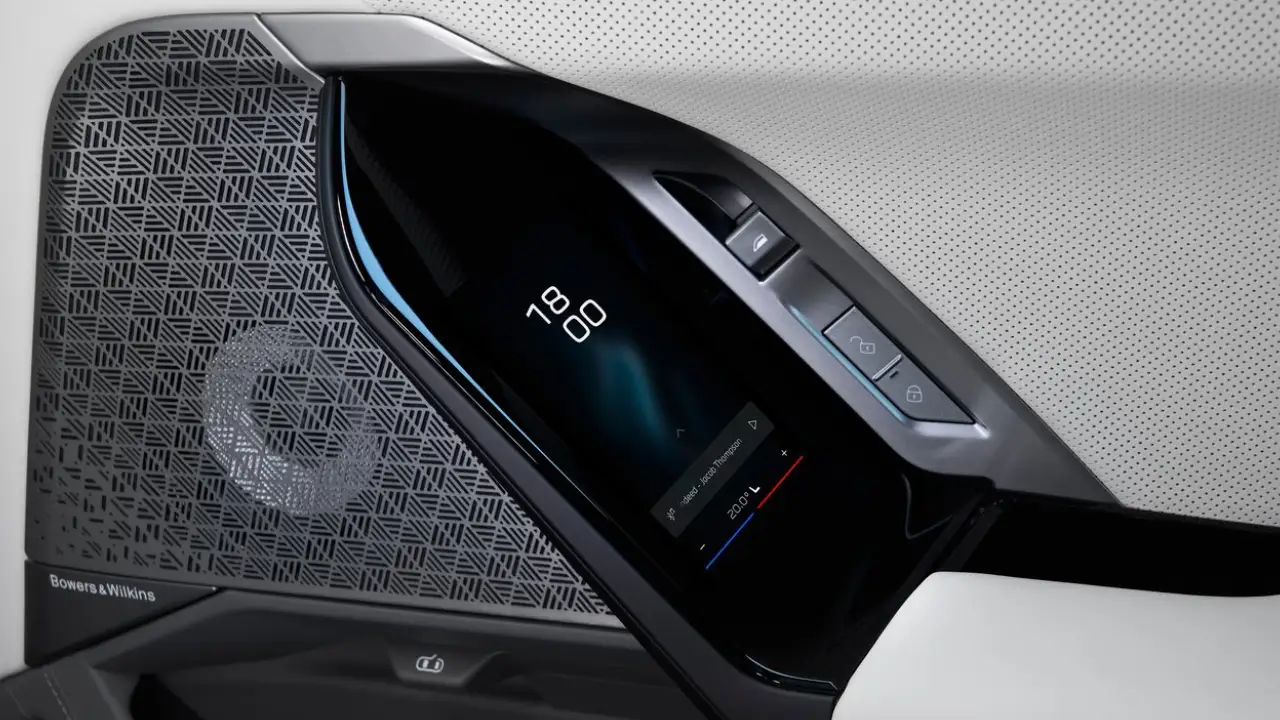
The optional Bowers & Wilkins setup brings up to 36 speakers, including units placed inside the headrests, with Dolby Atmos support. You also get four-zone climate control, wireless charging, ambient lighting and the Executive Lounge package. Put it all together, and this cabin feels more like a private lounge than a traditional flagship sedan interior.
2027 BMW 7 Series: Powertrain
BMW is offering a range of powertrains to suit different markets and driving preferences. The 740 xDrive petrol uses a 3.0-litre inline-six with a 48V mild-hybrid system, producing 406bhp and 580Nm. The 740d xDrive diesel produces 317bhp and 670Nm using the same mild-hybrid setup. Both deliver strong mid-range performance, which suits the character of a car in this class.
On the electric side, the BMW i7 range continues with a 112.5kWh battery and DC fast charging of up to 250kW across all variants. The i7 50 xDrive delivers 461bhp and 660Nm with a WLTP range of up to 728km. The i7 60 xDrive pushes output to 551bhp and 745Nm with a WLTP range of up to 727km.
At the top of the range, the i7 M70 xDrive brings 689bhp and up to 1,100Nm, and for a car of this size, those numbers translate into performance that sits well above segment expectations. Depending on specification, the M70 xDrive offers a WLTP range of between 566km and 686km, so usability is not sacrificed for outright performance.
BMW has also updated the driver assistance systems. Level 2 capability is now available, including hands-free motorway assist at speeds of up to 130km/h under certain conditions. Park Assist is fitted as standard.
The chassis retains adaptive air suspension and electronically controlled dampers as standard, with optional rear-wheel steering available for improved manoeuvrability at lower speeds
This is not a routine facelift. The updated 7 Series shows the direction BMW is heading, leaning into technology without losing sight of the driving side of things. More screens, more powertrain choice and more performance, but the core brief remains the same: a flagship that works equally well whether you are driving it or being driven.
-1775058983264.webp "2026 World Car Awards: BMW iX3 Wins World Car of the Year")
-1773854031122.webp "BMW M2 CS Launched in India at Rs 1.66 Crore")


