2027 Hyundai Ioniq 3 Unveiled with up to 496km Claimed Range
2027 Hyundai Ioniq 3 revealed with up to 496km range, new aero hatch design, dual battery options and feature-packed cabin.
By Divyam Dubey

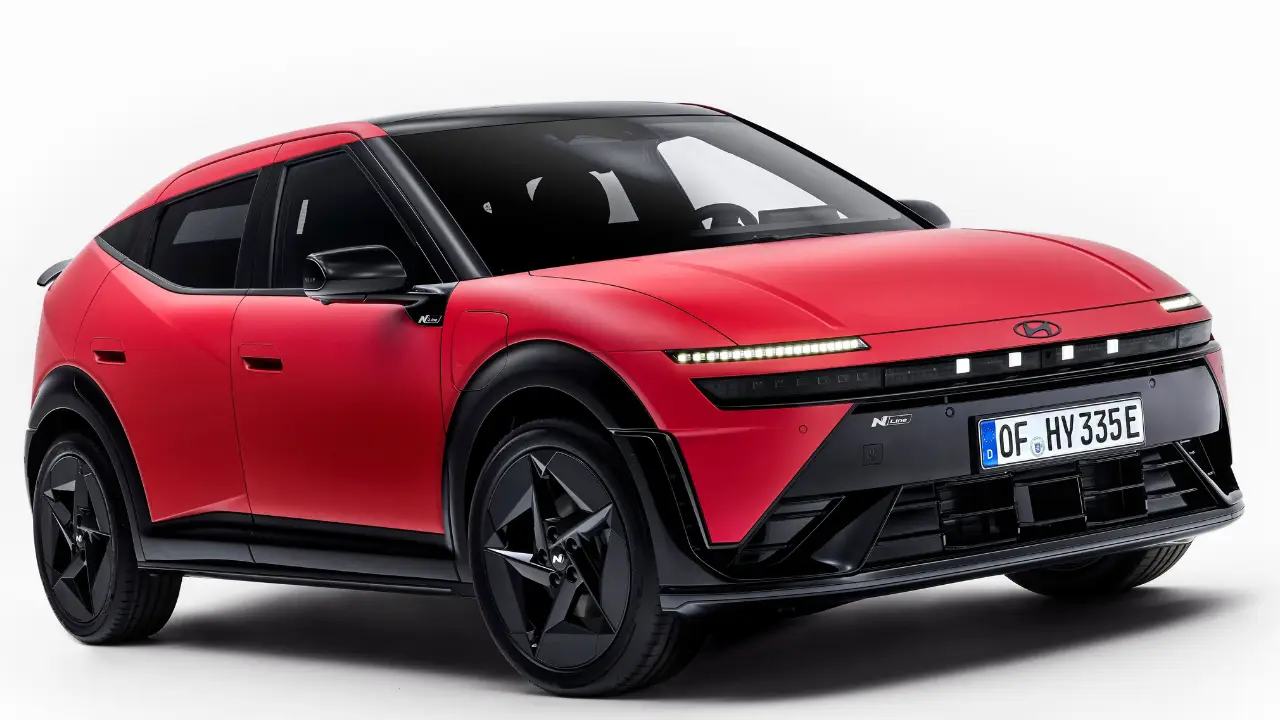
The 2027 Hyundai Ioniq 3 has finally been revealed, and it looks like Hyundai is serious about bringing a smaller, more affordable EV into its Ioniq range. Unveiled at Milan Design Week 2026, the new Ioniq 3 sits below the Hyundai Ioniq 5 and takes plenty of inspiration from the concept shown last year. While most small electric hatchbacks tend to play it safe, the Ioniq 3 looks sharp, futuristic and properly modern. It has been developed mainly for Europe, where it will also be built, and it uses Hyundai’s 400V E-GMP platform, which is shared with the Ioniq 5 and the Kia EV3.
Also Read: New Hyundai Venue Knight Edition Launched in India at Rs 9.70 Lakh
Hyundai will offer it in both standard and N Line forms, giving buyers the option of a more sporty-looking version right from launch.
2027 Hyundai Ioniq 3: Design
The design is where the Ioniq 3 really stands out. Hyundai calls it an aero hatch, and you can see why. It gets a low roofline, sharp creases and the brand’s now familiar pixel-style lighting. There is also a Morse code-inspired H signature at both ends, which gives the car a unique identity at night.
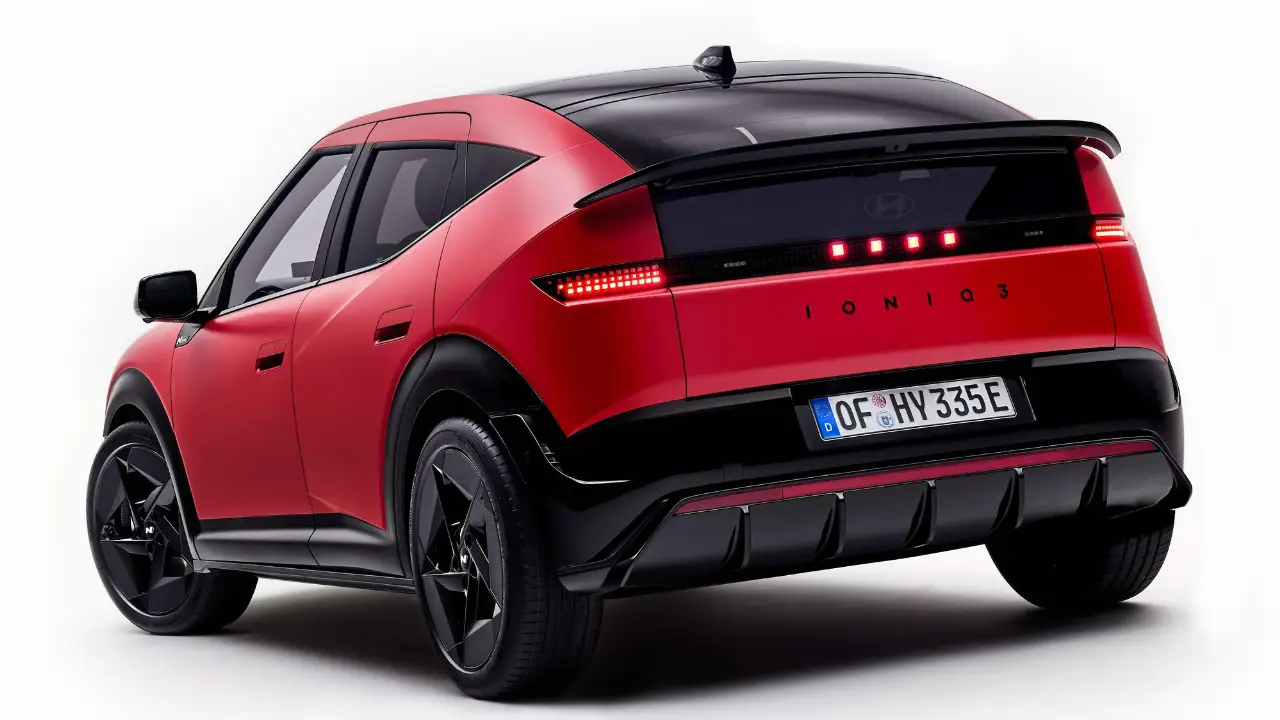
The N Line version looks noticeably more aggressive thanks to extra body cladding, a gloss black rear diffuser, a rear spoiler and 19-inch alloy wheels. Flush door handles come as standard, and despite being a compact hatchback, the Ioniq 3 still measures over four metres in length. Hyundai also claims a drag coefficient of just 0.263Cd.
2027 Hyundai Ioniq 3: Interior & Features
Inside, the cabin has the clean and minimal look that we have already seen on other Ioniq models. The dashboard is dominated by either a 12.9-inch or 14.6-inch touchscreen running Hyundai’s new Pleos Connect infotainment system based on Android Automotive OS. There is also a slim digital driver’s display and a row of physical controls underneath the screen.
Hyundai has moved the gear selector onto the steering column, freeing up more storage space in the centre console. Boot space stands at 441 litres, including a hidden lower storage section called the Megabox. The N Line version also gets a darker cabin theme with red accents across the dashboard, seats and steering wheel.
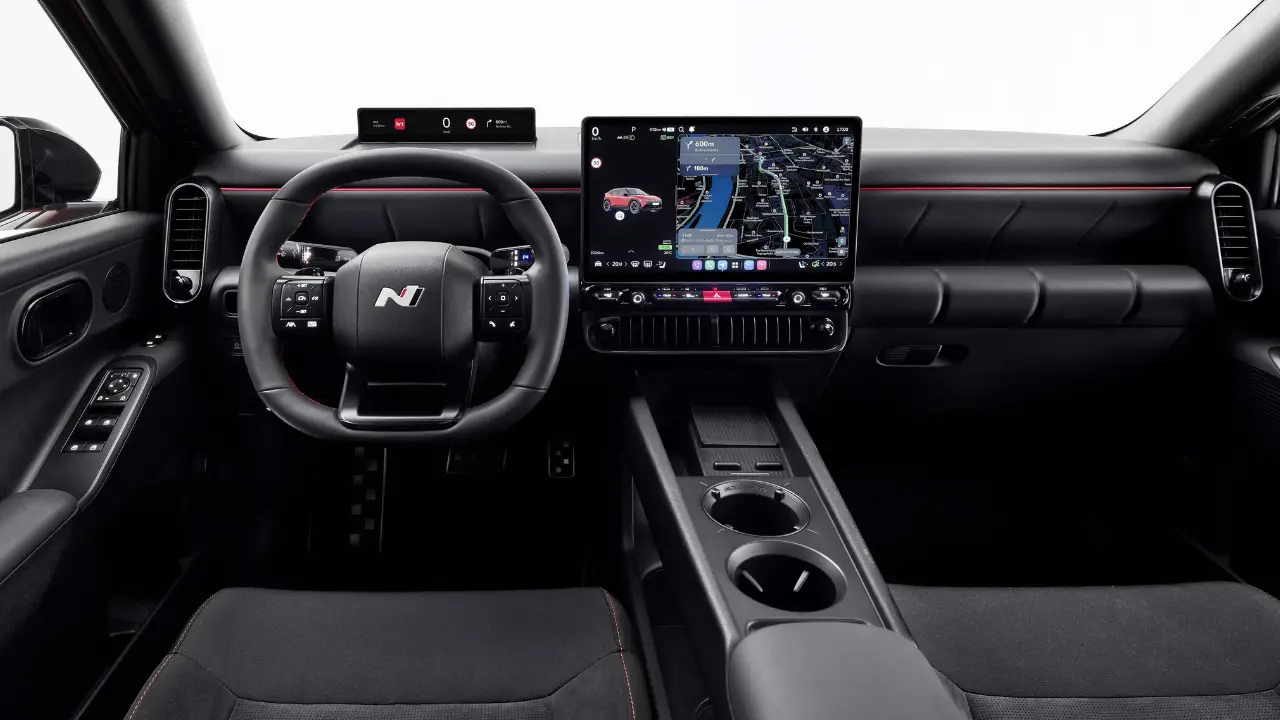
Hyundai has loaded the Ioniq 3 with features such as heated and ventilated seats, ambient lighting, dual-zone climate control, a Bose sound system and Digital Key 2, which allows the car to be unlocked using a smartphone or smartwatch.
There is also Remote Smart Parking Assist, along with Hyundai’s SmartSense suite that includes adaptive cruise control, autonomous emergency braking, blind-spot monitoring, Highway Driving Assist 2 and a surround-view camera. Hyundai has not revealed prices yet, but the Ioniq 3 is expected to go on sale globally in the coming months.
2027 Hyundai Ioniq 3: Powertrain
The Ioniq 3 gets two battery options. The Standard Range version comes with a 42.2kWh battery pack and offers a claimed WLTP range of up to 344km. Buyers who want more range can opt for the Long Range version, which gets a larger 61kWh battery and stretches the claimed figure to 496km.
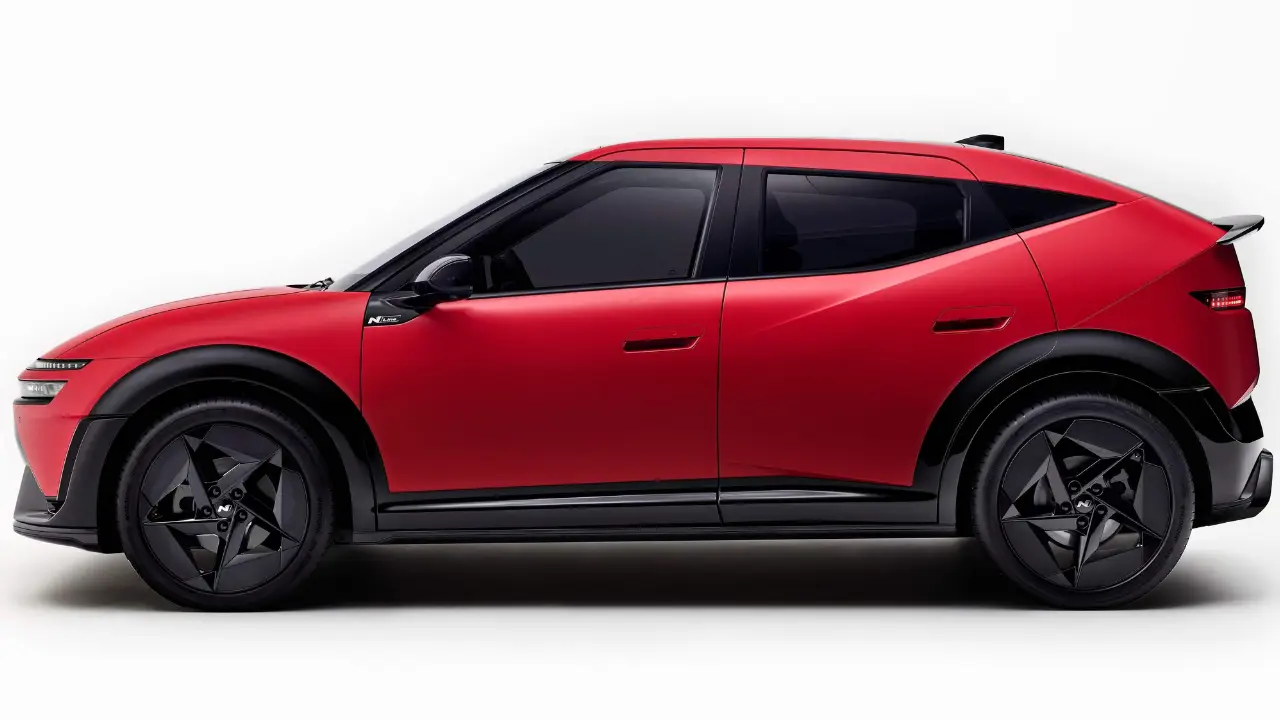
Both versions use a single front-mounted electric motor and remain front-wheel drive only. The standard car produces 134bhp, while the N Line version bumps that up slightly to 146bhp. Torque stays the same at 250Nm. Interestingly, the lighter Standard Range model is the quicker of the two, doing 0-100km/h in 9.0 seconds, while the Long Range takes 9.6 seconds.
Top speed is limited to 170km/h in both versions. Hyundai will offer an 11kW AC charger as standard, while buyers can also choose a 22kW unit. DC fast charging can take the battery from 10 to 80 per cent in a claimed 29 minutes under ideal conditions, and the car also supports Vehicle-to-Load functionality.
Australia has already been confirmed as one of the first markets for the car, with deliveries set to begin in early 2027.
-1775056165209.webp "2026 World Car Awards: Hyundai Ioniq 6 N Wins World Performance Car Award")