2027 Mercedes-Benz EQS Revealed Globally With New Electric Architecture
The 2027 Mercedes-Benz EQS gets a new 800V architecture, a larger 122kWh battery, and new electric motors, improving charging speed, efficiency, and range.
By Divyam Dubey

The 2027 Mercedes-Benz EQS is finally out, and this one is more than a routine update. Mercedes has moved the EQS to a new 800-volt architecture, replacing the older 400-volt setup, and that changes how this car charges, drives, and manages efficiency. The update spans the EQS 450+, EQS 500 4Matic, and EQS 580 4Matic. Battery capacity is now up to 122 kWh usable, and global sales are set to begin in the second half of 2026.
Also Read: Mercedes-Benz India Records Highest-Ever Fiscal Sales Of 19,363 Units In FY26
More than 25 per cent of the car is new or updated. Here is a closer look.
2027 Mercedes-Benz EQS: Design
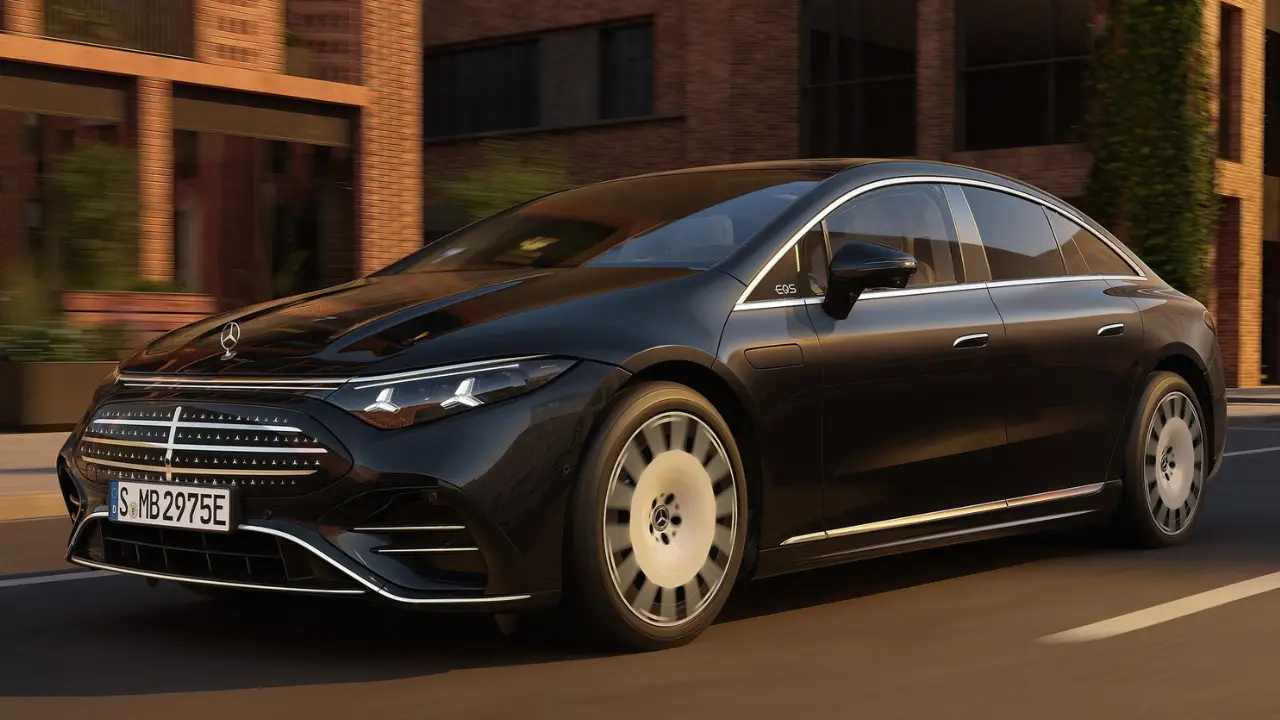
The design tweaks are not loud, but they do enough to freshen things up. Up front, you now get a black grille panel with a backlit star pattern and chrome slats, which gives it a more defined face. The bonnet gets raised strakes, and the Digital Light headlamps now show a star-shaped DRL signature.
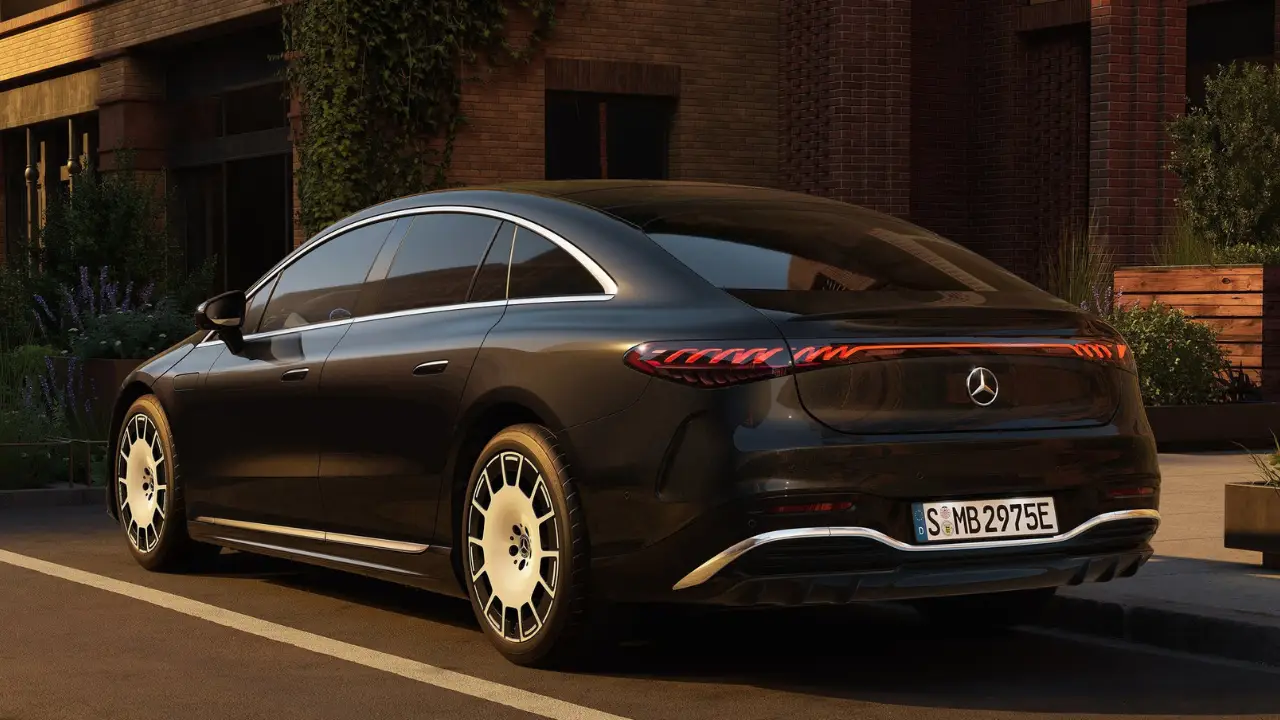
Move to the rear, and the helix-style LED taillights stand out, along with a larger diffuser. AMG Line cars skip the chrome slats and get an illuminated central star instead.
2027 Mercedes-Benz EQS: Interior and Features
Inside, the big 55-inch MBUX Hyperscreen still dominates the dashboard, housing three displays under a single glass panel. Rear passengers now get a larger 13.1-inch screen, up from 11.6 inches, plus two remote controls. Mercedes has added heated seatbelts and rear-seat airbags as well. Everything runs on the new MB.OS, which improves response times for navigation and AI-based functions.
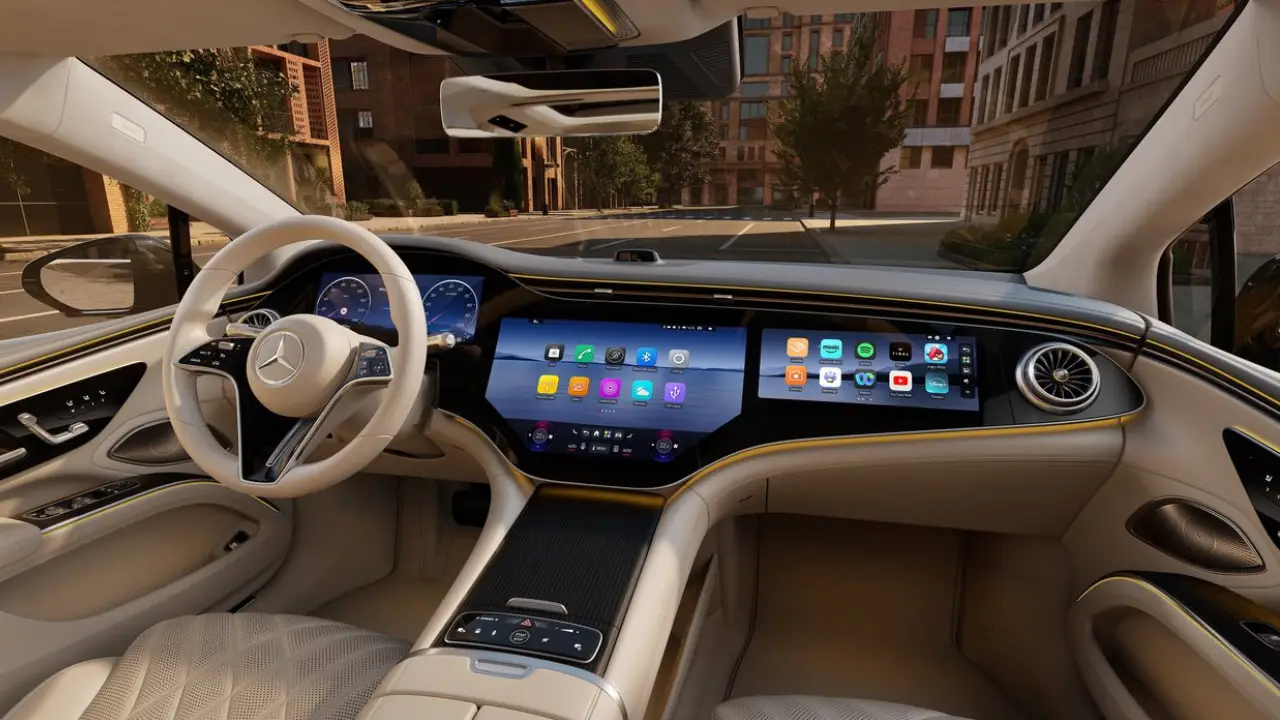
The tech story goes deeper with the new steer-by-wire system. There is no physical connection between the steering wheel and the front wheels now. Instead, you get a yoke-style steering wheel with just 170 degrees of rotation, so tight turns do not need hand-over-hand inputs. Rear-axle steering goes up to 10 degrees, and there are 27 sensors and cameras working in the background to handle obstacle avoidance. It also uses adaptive damping with Car-to-X communication to read the road ahead.
2027 Mercedes-Benz EQS: Powertrain
The EQS now uses in-house electric motors along with a new two-speed transmission on the rear axle to improve efficiency at higher speeds. On 4Matic versions, the front motor can disconnect completely when not needed, helping save energy. The claimed EPA range for the entry-level EQS 450+ stands at 926km. With the 800-volt setup, fast charging goes up to 350kW, and regenerative braking is rated at 385kW.
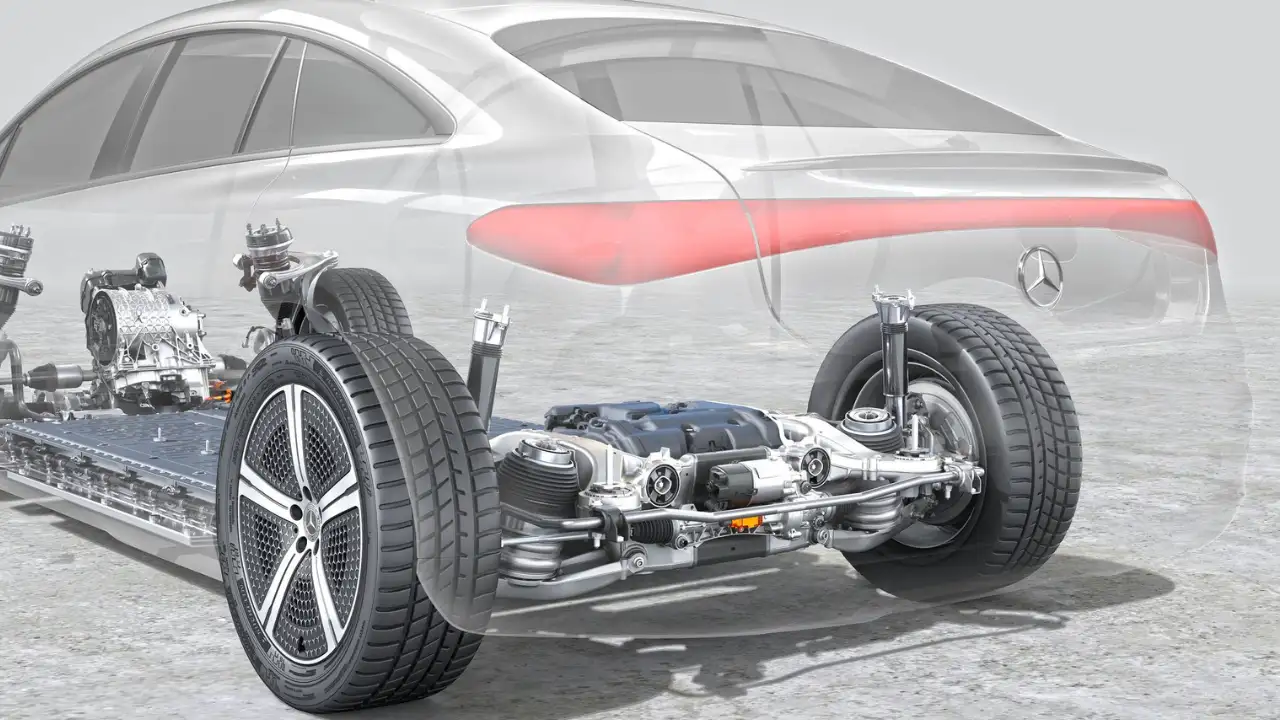
To round things off, the battery pack on the 2027 Mercedes-Benz EQS has grown from 118kWh to 122kWh, and that brings a clear boost in usability. It now supports up to 350kW DC fast charging, a big step up from the earlier 200kW figures. Mercedes has also worked on the battery chemistry, improving power density, which should help with both performance and overall efficiency in real-world driving.

-1771907861980.webp "Mercedes-Benz CLA Electric India Launch on April 24")