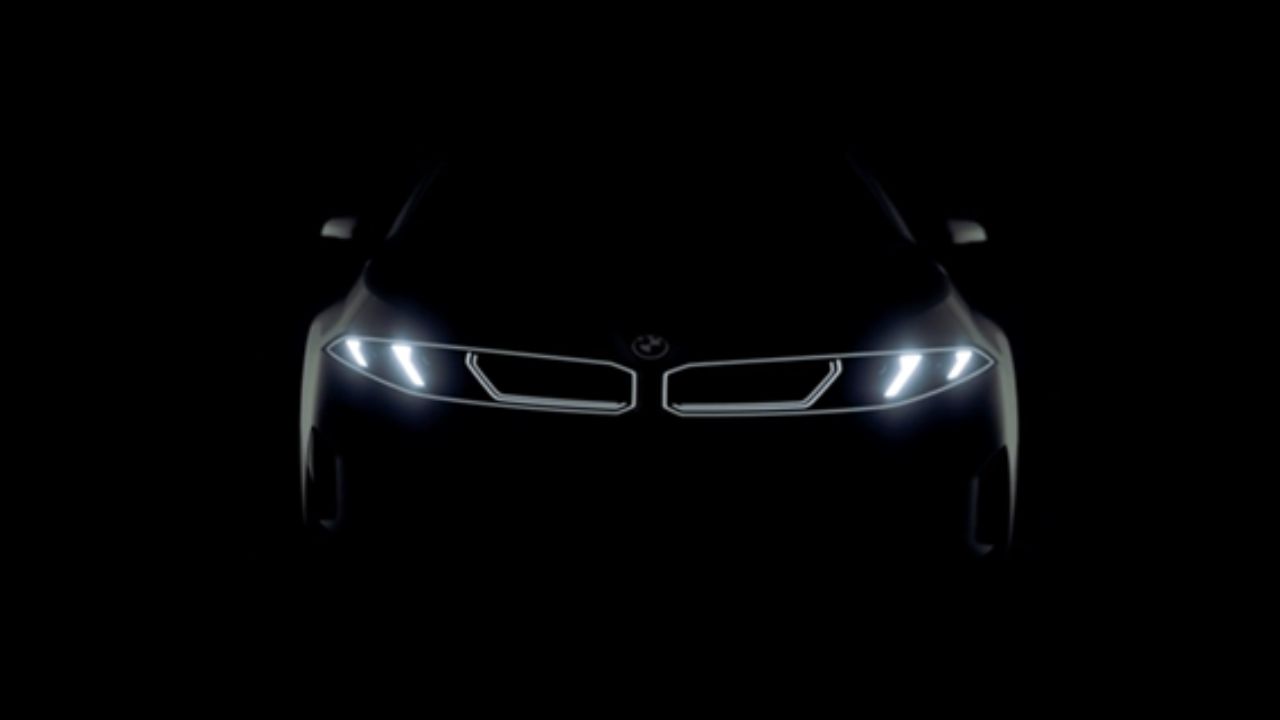
BMW i3 Neue Klasse Unveiled with 463bhp, 900 km Range
BMW’s new electric saloon brings a fresh design, recycled materials, dual-motor AWD setup, fast charging support, and advanced tech focused on efficiency and driving control.
By Divyam Dubey

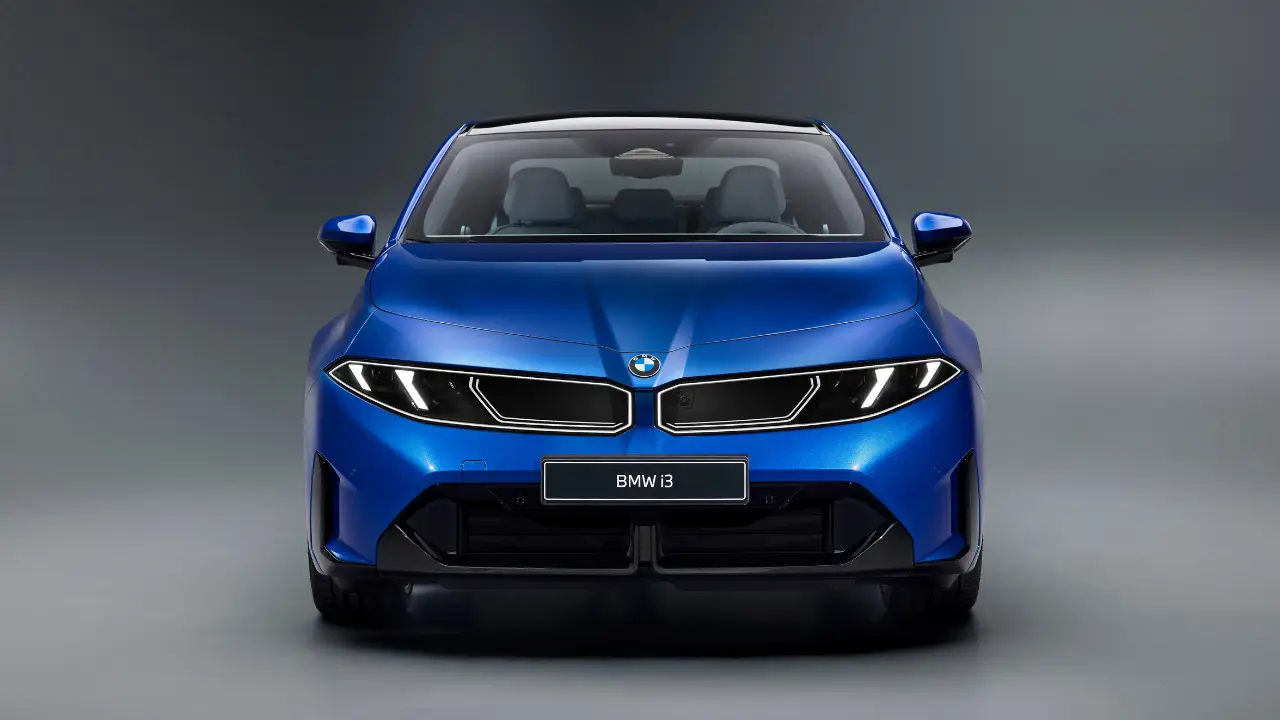
BMW has revealed the new i3, the second model in the Neue Klasse line-up and the first-ever all-electric version of the 3 Series. This model marks a shift for the brand as the core of the range adopts a dedicated electric architecture. The exterior features a 2.5-box silhouette designed to improve aerodynamic efficiency. A single panel integrates the reinterpreted kidney grille with LED lighting elements. The bodywork includes flared wheel arches and a sculpted bonnet.
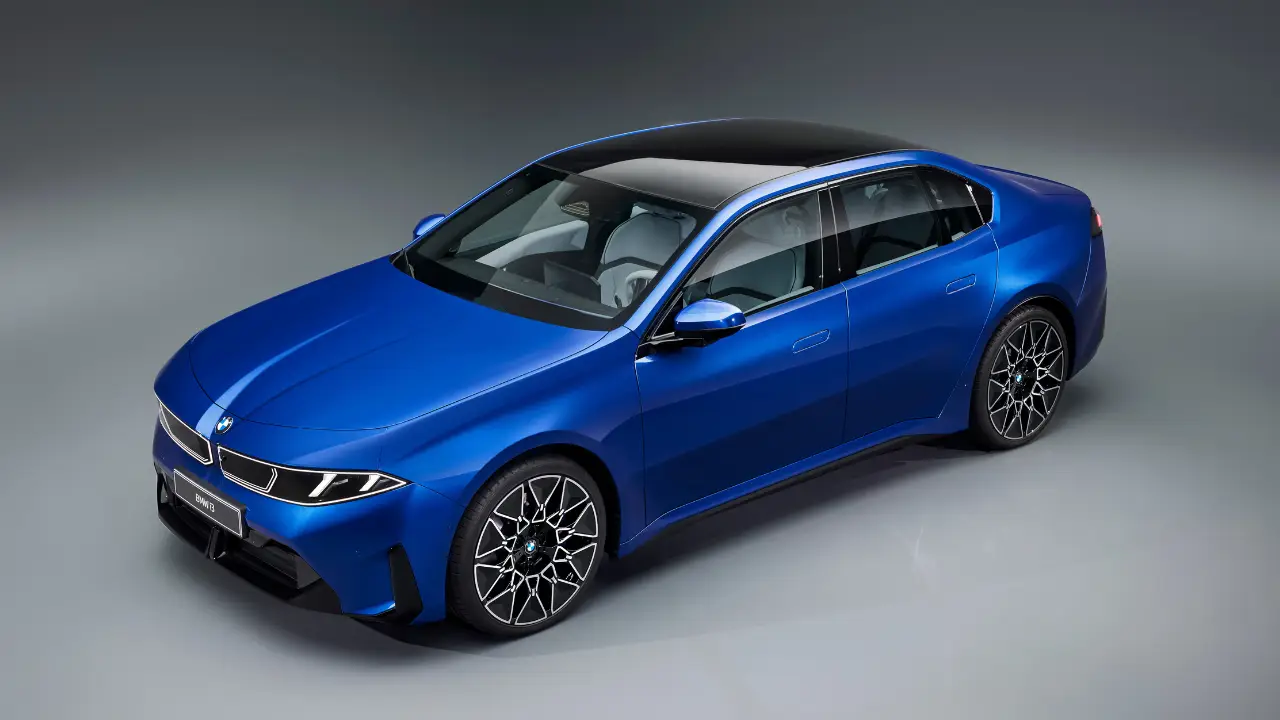
Sustainability is integrated into the construction, with the front bumper trim containing 30 per cent recycled plastic. The assembly uses a reduced variety of materials to assist with future recycling processes.
New i3 Neue Klasse: Interior
The cabin introduces the Panoramic Vision display, which extends across the base of the windscreen to keep information in the driver's line of sight. This is paired with a central touchscreen angled toward the driver and a new steering wheel design.
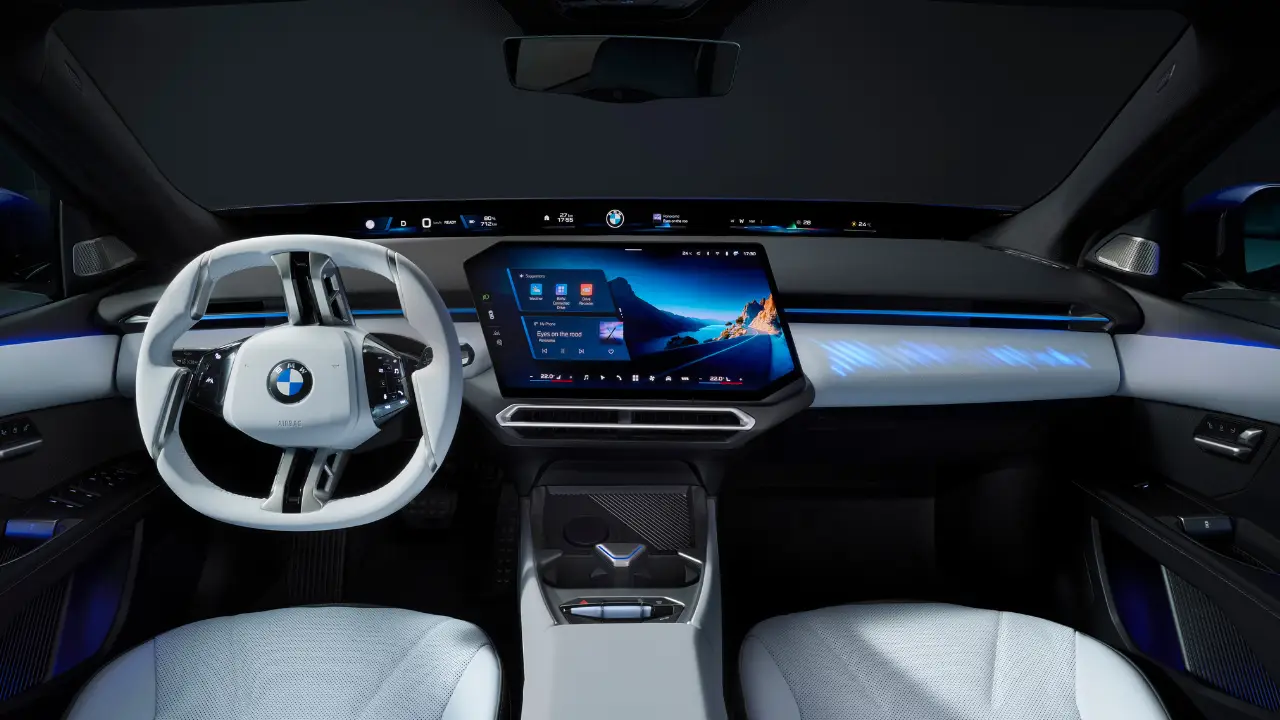
Resource efficiency is prioritised through the use of secondary materials, including seat covers manufactured from a textile composite made of 100 per cent recycled PET granulate.
New i3 Neue Klasse: Powertrain
The i3 utilises sixth-generation eDrive technology featuring new cylindrical battery cells with increased energy density. In the i3 50 xDrive variant, an electrically excited synchronous motor on the rear axle and an asynchronous motor on the front axle provide all-wheel drive.
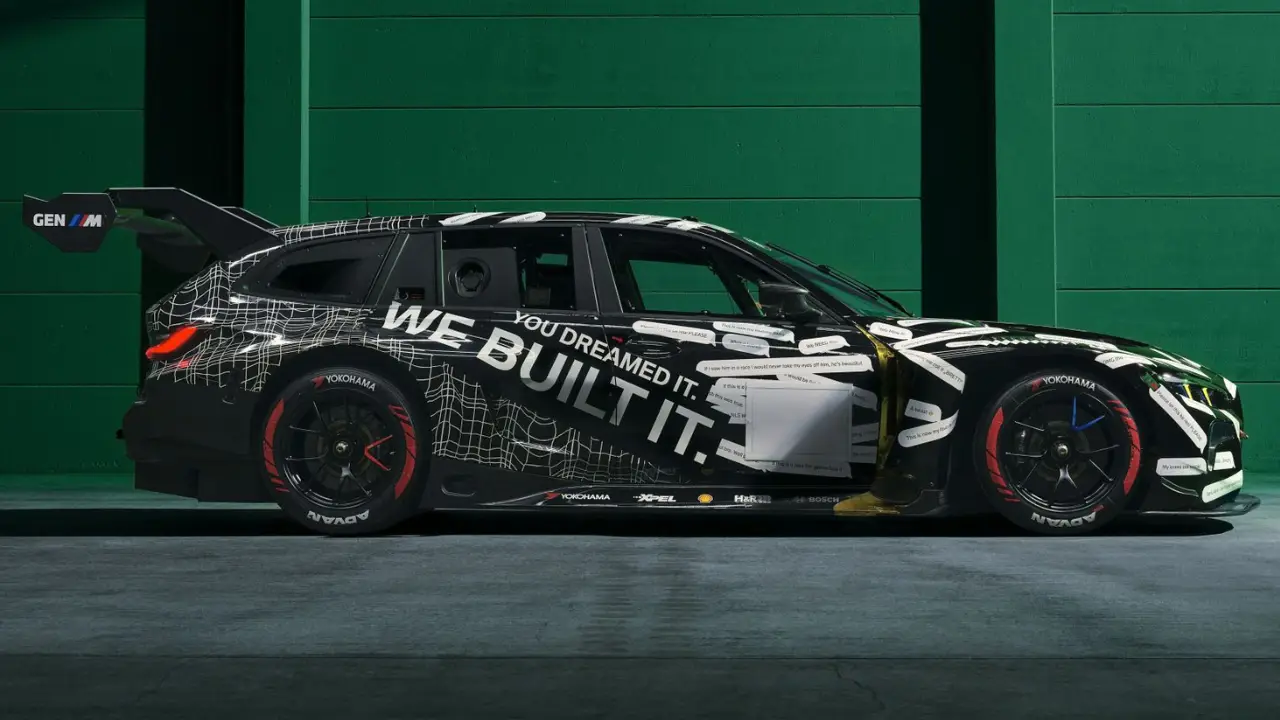
Also Read: From April Fool’s Joke to Reality: BMW M3 Touring GT3 Wagon to Race in 2026 Nurburgring 24H
This system produces a combined output of 463bhp and 645 Nm of torque. The electrical architecture supports rapid charging and forms part of a decarbonised supply chain.
-1773834928502.webp)
The vehicle achieves a provisional maximum range of 900km on the WLTP cycle. This range is aided by the aerodynamic profile and reduced weight of the chassis components.
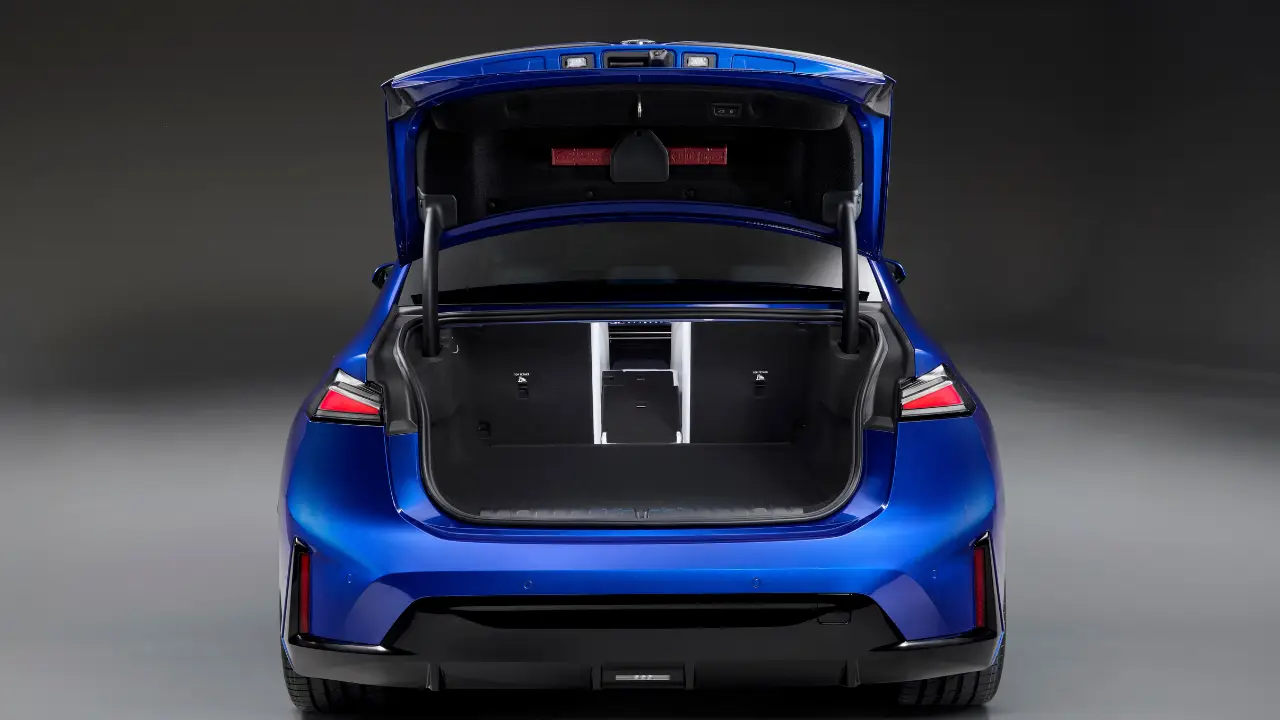
Driving dynamics are managed by the Heart of Joy central computer, which integrates powertrain and chassis functions. This system processes data ten times faster than previous units to provide more precise control over acceleration, braking and steering.