Hyundai Creta Electric, BMW iX1 LWB, BYD Sealion 7, and More: Top 5 EVs of 2025
In 2025, several anticipated electric cars made their entry into the Indian automotive segment. Here are the top five EVs to check out.
By Sanorita

Electric cars in India are gaining popularity due to factors such as longer ranges, faster charging, and localised production. In 2025, several highly anticipated models entered the Indian automotive scene, including the Hyundai Creta Electric and the Tata Harrier EV. Let's check out the top 5 EVs launched this year.
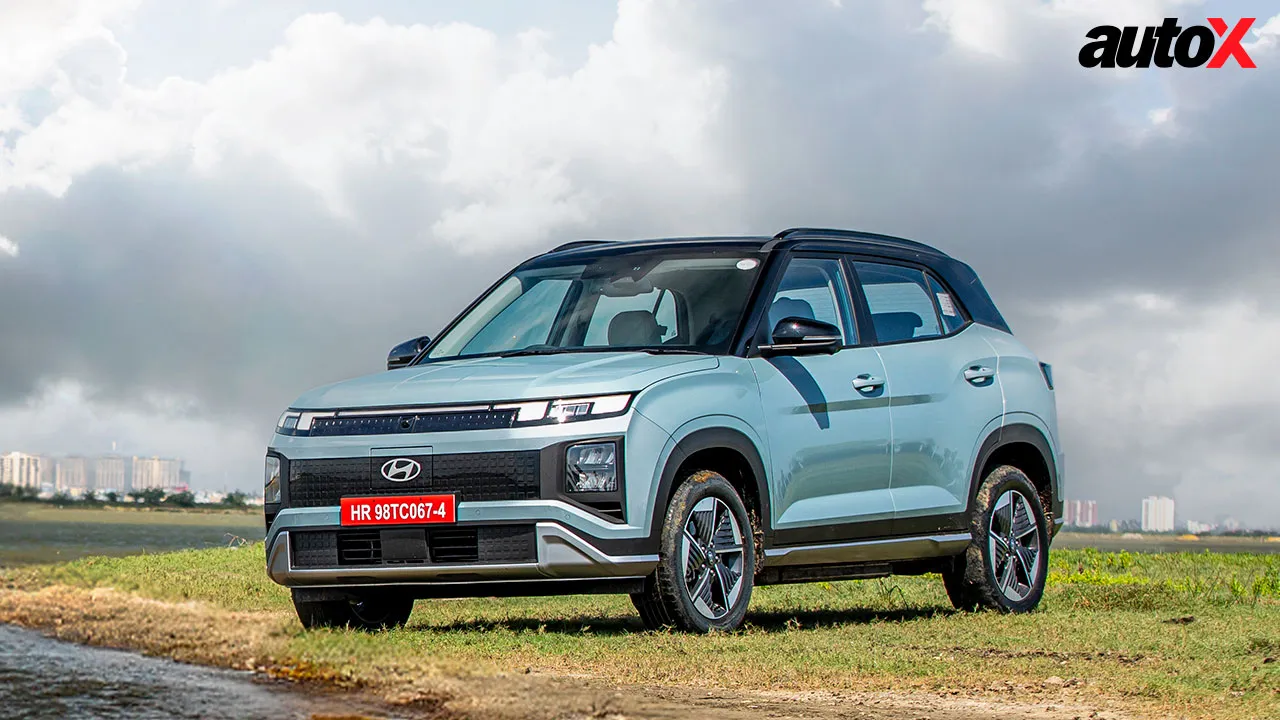
Hyundai Creta Electric
The Hyundai Creta Electric is among the top contenders in India’s car segment, with prices starting at Rs 18.02 lakh and Rs 24.70 lakh (ex-showroom). It was launched earlier this year, featuring the strengths of the ICE version while introducing new features such as a boss seat function and rain-sensing wipers. The Creta Electric is available with two battery options. The first option is a 42kWh battery pack with a range of 390 kilometres and 133bhp of maximum power. The second option is a bigger 51.4kWh battery that generates a peak power output of 169bhp and offers a range of 473 kilometres.
Also Read: Maruti Suzuki Victoris, Tata Sierra, and More: Top 5 SUVs of 2025
The Creta EV features an 11 kW AC charger, which can completely charge the 51.4kWh battery in just four hours and 50 minutes. It also offers a DC fast charging option, allowing the battery to charge from 10% to 80% in just 58 minutes.
Tata Harrier EV

The Tata Harrier EV, launched in June and priced from Rs 21.49 lakh (ex-showroom), is also one of the ideal options in the market. It closely follows the ICE version’s design while adding EV-specific features. The Tata EV comes in four colours plus a Stealth Edition and is built on an advanced Acti.ev platform with two battery options. The entry-level 65kWh rear-wheel-drive model delivers 235bhp, while the top-spec 75kWh dual-motor AWD version produces 390.5bhp and 504Nm, offering an MIDC-certified range of up to 627 kilometres. Charging takes about 10.7 hours via a 7.2 kW AC charger or 25 minutes from 20–80% with a 120 kW DC fast charger.
Kia Carens Clavis EV

Launched shortly after its ICE sibling in July, the Kia Carens Clavis EV has quickly emerged as a strong contender in the electric MPV segment. It is available in four variants (HTK Plus, HTX, HTX (Extended Range), and HTX Plus (Extended Range) and six colour options, including Glacier White Pearl and Aurora Black Pearl. Prices for the standard-range model start at Rs 17.99 lakh. The EV is powered by either a 51.4kWh battery offering an ARAI-certified range of up to 490 kilometres or a 42kWh pack with 404 kilometres of range. With a front-wheel-drive layout, a single front-mounted motor produces 169bhp and 255Nm, propelling the car from 0–100km/h in 8.4 seconds, and it supports 100 kW DC fast charging for quick top-ups.
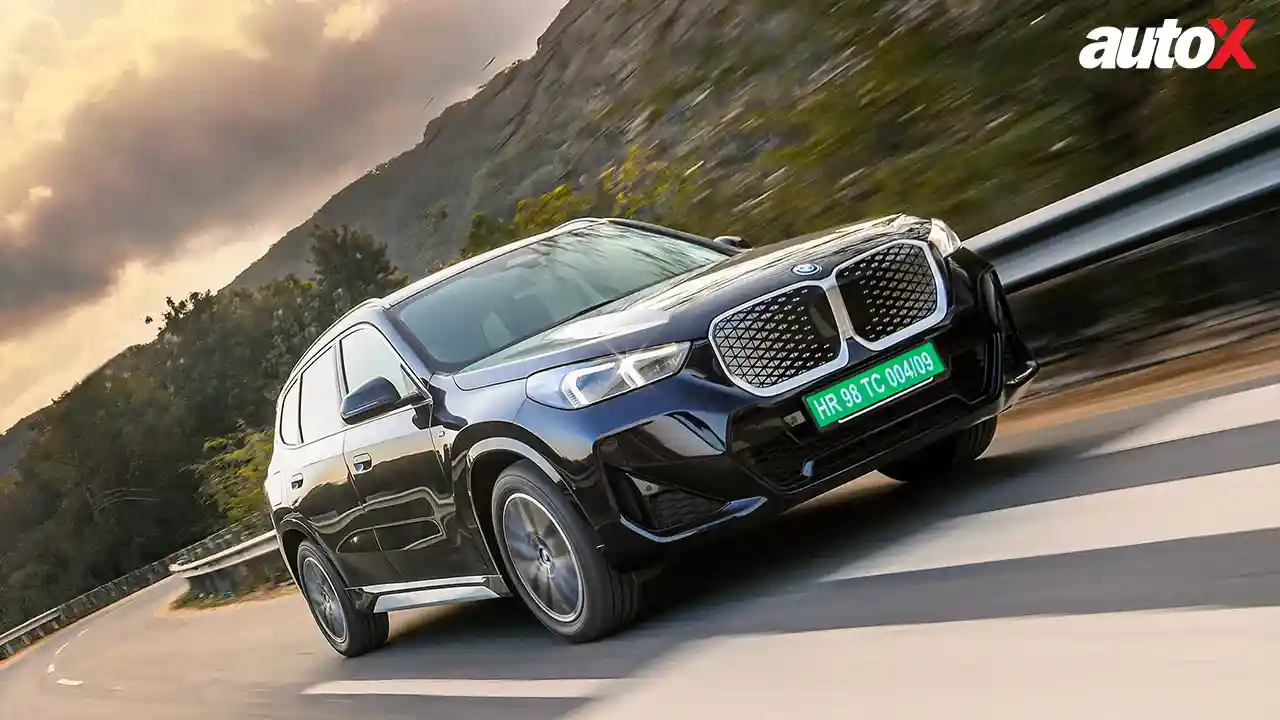
BMW iX1 LWB
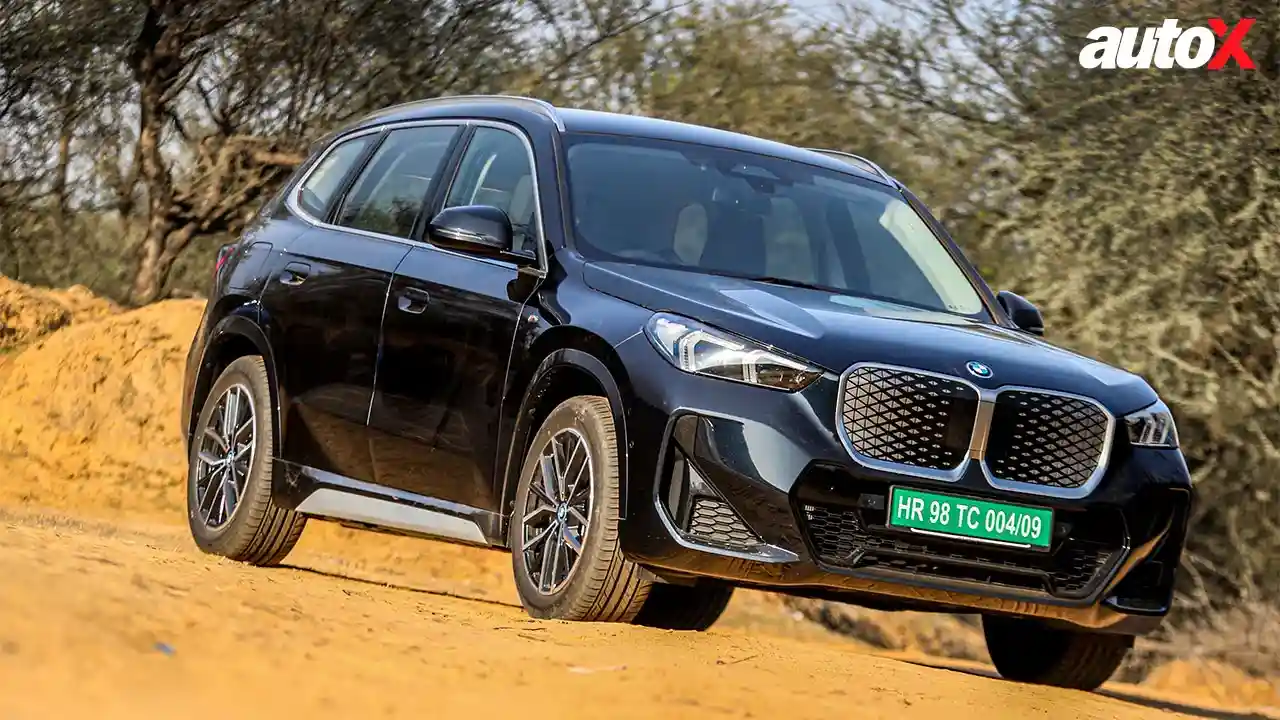
Positioned at the premium end of the EV spectrum, the BMW iX1 LWB (Long Wheelbase) made its way to the Indian market earlier this year with prices starting at Rs 49.90 lakh (ex-showroom). With a 2,800mm wheelbase, which is 108mm longer than the standard iX1, the BMW electric SUV targets buyers seeking a high-end electric alternative to traditional ICE SUVs. It is offered in the eDrive20L M Sport variant, and has a 66.4kWh battery and a single PMSM motor that produces 201bhp and 250Nm, enabling a range of 531 kilometres. A 130 kW DC charger takes the battery from 10–80% in 29 minutes, while an 11 kW AC charger or the included home wall box allows a full charge in around 6.5 hours.
BYD Sealion 7
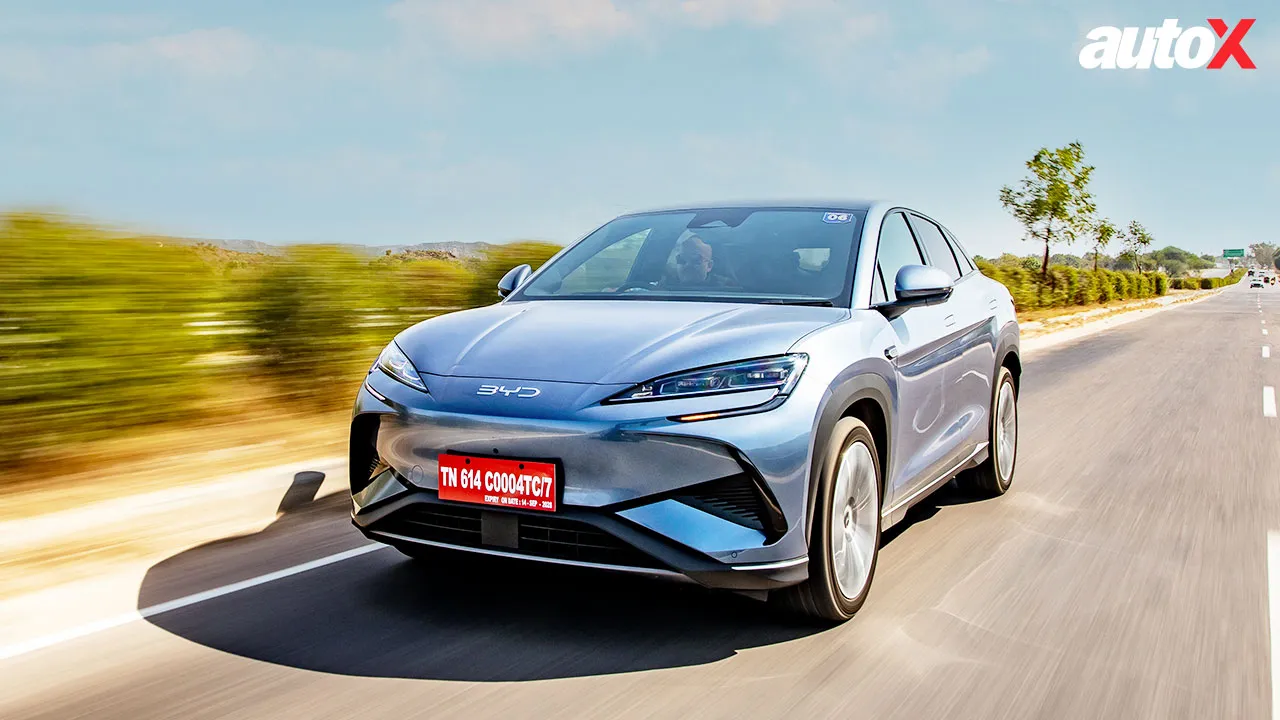
BYD launched the Sealion 7 in February, expanding the premium options in India’s EV market. The SUV comes in two variants – Premium and Performance – priced at Rs 48.90 lakh and Rs 54.90 lakh, respectively (ex-showroom).
Also Read: Mahindra XUV 7XO, Renault Duster, and More Upcoming SUVs in India
The BYD car is available in four colours (Cosmos Black, Atlantis Gray, Aurora White, and Shark Gray) and is equipped with a 15.6-inch rotating infotainment touchscreen. Mechanically, it comes in both RWD and AWD configurations, both powered by an 82.6kWh battery. The Premium RWD delivers 308bhp, 380Nm, and a range of 567 kilometres, while the Performance AWD ramps up to 523bhp, 690Nm, and a range of 542 kilometres. The EV accelerates 0–100 km/h in 4.5 seconds, and hits a top speed of 215km/h.