Hyundai Creta’s Dominance at Risk? Two Big SUV Launches Coming Soon
In January, the Creta (including its electric variant) registered sales of 17,921 units, showing a slight 3.24% YoY decline from 18,522 units last year but a notable MoM growth of 36.24%.
By Sanorita

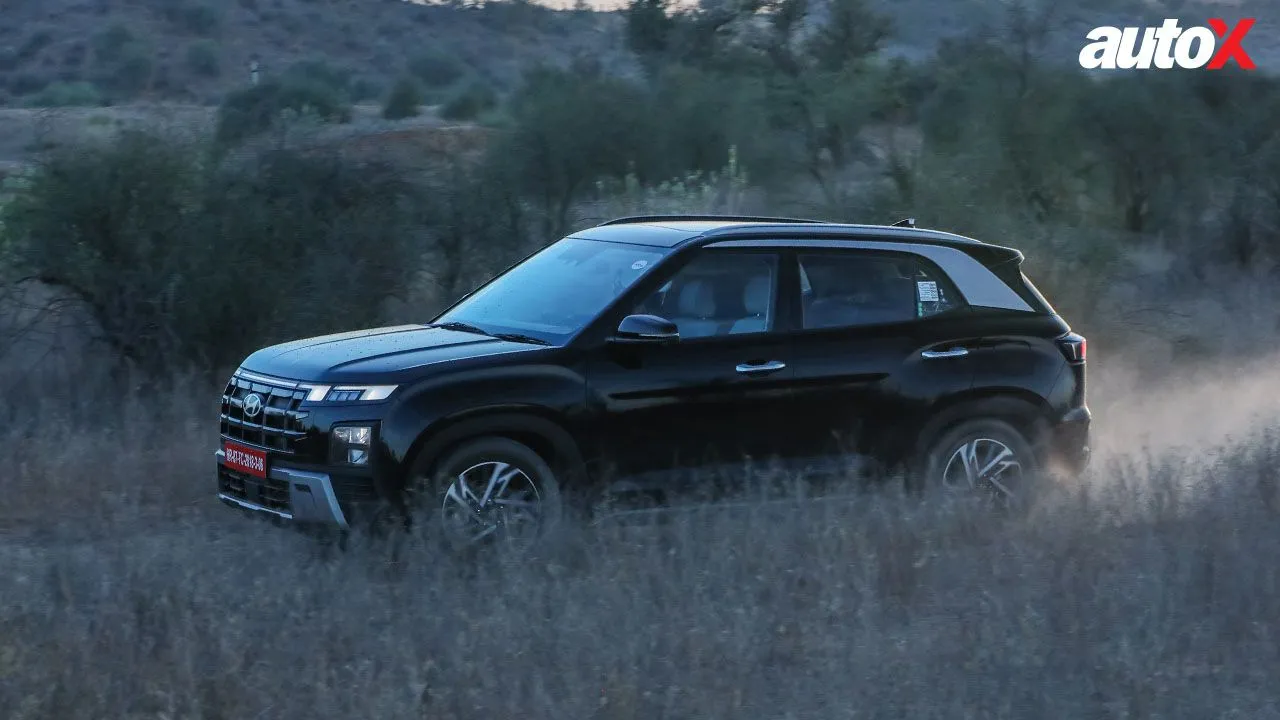
The Hyundai Creta sells like hotcakes in the mid-size SUV segment, consistently outselling rivals such as the Maruti Suzuki Grand Vitara and Honda Elevate. However, this dominance could soon face a challenge, with the Renault Duster, and the Skoda Kushaq Facelift set to hit the market, most likely in the month of March. In January 2026 alone, the Creta (including its electric variant) registered sales of 17,921 units, showing a slight 3.24% YoY decline from 18,522 units last year but a notable MoM growth of 36.24% over December 2025. The Duster will mark its return to India after a four-year hiatus, while the Kushaq is set to receive a full-fledged refresh since its launch in 2021. Whether these new contenders can dent the Creta’s dominance remains to be seen, but first, let’s take a closer look at their key highlights and specifications.
Renault Duster
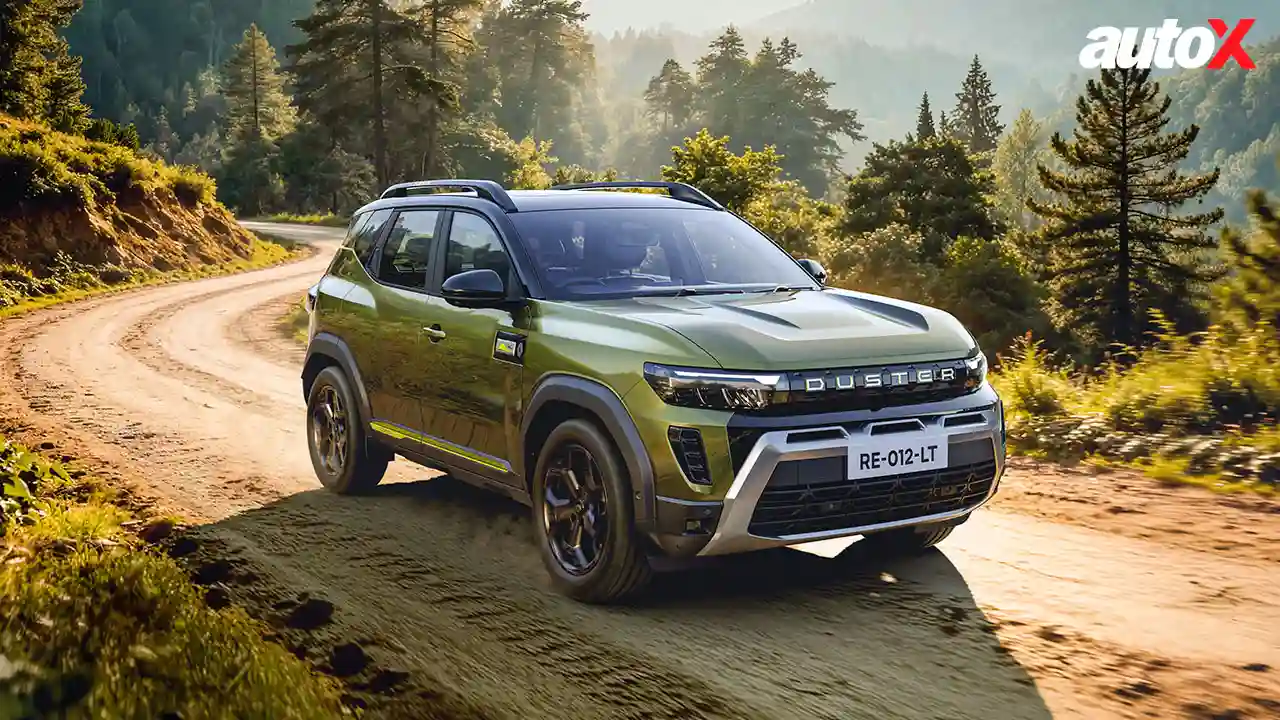
The third-generation Renault Duster is set to go on sale in India around mid-March. Design-wise, the SUV remains instantly recognisable, albeit with a few modern updates. The front is dominated by eyebrow-shaped LED DRLs, a wide grille with Duster lettering, and a silver-finished bumper insert. Black cladding runs along the sides, complemented by 18-inch alloy wheels. At the rear, the LED taillamps are connected by a light strip, and the SUV also features a roof-mounted spoiler, rear washer, and wiper.
Also Read: Maruti Suzuki Brezza Facelift to be Launched Soon – Here’s What Could Change
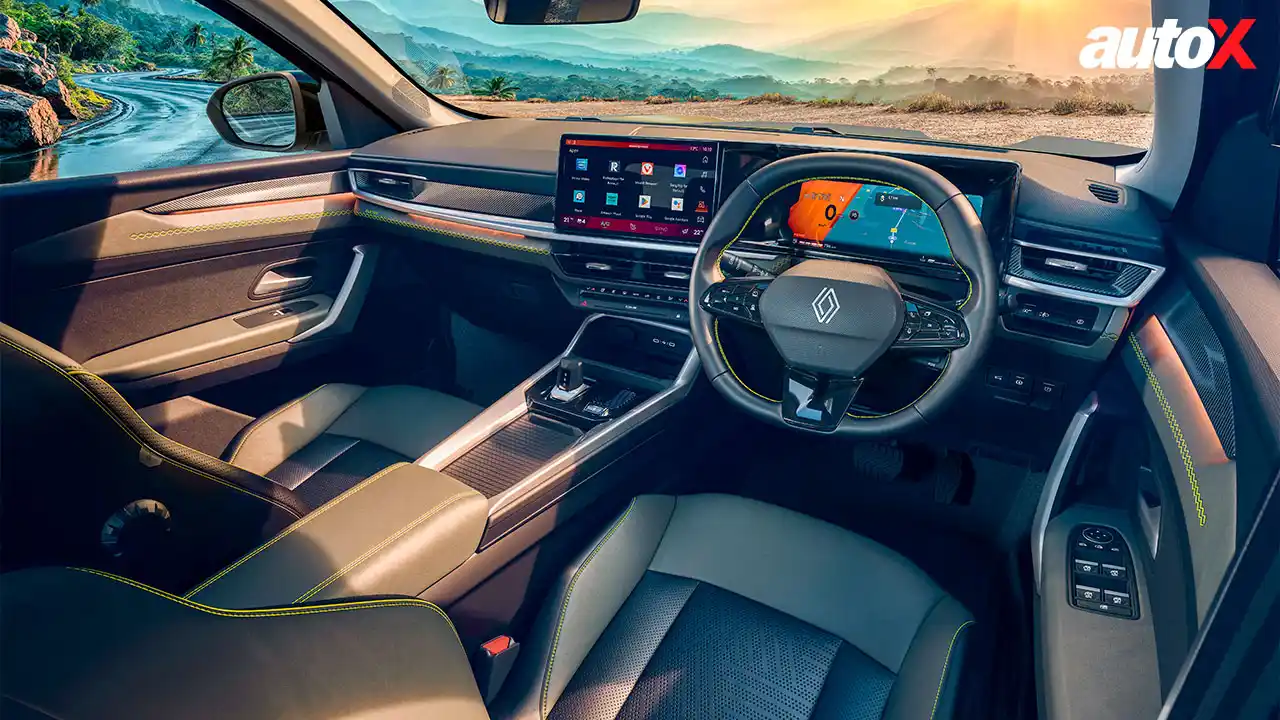
The all-new Duster has left behind its old-school layout for a more contemporary design. It features leatherette upholstery, a free-standing touchscreen and a digital instrument cluster. There’s also an adjustable front armrest and a rear armrest with cupholders. Other amenities include a 6-speaker Arkamys sound system, a 6-way power-adjustable and ventilated front seats, dual-zone auto AC, keyless entry with push button start/stop, and a panoramic sunroof. For safety, the SUV comes equipped with electronic stability control (ESC), six airbags, a 360-degree camera, ABS with EBD, rain-sensing wipers, all-wheel disc brakes, rear parking sensors, and ADAS.
The Duster comes with a strong hybrid powertrain for the first time, featuring a 1.8-litre petrol engine, a 48bhp electric motor, and a 19.7bhp hybrid starter generator to deliver a combined output of 158bhp and 172Nm. This hybrid variant is expected to arrive in India by Diwali 2026. Buyers can choose from two other engine options: a 1.3-litre turbo petrol producing 161bhp and 280Nm, available with a 6-speed manual or DCT, and a 1.0-litre turbo petrol with 99bhp and 160Nm, paired with a 6-speed manual gearbox.
Skoda Kushaq Facelift
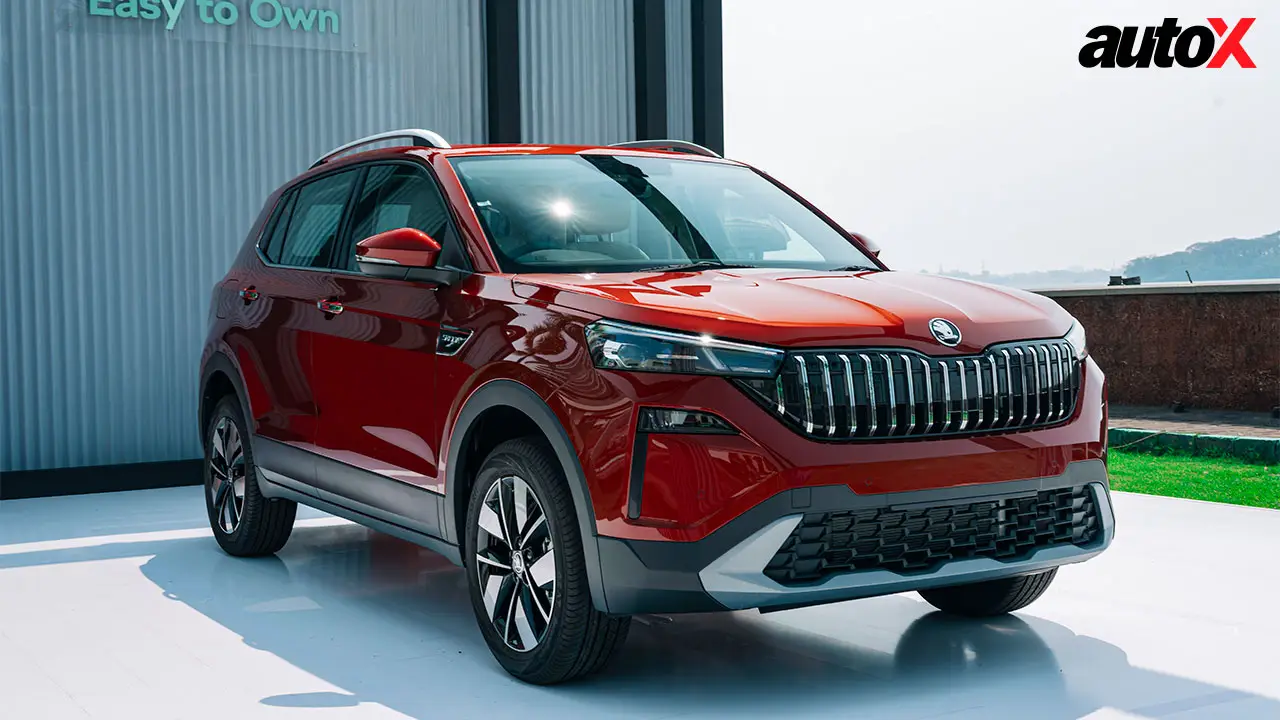
The 2026 Skoda Kushaq Facelift is another mid-size SUV entering the segment, with production officially commenced at the brand’s Chakan plant in Pune. Prices of the SUV are expected to be announced in March, while pre-bookings are now open. The facelifted Kushaq looks more dynamic, featuring a new grille, slender LED headlights with integrated DRLs, and a tweaked bumper. The SUV now rolls on redesigned alloy wheels and features new connected LED taillamps and a reshaped rear bumper.
The top-spec Skoda Kushaq Monte Carlo Edition adds a sportier vibe to the lineup, with blacked-out exterior accents, Monte Carlo badging, and subtle red highlights on the grille. The dual-tone alloy wheels, gloss black roof rails, complete the side profile, while the rear stands out with connected LED taillamps with illuminated ‘SKODA’ lettering and a roof spoiler.
Also Read: 969 Toyota Land Cruisers, 117 Lexus LXs Recalled in India Over Gearbox Software Glitch
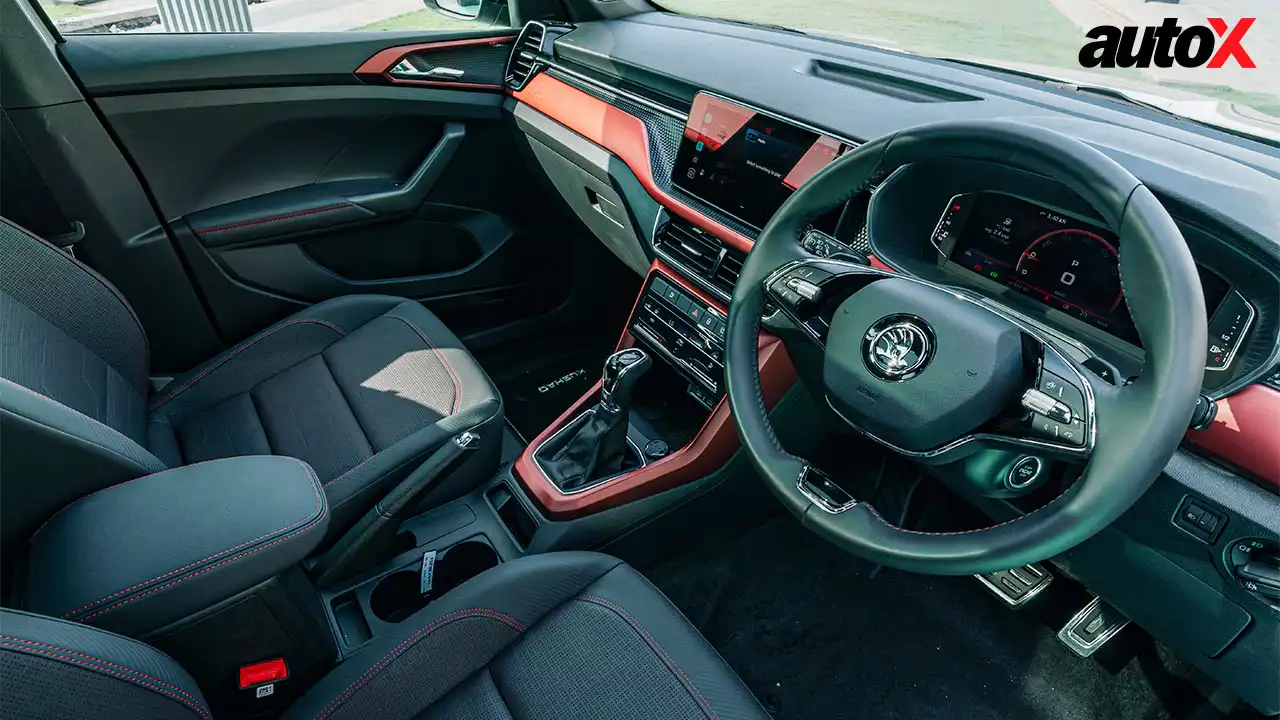
The interior now boasts refreshed upholstery and a redesigned dashboard, centered around a new 10.25-inch touchscreen infotainment system and a 10.25-inch digital instrument cluster. While the two-spoke steering wheel, automatic climate control, and front ventilated seats remain, Skoda has new amenities like a panoramic sunroof, rear seat massage function. Key safety features include six airbags, ESC, a tyre pressure monitoring system, ADAS, hill-hold control, traction control, and ISOFIX mounts.
That said, the Skoda SUV has the same engine lineup as before. The 1.0-litre TSI petrol churns out 113bhp and 178Nm, and is paired with either a 6-speed manual or 8-speed torque converter automatic. The 1.5-litre TSI petrol, on the other hand, produces 148bhp and 250Nm, and is mated to a DSG gearbox.
-1769438784307.webp "Upcoming Cars in India in March 2026: Renault Duster, Audi SQ8, and More")