India-Made Suzuki e Vitara Gets 4-star Safety Rating from Euro NCAP: Watch Video
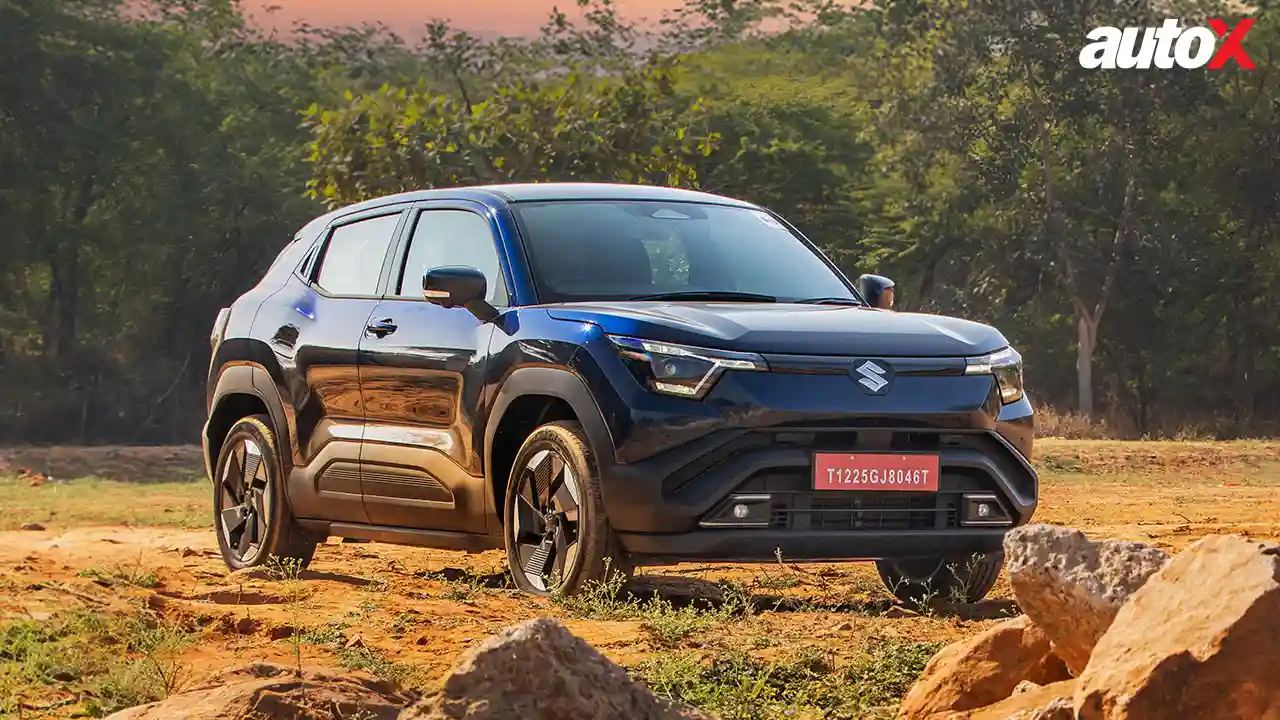
The made-in-India Suzuki e Vitara has earned a 4-star Euro NCAP safety rating. The tested model was the 61kWh GLX in a left-hand drive configuration.
By Sanorita


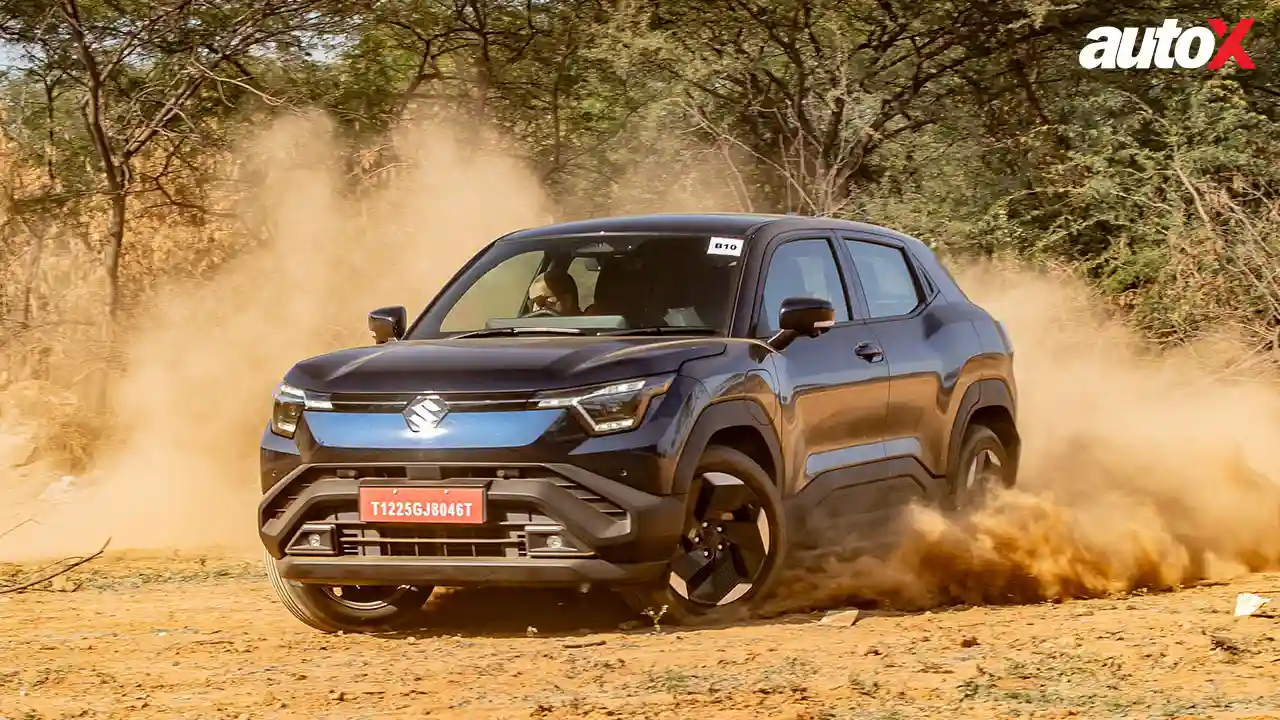
The made-in-India Suzuki e Vitara has attained a 4-star safety rating in the Euro NCAP crash tests. This comes shortly after production of the all-electric SUV began at Maruti Suzuki’s Hansalpur plant in Gujarat. The first batch of 2,900 units has already been shipped from Pipavav Port to 12 European countries, including the UK, Germany, France, and Norway. While the India launch is yet to happen, the e Vitara's performance at Euro NCAP crash tests sets a benchmark for domestically produced models and strengthens the Make-in-India initiative. Notably, the tested model was the 61kWh GLX variant of the electric SUV, configured with left-hand drive. Here's a comprehensive look at other details of the crash test.
Suzuki e Vitara: Adult Occupant Protection Rating Explained
The e Vitara scored 31 out of 40 points, or 77%, in the AOP category. The driver and front passenger's knees and femurs showed good protection during the frontal impact test. However, the driver's chest area exhibited only marginal shielding. It was also deemed weak in the full-width rigid barrier test. The rear passenger's head also had marginal limited protection.
Also Read: Maruti Suzuki e Vitara Export Begins; 2,900 Units Shipped from Gujarat to Europe
In both side impact tests, the driver's critical body parts received good protection. The front seats and headrests provided strong defense against whiplash, and the passenger compartment remained stable during the impact tests.
Suzuki e Vitara: Child Occupant Protection Rating Explained
The all-electric SUV attained a score of 42 out of 49 points (85%) in the category. In the frontal offset and side barrier tests, child dummies aged 6 and 10 were well protected across all critical body areas. While the SUV can properly accommodate all child restraint systems, it does not feature a child presence detection system.
Suzuki e Vitara: Vulnerable Road Users, and Safety Assist Ratings Explained
With a score of 79%, the e Vitara's exterior components provide good safety for pedestrians and cyclists. While the head protection was mostly good, the windscreen pillars showed less favourable results in the impact tests. The lower body parts, including the femur, knee, and tibia, were well protected. Moreover, the car’s automatic emergency braking system showed adequate effectiveness in detecting and responding to pedestrians and performed particularly well with motorcyclists. However, it does not protect against impacts from the rear.
The e-SUV scored 13 out of 18 (72%) in the Safety Assist category, thanks to a suite of Level 2 ADAS. The system features an autonomous emergency braking (AEB) system that performed well and earned a good rating for its ability to detect and respond to other vehicles on the road.
Also Read: Maruti Suzuki Victoris Debuts With Level 2 ADAS, Underbody CNG Tank, and More
Moreover, the Lane Keep Assist and Lane Departure Warning also worked effectively, offering smooth steering corrections to help the car stay within its lane. Other safety highlights include a 360-degree camera, TPMS, and up to 7 airbags.

-1764748009414.webp "Maruti Suzuki e Vitara Launch: Expected Arrival Date for Electric SUV in India")


