Kia Carens Clavis EV vs Hyundai Creta Electric Spec Comparison: What's Different?
While both EVs have the same starting price, the top-end variant of the Kia Carens Clavis EV is slightly more expensive, with a premium of Rs 1 lakh over its Hyundai rival.
By Sanorita

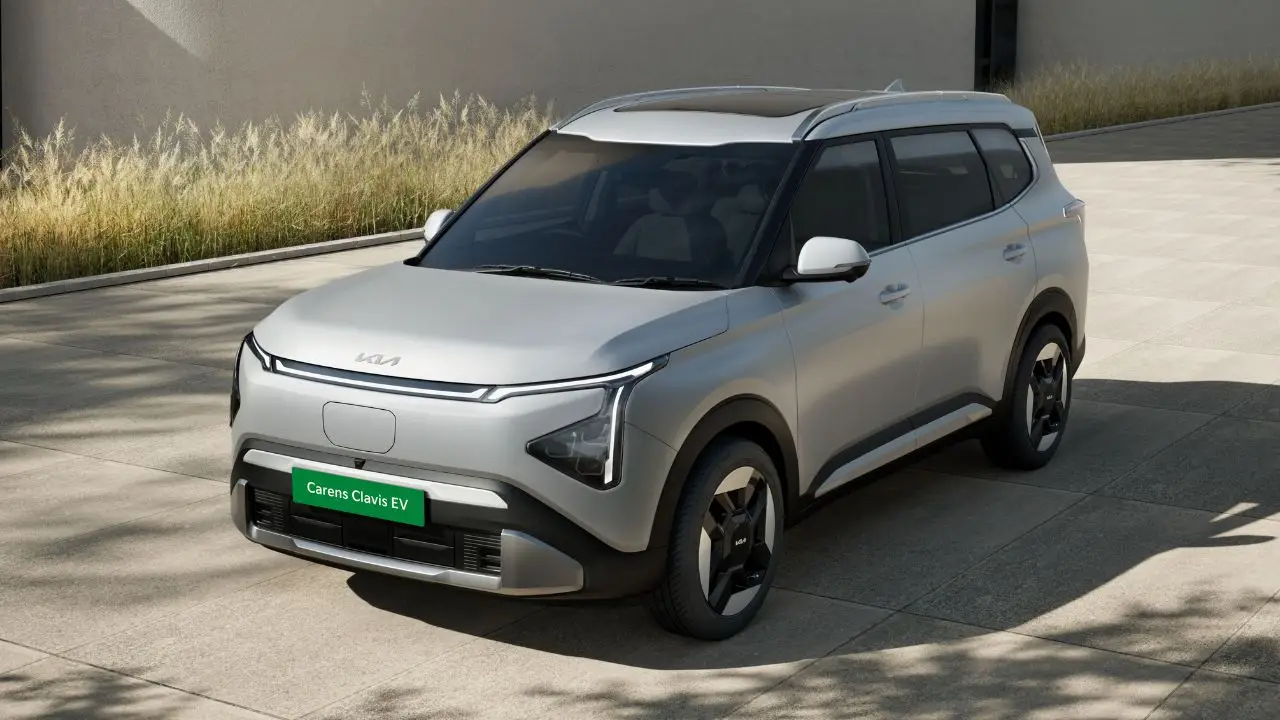
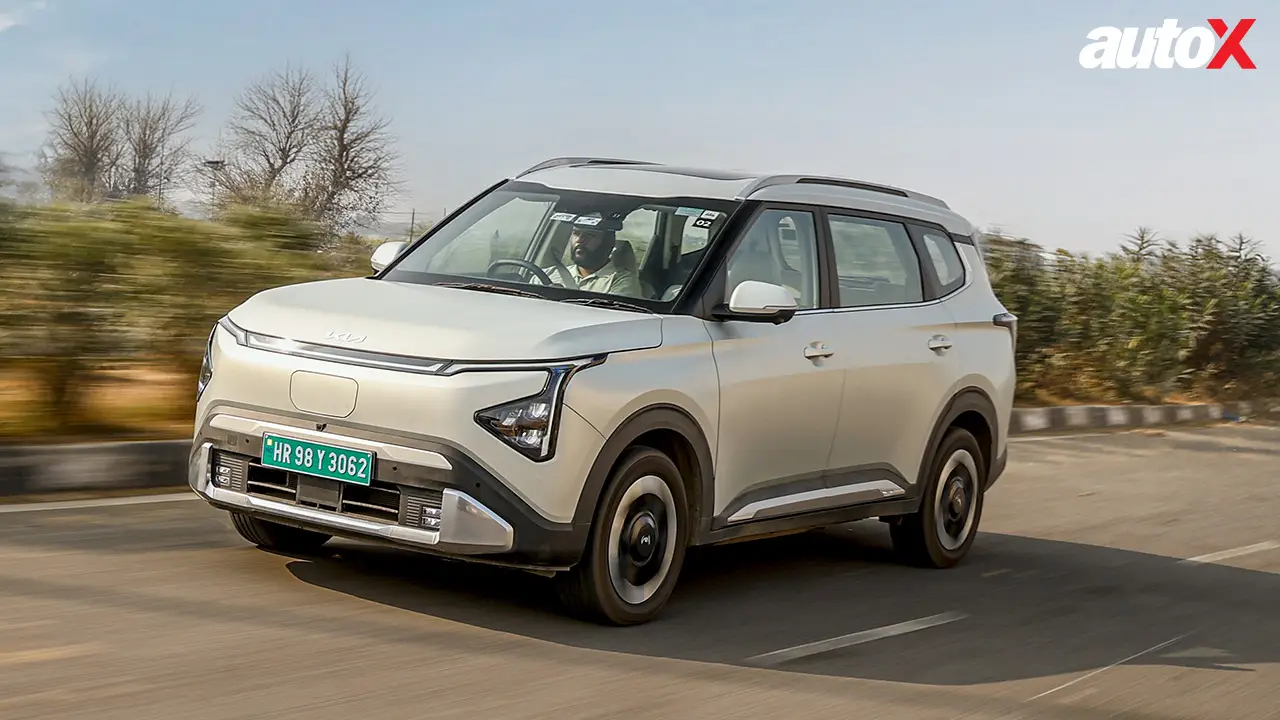
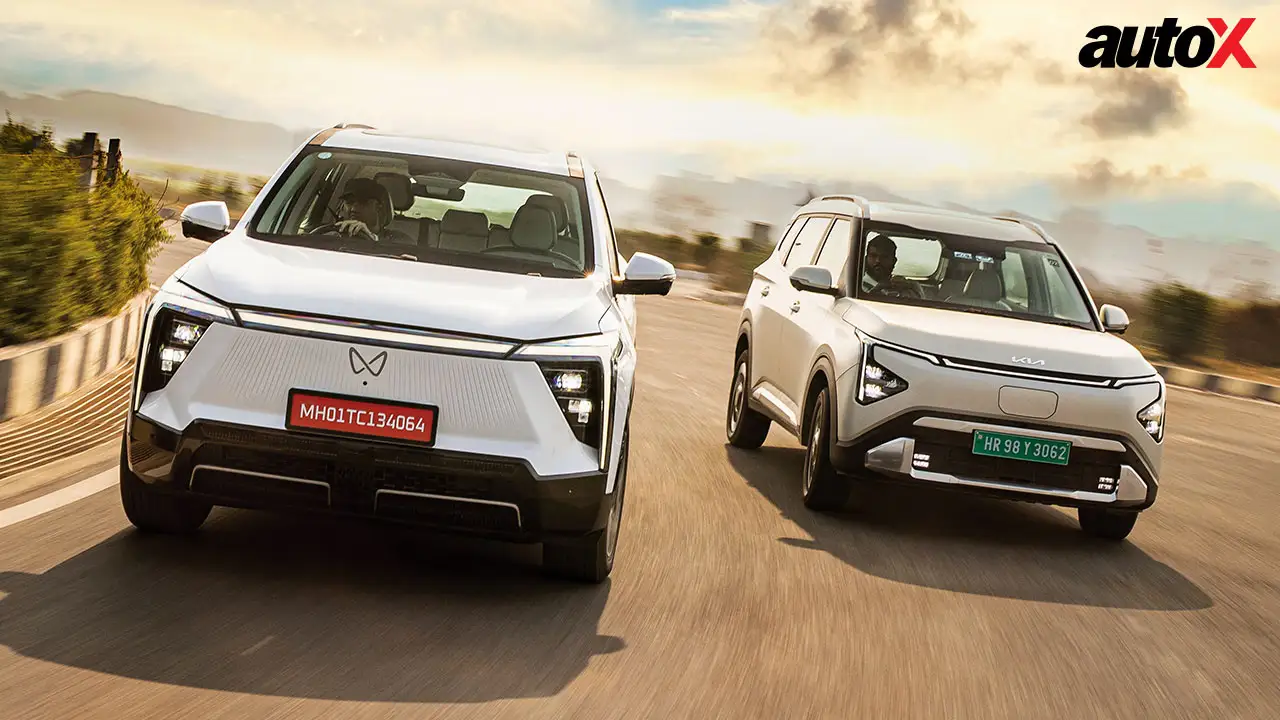
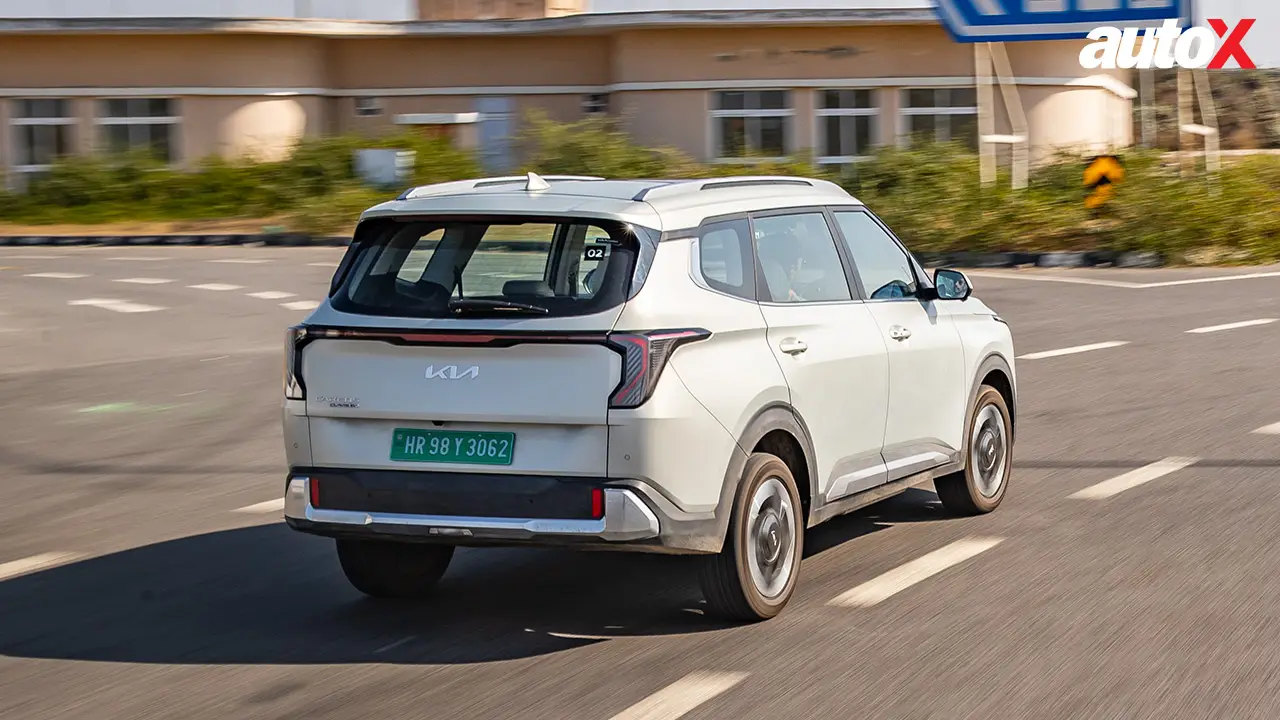
India’s electric vehicle market has got a new member: the Carens Clavis EV (the electrified sibling of Kia’s popular MPV). The three-row EV starts at Rs 17.99 lakh, similar to the Hyundai Creta Electric's base price. Moreover, it features the same powertrain configurations as its five-seater counterpart. Although their body styles and target audiences are different, the overlapping price range puts these two EVs head-to-head. We take a deeper look at their specs, features, and strengths to determine which one offers better value for buyers in India.
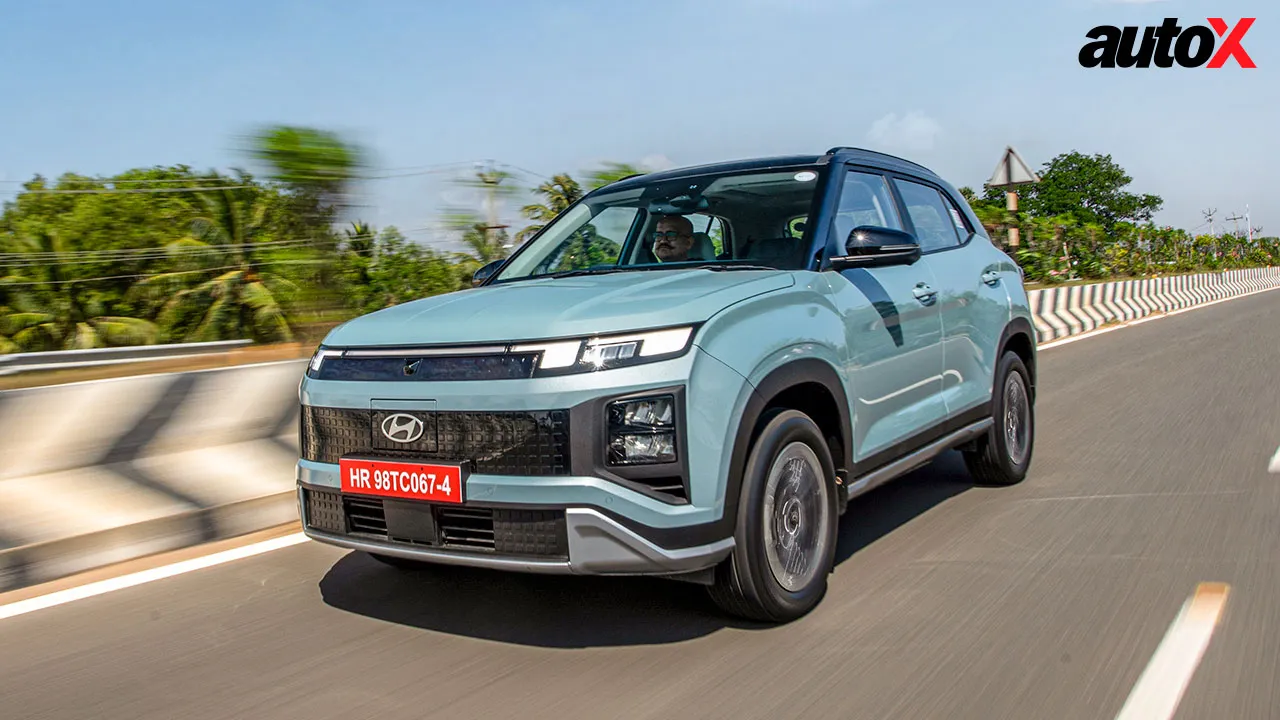
Kia Carens Clavis EV vs Hyundai Creta Electric: Powertrain
| Specification | Kia Carens Clavis EV | Hyundai Creta Electric |
| Battery Options | 42 kWh / 51.4 kWh | 42 kWh / 51.4 kWh |
| Power Output | 133bhp (42kWh) / 169bhp (51.4kWh) | 133bhp (42kWh) / 169bhp (51.4kWh) |
| Range | 404 km (42kWh) / 490 km (51.4kWh) | 390 km (42kWh) / 473 km (51.4kWh) |
| Transmission | Single-speed automatic | Single-speed automatic |
The Carens Clavis EV comes with an entry-level 42kWh battery and a single front-mounted motor that produces 133bhp and 255Nm of torque. It offers an ARAI-claimed range of 404 kilometres. While its power output matches that of the Creta EV, the Carens delivers slightly higher torque and a longer range compared to the Creta’s 42kWh variant, which has a claimed range of 390 kilometres.
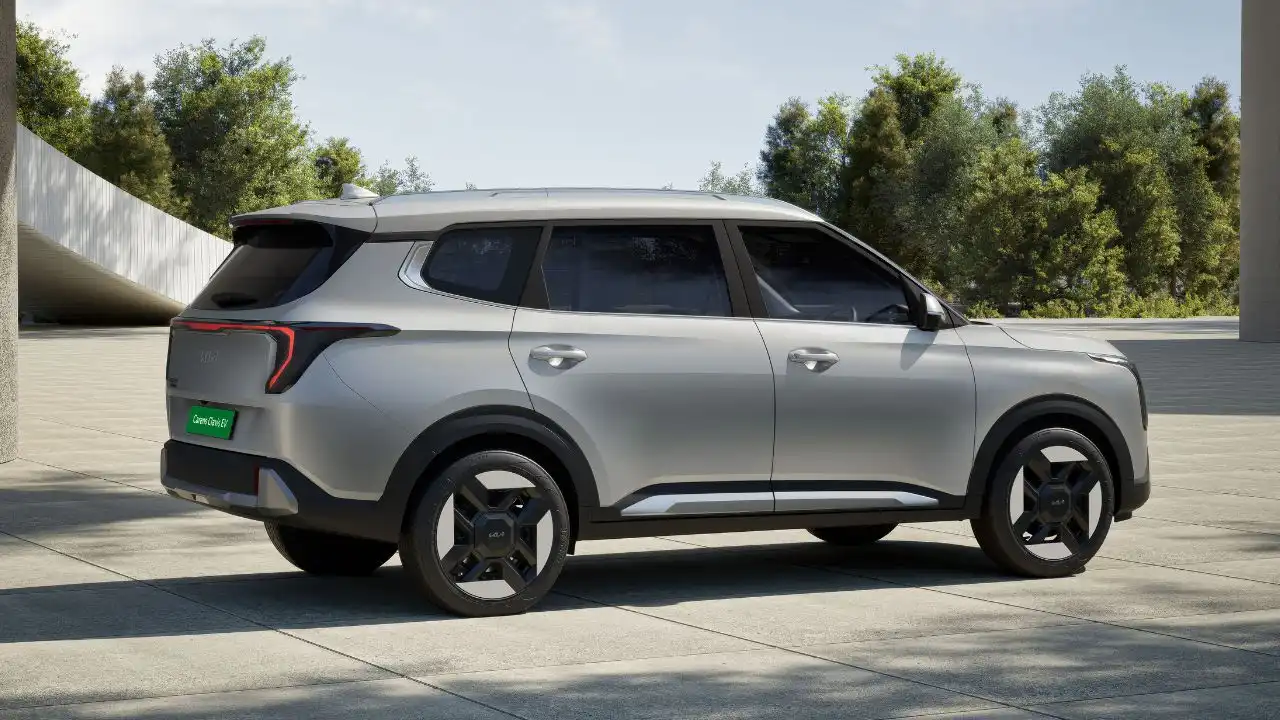
The Carens Clavis EV also offers a larger 51.4kWh battery option, boosting power to 169bhp and extending the ARAI-claimed range to 490 kilometres. While the power output matches that of the Creta EV’s higher variant, the Carens edges ahead with a longer range compared to the Creta’s 473 kilometres.
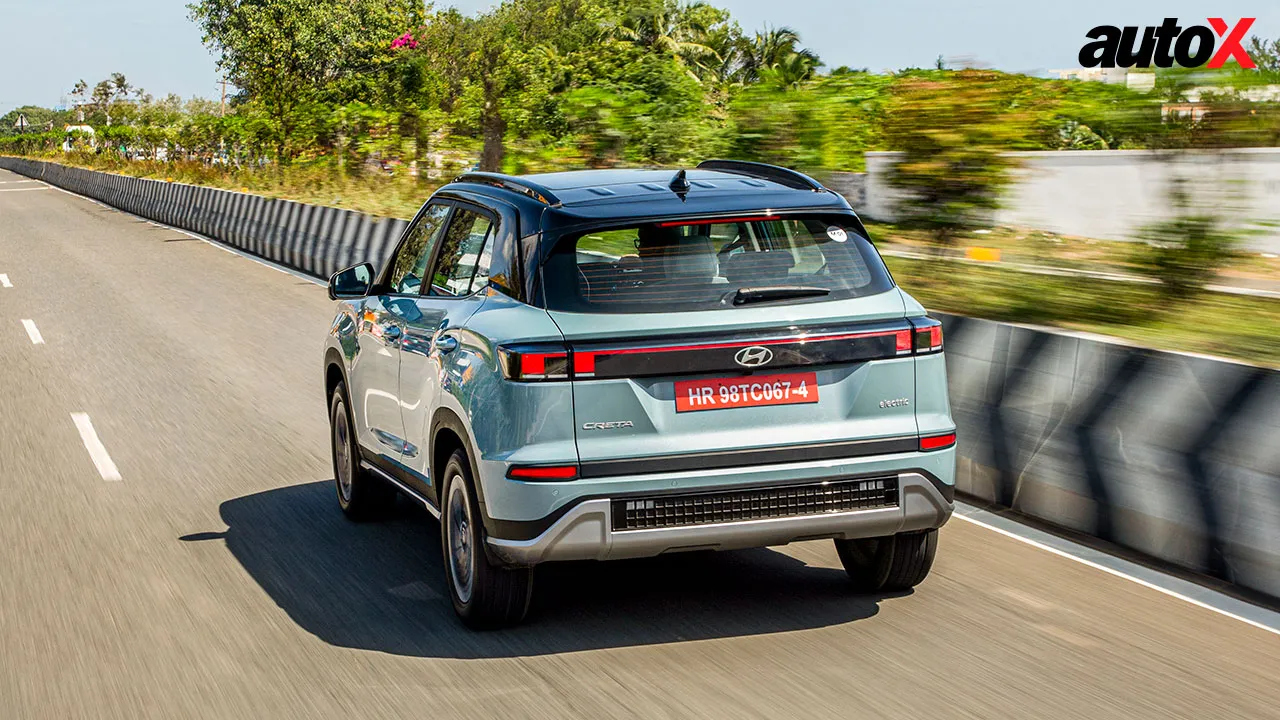
In terms of charging, the Carens Clavis EV supports 7.4kW and 11kW AC chargers, as well as 100kW DC fast chargers. The 11kW AC charger can replenish the 42kWh battery from 10 to 100% in about 4 hours, and the larger 51.4kWh battery in roughly 4.75 hours. On the other hand, the 100kW DC fast charger can take both battery variants from 10 to 80% charge in just 39 minutes. In comparison, the Creta EV comes equipped with an 11 kW AC charger that can fully recharge its 51.4kWh battery in just 4 hours and 50 minutes. It also supports DC fast charging, allowing the battery to jump from 10% to 80% charge in 58 minutes.
Kia Carens Clavis EV vs Hyundai Creta Electric: Dimensions
| Dimension | Kia Carens Clavis EV | Hyundai Creta Electric | Difference |
| Length | 4,550mm | 4,340mm | +210mm |
| Width | 1,800mm | 1,790mm | +10mm |
| Height | 1,730mm | 1,655mm (without roof rails) | +75mm |
| Wheelbase | 2,780mm | 2,610mm | +170mm |
The Carens Clavis EV is notably larger, measuring 4,550mm in length, 1,800mm in width, and 1,730mm in height, with a wheelbase of 2,780mm. In comparison, the Creta Electric is more compact at 4,340mm long, 1,790mm wide, and 1,655mm tall (including roof rails), with a shorter wheelbase of 2,610mm. The extra size in the Carens translates to more interior space, particularly benefiting its three-row seating layout compared to the Creta’s two-row setup.
Kia Carens Clavis EV vs Hyundai Creta Electric: Features
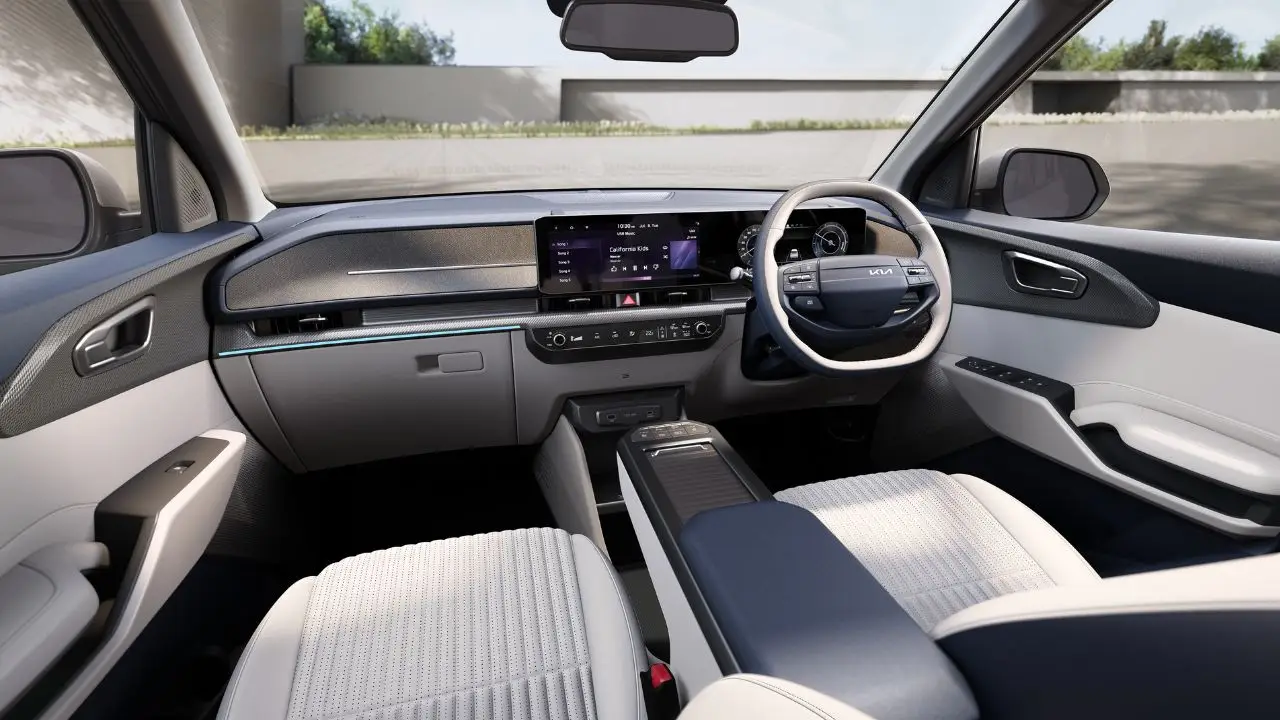
The Kia Carens Clavis EV comes packed with a more comprehensive feature kit, including dual 12.3-inch displays. Other amenities include an 8-speaker Bose audio system, Vehicle-to-Load (V2L), panoramic sunroof, a powered driver’s seat, ventilated front seats, and ambient lighting. On the safety front, the Kia EV includes a 360-degree camera, parking sensors at both ends, six airbags as standard, ESC, and Level 2 ADAS.
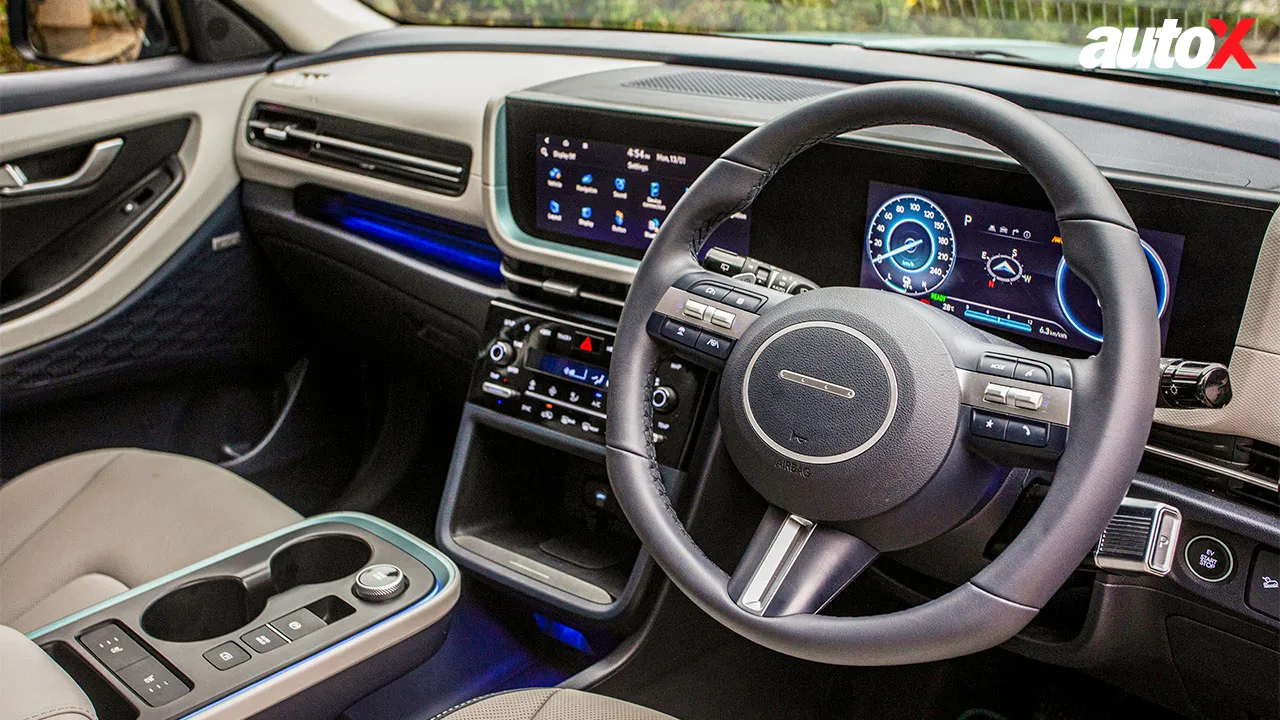
The Creta Electric, while still well-equipped, offers slightly smaller dual 10.25-inch displays. It also offers a panoramic sunroof, six airbags, a 360-degree camera, and an 8-speaker Bose sound system. It also features ADAS SmartSense Level 2.
Kia Carens Clavis EV vs Hyundai Creta Electric: Price
The Carens Clavis EV is priced between Rs 17.99 lakh and Rs 24.49 lakh (ex-showroom), while the Hyundai Creta Electric ranges from Rs 17.99 lakh to Rs 24.38 lakh. While both EVs share the same starting price, the top-end variant of the Clavis EV is slightly more expensive, commanding a premium of Rs 1 lakh over its Hyundai rival.