Maruti Suzuki Victoris vs Hyundai Creta: Features, Specs, and Price Compared
Here's how the newly launched Maruti Suzuki Victoris stacks up against its closest rival, the Hyundai Creta, across multiple factors.
By Sanorita

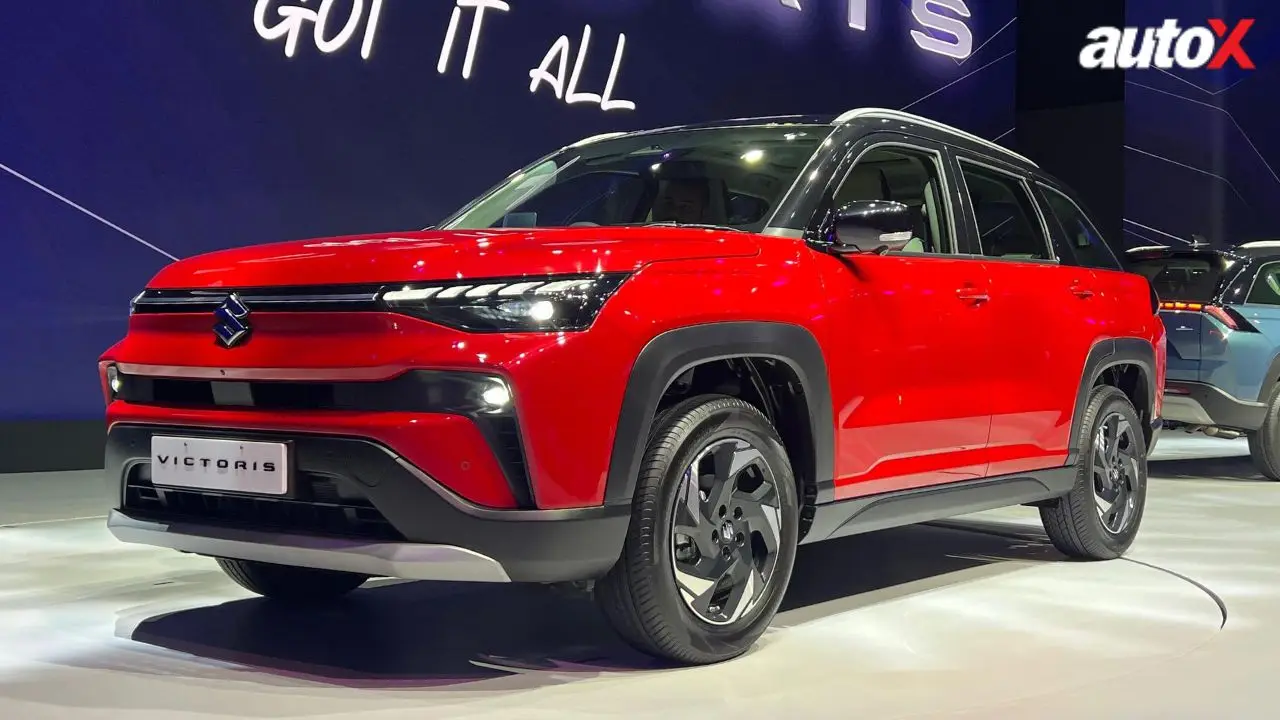
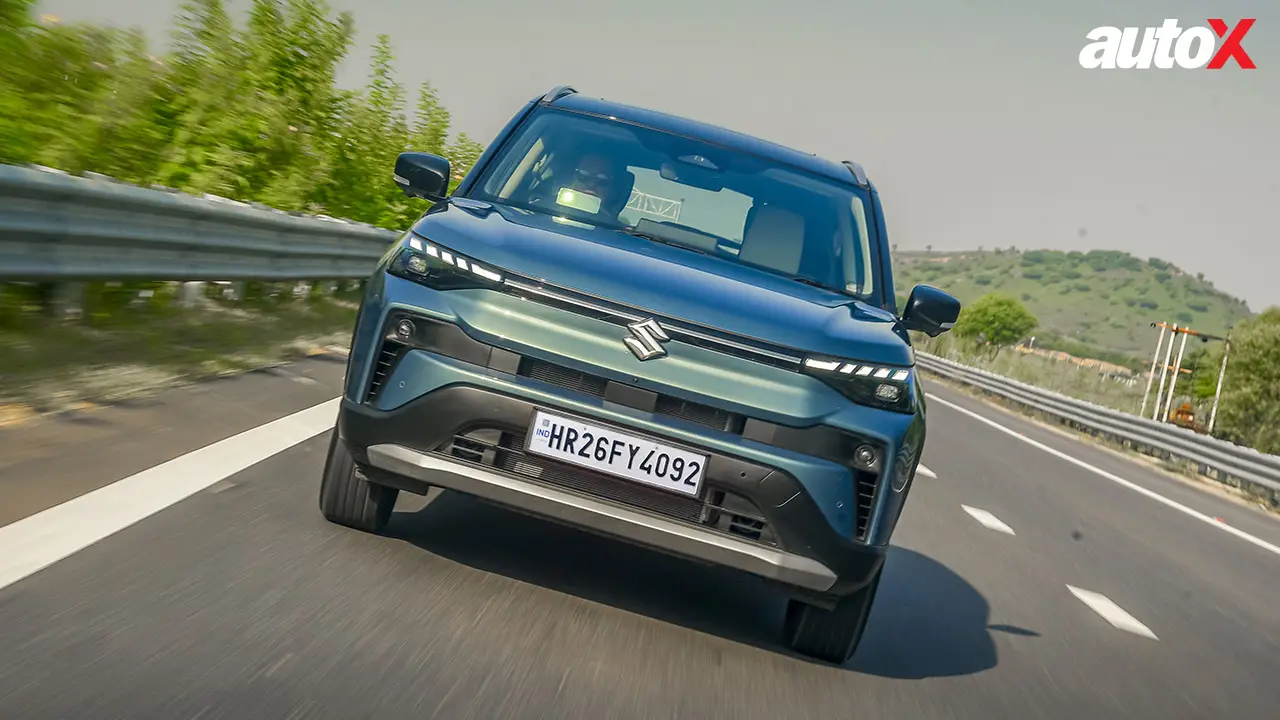
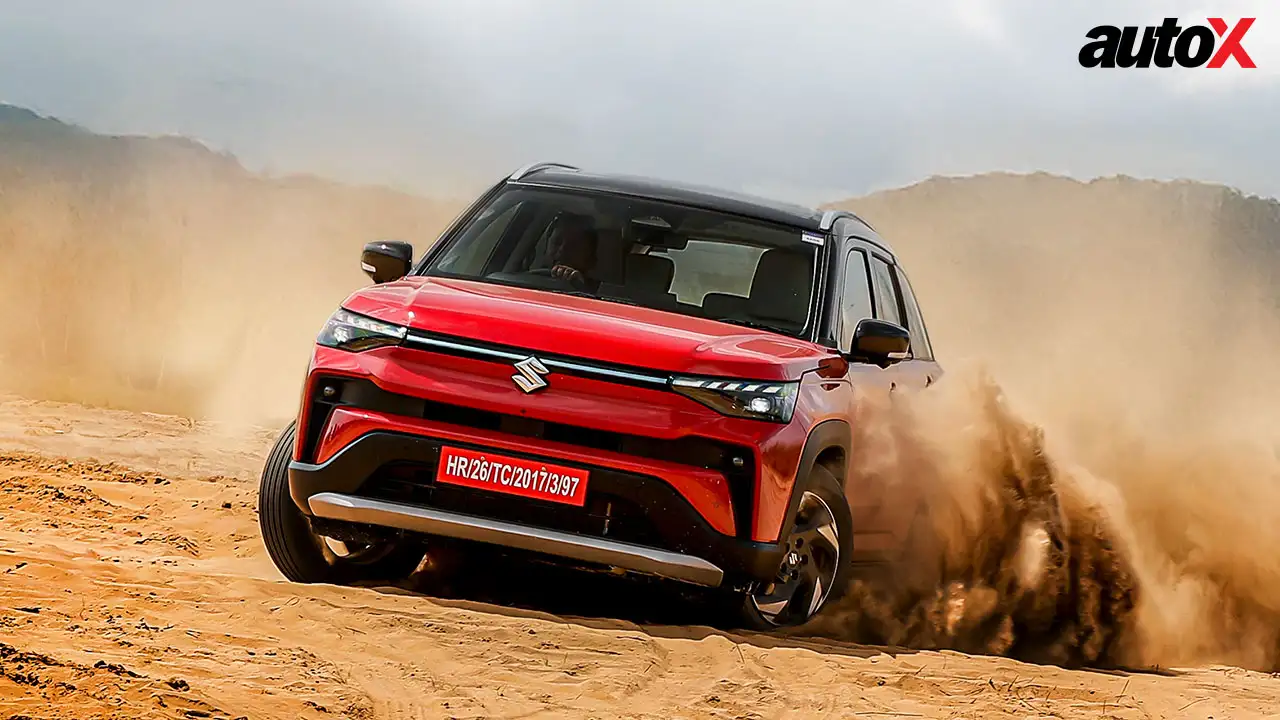
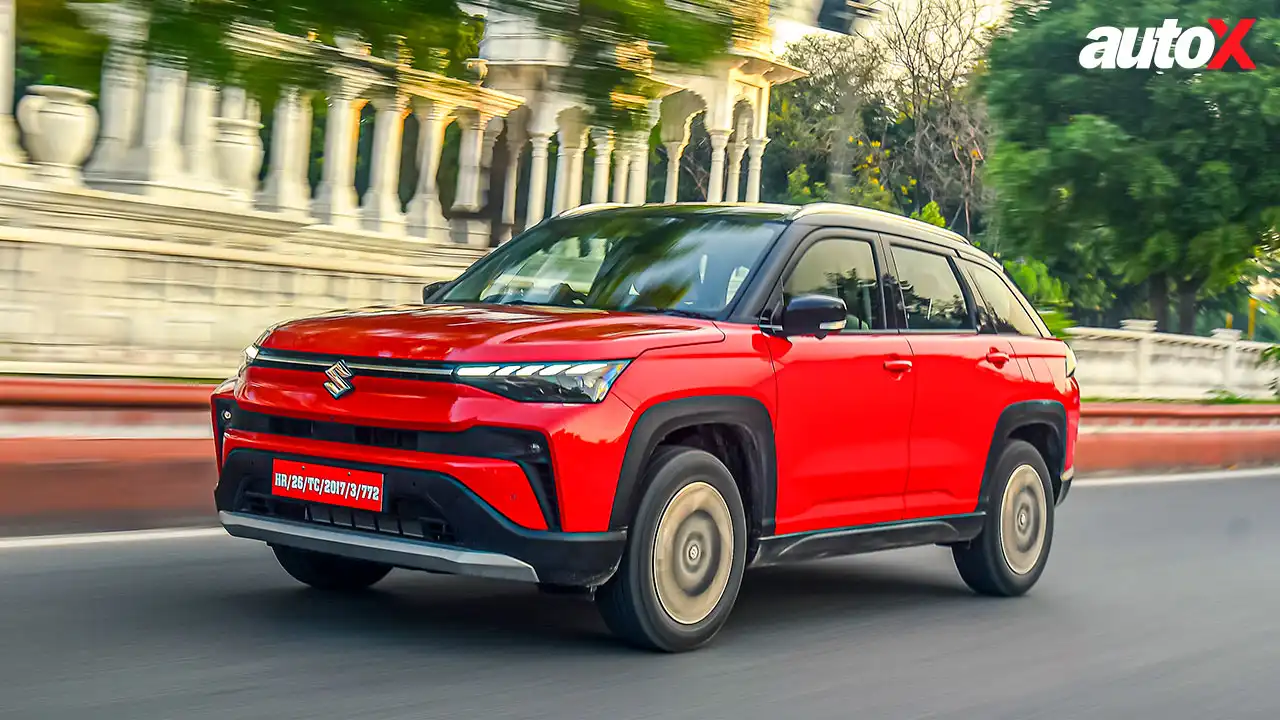
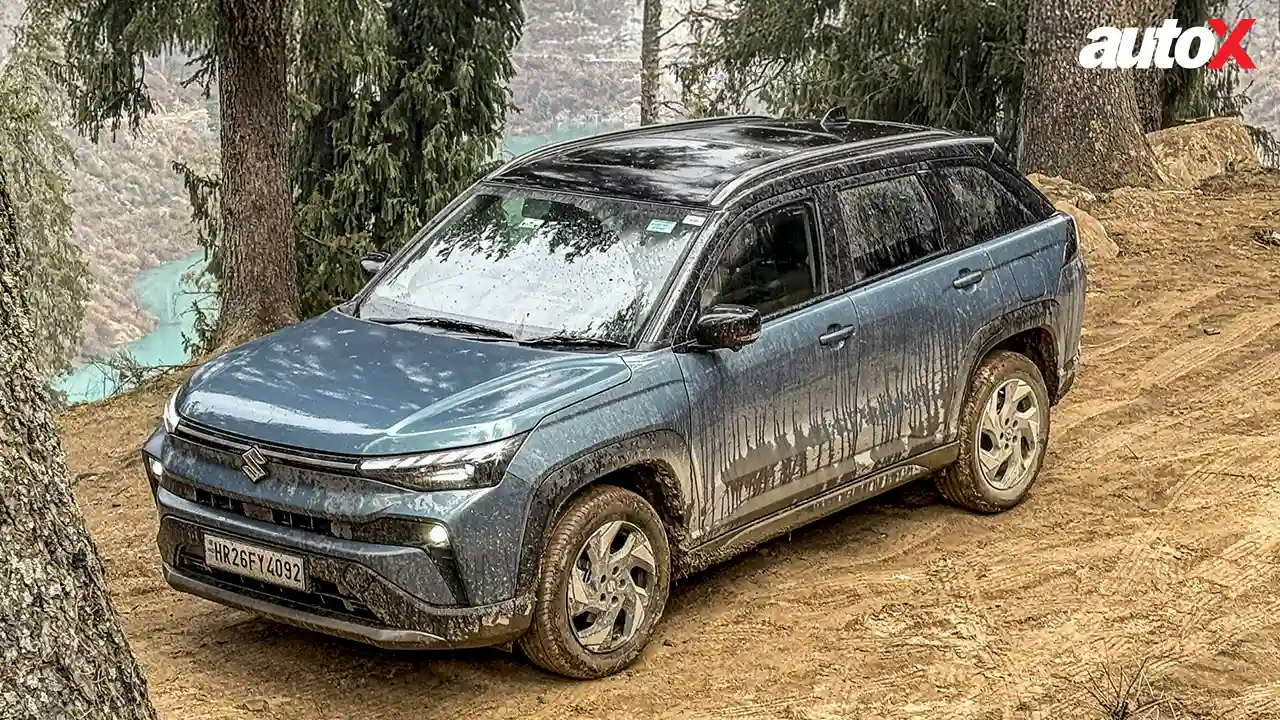
Maruti Suzuki recently launched the Victoris SUV in India, with introductory prices starting at Rs 10.50 lakh (ex-showroom). The mid-size SUV has six core variants: LXI, VXI, ZXI, ZXI(O), ZXI+, and ZXI+(O). It is available with three powertrain options, including mild-hybrid petrol, strong-hybrid, and petrol-CNG. While the Victoris competes against many models in the crowded compact SUV segment, its most formidable rival is the Creta, Hyundai's best-selling model. We compare these two SUVs from different manufacturers to determine which offers the best value.
Maruti Suzuki Victoris vs Hyundai Creta: Engine
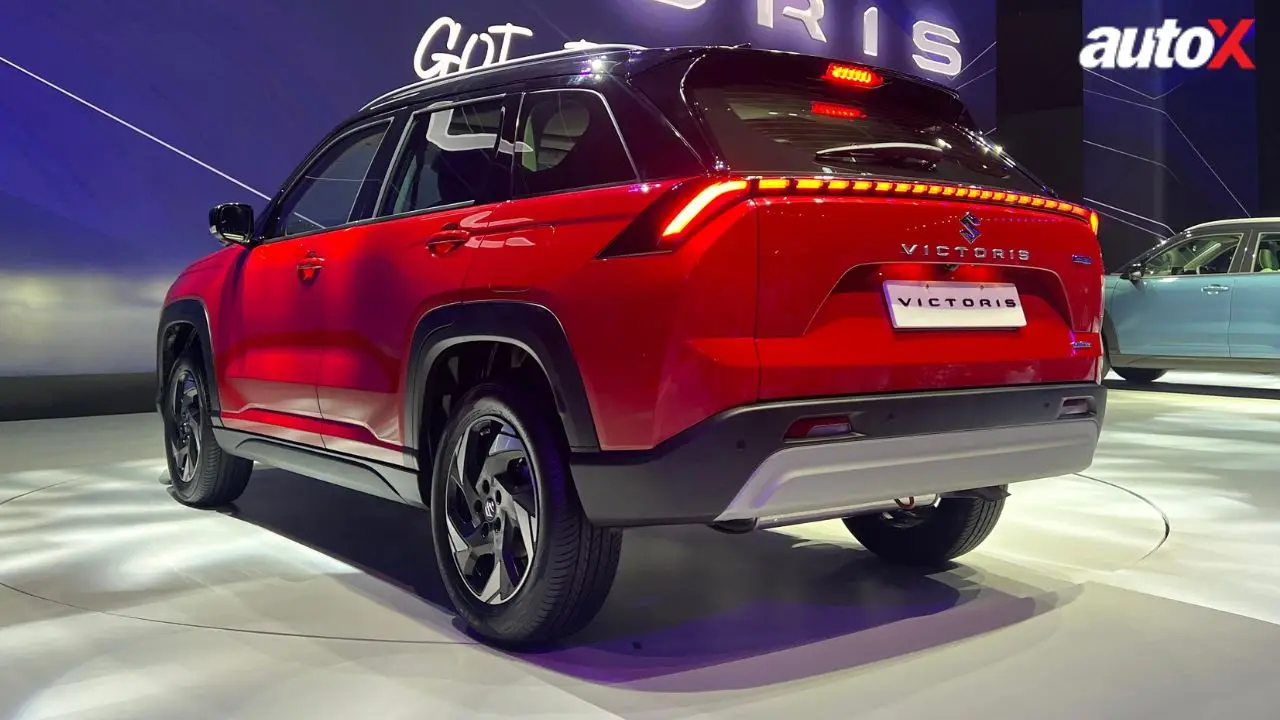
Both SUVs offer multiple powertrain options, but they differ significantly in nature. The Victoris is available as a hybrid (with options for both mild and strong hybrid configurations). Its 1.5-litre naturally aspirated petrol engine with mild-hybrid technology produces 102bhp and 137Nm, and can be paired with either a 5-speed manual transmission or a 6-speed automatic transmission.
Also Read: Maruti Suzuki Victoris Launched in India at Rs 10.50 Lakh
The NA petrol engine is also available with a factory-fitted CNG system (with an underbody tank, a first for Maruti Suzuki), and a single 5-speed manual gearbox. Meanwhile, the 1.5-litre strong-hybrid mill generates 114.4bhp and 141Nm, and is exclusively paired with an e-CVT.
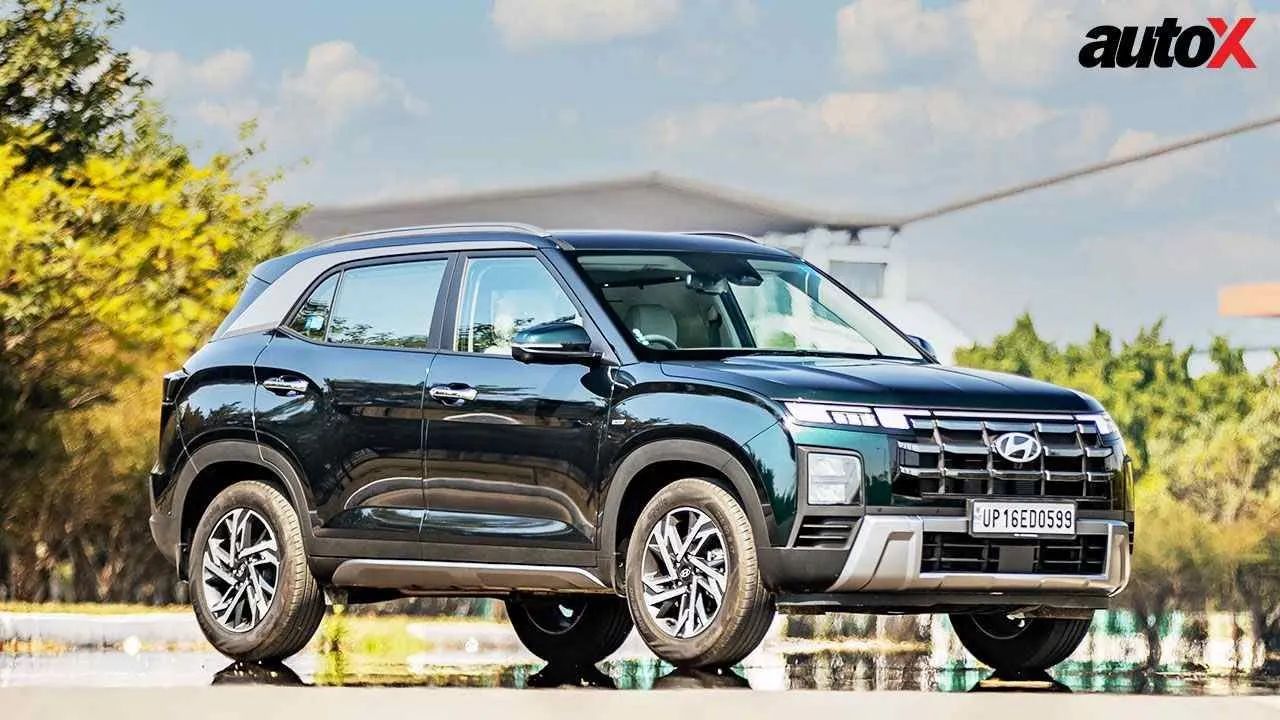
The Hyundai Creta is also available with three powertrain options. The first is a 1.5-litre naturally aspirated petrol engine that produces 113bhp and 144Nm, and is paired with either a 6-speed manual or IVT (automatic) transmission. The second option is a 1.5-litre turbocharged petrol unit that churns out 158bhp and 253Nm, mated to a 7-speed DCT. Finally, there is a 1.5-litre diesel engine, which produces 114bhp and 250Nm, and is mated to either a 6-speed AT or a 6-speed manual transmission.
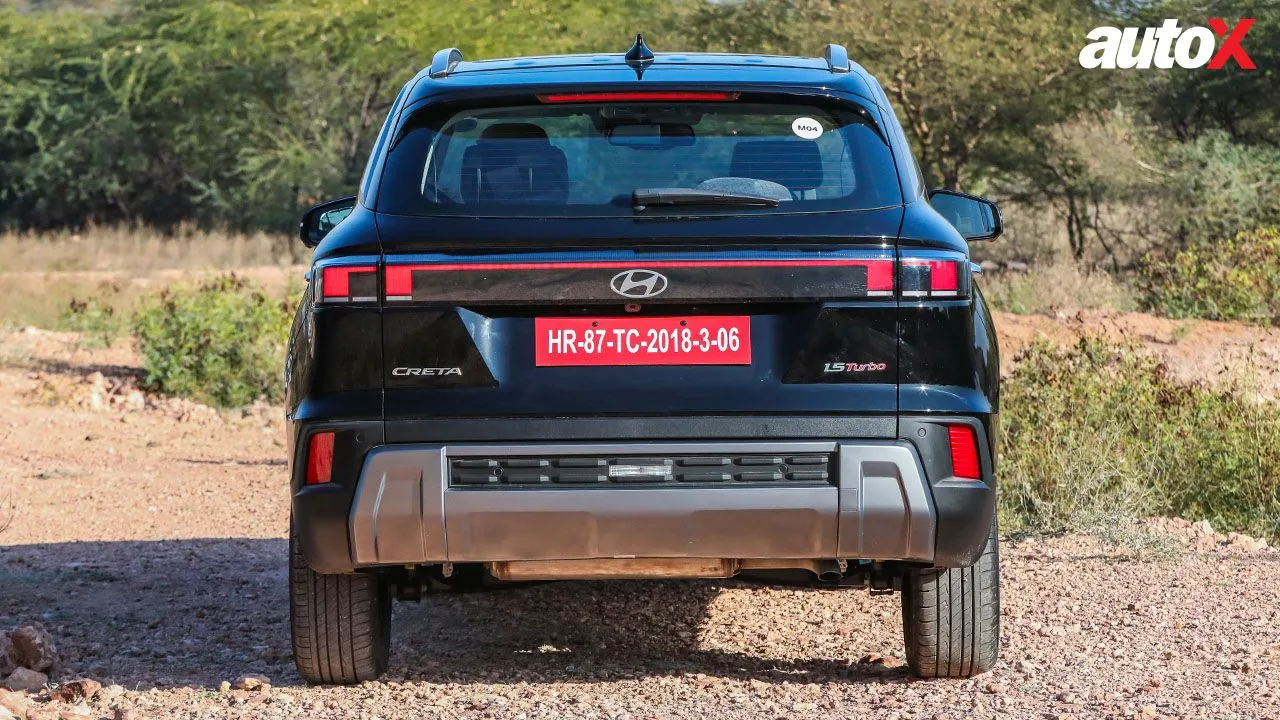
Compared to the Victoris's efficiency-focused powertrains, the Creta delivers stronger options, including diesel and turbo-petrol.
Maruti Suzuki Victoris vs Hyundai Creta: Dimensions
The Maruti Victoris is 30mm longer, 5mm wider, and 20mm taller than the Creta. It also offers 20mm more ground clearance. Meanwhile, the Creta stands out with a 10mm longer wheelbase. It also offers 60 litres more boot space.
| Maruti Suzuki Victoris | Hyundai Creta | Difference | |
| Length | 4,360mm | 4,330mm | +30mm |
| Width | 1,795mm | 1,790mm | +5mm |
| Height | 1,655mm | 1,635mm | +20mm |
| Ground Clearance | 210mm | 190mm | +20mm |
| Wheelbase | 2,600mm | 2.610mm | -10mm |
| Boot space | 373 litres | 433 litres | -60 litres |
Maruti Suzuki Victoris vs Hyundai Creta: Features
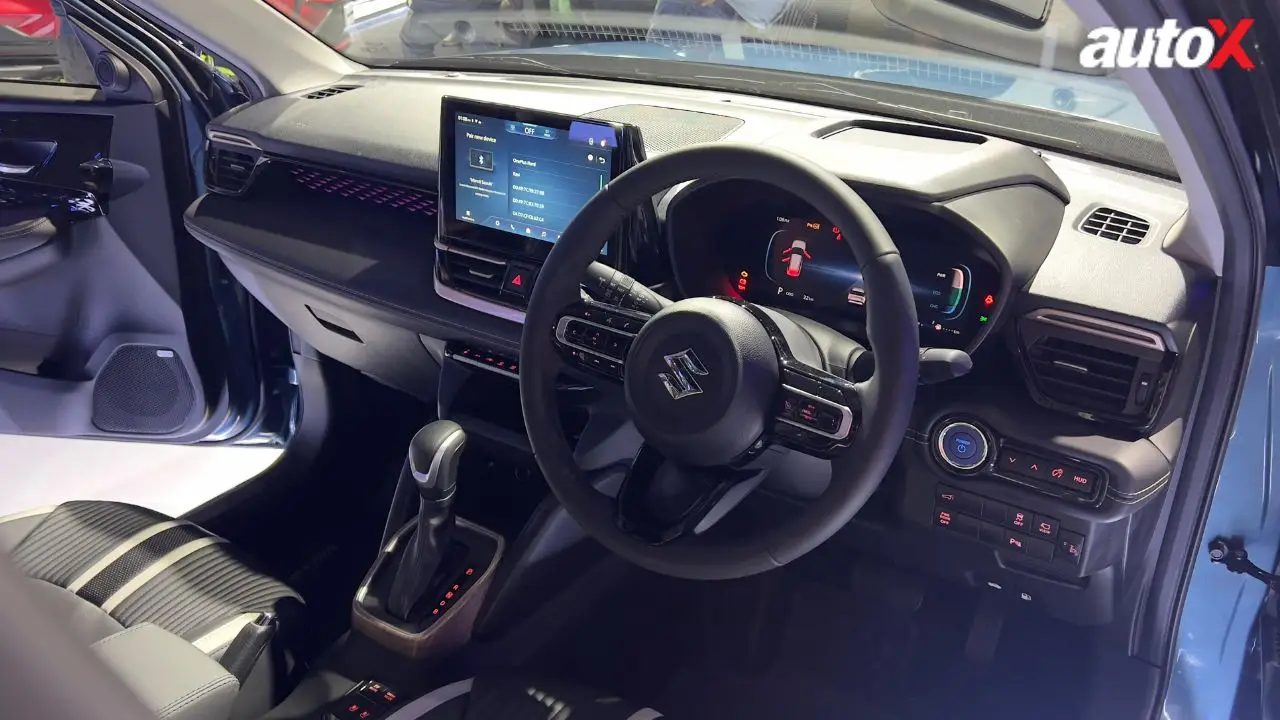
While both models are well-equipped, Maruti Suzuki's new mid-size SUV distinguishes itself with several segment-first features, including a 5-star safety rating (BNCAP & GNCAP) and an underbody CNG tank. It also offers Level 2 ADAS, all-wheel disc brakes, a Dolby Atmos sound system, a 10.1-inch infotainment screen with wireless Android Auto/Apple CarPlay, a 10.25-inch digital driver’s display, and a gesture-controlled powered tailgate.
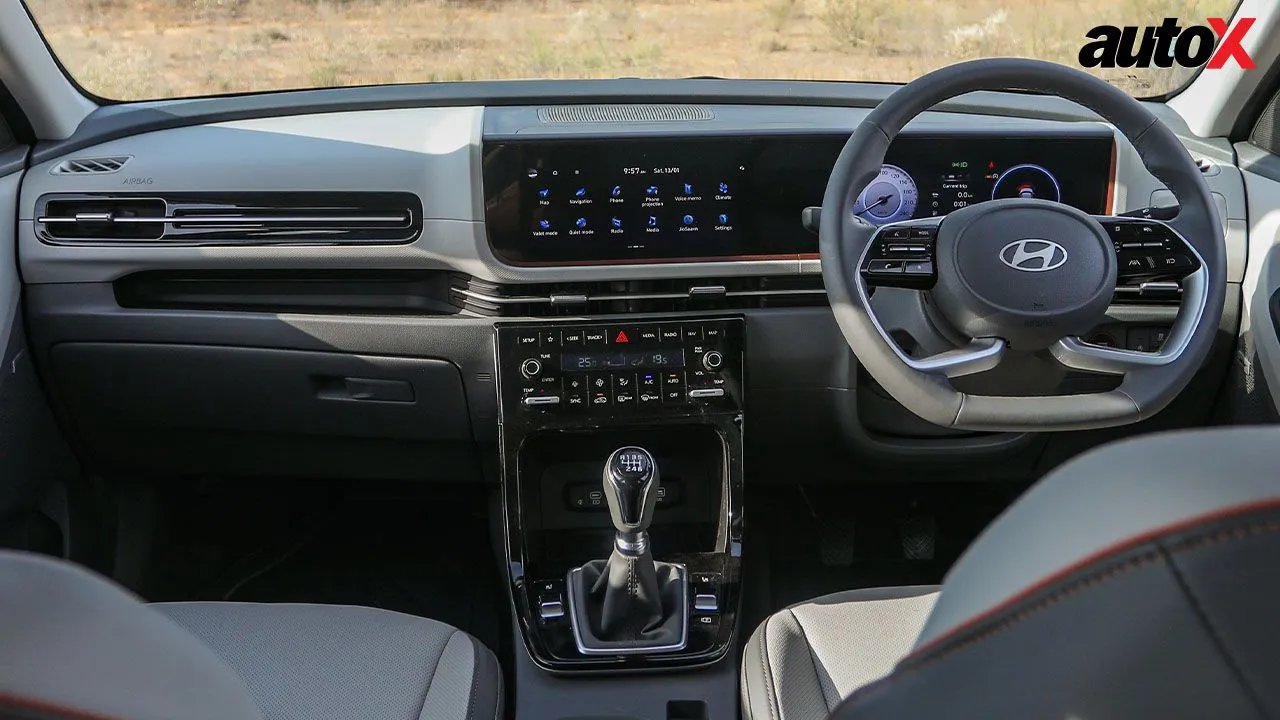
The Hyundai Creta remains a feature-rich rival, with amenities like a 10.25-inch infotainment display, dual-zone automatic climate control, ventilated seats, a 360-degree camera, 6 airbags, ADAS, a front parking sensor, and an electric parking brake with auto hold.
Maruti Suzuki Victoris vs Hyundai Creta: Price
In terms of pricing, the Maruti Suzuki Victoris is more affordable, with introductory ex-showroom prices beginning at Rs 10.50 lakh. Its range tops out at Rs 19.99 lakh for the fully loaded Strong Hybrid variant.
Also Read: Maruti Suzuki Victoris Secures 5-star Crash Test Safety Rating from Global NCAP: Watch Video
In comparison, the Hyundai Creta starts slightly higher at Rs 11.11 lakh and goes up to Rs 20.92 lakh for the top-end trim.