Nebula NEXT 01 JET Edition Does 0-100km/h in Just 0.9 Seconds Using Rocket Booster
Dreame Nebula NEXT 01 JET Edition uses rocket boosters for a claimed 0-100 km/h in 0.9 seconds, pushing EV acceleration into new territory.
By Divyam Dubey

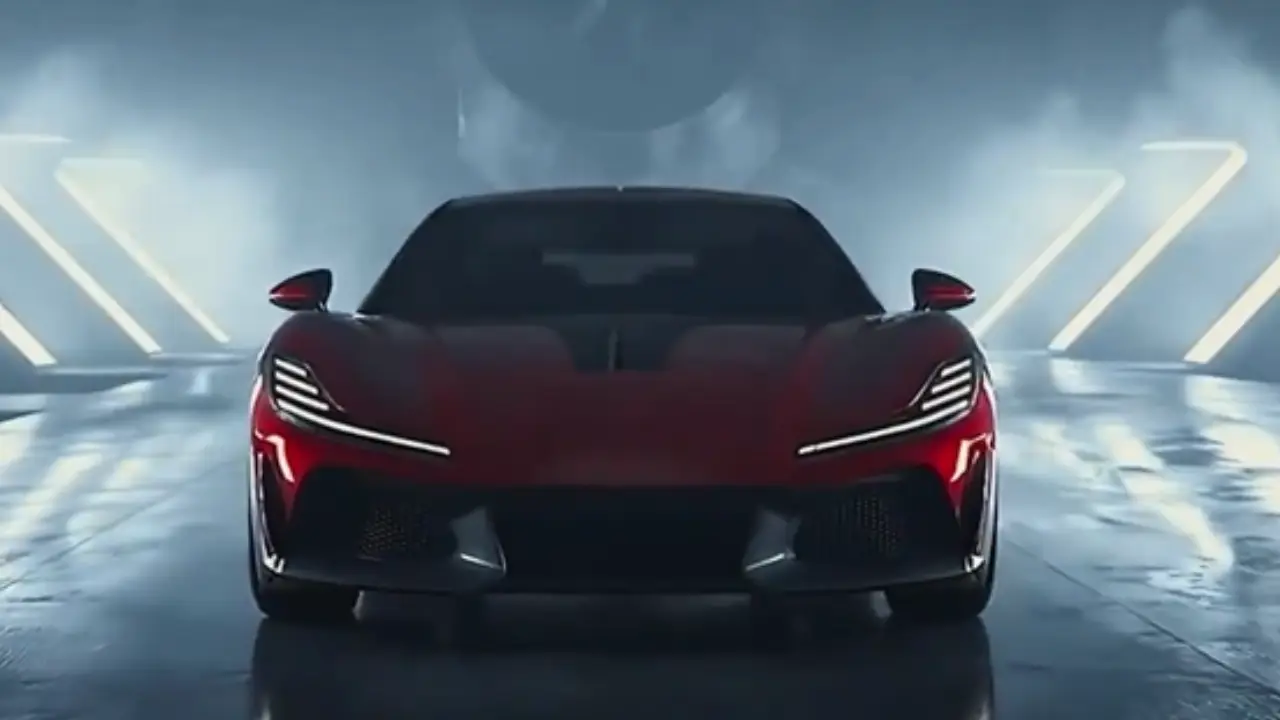
Dreame Technology has stepped into the car world with the Nebula NEXT 01 JET Edition, and this is not the kind of first attempt anyone expected. Known for robot vacuums and smart home products, Dreame used its DREAME NEXT event in San Francisco to reveal a machine that pushes straight into performance territory. On paper, the numbers are enough to grab attention, but what matters more is how Dreame is trying to break past the limits that even today’s quickest EVs still face.
Also Read: 2027 Audi Q4 e-tron Revealed With up to 592km Range, 12-inch Passenger Display and More
The big claim is its 0-100 km/h time of just 0.9 seconds. Dreame says that comes from a dual solid-fuel rocket booster system capable of responding in 150 milliseconds while generating up to 100 kilonewtons of thrust. Instead of relying only on electric motors and tyre grip, the company is adding rocket thrust to deal with traction limits that often stop high-power EVs from fully using their potential off the line.
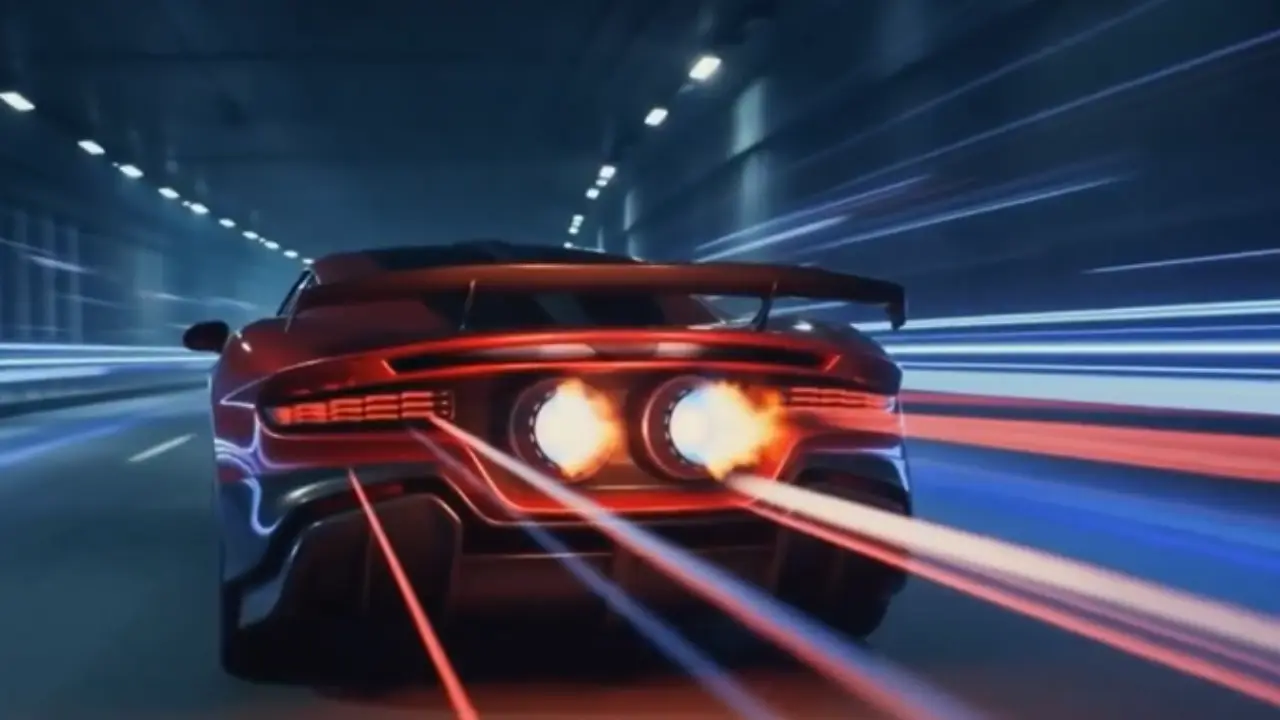
That approach alone puts the Nebula NEXT 01 JET Edition in a different conversation. Modern electric hypercars already deliver huge power, but getting all of it onto the road instantly remains a challenge. Dreame’s answer is to add thrust beyond the wheels, which could change how straight-line acceleration is approached if the system proves usable outside controlled demonstrations.
Backing this setup is a sulfide-based all-solid-state battery pack. Dreame says the battery is moving towards mass production and targets more than 550 km of CLTC range. It also uses CTP 4.0 architecture, removing traditional structural beams from the battery pack to improve chassis space and packaging.
Dreame is also using the Nebula NEXT programme to push sensor technology. Its DHX1 LiDAR system is claimed to detect objects up to 600 metres away, identify low-reflectivity objects at 400 metres, and spot smaller targets like cones or animals at long range. That suggests this project is not built only around speed figures.
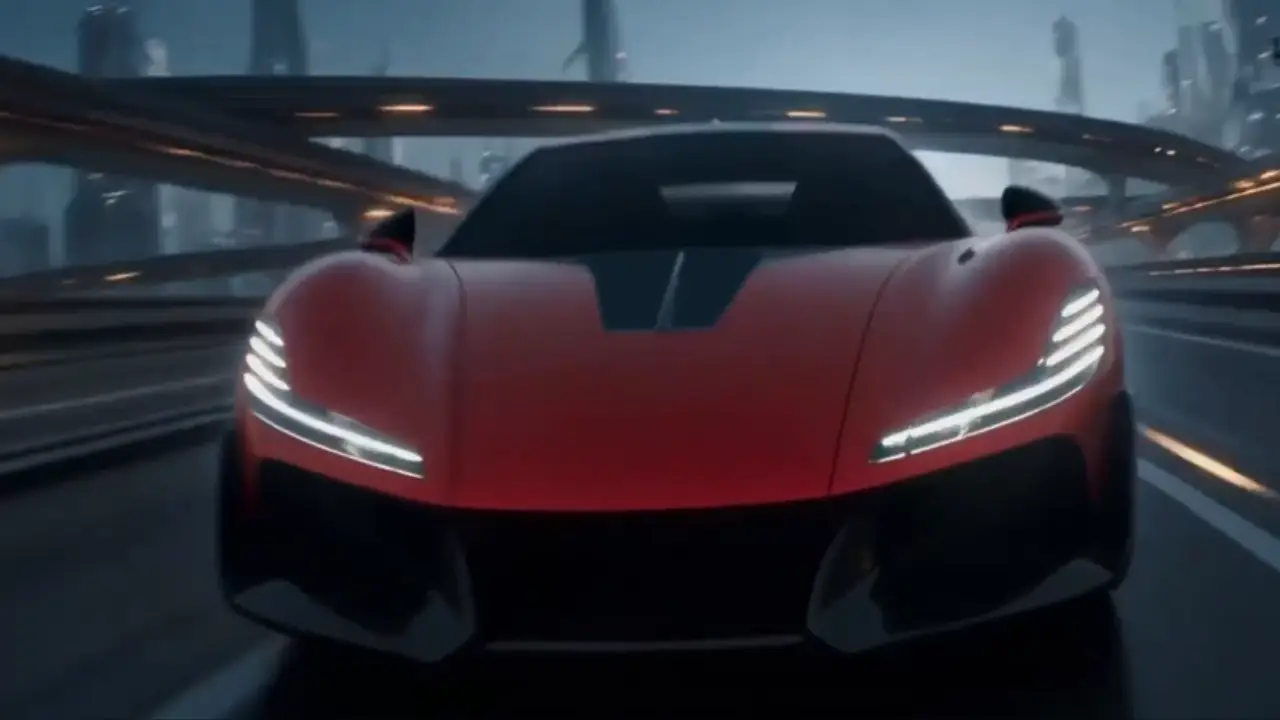
The autonomous side is just as ambitious. The Nebula NEXT 01 JET Edition uses a Vision-Language-Action architecture, with testing reportedly carried out in fog, mountain roads, and construction areas. Dreame says its L2++ platform supports full urban navigation from parking point to parking point, while its L3+ system is being developed for unmanned driving.
Right now, the Nebula NEXT 01 JET Edition looks like a technology statement (or concept) more than a finished road car. But if Dreame can turn even part of this into production reality, it could force both EV makers and performance brands to rethink what future acceleration really looks like.