New Toyota GR GT and GR GT3 Breaks Cover with a 4.0-Litre Twin-Turbo V8 Engine
Toyota GR GT and GR GT3 prototypes use a 4.0-litre twin-turbo V8, with the GR GT’s hybrid setup making 641bhp while the GR GT3 runs FIA GT3-spec output.
By Divyam Dubey


Toyota Gazoo Racing has finally lifted the covers off the prototypes of the new GR GT and GR GT3, giving enthusiasts a clear look at how the brand plans to shape its next phase of performance cars. Both models are set for production around 2027 as Toyota continues to expand its road and customer racing operations. The GR GT is designed for drivers who want one car for both circuits and public roads, while the GR GT3 is specifically created for FIA GT3 competition. Engineers followed three core principles during development: low centre of gravity, low weight with rigidity and strong aerodynamic performance. Testing took place at Fuji Speedway, the Nurburgring and various public roads, guided by Akio Toyoda and a team of professional drivers and engineers inspired by lessons from the Lexus LFA.
Also Read: The Lexus LFA Successor Is Finally Here – And It’s Fully Electric
Both cars share a 4.0-litre twin-turbo V8 engine, with the GR GT using hybrid tech for more output and the GR GT3 tuned purely for racing. Each model features its own unique interior layout, chassis setup, and aerodynamic design to meet its distinct purpose.
Toyota GR GT
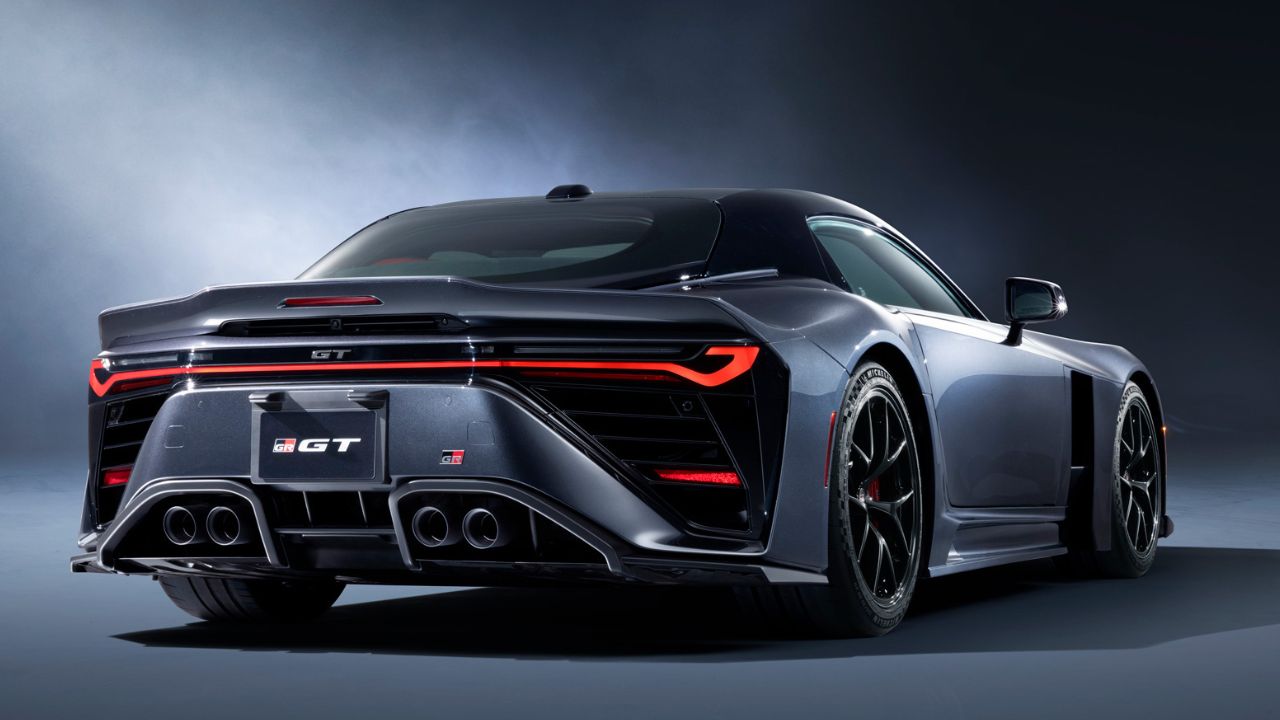
The Toyota GR GT features an aluminium frame with carbon fibre reinforced plastic panels to keep weight in check while maintaining rigidity. It measures 4,820 mm in length, 2,000 mm in width and 1,195 mm in height with a 2,725 mm wheelbase.
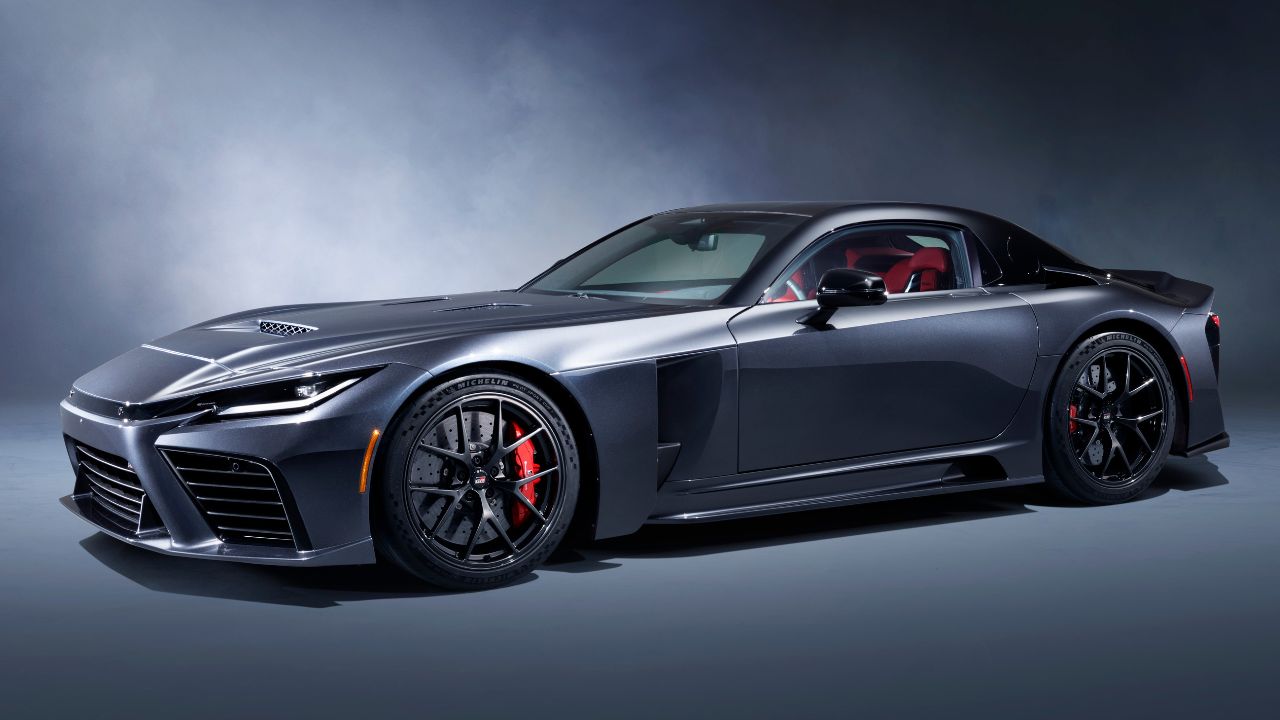
The design supports balanced use on public roads and circuits, helped by a 45:55 weight distribution and a low centre of gravity. Double wishbone suspension, forged aluminium arms, carbon ceramic brakes and Michelin Pilot Sport Cup 2 tyres complete the setup.
Inside, the GR GT sticks to a focused and simple layout built around driver visibility and control. Sports seats support both daily drives and track outings. The digital display presents shift lights, gear position and driving data in a clean format.
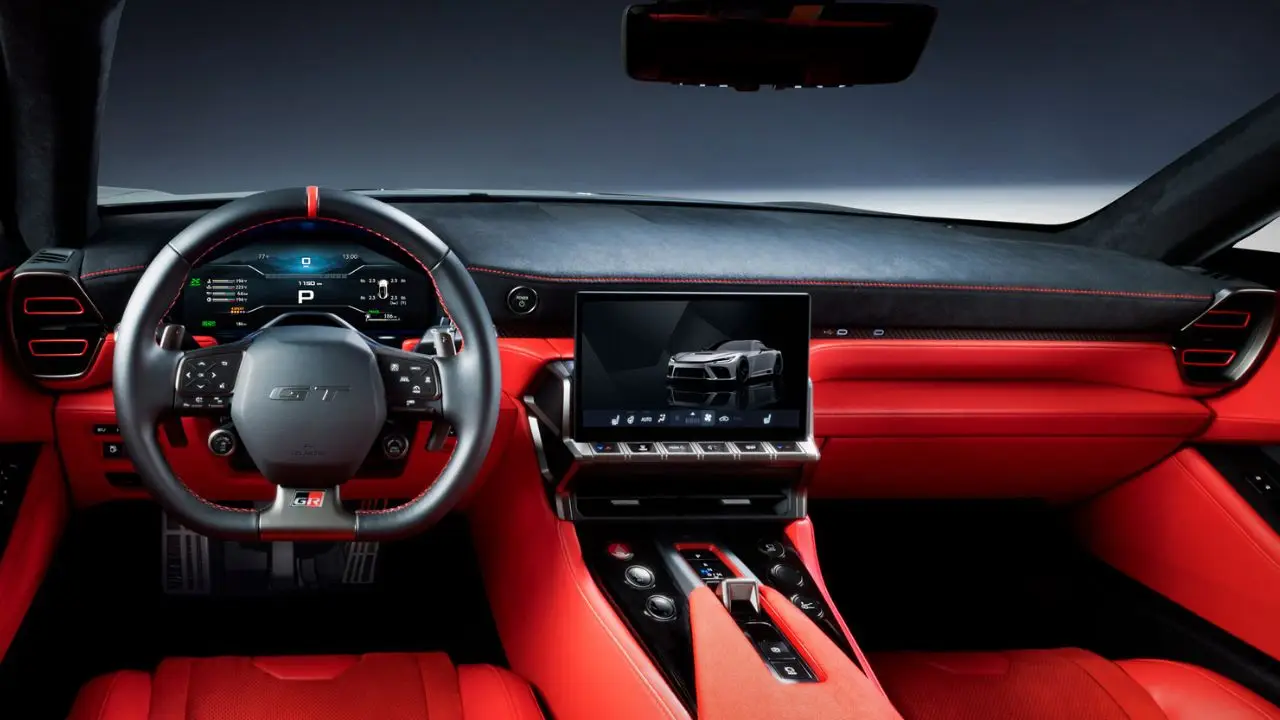
Controls sit close to the steering wheel, and a touchscreen sits on the transmission tunnel for core functions, keeping everything within easy reach.
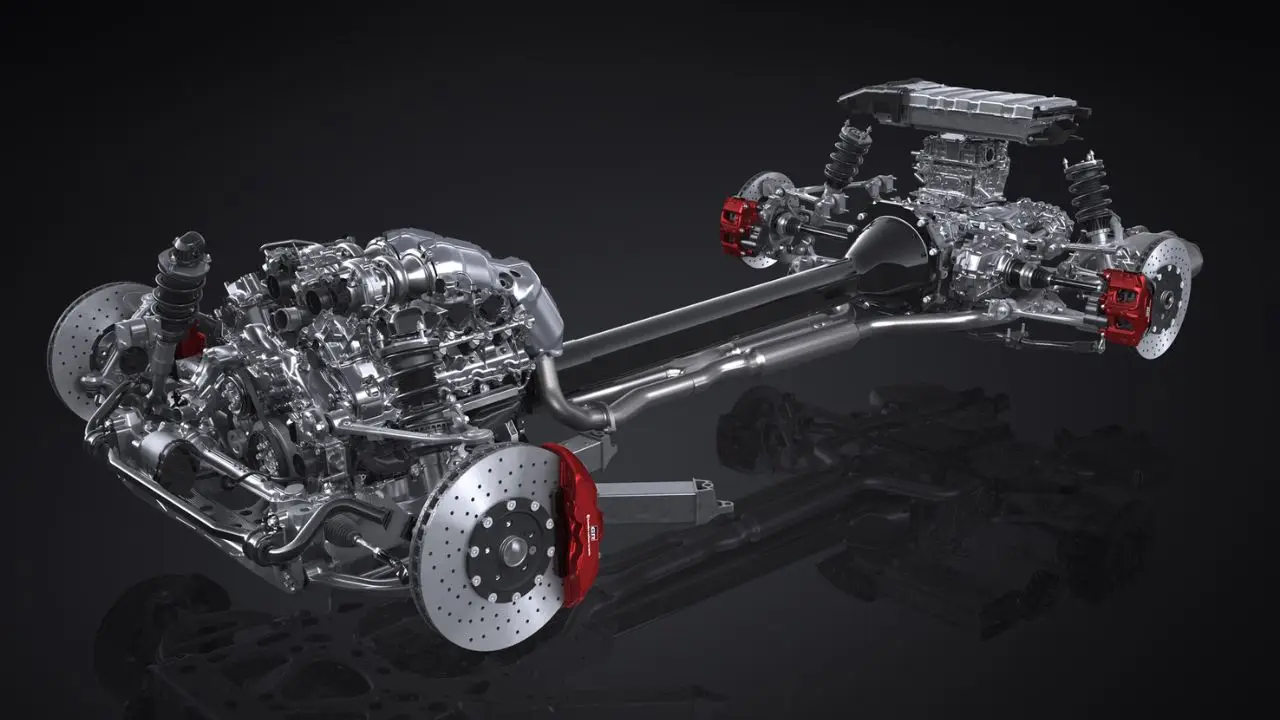
A 4.0-litre twin-turbo V8 of 3,998 cc pairs with a single electric motor in a hybrid transaxle system. Power goes to the rear wheels through an eight-speed automatic transmission. Combined output exceeds 641bhp and torque goes upto 850 Nm, with a top speed claimed above 320 km/h.
Toyota GR GT3
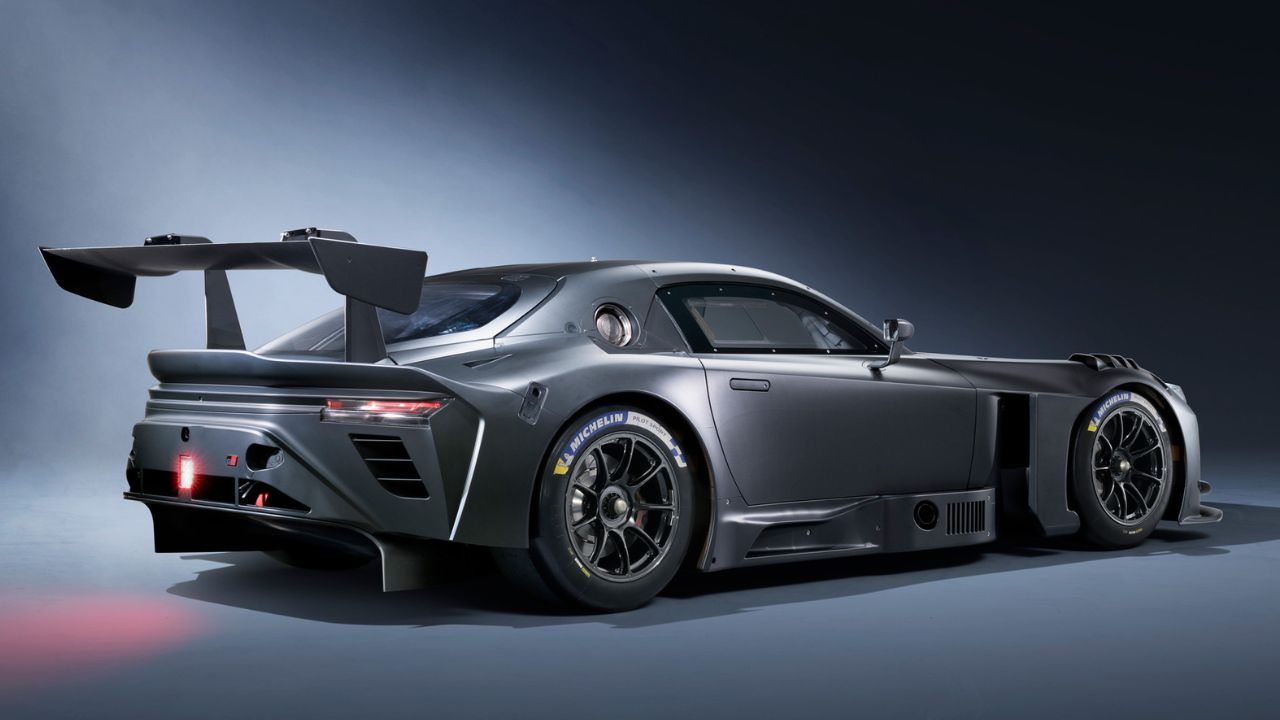
The GR GT3 follows FIA GT3 standards and focuses on low weight, rigidity and aerodynamic stability. The car measures 4,785 mm in length, 2,050 mm in width and 1,090 mm in height. While it shares core chassis principles with the GR GT, its suspension and balance are tuned for racing.
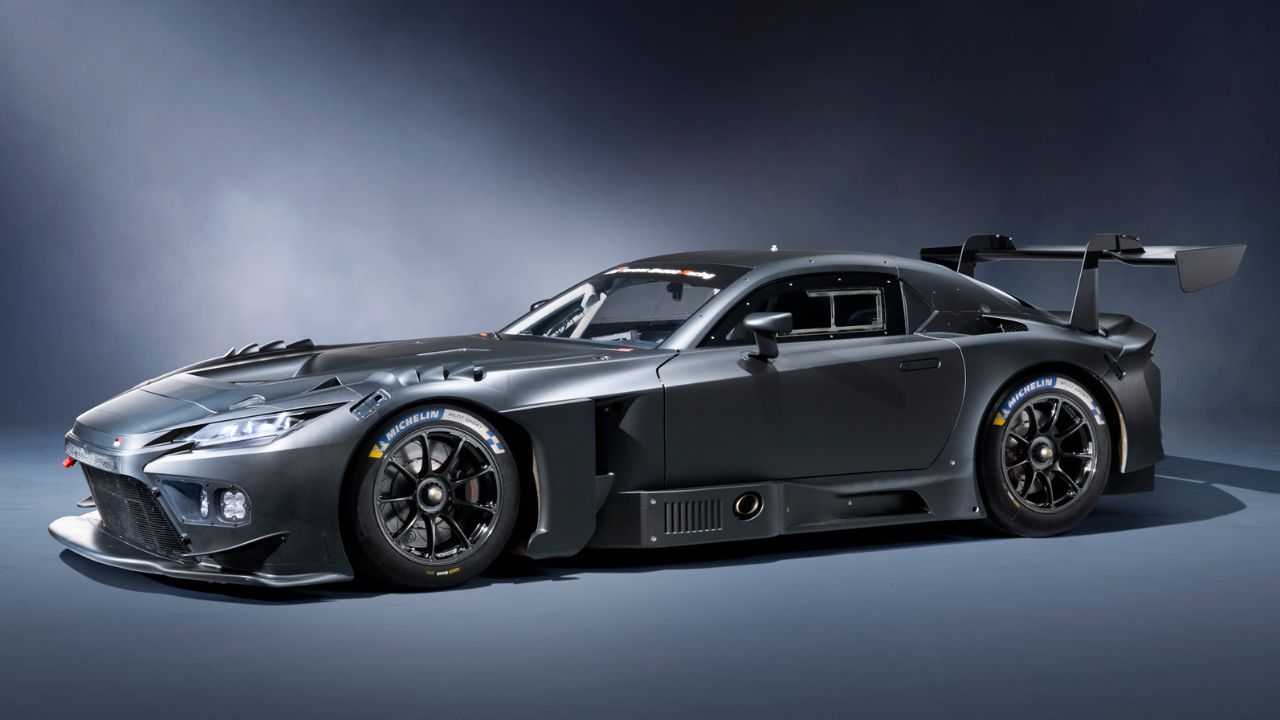
Testing at Fuji Speedway and the Nurburgring helped the development team refine the car for both professional and customer racing teams.
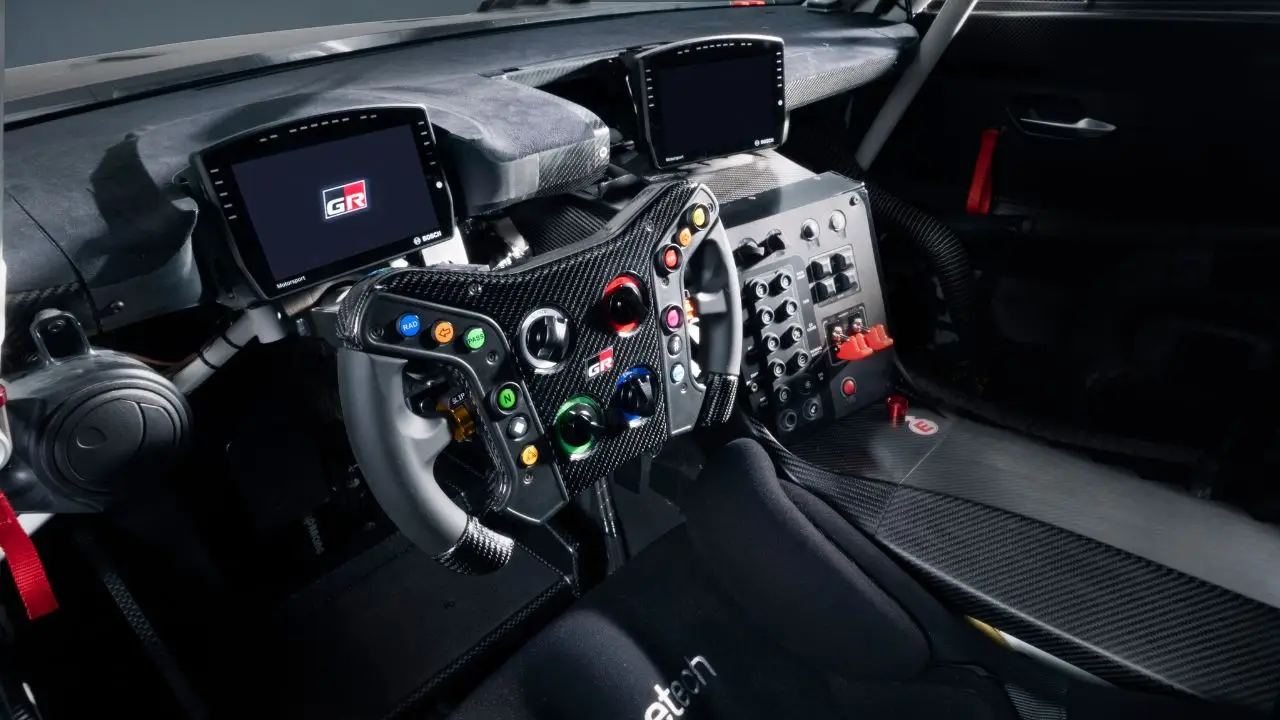
The interior is built strictly for motorsport use. A full roll cage meets safety requirements, and a yoke-style steering wheel offers precise control. The cabin integrates race-grade computing systems for telemetry and team communication. All switches and controls sit within quick reach, and the stripped layout keeps weight down for long stints.
The GR GT3 carries the same 4.0-litre twin-turbo V8 base engine as the GR GT but tuned for GT3 racing without hybrid assistance. Power and torque vary according to Balance of Performance rules, but the aim is a stable output for endurance and sprint formats. The engine connects to a racing gearbox driving the rear wheels, forming a package ready for customer teams.