Porsche Delays EV Plans, Confirms ICE and Hybrids ‘Well Into the 2030s’
Porsche has revised its product strategy in response to a combination of global challenges, including slower demand for luxury electric vehicles in major markets like China, and rising U.S. import tariffs.
By Sanorita


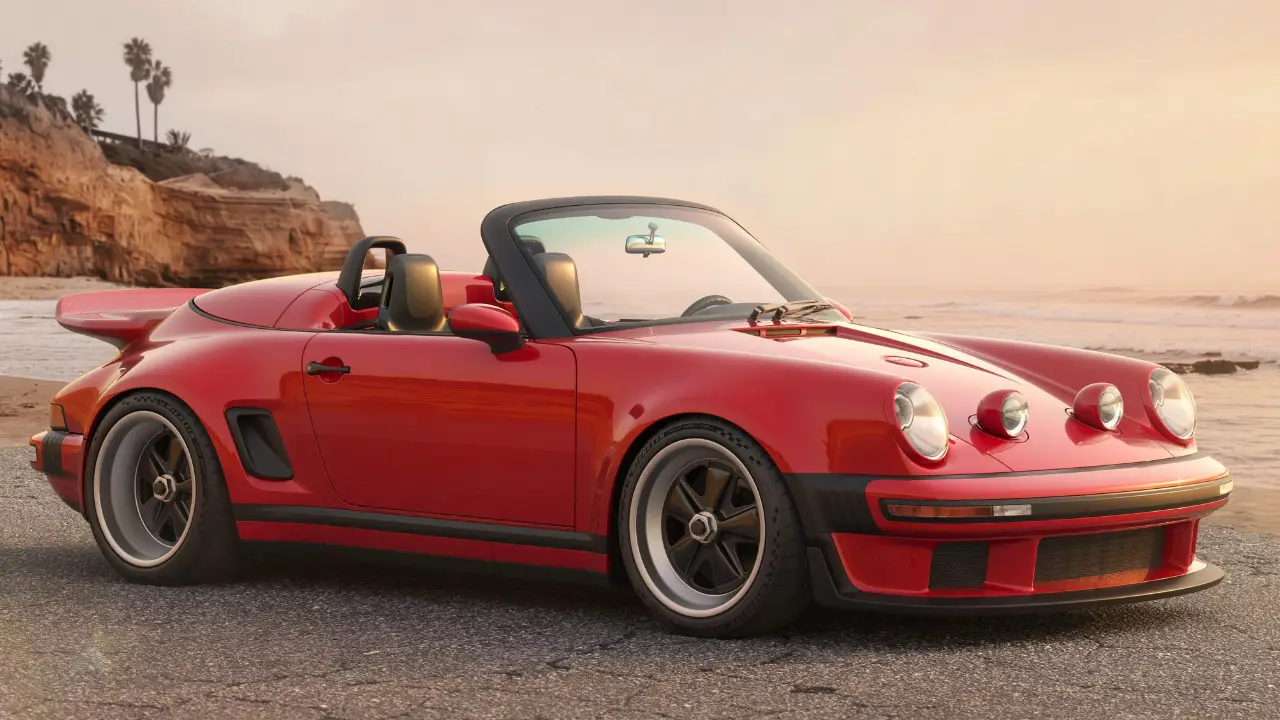
Porsche has made significant changes to its product strategy. It has delayed its EV plans and is now adopting a broader approach with multiple options, resulting in longer lifecycles for ICE and hybrid models. The move makes it one of many popular manufacturers backing away from plans to go electric, including Mercedes-Benz. The German marque’s strategic shift in its product strategy is a response to a combination of challenges. These include a slowdown in demand for luxury electric vehicles, particularly in key markets such as China, U.S. import tariffs, and the rising costs of developing new EV platforms, batteries, and software amid global economic uncertainties.
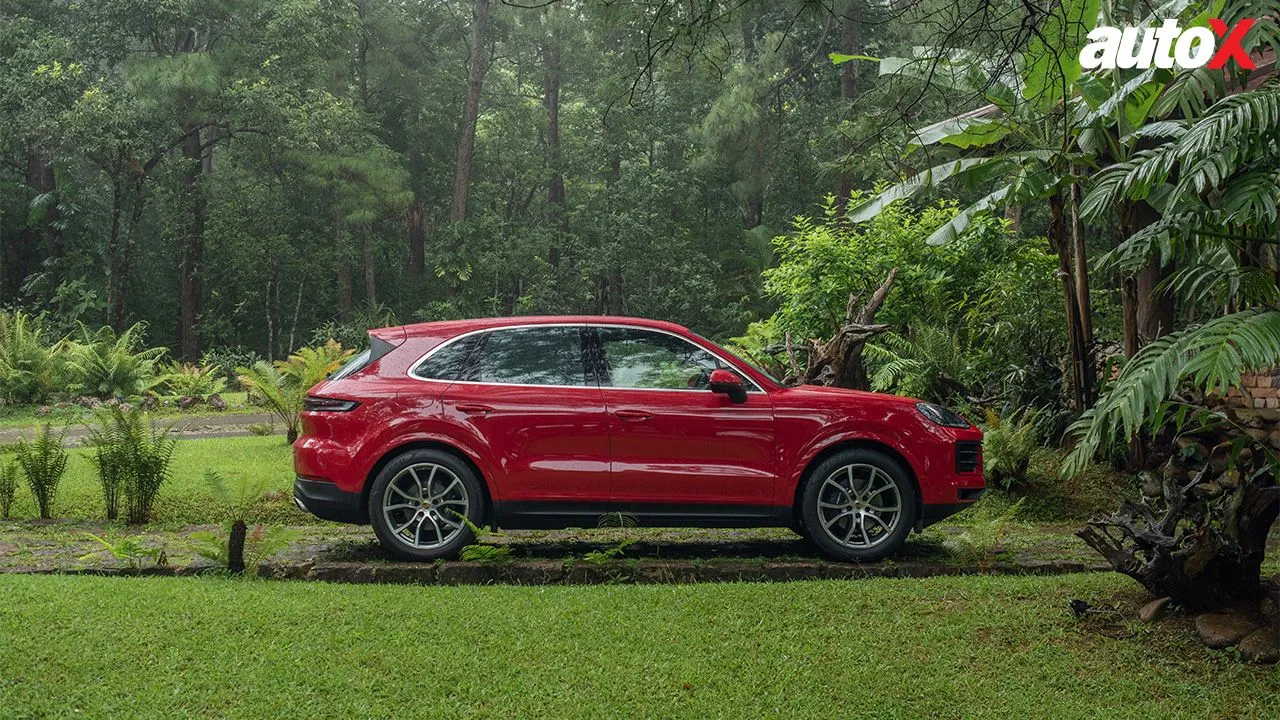
As part of its updated strategy, the company will continue to sell ICE and plug-in hybrid models such as the Cayenne and Panamera well into the 2030s. Successor generations of these models have also been incorporated into its product cycle plan. Porsche has also postponed the rollout of several upcoming electric models. Additionally, the new EV platform planned for the 2030s has been rescheduled. Porsche says this platform will be redesigned in coordination with other Volkswagen Group brands.
Also Read: Porsche 911 Carrera 4 GTS, Cayenne GTS and More Models See Price Cuts After GST 2.0 Update
In addition, Porsche has revised its plan for the new SUV positioned above the Cayenne. The upcoming model will now launch exclusively with combustion and plug-in hybrid powertrains, rather than as a fully electric vehicle as originally planned.
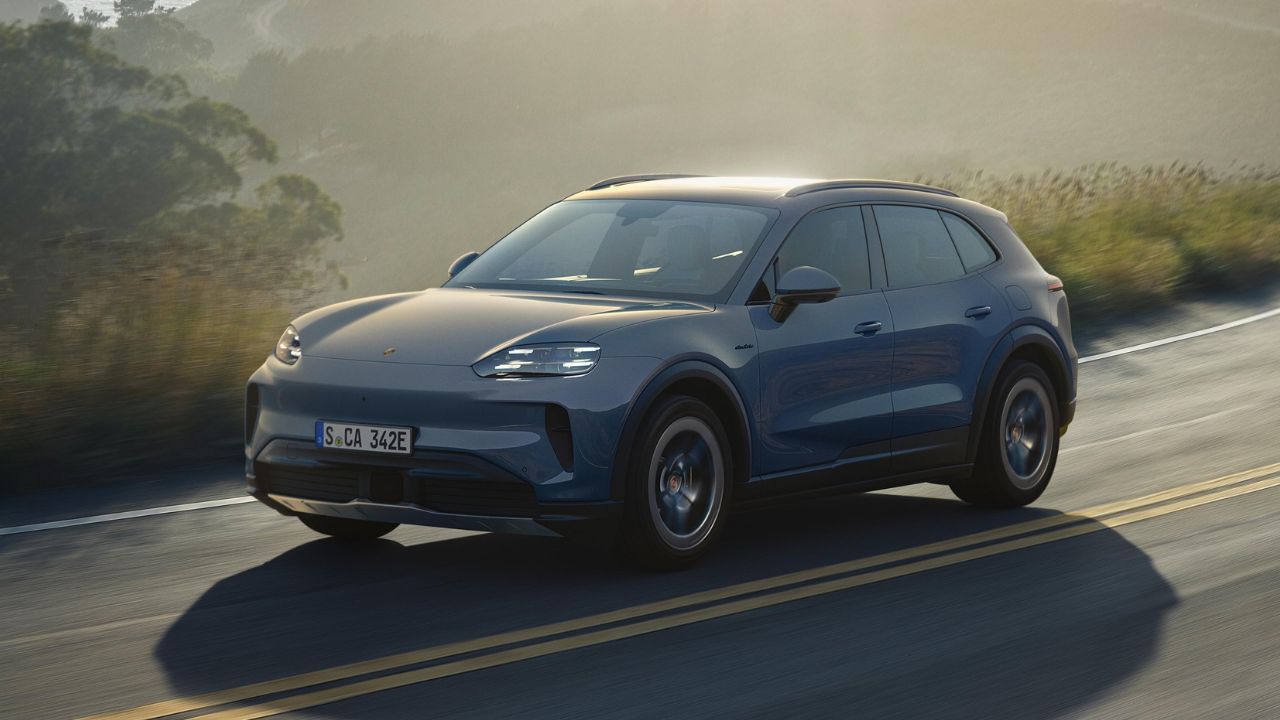
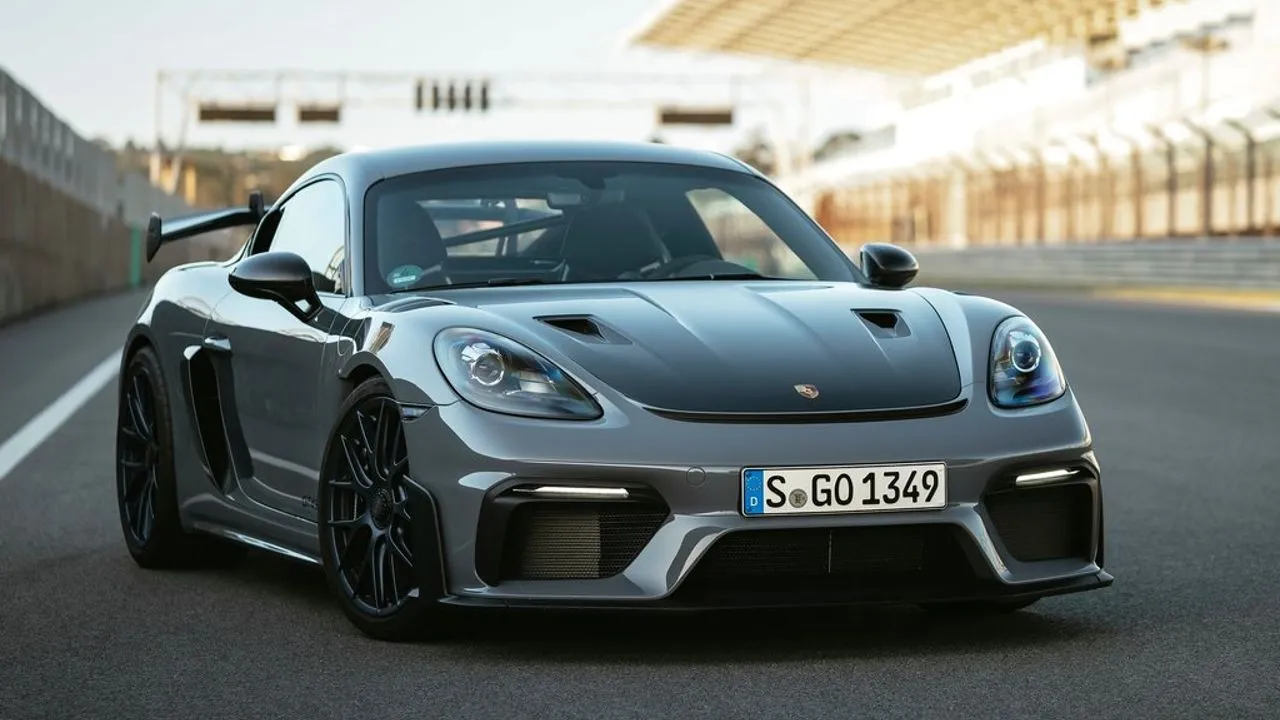
Despite setbacks in its EV rollout, Porsche has confirmed that it will continue to maintain and update its current electric vehicle lineup. With models like the Taycan, Macan, Cayenne, and an upcoming two-door sports car in the 718 segment, the company is focused on offering an array of battery electric vehicles (BEV) options for customers.
Commenting on this, CEO Oliver Blume said, ‘These decisions build on the previously announced initiatives and help us to achieve a very balanced portfolio. This increases our flexibility and strengthens our position in a currently highly volatile environment. With a convincing mix of combustion engines, plug-in hybrids, and battery-electric vehicles, we want to meet the entire range of customer requirements. In the medium term, this approach is intended to support our business model and strengthen our market position.’
The strategic realignment, including delays to its EV platform and related adjustments, will significantly impact the brand's 2025 financials. The company expects short-term costs such as additional depreciation and write-downs to reduce operating profit by up to €1.8 billion. Extraordinary expenses tied to product strategy shifts, battery operations, and organisational restructuring are projected at around €3.1 billion.
Also Read: 2026 Porsche 911 Turbo S Hybrid Unveiled with 691bhp, Does 0‑100 km/h in 2.5 Seconds
As a result, the company has revised its 2025 forecasts downward. While sales revenue is still expected to reach €37–38 billion, return on sales is now forecast to be only slightly positive, up to around 2%, compared to the previous 5–7%. Additionally, the automotive EBITDA margin target has been lowered from 14.5–16.5% to 10.5–12.5%.