Porsche’s Flagship K1 SUV to Get V6 and V8 Options, Ditch Electric-Only Plan
The Porsche K1 SUV, initially planned to be built on the Volkswagen Group’s Scalable Systems Platform, will now reportedly adopt the Premium Platform Combustion (PPC) architecture and come with V6 and V8 powertrains.
By Sanorita

Porsche has reportedly revised its plans to debut the K1, its flagship three-row SUV, as a fully electric model. The vehicle, initially planned to be built on the Volkswagen Group’s Scalable Systems Platform, will now reportedly adopt the Premium Platform Combustion (PPC) architecture and come with V6 and V8 powertrain options. While the company has not made any official statement, media sources suggest that software setbacks in the SSP platform and a slowdown in EV demand are among the key factors behind Porsche’s decision to opt for a traditional powertrain setup.
The Volkswagen Group’s Premium Platform Combustion (PPC) also underpins models such as the A5, RS5, A6, and Q5. It is the same platform on which Audi’s flagship seven-seat SUV, the Q9, will be built. Following this architecture, the upcoming Porsche K1 will align closely with its Q9 sibling. Both vehicles are expected to be produced at the Bratislava plant in Slovakia, allowing Porsche to expand its lineup while maintaining financial efficiency.
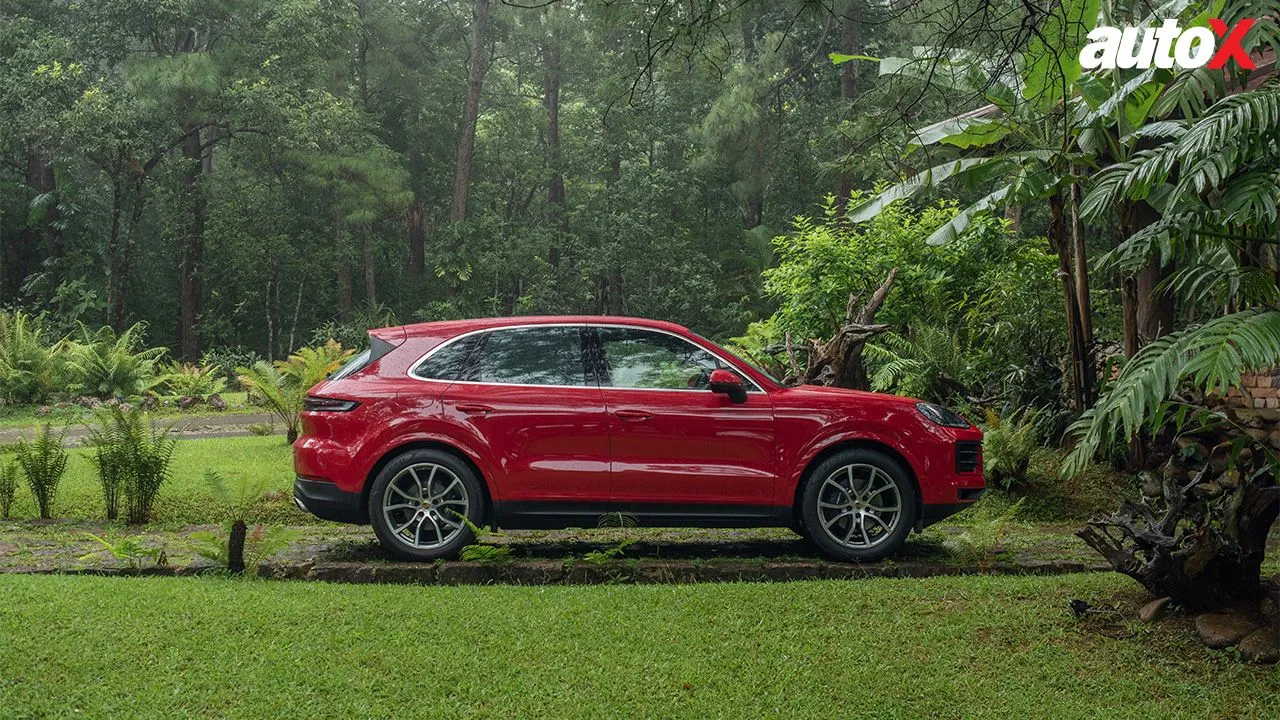
Also Read: 2023 Porsche Cayenne Review: Stuttgart's Flagship SUV Kicks Physics in the Teeth!
The PPC platform can support a range of high-performance ICE engines, including six- and eight-cylinder ones, as well as, plug-in hybrids. As a result, the Porsche K1 is expected to be offered with a 3.0-litre V6 and a 4.0-litre twin-turbo V8, with power figures likely ranging from 343bhp to 719bhp, similar to the Cayenne lineup.
Porsche’s internal combustion K1 is expected to arrive about a year after its sibling, the Audi Q9. The Q9 will debut in 2026 and is anticipated to reach dealerships in 2027. Hence, the K1 is expected to arrive in 2028.
What About Electric K1?
Porsche may have put the fully electric K1 on hold for now, but the idea hasn’t been abandoned for the future. For its initial launch, the company is opting for a conventional engine, acknowledging that many buyers still value the power and sound of a traditional setup. Given the cooling demand for high-end electric vehicles globally, Porsche’s decision to launch the K1 with internal combustion engines aims to ensure its newest and largest model can generate high margins in markets where traditional engines remain dominant.