Tata Sierra vs Hyundai Creta: Features, Specs, and Price Compared
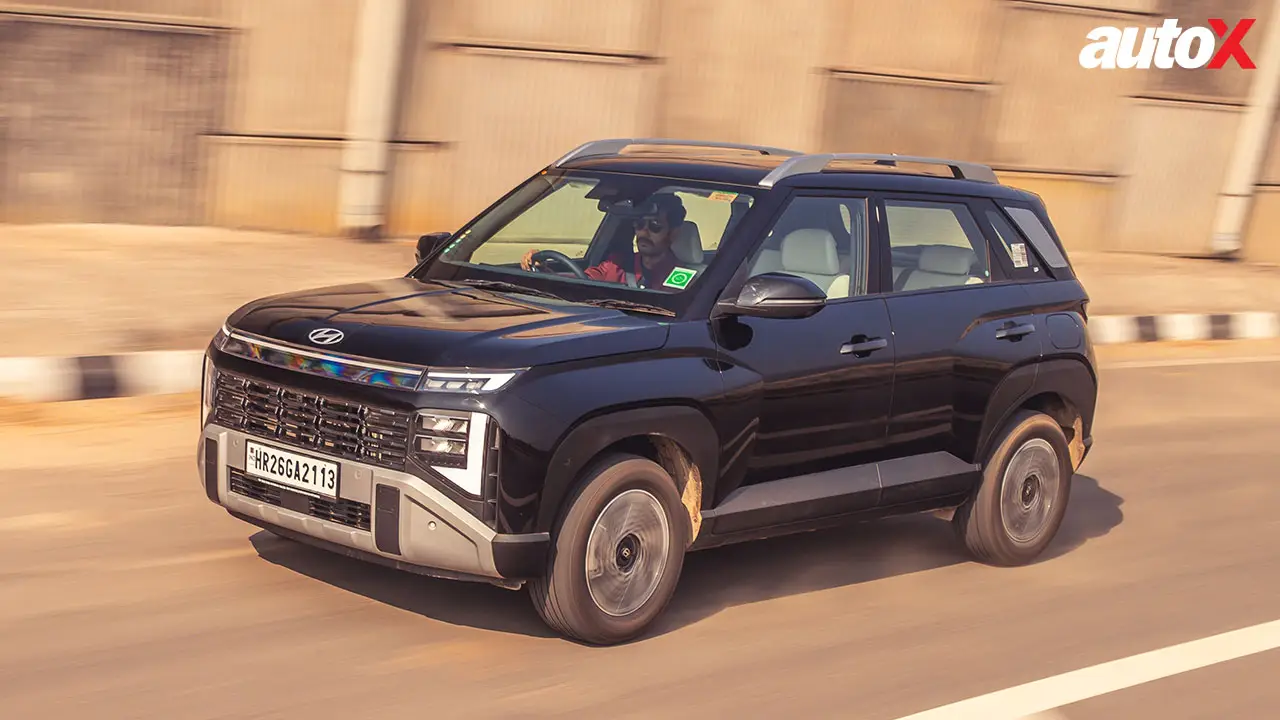
The Tata Sierra carries a boxy profile with flush handles and a panoramic roof, while the Hyundai Creta follows a sleek urban look with parametric lines and LED lighting.
By Divyam Dubey


Tata Sierra has been launched in India, bringing back an iconic nameplate to the market. This SUV will compete with the Hyundai Creta in the mid-size segment, attracting buyers who look for price flexibility, engine options, and useful features. The Sierra is priced from around Rs 11.49 lakh ex-showroom, while the Creta starts at Rs 10.73 lakh. Both cars come with 1.5-litre naturally aspirated petrol, 1.5-litre turbo petrol, and 1.5-litre diesel engines.
The Creta is also available in an electric version, while the Sierra Electric is expected to launch soon. The Creta pairs its engines with manual, CVT, torque converter, and dual-clutch gearboxes, while the Sierra offers a wide mix of powertrains, with its upcoming electric option adding more choice for buyers. Here, we have compared both SUVs based on cabin space, technology, and performance. Both SUVs fall in the same price bracket but carry different strengths for different users.
Tata Sierra vs Hyundai Creta: Design
The Tata Sierra carries a boxy structure that connects to the nameplate’s earlier form. It includes flush door handles and a panoramic sunroof. The Hyundai Creta moves in a more current direction with parametric styling, dual-tone colours, LED lamps, and a design shaped for city users.
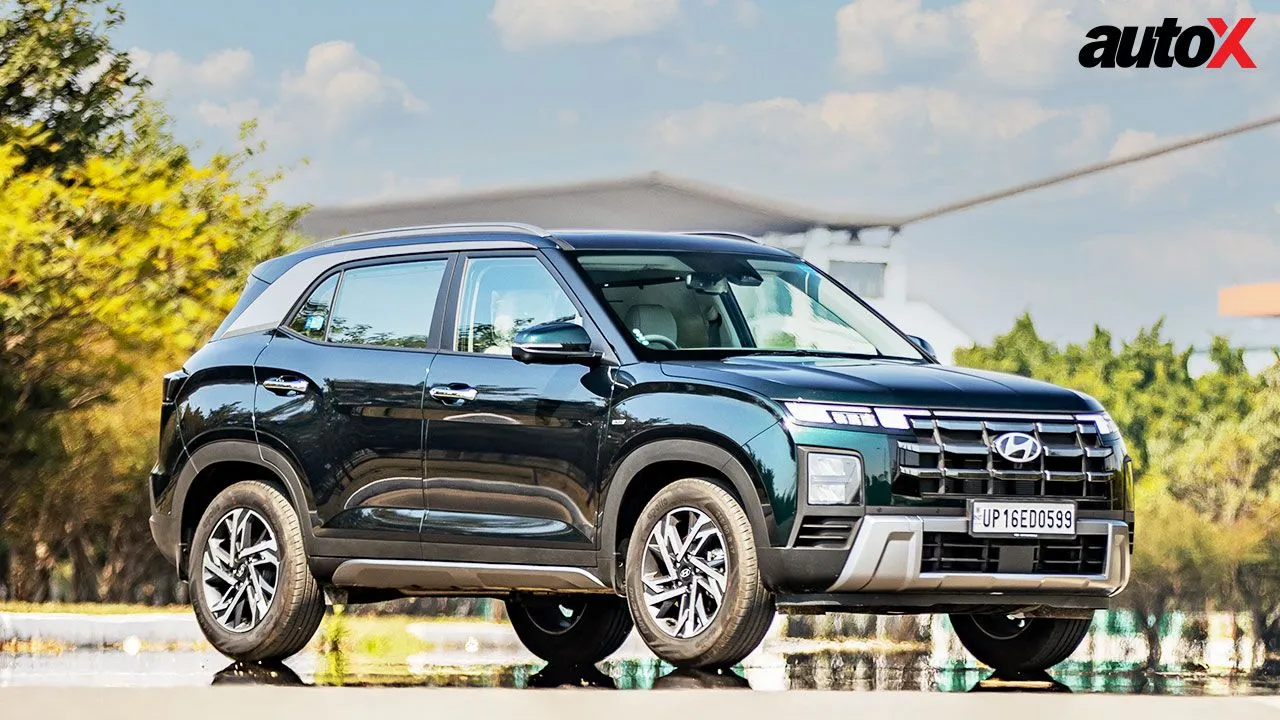
This creates two separate design themes, with the Sierra offering a more upright stance and the Creta leaning toward a smoother layout.
Tata Sierra vs Hyundai Creta: Dimension
The Tata Sierra measures 4340mm in length, 1841mm in width, and 1715mm in height, supported by a 2730mm wheelbase. The Hyundai Creta stands at 4330mm in length, 1790mm in width, 1635mm in height, and carries a 2610mm wheelbase.

Boot space also differs, with the Sierra offering 622 litres and the Creta offering 433 litres. The Sierra’s 205mm ground clearance is higher than the Creta’s 190mm, giving the Sierra more room for mixed road conditions. These numbers translate to more cabin and storage space in the Sierra.
Tata Sierra vs Hyundai Creta: Interior and Features
The Tata Sierra includes a 12.3-inch touchscreen supported by a Snapdragon 5G chip, multi-colour ambient lighting, and a panoramic sunroof.
-1764069013623.webp)
The Hyundai Creta continues with ventilated seats, rear AC vents, and a Bose sound system, with simpler materials on lower trims. The Sierra adds Level 2 Plus ADAS and a soundbar.

The Creta stays focused on practical cabin use with equipment spread across variants and multiple gearbox choices. Both models offer connected tech and touchscreens, but the Sierra brings a broader list of features in its top trims.
Tata Sierra vs Hyundai Creta: Engine
The Tata Sierra uses a 1.5-litre turbo petrol engine with 167.7bhp and 280Nm, paired with a 6-speed manual or 7-speed dual-clutch automatic. It also includes a 1.5-litre diesel with 116.3bhp and 260Nm, along with a 1.5-litre naturally aspirated petrol option with 105bhp and 145Nm.
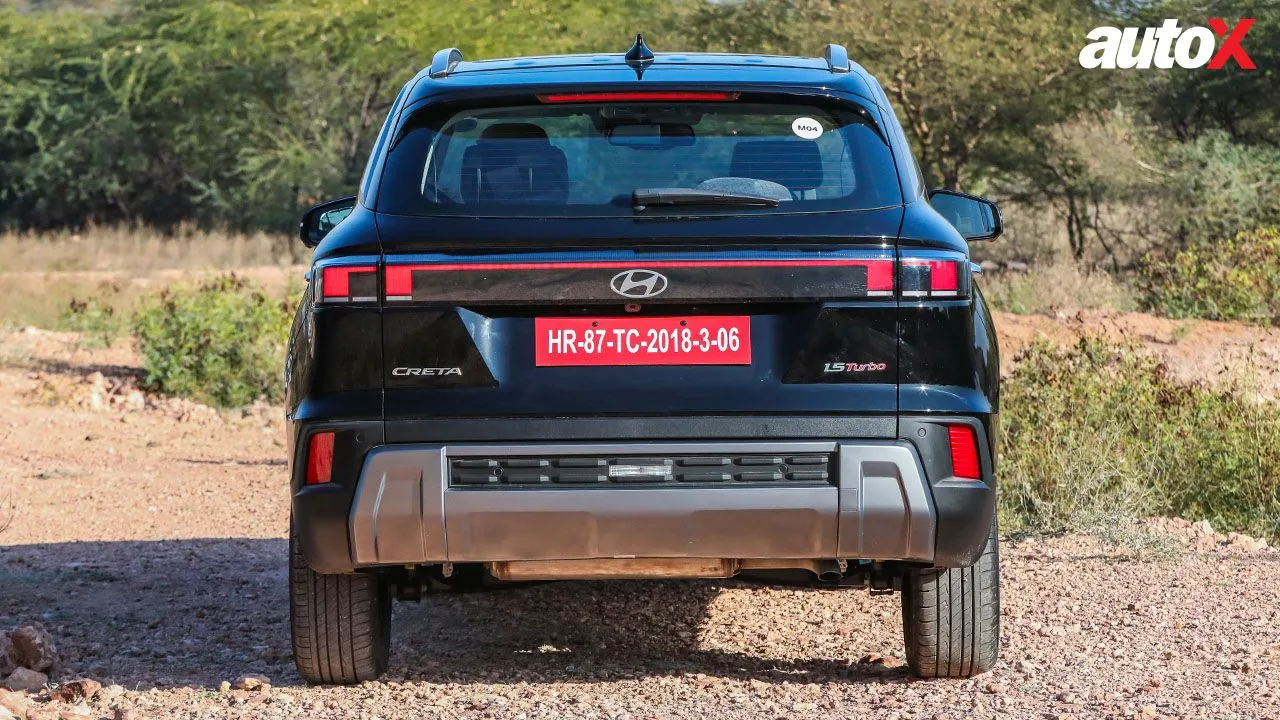
The Hyundai Creta offers a 1.5-litre MPi petrol with 113.4bhp, a 1.5-litre diesel with 114.4bhp, and a 1.5-litre turbo petrol with 157.8bhp. Gearbox choices include 6-speed manual, CVT, torque converter automatic, and a 7-speed dual-clutch for the turbo model.