Top 5 Cars from the Past That You Probably Forgot Existed
Here's a list of forgotten cars from India's automotive industry that failed to make a mark despite their good looks and modern features.
By Sanorita

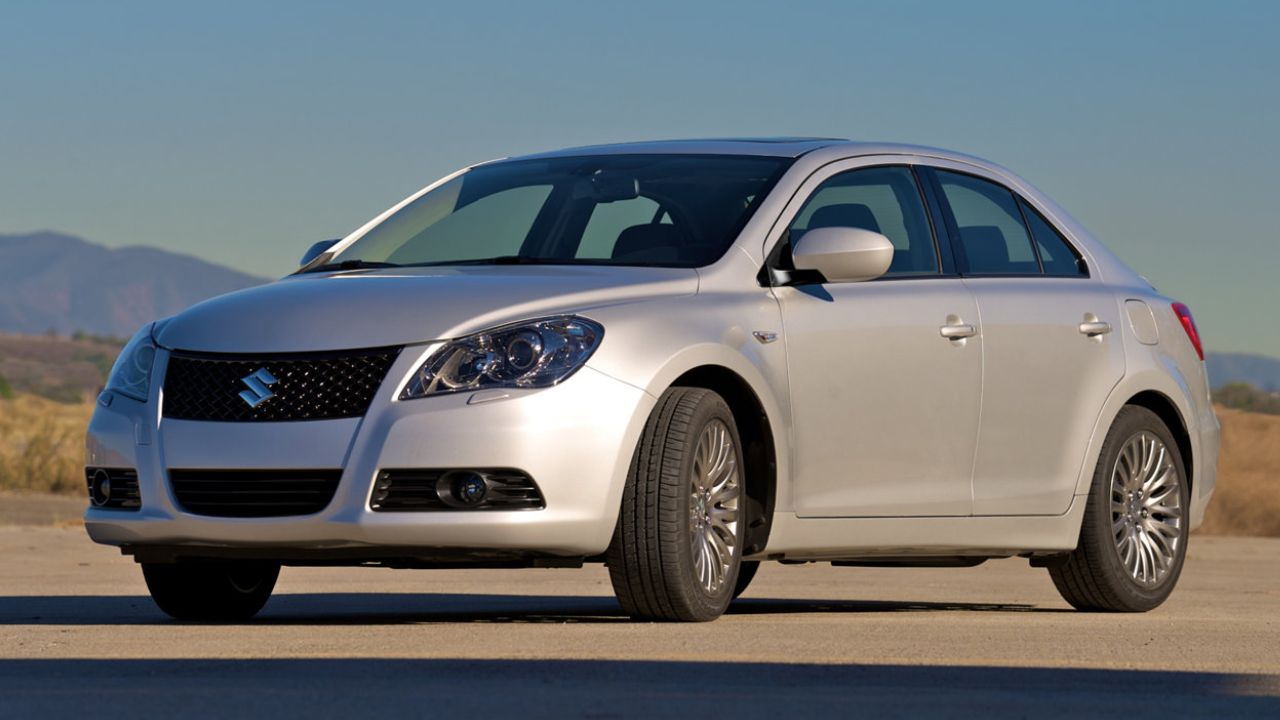
Not every car that hits the market finds success, just like the people who drive them. Many models from prominent manufacturers like Maruti Suzuki and Mahindra failed to resonate with our market, despite their modern features and stylish designs. Was the demise of these cars a result of unsuitable pricing, bad timing, or market unreadiness? Whatever the reason, we believe these forgotten machines deserve to be remembered. That’s why we’ve put together a throwback to the top 5 cars from the past that most people hardly recall.
Maruti Suzuki Baleno Altura
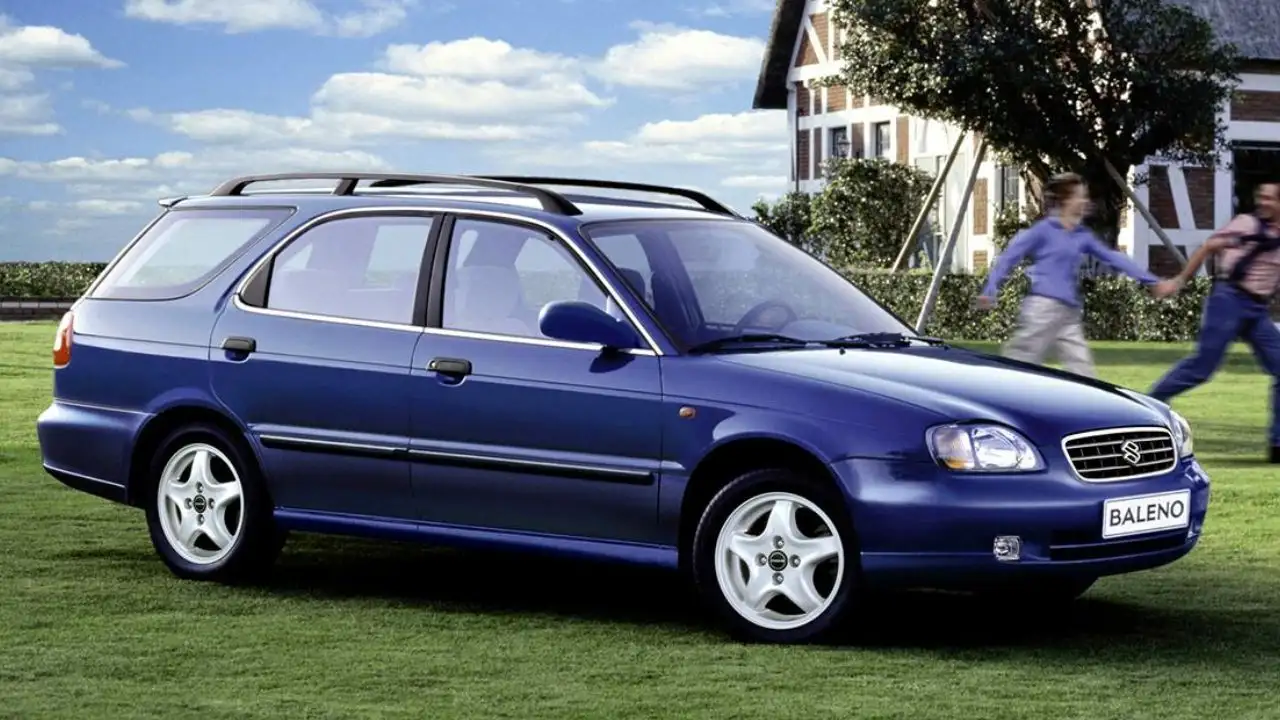
While the Baleno's hatch version has long been a popular option in its segment, the Altura, the station wagon version of the Baleno sedan, failed to make its mark in India. The model went on sale here somewhere around 1999-2001, and was eventually discontinued in 2007. Its higher price point compared to sedans and the general market's aversion to station wagons could be the reasons behind its downfall.
Also Read: Top 5 Upcoming SUVs/MPVs in India: MG M9, Vinfast VF7 and More
Mechanically, the car was driven by a 1.6-litre petrol engine producing around 95bhp. It was a direct adaptation of the Baleno sedan, transformed into a station wagon body style. However, the major difference was the extended roofline from the B-pillar backward, creating a spacious cargo area and a large rear windshield.
Mahindra Xylo
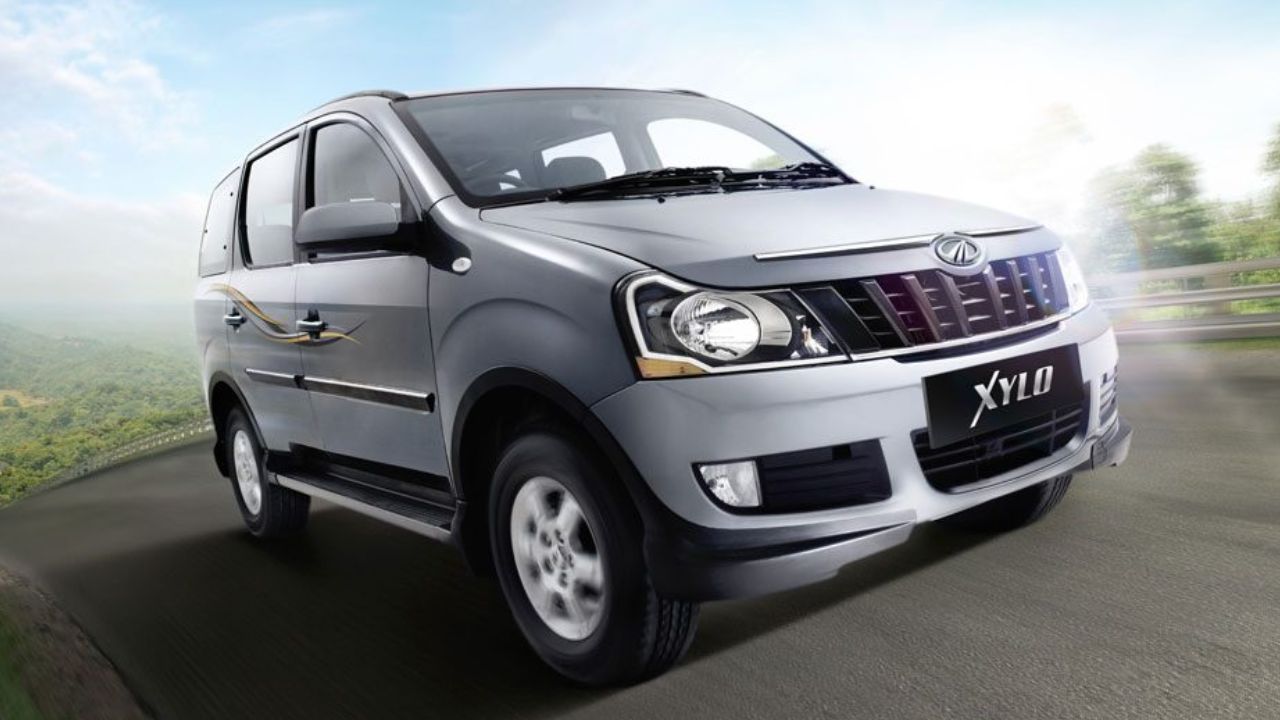
Another car from the past that we believe is rarely remembered by auto enthusiasts or casual drivers alike is the Mahindra Xylo. The car went on sale in India in 2009, with multiple seating configurations. It had a boxy silhouette and an imposing front fascia with a prominent grille and aggressive headlamp cluster.
The Mahindra Xylo packed some serious diesel muscle. It initially came with a 2.5-litre mDI CRDe engine, delivering around 95bhp and 218Nm. However, this was upgraded to a more refined 2.2-litre mHawk diesel (in higher variants) pushing out 118–120bhp and 280Nm. The 5-speed transmission remained the same. Despite practicality and powerful engines, the Xylo struggled to garner traction in India and was eventually phased out in 2019.
Honda Accord V6
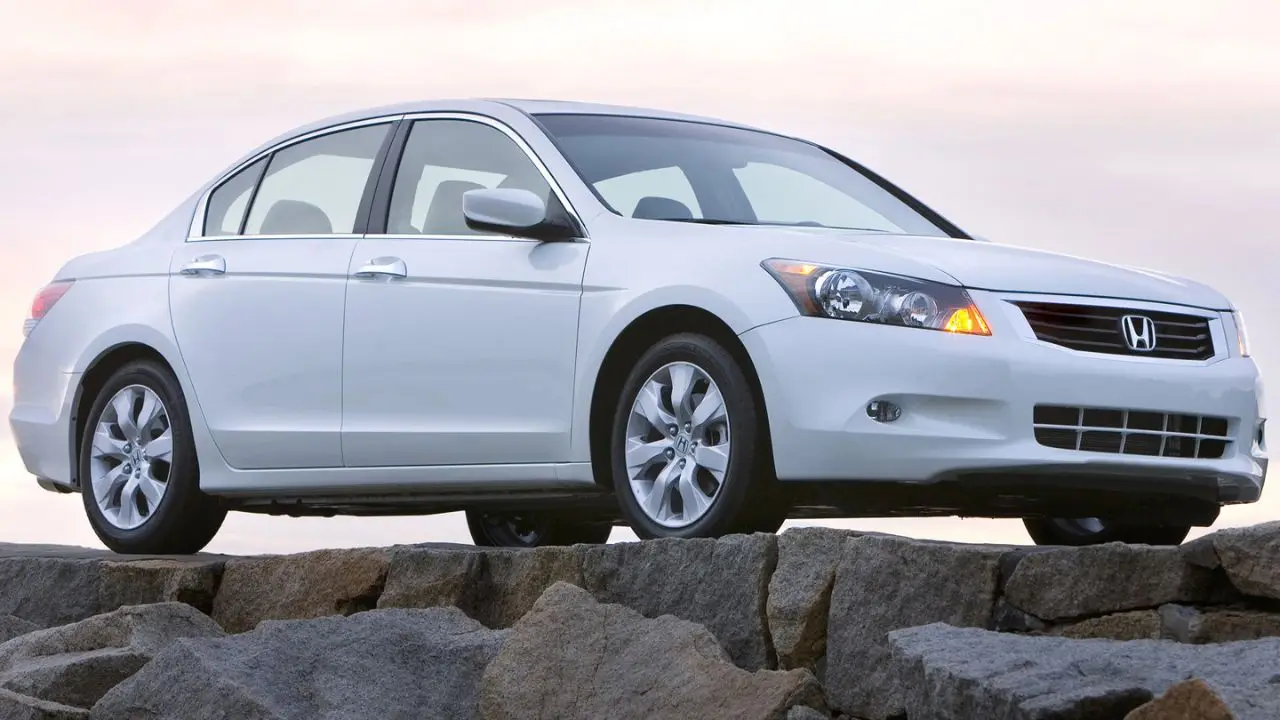
The Honda Accord V6 bid adieu to India in late 2013 or early 2014. The reason behind the sedan's demise could be due to the growing preference of SUVs, the lack of a diesel option, and higher pricing. While the sedan failed to maintain its foothold in the segment, its powerful 3.5-litre i-VTEC V6 petrol engine with 271bhp of power and 339Nm of torque remained its standout feature.
The overall silhouette of the car was elegant and refined, offering a premium executive sedan look. Key design elements include swept-back headlights, a muscular hood, a prominent chrome grille, and 17-inch alloy wheels.
Maruti Suzuki Kizashi
-1753072554007.webp)
Another Maruti Suzuki car on the list that failed to capture market attention was the Kizashi sedan, launched in 2011. Intended as Maruti Suzuki’s answer to D-segment rivals like the Skoda Laura and the Honda Civic, the Kizashi struggled to gain traction among Indian buyers primarily due to its high pricing.
Design-wise, the Kizashi had a sportier and athletic stance with clean lines, honeycomb grille, dual exhausts, and 17-inch alloy wheels. The premium sedan housed a 2.4-litre, DOHC, 4-cylinder petrol engine that produces 175-178bhp and 230Nm.
Chevrolet Forester
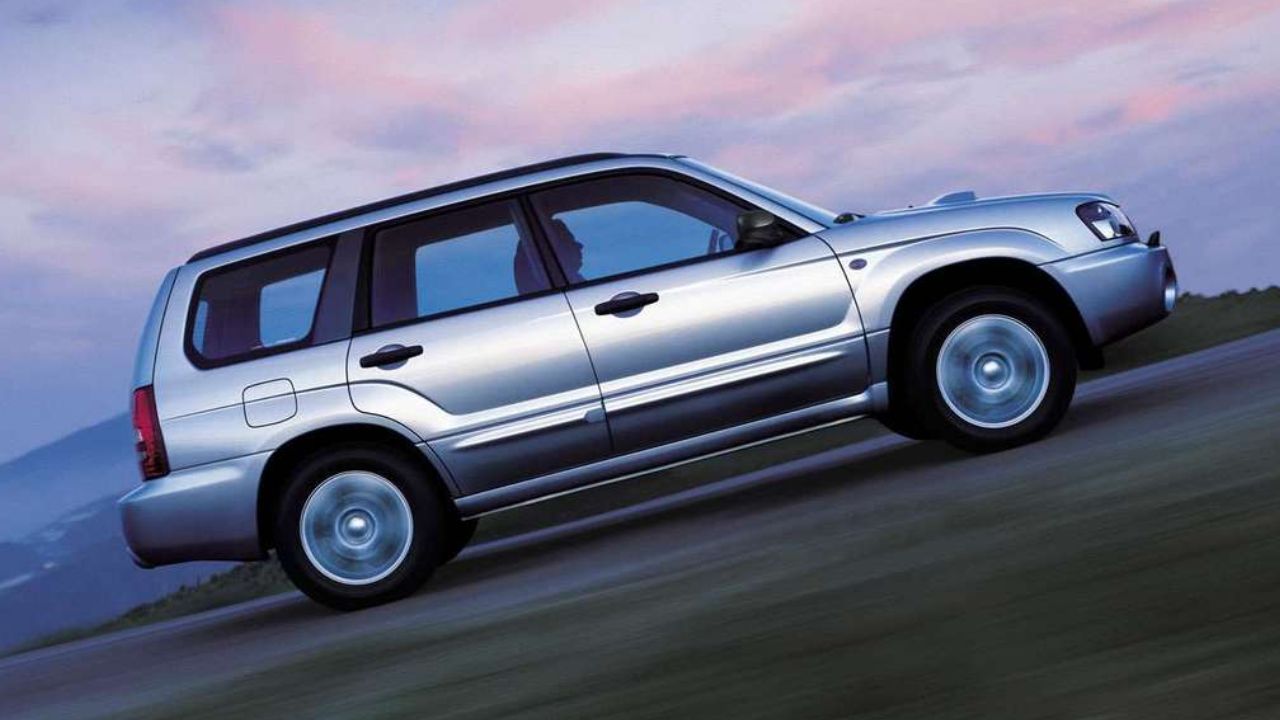
The Chevrolet Forester, launched in India in 2003, was a rebadged version of the Subaru Forester. Although the SUV offered a good mix of comfort and off-road capability, it did not quite meet the preferences of most buyers at the time and was phased out in 2007. The Forester had a boxy and upright stance, showcasing durability and practicality. Its front fascia featured a plain grille and rectangular headlights, while the side had large windows and 16-inch alloy wheels. The rear was straightforward, featuring large and vertically-oriented taillights.
Also Read: Porsche Cayenne Black Edition Launched in India; Prices Start at Rs 1.8 Crore
The SUV featured Subaru's renowned 2.0-litre 'Boxer' engine, producing 118bhp. It was paired with a manual transmission and Subaru's symmetrical All-Wheel Drive (AWD) system.


