Toyota Hilux Electric Makes Global Debut – Will it Come to India?
The new Hilux range debuts a BEV for the first time, alongside a 48V hybrid, and ICE models for select markets. A hydrogen fuel cell variant is also said to join the lineup in 2028.
By Sanorita


Toyota has unveiled the ninth-generation Hilux for the global market, and the biggest news is the introduction of an electric powertrain for the first time. However, Toyota isn’t relying solely on electrification, realising that one solution doesn’t fit every market or buyer. Alongside the all-electric BEV, the lineup includes a 48V hybrid, traditional internal combustion engines for select regions, and even a hydrogen-powered version slated for 2028, under its multi-pathway strategy.
In India, the Hilux continues to be offered exclusively with the 2.8-litre, 4-cylinder turbo-diesel engine shared with the Fortuner, producing 201bhp and 420Nm of torque with a manual gearbox, or 550Nm when paired with the automatic.
Toyota Hilux: Design and Features

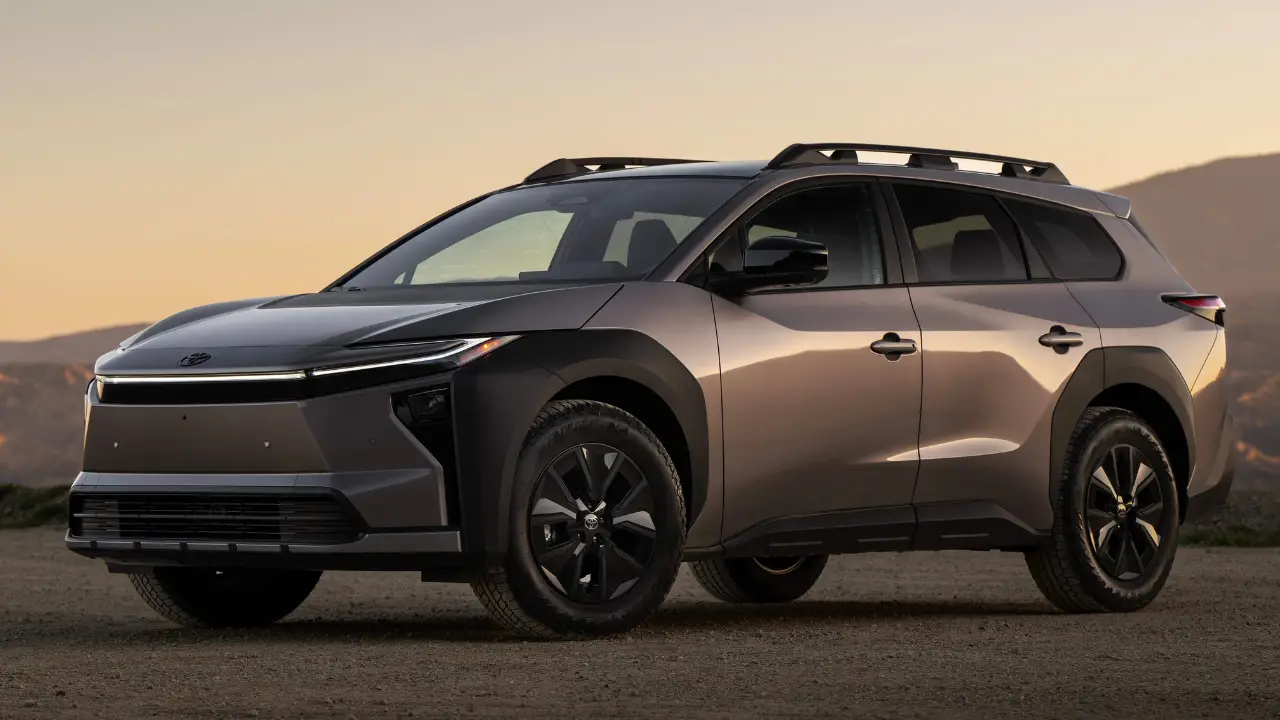
The pickup now boasts sharper lines and a more angular design. The closed-off front grille hints at the electric model’s exclusive credentials, while the charging port sits prominently on the front fender. Other highlights include EV-specific wheels, a new rear deck and side steps, and oversized Toyota lettering on the tailgate. You can also see the model’s name incorporated into the door handle below the third brake light at the rear. The new Hilux comes standard with a double cab body across the range.
Also Read: Toyota Hilux Black Edition Launched in India at Rs 37.90 Lakh
Inside, the new Hilux borrows design cues from the new Toyota Land Cruiser. The centre console has a slender horizontal design, with a fully digital 12.3-inch driver’s instrument display, and a central touchscreen of the same size. The BEV variant gets a single-action shift-by-wire selector. Wireless charging and rear USB ports keep passengers connected and powered. The electric power steering is also available (For the first time in a Hilux).

With the MyToyota app, fleet managers can monitor up to 10 Hilux vehicles, track fuel or charge levels, and review journey history.
The Toyota T-Mate advanced safety suite has been considerably upgraded, depending on grade and market. It now includes Low Speed Acceleration Suppression, Proactive Driving Assist, and an Emergency Driving Stop System, with over-the-air updates ensuring seamless improvements. Other features include Blind Spot Monitor, Safe Exit Assist, and a Driver Monitor Camera.
New Toyota Hilux: Powertrain
The electric Hilux has a 59.2 kWh battery with dual eAxles that offers permanent AWD, and an estimated WLTP range of around 240 kilometres. It offers a payload of around 715 kg and a towing capacity close to 1,600 kg. The classic body-on-frame structure remains the same. Meanwhile, the Hilux Hybrid 48V combines a 48V battery and motor-generator with the 2.8-litre diesel engine. It supports payloads up to 1 tonne and braked towing up to 3,500 kg.
Also Read: Toyota Recalls Vellfires And Land Cruisers Over Faulty Rear View Cameras
In select markets, including Eastern Europe, Hilux will continue offering conventional engines, with the 2.8‑litre diesel taking over from the 2.4‑litre unit, in addition to the 2.7‑litre petrol option.
New Toyota Hilux: Availability
Toyota plans to launch the Hilux electric in late 2025, and the Hybrid 48V model in 2026. A fuel cell version is expected to roll out by 2028. There is currently no official word on the launch of the electrified Hilux in India.