For Performance Cars, The Right Electrification Strategy Could Well be Electric Assist
For performance cars at the very least, it appears that hybrid may be the way to go as opposed to a Battery Electric Vehicle...
By Dhruv Behl

Seeing the success of Tesla, and its insane valuation (making it almost five times more valuable on paper than Toyota and over a dozen times more valuable than Mercedes-Benz), every automaker upturned their model strategy and jumped hook line and sinker into the EV fray. But EV sales growth is softening, and, in fact, at the high-performance end of the market the wheels appear to have fallen off the EV wagon train.
Also Read: A Cult of Personality can Lead to Great Valuations, But it Can All Crash Just as Fast…
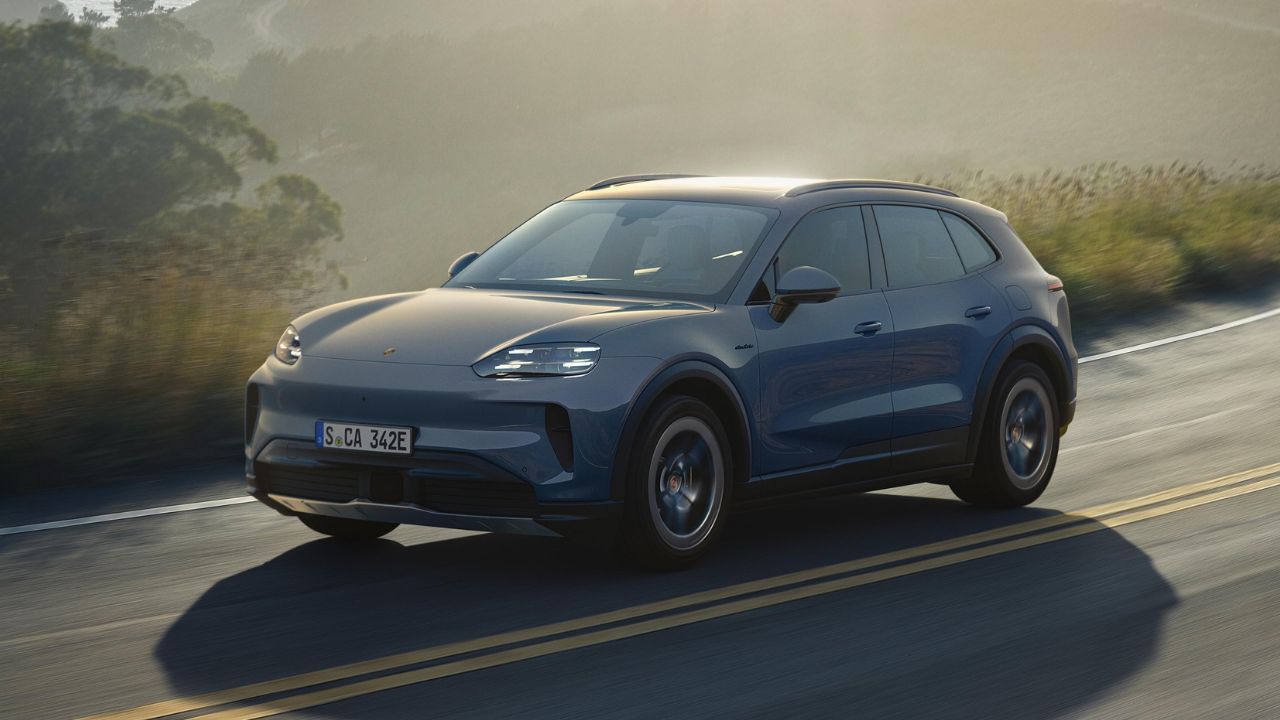
Porsche has seen this with their performance EV, the Taycan – which isn’t just proving difficult to shift from dealer lots, but it’s also seen residuals tank once it leaves the showroom floor. And that’s to say nothing of the sheer brilliance of the Taycan as not only an EV but also an outright performance car. The first time I drove the Taycan some years ago, on a mountain road in LA, I thought it felt like a paradigm shift. Forgive me for using a cliché, but it truly did feel like it was on rails thanks to its low centre of gravity. And the speed, thanks to its electric motor, was simply astonishing. The fact that it had four doors, and an equitable number of seats, was even more impressive. At the Porsche World Road Show, I got the chance to experience the eye-popping and brain-scrambling acceleration of the Taycan Turbo GT, and I came away with that same feeling of it being a paradigm shift once again.
So, why didn’t it set the sales charts on fire the way it should have done? Well, it appears that people want the visceral rush and drama that can come only from the ignition of oxygen with petrol to facilitate forward propulsion. There’s just something about the sound of the intake as the engine consumes vast quantities of air, that sensation of velocity resulting from a sequence of explosions in perfect symphony, capped off by the howl of spent gasses as they race to escape through the exhaust.
Also Read: Porsche 911 GT-S T-Hybrid Driven at an F1 Race Track: Resetting the Goal Posts
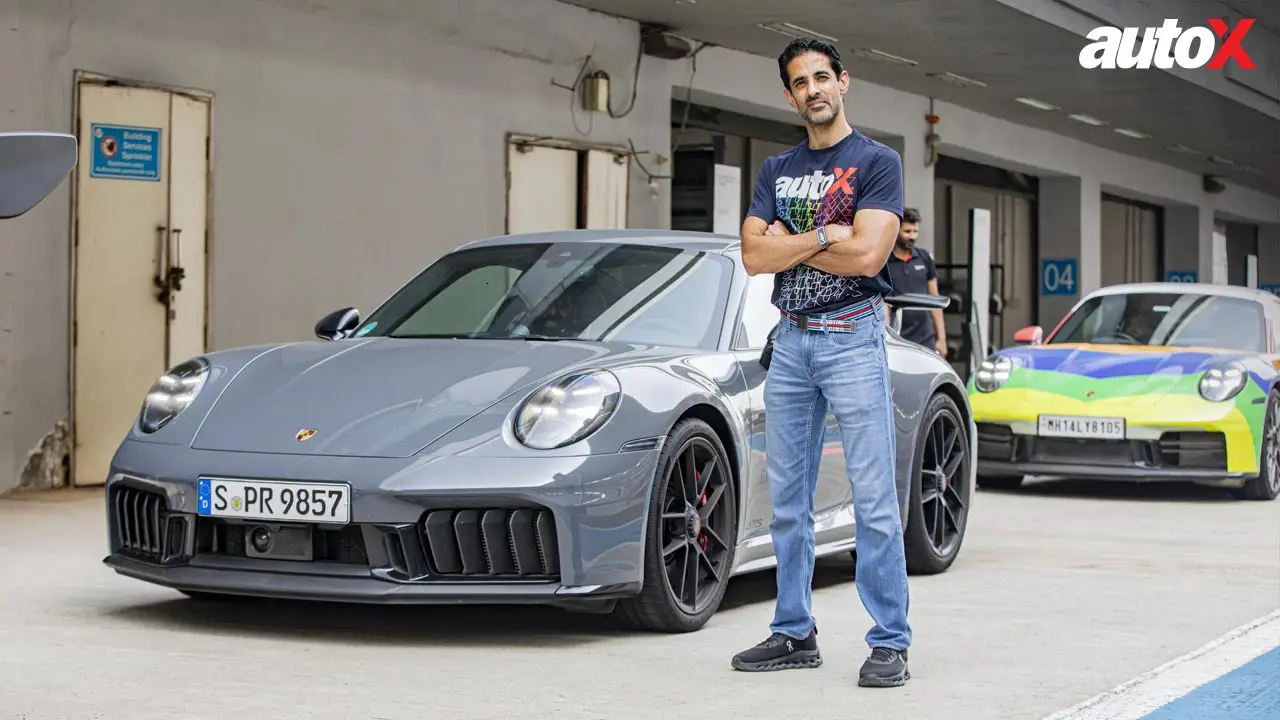
Porsche appears to have found the perfect middle ground with the brand new 911 GTS T-Hybrid – the world’s first road-going hybrid 911. This hybridized 911 gets a turbo with electrical assist, along with an electric motor in the gearbox that provides additional boost, all of which is powered by a 1.9kWh battery that’s about the size and shape of a standard 12V car battery. The benefit of having a small battery is that the weight penalty is minimised, plus it’s always charged and ready to support the internal combustion engine.
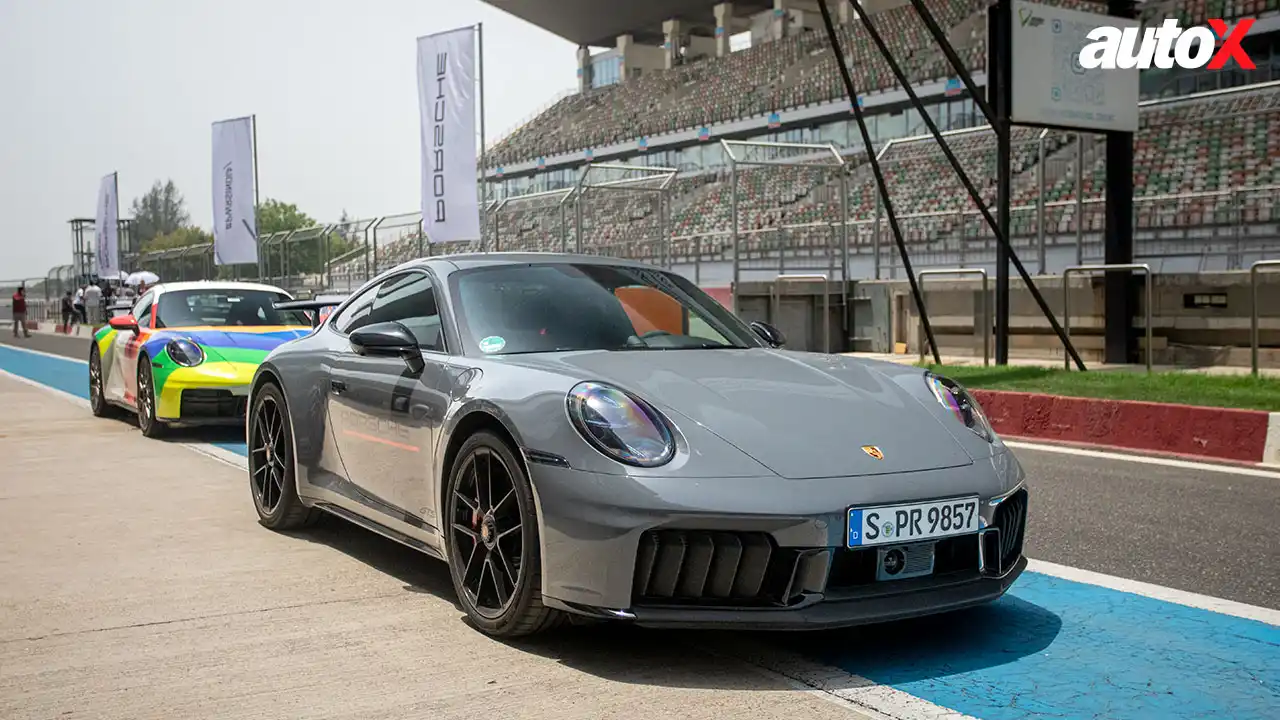
The end result is a 911 that’s not just more powerful than just about every other 911 on sale, with the exception of the Turbo and Turbo S, but also one that’s second only to the GT3 on the fun-to-drive scale – meaning that it hits a sweet spot in the range. At the same time, the hybrid tech should also help it be more efficient and meet the most stringent emissions regulations.
Porsche SE (the holding company for Porsche and VW) has just announced that it’ll take a write down of almost 3.5 billion Euros on its shares of Porsche AG, as Zuffenhausen goes back to the drawing board for its EV strategy – and that’s to say nothing of the almost 20 billion write down that it’s taking on its VW shares as Germany’s largest carmaker is also attempting to strike the right balance between the ICE & EV models in its range.
For performance cars at the very least, it appears that hybrid may be the way to go as opposed to BEV...