Function & Simplicity are the Highest Forms of Design & Technology
Design & technology, when overdone, adds complexity, detracts from usability and ends up serving neither form nor function
By Dhruv Behl

Apple devices are a case in point – clean, tactile and usable! Perhaps the only compromise is that some of the devices can run a bit hot because all the tech is packed into a compact form factor that’s optimised for size and packaging.
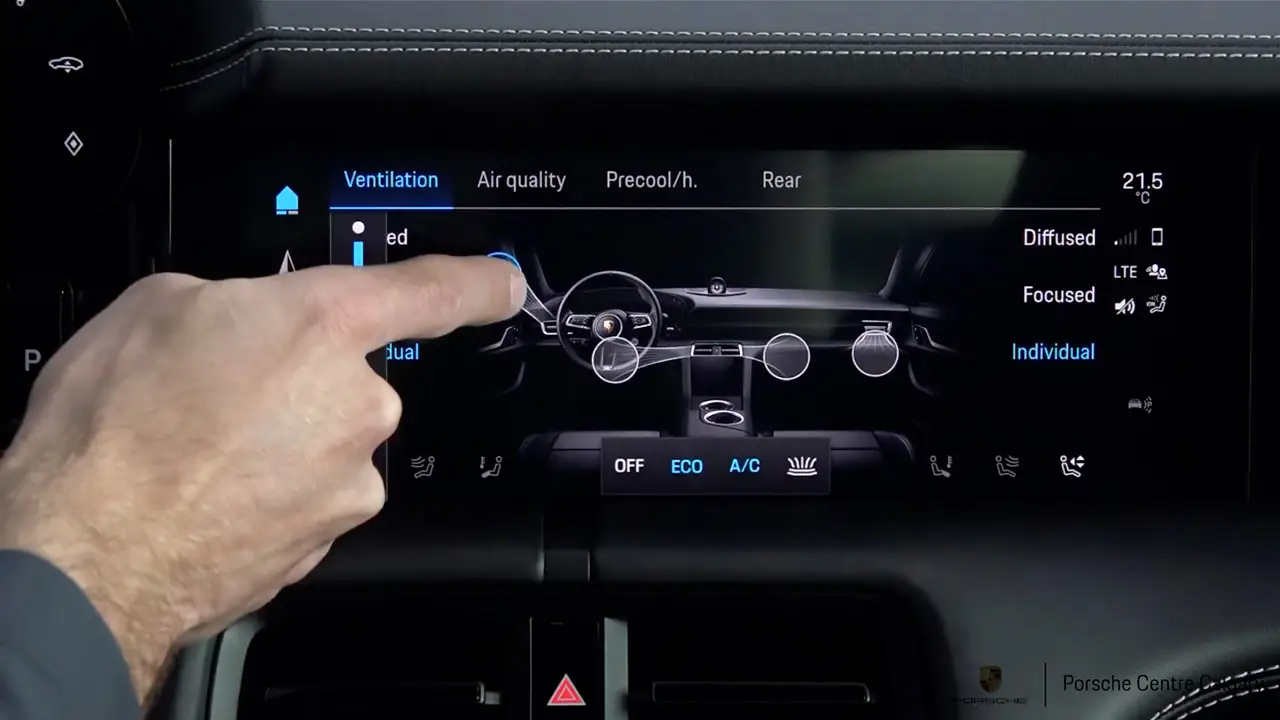
Inversely, however, design and technology, when overdone and for its own sake, adds complexity, detracts from usability and ends up serving neither form nor function. A case in point are the AC vents that are controlled via touchscreen in the Porsche flagship pair of the Panamera and Taycan. Personally, I can see no good reason for being required to access a sub-menu in the touchscreen to adjust the airflow from a vent that can be operated manually without having to take your eyes or attention off the road. Is it a party trick? Sure. Is it pointless? Absolutely. Worse, is it obtrusive and potentially even careless? I’m afraid so.
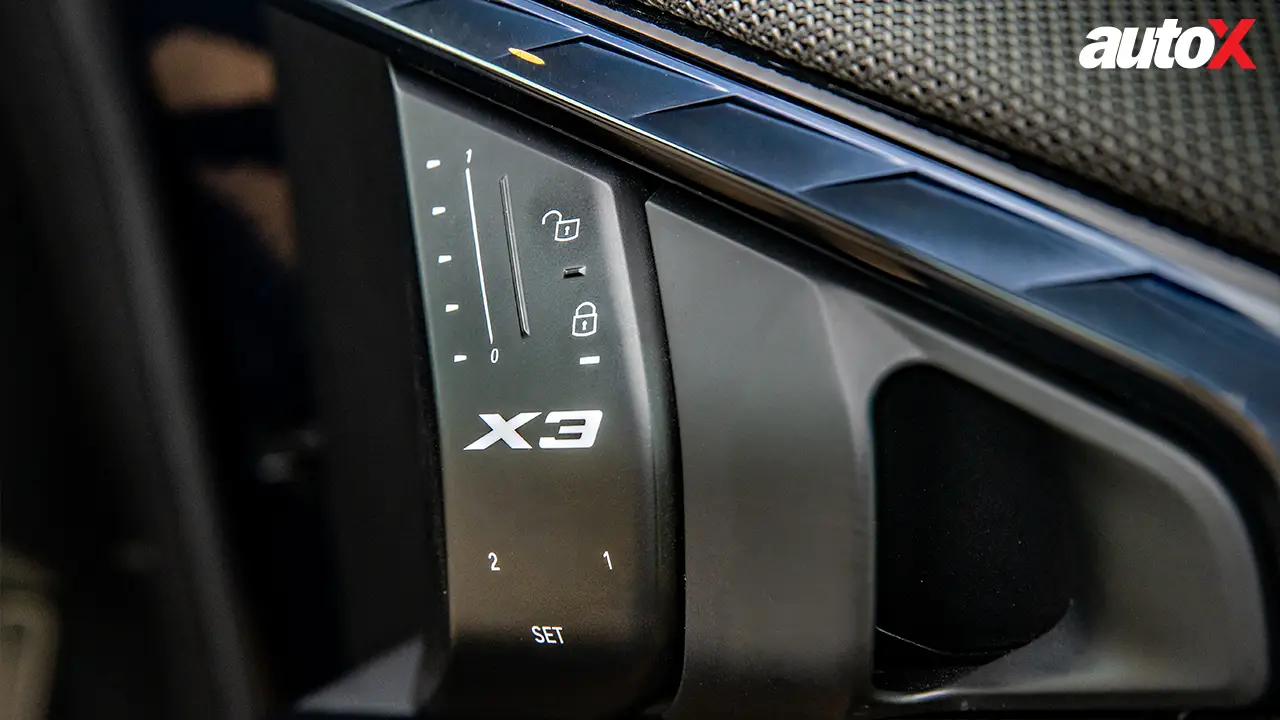
Mercifully, however, Porsche provides physical buttons to control fan speed and temperature – which is a lot more than can be said for BMW at present. While iDrive has always set the benchmark for in-car infotainment systems, in the past BMW always supplemented their touchscreens with some essential buttons, such as those for fan speed and temperature – which have since been removed in the quest for clutter free cabins. And they’ve been universally derided by drivers and buyers alike because, once again, a function that could once be performed instinctively now requires your full attention for no added utility in return. Additionally, BMW has replaced good quality and functional air vents with flimsy stalks that stick out of quasi concealed vents that no one asked for nor presumed they needed.
The iPhone was cutting edge not because it replaced a keyboard with a touchscreen, but because it put that valuable real estate to far better use by incorporating all of it into a screen that fit into the palm of your hand. The utility it provided far outweighed the compromise its design demanded. In this instance, neither BMW nor Porsche have been able to justify their design and tech choices in the minds of consumers. Perhaps the designers or product planners get bragging rights or an ego massage, but the benefits certainly don’t accrue to the end users or consumers who are paying for the pleasure of interacting with the other aspects of a product that otherwise enhance the overall experience.
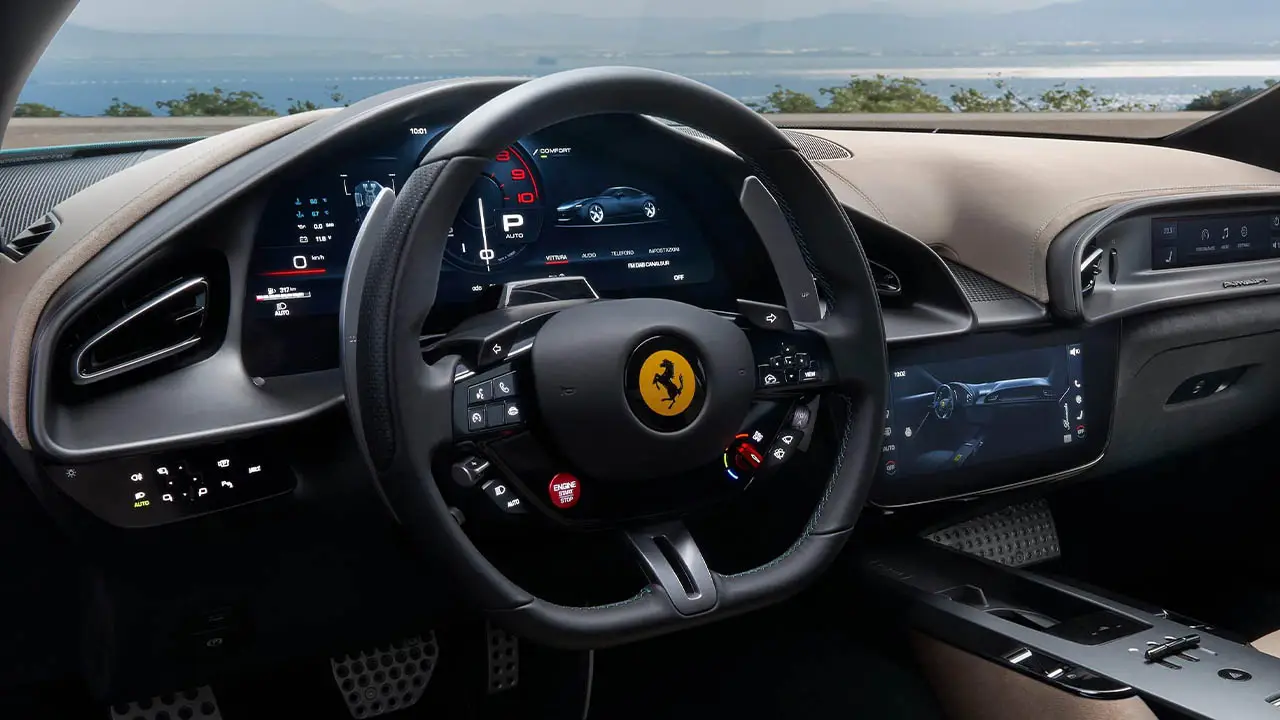
All is not lost, however. Ferrari, in their newest models, are reverting back to physical buttons on the steering wheel from the haptic feedback trackpads that they incorporated about a half-dozen years ago. So, it seems that better sense can prevail if enough people point out the idiocy of some design decisions and technology adaptations. So, make your voices heard – don’t accept being at the receiving end of a flex from a product designer who’s satisfying his or her own ego at the expense of your user experience!