The EV Cost: $50 Billion in Losses - Letter from the Editor
After years of aggressive electrification targets, automakers are confronting a harsher reality as slowing demand and shrinking incentives force a strategic reset.
By Dhruv Behl


As tax credits & incentives dry up in the West and sales stagnate in China, EV demand curves aren’t rising with anywhere near the alacrity automakers predicted. As a result, carmakers across the spectrum are cutting back, redrawing plans and realigning balance sheets.
Stellantis has taken a $26 billion write-down; Ford $19.5 billion; GM $7 billion; VW $6 billion (primarily due to a change in strategy at Porsche, which is 75% owned by the VW Group), and Honda almost $2 billion, just to name a few. Porsche has canned its EV sports cars, which were virtually production-ready after years of development; Lamborghini has decided to go down the hybrid route; and virtually every manufacturer is dusting off long-shelved ICE plans.
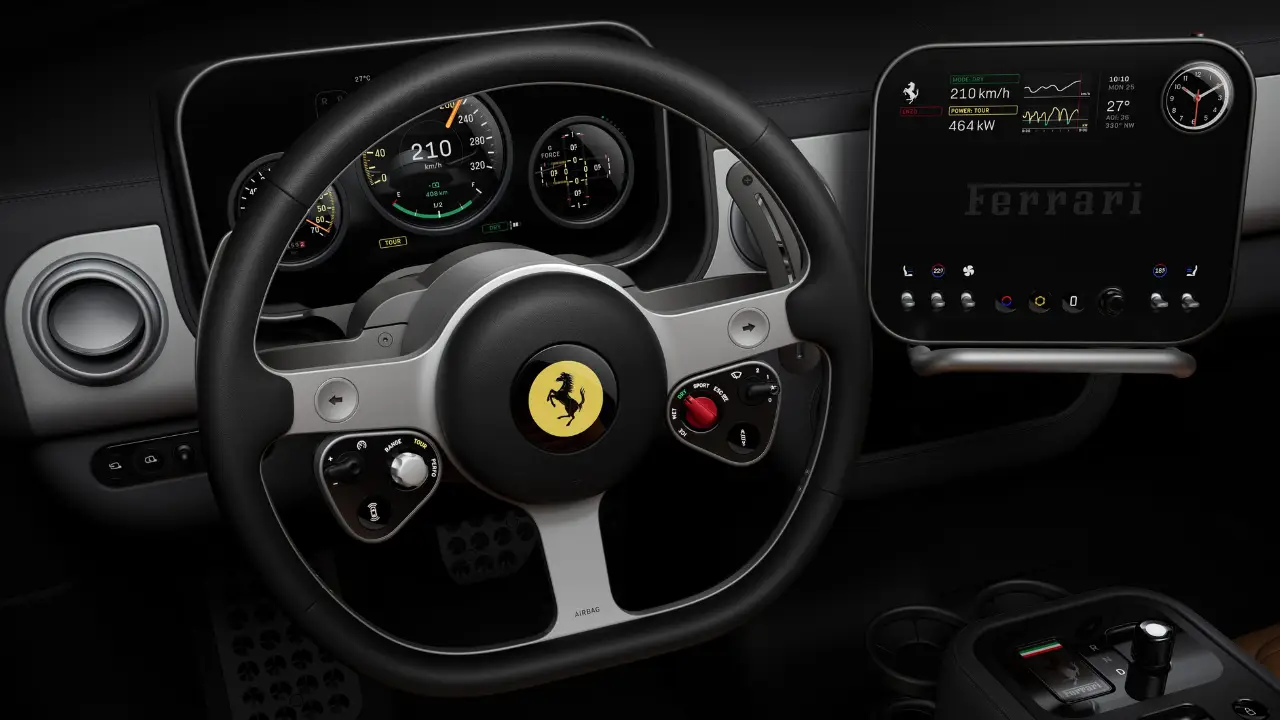
That said, everyone still believes that EVs are the future; they were just a little too optimistic in their projections of adoption rates. The most evocative automotive marque of all time, Ferrari, for instance, is pressing forward with the introduction of its first EV – the 'Luce'.
So, how did it all go so terribly askew? Well, in fairness to the industry, the last few years have been nothing if not unpredictable. Executives have literally felt the ground shift beneath them. In the past, product planning was as straightforward as working on a facelift every three-and-a-half years, and then a full model replacement every seven years – with a new car that was a little larger, better built and slightly faster than before. But then the goal posts moved completely. The trouble is what pre-empted that shift – not actual demand but virtue signalling. And everyone was guilty of it, right from politicians to carmakers to consumers themselves.
Politicians just need to get re-elected; they don’t need to run car companies. Carmakers, meanwhile, tried to copy Tesla without realising that Tesla was a software company masquerading as a traditional automaker. As for buyers themselves, well, they were also virtue-signalling – letting the world know that they’re part of an evolved set of early adopters who put their money where their mouths are. But when the tax credits dried up, and Elon’s politics turned on its head, the juice was no longer worth the squeeze.
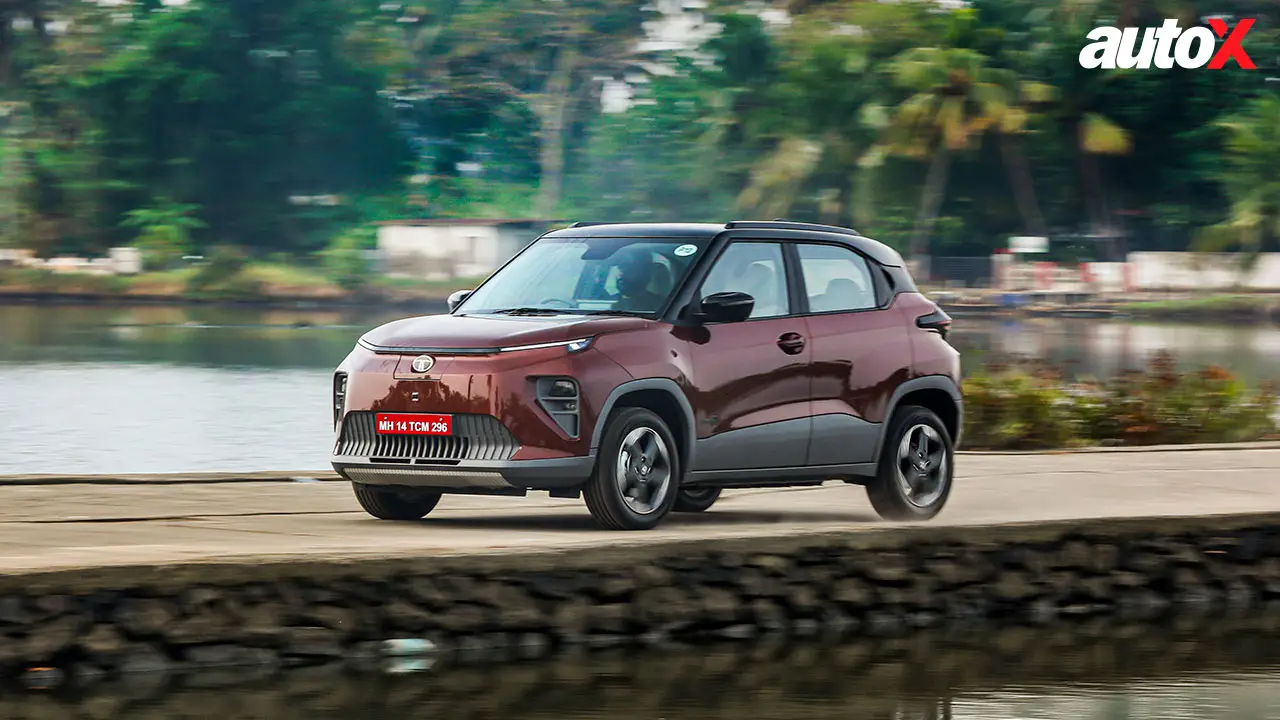
And so, automakers have hit the reset button yet again. Cash is king, and product plans have to reflect what people are willing to write cheques for. Globally, EVs make up about 25% of total car sales – but 60% of that volume comes from China alone. In India, EVs make up only 5% of the total car market, so there’s plenty of room for growth, provided automakers remember the golden rule – build what people will pay for, not what you think they ought to buy & drive!