Jens finds some commonality between the Tata Nano & BMW i3!
Last December, I set foot on the Indian subcontinent for the first time – something I had wished to do for a long time, but there never was an
By Jens Meiners


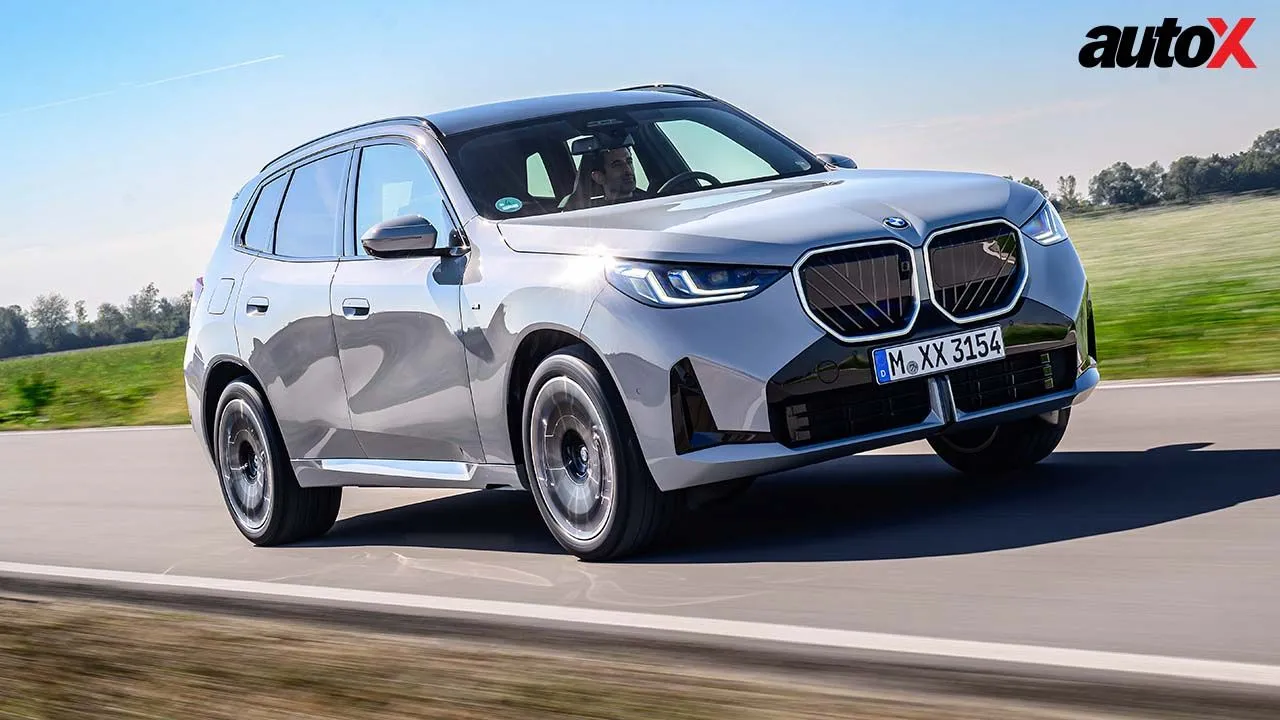
Last December, I set foot on the Indian subcontinent for the first time – something I had wished to do for a long time, but there never was an occasion that seemed just right. Discovering India should be a very special experience, right? Well, coming in for three days to meet some great colleagues for the NDTV Car of the Year testing event was the right occasion – and it turned into one of my most memorable trips to date. The Indian market is unique and special. More than half-a-decade ago, word of the one-lakh-car sent shockwaves through the industry. The extreme cost cutting and decontenting – in a somewhat stylish package – seemed to have created the next Model T, the next Beetle. Reporting from Europe and North America, a lot of us genuinely thought that the Tata Nano would transform mobility in India. Then it arrived (if belated), and it performed as promised. But, perhaps the result of a changing society, it hasn’t happened – the Nano just isn’t a major presence on your country’s streets. In Europe and North America, a car that costs about 20-times as much as the Tata Nano is presently expected to transform mobility – the BMW i3. Last July, I witnessed its launch in New York (and in line with its lofty aspirations, it was simultaneously unveiled in London and Beijing). You couldn’t beat the rhetoric. BMW CEO Norbert Reithofer actually said, “What the mobile phone did for communication, electric mobility will do for individual mobility,” and proclaimed the i3 “a milestone in the automotive history.” He raved, “Today, the BMW i3 begins a new era – the era of true sustainable mobility.” The cluster of journalists proceeded to the rooftop to examine the i3’s quirky styling, its fit and finish, and the inconsistencies in its design – such as the base version’s reflector-style halogen headlights. July 2013 came and passed, and the i3 has since been delivered to its first customers. Has it changed mobility? Not so much. Most people go about the business of driving just like before. In order to prevail, new must be better. The Tata Nano is compromised in several ways – and it isn’t a lot cheaper than a Maruti Alto 800, which is a car that many prefer to drive – unless they’re looking for an interesting second or third car. And what about the i3? Priced like a well-equipped 3 Series, it falls short of many conventional cars in terms of range, performance, and utility. Many problems with electrics are inherent in their basic design – and the chemistry of the battery pack. I am impatient. I will not visit a gas station again if I encounter a slow pump. Waiting for hours for a modest recharge of the batteries? Sorry, that’s not in my book. And count me among the skeptics when it comes to avoiding local emissions – will air quality improve by any significant extent by substituting Euro-V, or Euro-VI-rated cars with ultra-expensive electrics? I wonder if there is a more expensive way of making this tiniest of progress – if at all. One of my favorite interview partners, retired Viennese Professor Fritz Indra of Alpina, Audi and GM fame, tells me that he recognizes a 20-year pattern at work. Triggered by political and media pressure, the auto industry keeps falling into the same trap – and fails to recognize that electric cars are so inferior in many ways that they would not even stand a chance if they were significantly cheaper than petrol and diesel powered cars. Which they aren’t. If there is one electric that comes without the pretension to save the planet, it’s the Cadillac ELR. Simply an efficient, quick, and beautiful boutique car, it is my favourite electric by far. It just doesn’t sell very well. Cadillac has not divulged its sales plans, but they must have hoped for more than the 41 units they managed to sell in the entire month of January. Some visions, as we have seen, never translate into reality.