Veedubs, Volcanoes & the Creative Economy: An Indian Traveller’s Indonesian Surprise
The automotive culture in Indonesia is fascinating, with legacy cars still in use and being cherished. We could learn a thing or two from them…
By Srinivas Krishnan


As I landed in Yogyakarta International Airport in Java, I was greeted by three classic Volkswagens, two Buses and a Beetle. Right at the arrivals section. While my phone kept clicking, I asked the driver who was waiting for us, what’s with the cars parked here. He didn’t know, probably some event, he muttered. I was zapped. I immediately posted the pictures up on the classic Volkswagen India group, and soon there was a response from one of the members, Indra – coincidentally an Indonesian working for Heritage Parts Centre South East Asia, based in Jakarta: Welcome to Indonesia! We immediately connected, and I was told that the tenth (TENTH!) edition of the Jogja VW Festival was being held in a few days. But I was heading back home a day prior, what luck…
As you may have surmised, I was in Indonesia with my family on a holiday last month. Why Indonesia? Apart from the fantastic Visa-On-Arrival facility for Indians, Indonesia has a deep cultural link with India, which I wanted to explore. And then they have plenty of volcanoes too: live ones, not dormant. Cars, especially the old-timers and a great car culture, were the last thing on my mind as we landed there. However, later on, I realised the automotive culture could itself be a tourist attraction. And why not? The government unit in charge of tourism is officially called the Ministry of Tourism and CREATIVE ECONOMY. The latter two words add a new dimension altogether; maybe our Babus can wrap their heads around the possibilities.

So, what exactly was the Jogja VW Festival all about? And was it possible to at least have one look before I left the next day? Locals call the city Jogja instead of Yogyakarta as it smoothly rolls off the tongue, and the name goes with the city’s chill vibe. There is gorgeous, tastefully done graffiti on the walls and shutters, and musicians strum local songs at street corners. Just the perfect place to have a festival celebrating great classic cars from Volkswagen. But why VW? Why Indonesia? All will be revealed.
Some well-placed calls later, I cancelled some important bits of my planned itinerary for my last day in Indonesia (I had been up since 3am to see a volcano), all because I could get to see some old Bugs and Buses. Soon, I was heading to the Gelanggang Inovasi Dan Kreativitas (Innovation & Creativity Arena) at the prestigious Gadjah Mada University – the venue for the VW Festival – hoping to see the cars arrive. Thanks to Indra and a young volunteer called Audi (yes, and her father was one of the senior members of the VW Chapter), I could visit the stunning arena – a beehive of activity in preparation for the show.

We walked around from one end to the other, and admired some gorgeous Beetles and Microbuses, plus a stunning red Porsche Renndienst (Racing Service) T1 support truck, a wooden Type 181, a Karmann Ghia convertible, a VW Type 411 and a Porsche 911 S with a ducktail spoiler. And, of course, multiple cousins of my own Miriam and several other T2 buses. If I had known about the VW Festival, I would have planned my trip accordingly… Next time perhaps. The show is significant enough for Volkswagen to have an official presence there. They had shipped down four or five shiny electric ID.Buzz buses in different colours for display. What a way to showcase your legacy and your future at the same venue.
But that’s not all to Indonesia’s VW fetish. In many tourist spots in the islands of Java and Bali, you spot VW Type 181s. Known as The Thing(!) in the US market, these were Jeep-like utilitarian vehicles, which were cobbled together using VW parts and underpinnings – essentially, the Beetle drivetrain and the wider Karmann Ghia floorplan. I was amazed when I first spotted multi-hued ones at a car park in a tourist centre. I have seen and driven one Type 181 in India – it is pretty rare back home – and here there were so many, in colours that would make a rainbow blush. These cars were tourist vehicles, giving a special experience for sightseeing like no other. If you are in Bali or Java on holiday, do check it out.
So why were there so many Type 181s in Indonesia? Well, that’s because Volkswagen shifted production of the Type 181 to Jakarta from 1972 to 1980. The Indonesian Government wanted these rugged machines for administrative purposes and sent them across to different parts of the country to be used by local sub-district officials, who were known as Camats. The name stuck to the car. About 6,000 units of the Camats were produced, and many of them today have a second life as tourist sightseeing vehicles. That’s brilliant repurposing of automotive heritage. Imagine the black-and-yellow Premier Padmini taxis being used for tourism in Mumbai… Too late. No wonder the Indonesians call it Creative Economy. So much to learn from other countries, they seem to be the real gurus.

That’s not all. All the world’s Willys MB and CJ, Ford GPW, Toyota FJ, Land Rover and even Suzuki Shogun/Samurai (our own Gypsy) variants seem to find their way into the island of Java. Why? Because they have thriving volcano tourism and sightseeing options in these heritage off-roaders as a tourist attraction. The base camps around Mt Merapi, for instance, is littered with all these legendary off-roaders. While many of them are substantially modified, including replacements of the powertrain, these legends live on with dignity, ferrying excited tourists near volcanic spots and doing some minor off-roading on water beds. While Jeepers in India also use their machines for hardcore off-roading, in Indonesia these allow for more people who would otherwise never get to experience the thrill of a magnificent machine like the Jeep. Besides, as I said, repurposing makes them relevant for more people, and newer generations.
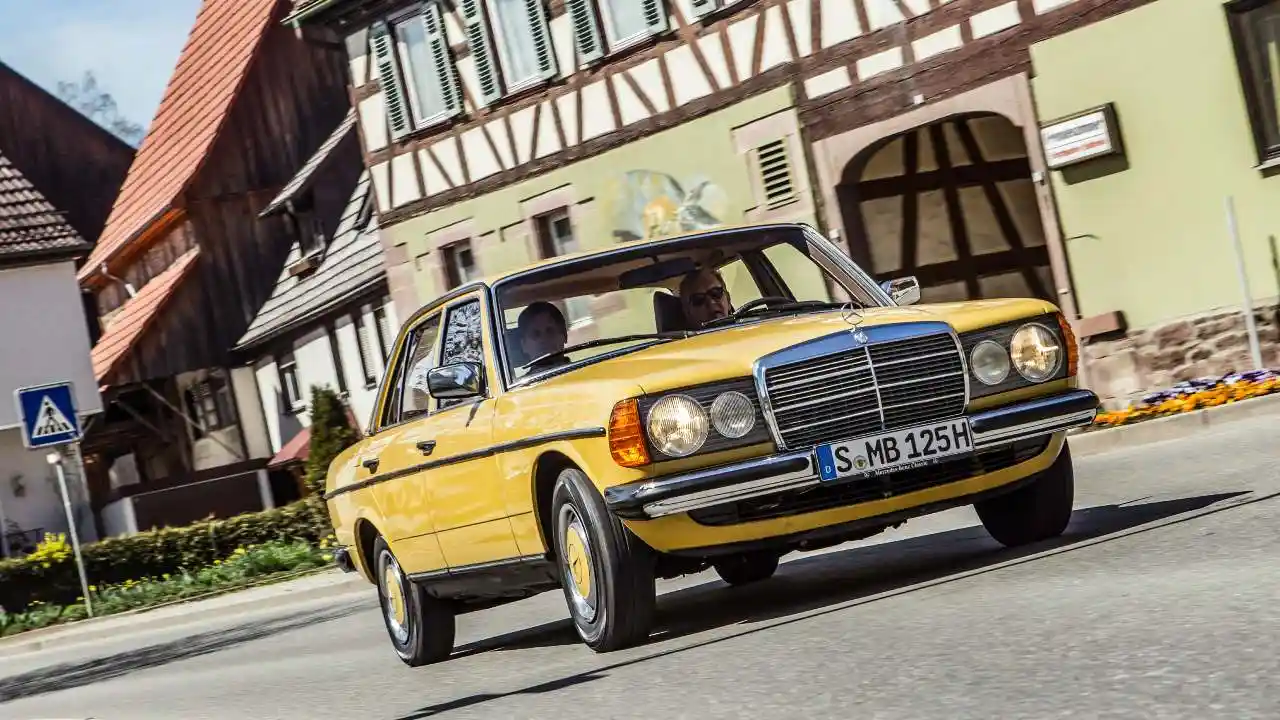
There was more to Indonesia – you could spot some classic W111s, W123s and W124s here and there, but the love affair with the Beetle and the Microbus stands out. Beetles are on display at malls while T2s are used as mobile food vans. If you love classic Veedubs, Indonesia rocks. And it rocks in other ways too. The drivers and riders are invariably polite. They too have traffic jams, but no one breaks laws or acts oversmart like the way we Indians always do. They too have heavy rains, but their roads are smooth – I don’t think I endured a pothole at all. Oh, and their roads are clean too. They respect traffic rules and are invariably courteous. And they honk to say thank you, and not to deliver curses like Indians. Travelling even to a highly populated, Third World Asian country like Indonesia opened up my eyes to how behind we are in so many aspects. Eye-opening. And enjoyable. Honk, honk.