The Mercedes-Benz W123 and the Lost Art of Building Cars to Last
This year, we celebrate the historic 50th anniversary of a legend: the age-defying W123, the best-selling Mercedes-Benz of all time. A tribute.
By Srinivas Krishnan

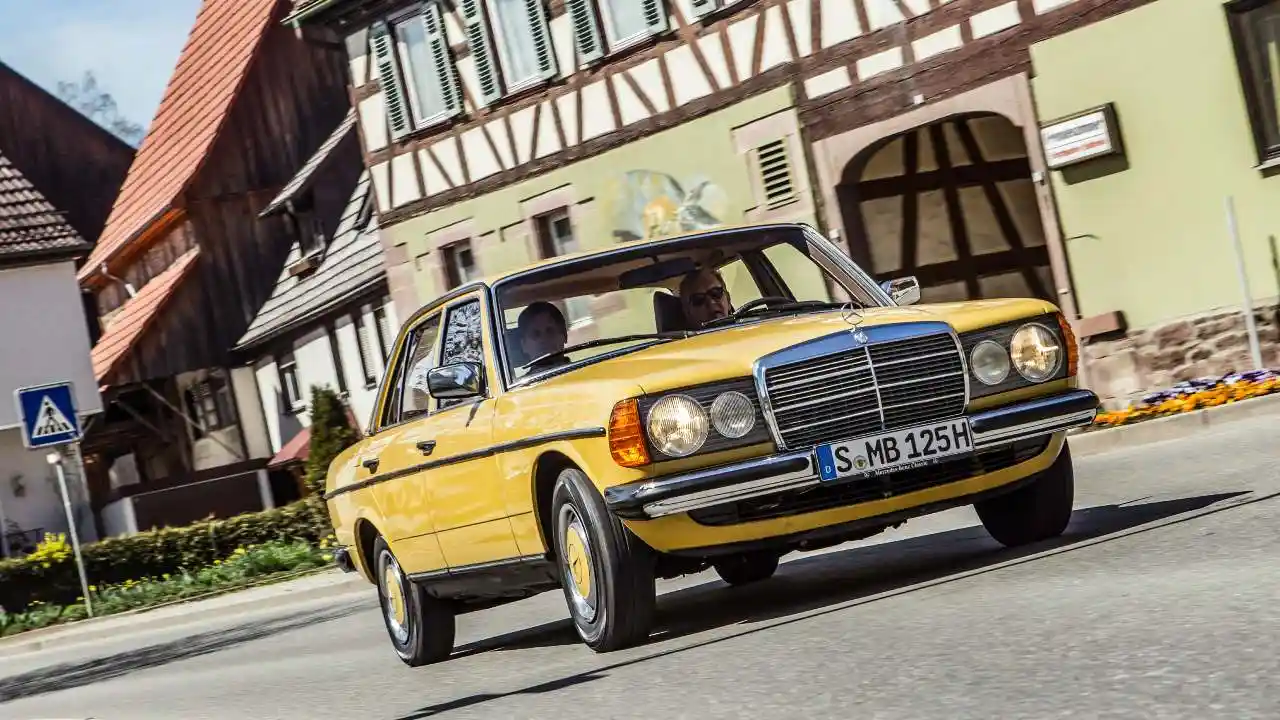
A special German Federal Railways train was chartered by Daimler-Benz to carry precious cargo to the south-east of France. Logistically, it was a sound decision because covertly transporting large numbers of these cars from Germany to France by road would have been difficult. Hence, an entire train. The year: January 1976. The location: Bandol, Côte d’Azur, and the Paul Ricard Circuit. The occasion: the press drive of the new W123. Number of cars: 33, spanning engine variants and trim levels.
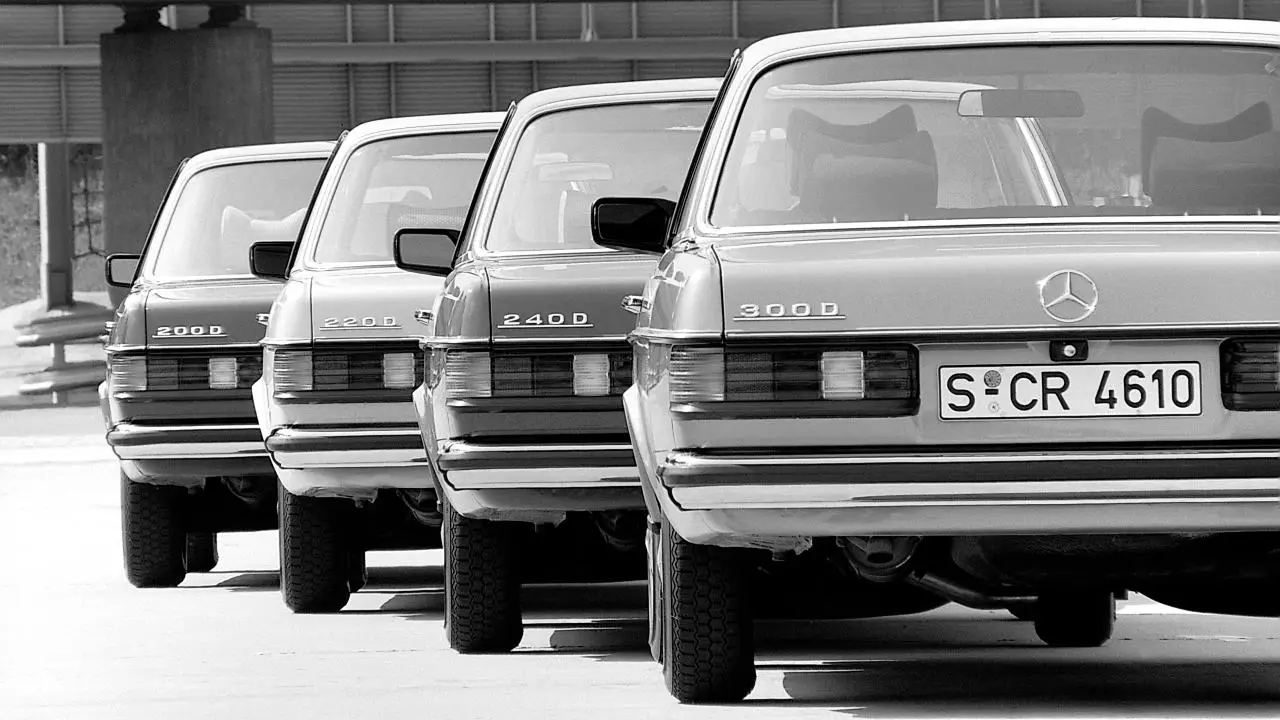
The sheer size of the press fleet reflected the wide range of engines the new Mercedes-Benz saloon would be introduced with at launch: nine variants, with outputs ranging from 55hp to 177hp, across petrol and diesel. The press drive was perhaps a hint of the scale and ambition surrounding the W123, because by the time the new Mercedes-Benz went on sale, the entire first year’s production was already spoken for. The outcome? A thriving market for second-hand but virtually new W123s with higher price tags – all this within the very first year of production.
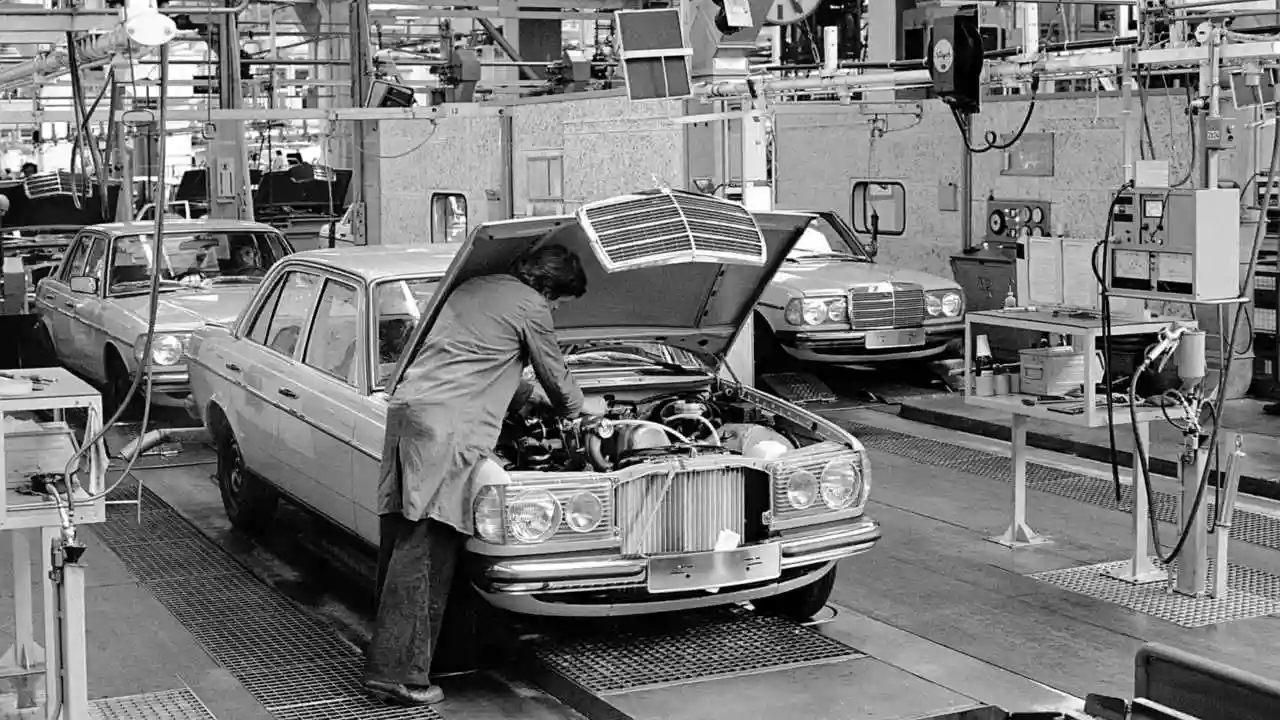
Little did anyone know that by the time the final W123 – an estate – left the assembly line in January 1986 (the 40th anniversary of that event was observed last month), it would become the best-selling Mercedes-Benz of all time, with nearly 2.7 million units produced. And I believe most of them are still performing duties somewhere in the world, long past their ‘sell-by’ date. Whether it is Germany or Morocco, Azerbaijan or Iran, the UK or the USA, it is not uncommon to spot a W123 even today.
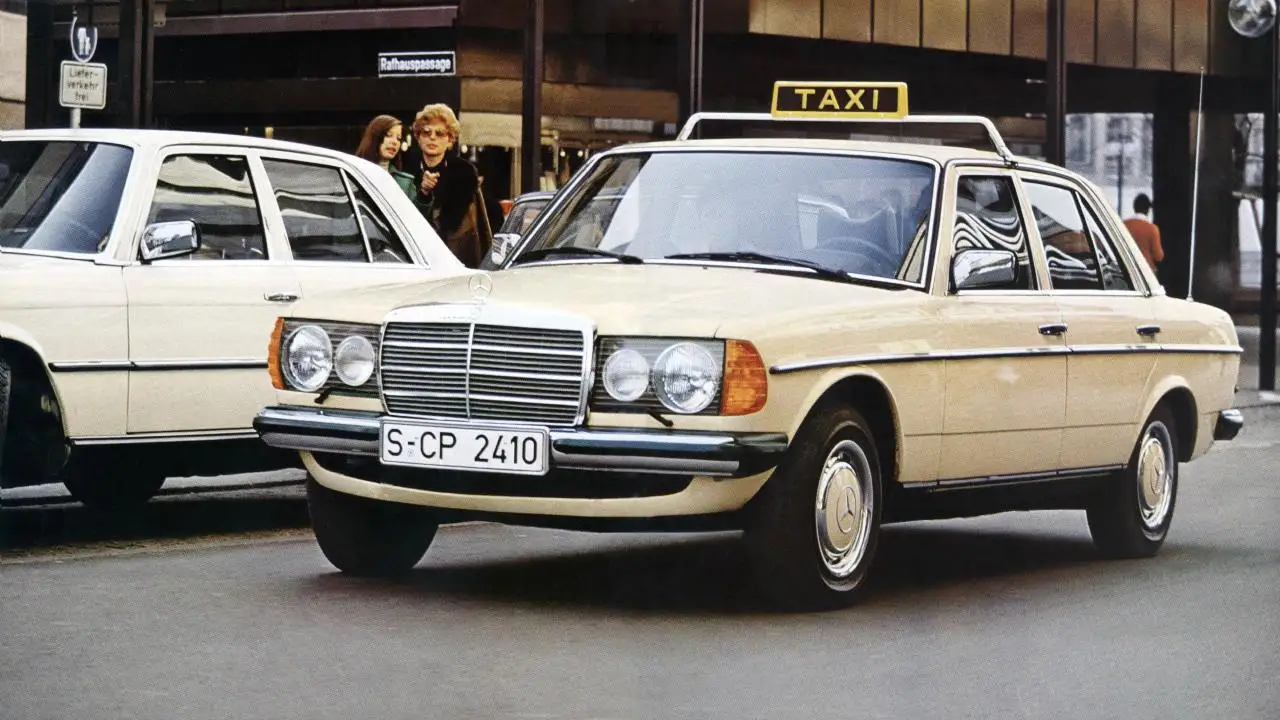
These invincible machines, built for a Biblical lifetime, can still be seen going about their business. I have seen them in action across a staggering range of countries, continuing to soldier on, carrying people and goods as if it is the most natural thing to do – FOUR DECADES after production ended. For others, though, it is the quintessential modern classic – the car you buy if you want a cool old-timer that you can use as a daily driver, even in today’s rubbish traffic and driving conditions. Speak to owners in India today, and they will swear by its ability to quietly worm its way into your life, slowly becoming the daily runner of choice instead of a contemporary car. It is that good.
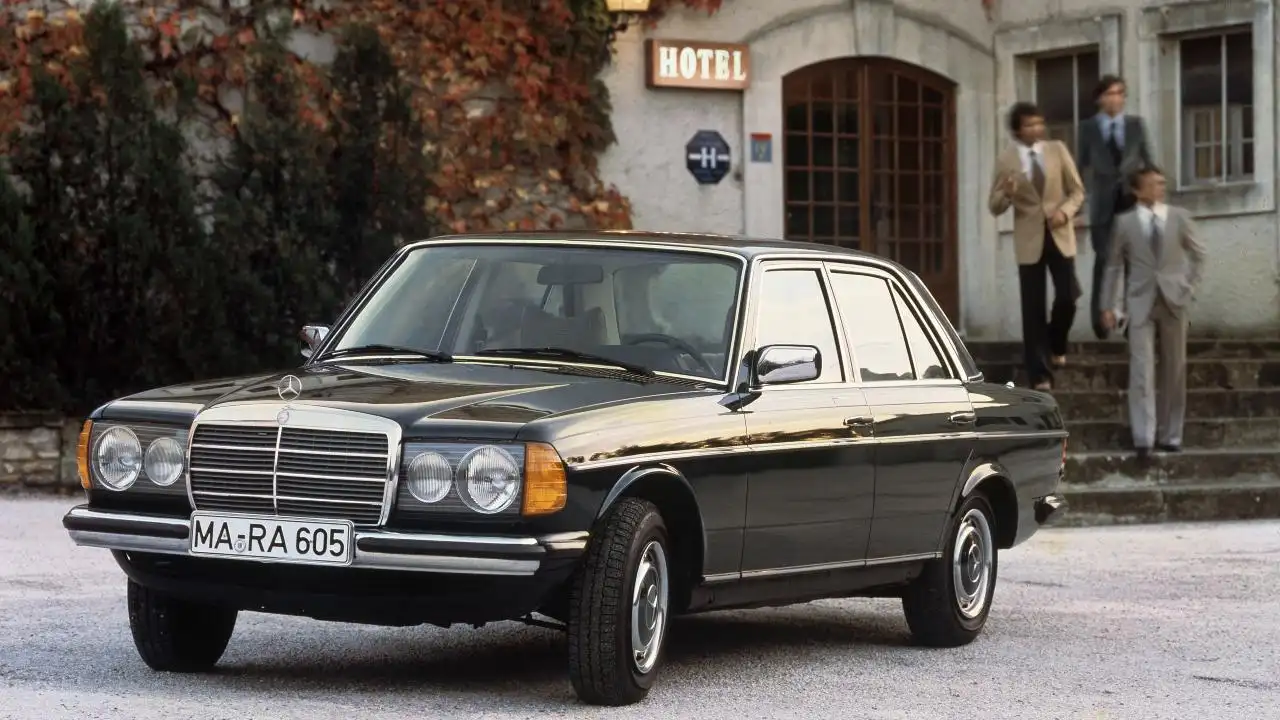
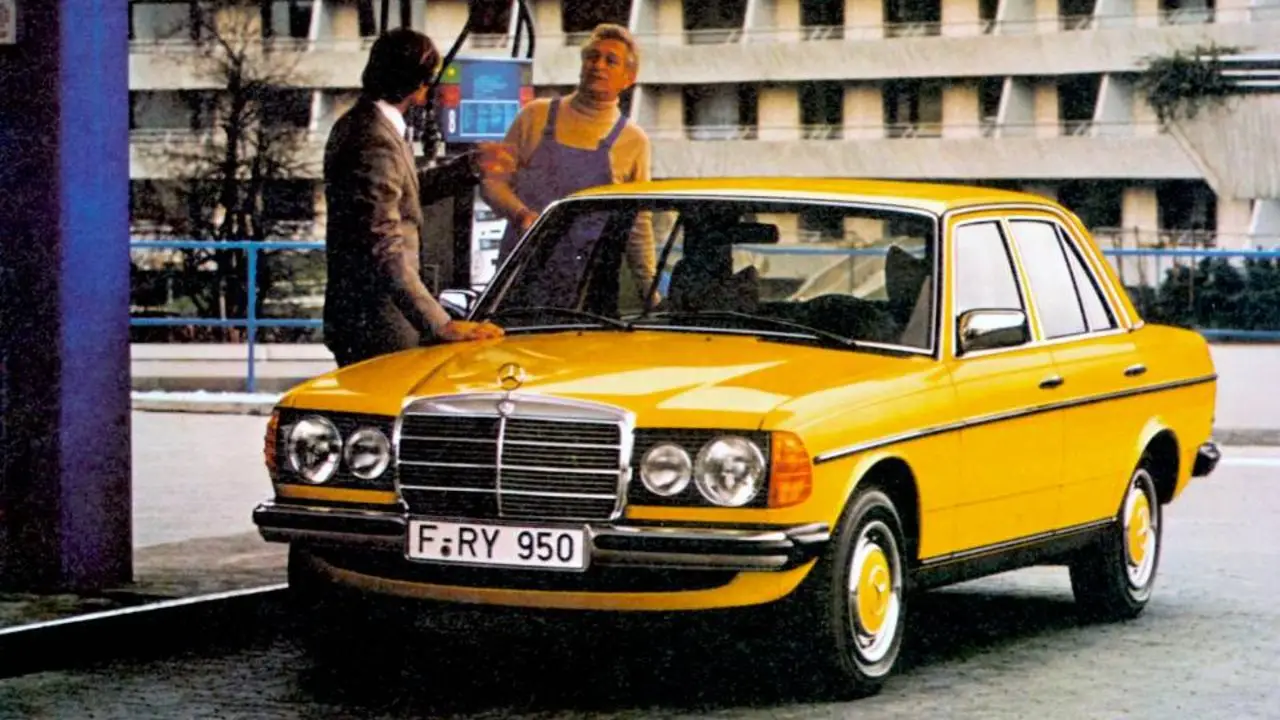
Reflecting the lines of the S-Class of that era – the W116 – Friedrich Geiger’s styling continues to work beautifully, with the quad headlamps and the ribbed tail-lamps together making it a design classic, across all the variants it came in. Driving the W123 around is a distinctly special experience, even more so than its successor, the hewn-from-granite W124. I recall the driving position being superbly comfortable.
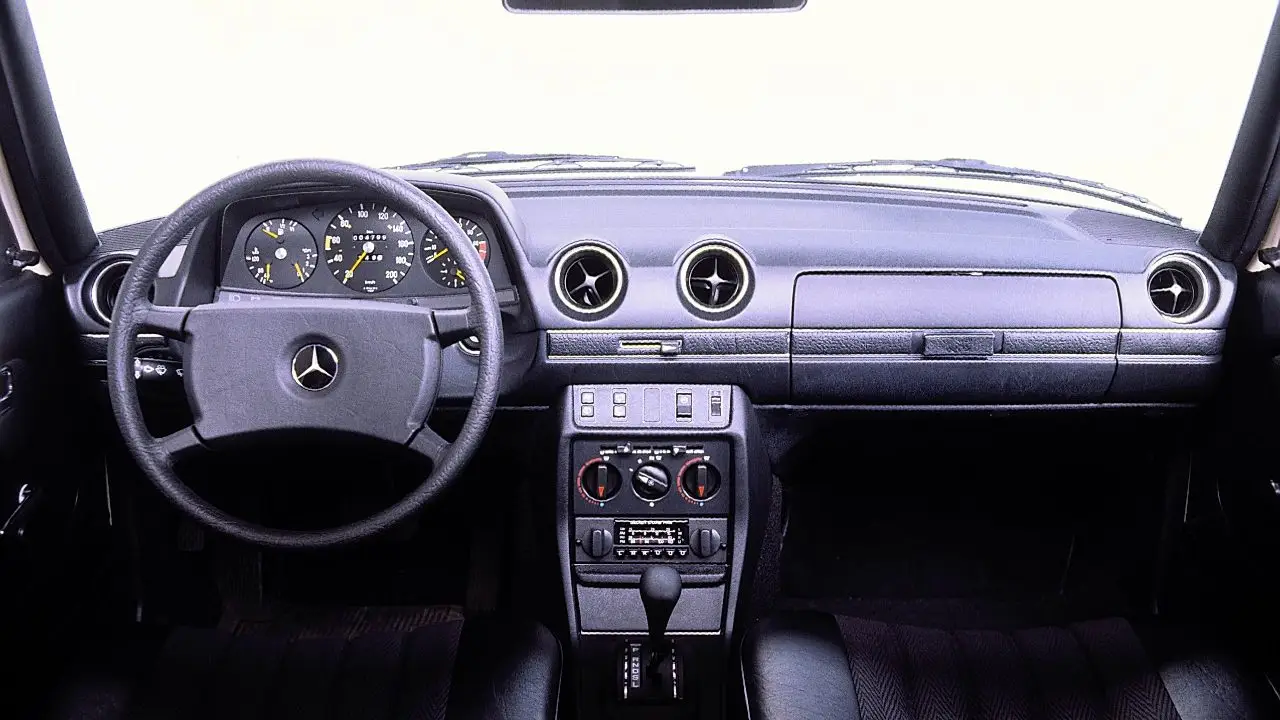
Sitting upright with excellent visibility, with all controls falling beautifully to hand, facing a large steering wheel and the three-pointed star leading you, you feel as though you could keep driving it for the next 50 years. I wonder what was written in the memo to the engineers? Did it specifically mention the words ‘solid’ and ‘indestructible’? Perhaps not, but it certainly mandated ease of maintenance and service, and an uncompromising focus on durability and quality.
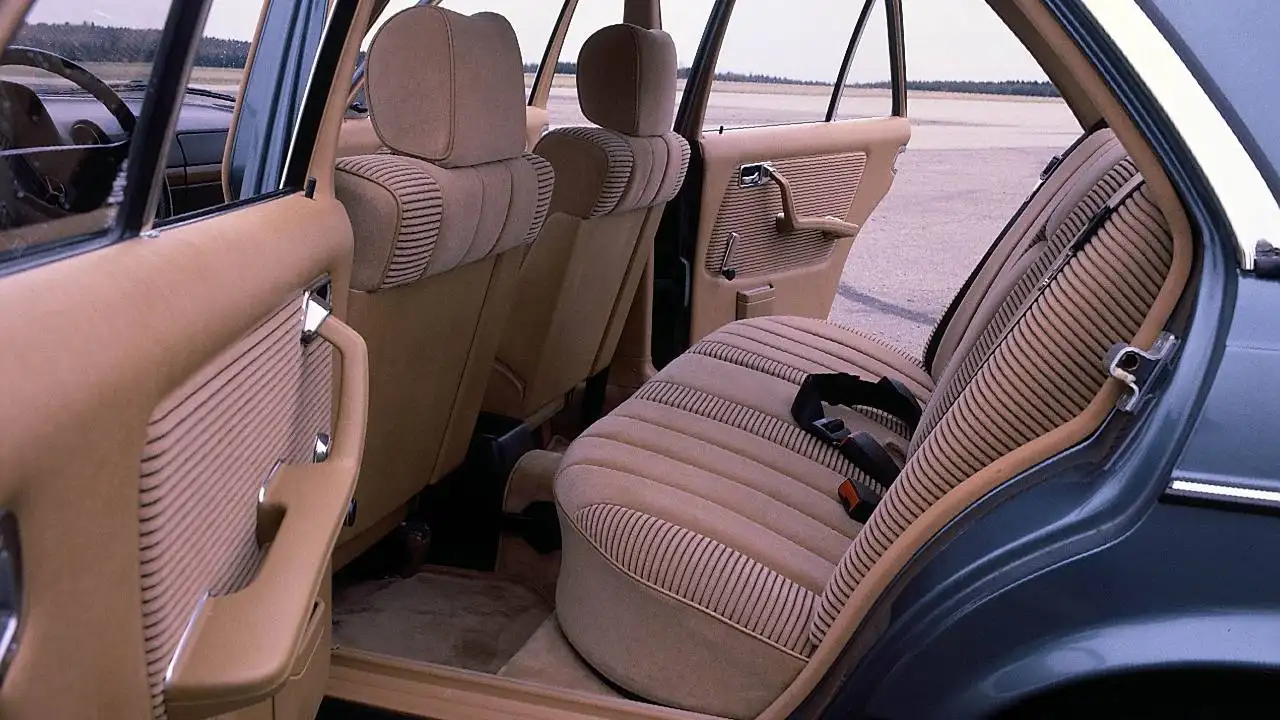
Although the E-Class nameplate was introduced in 1993, the W123 is widely regarded as its predecessor because it was an upper mid-range model. During its wildly successful run, the W123 came to define what the Mercedes-Benz brand stood for, a reputation that survives even today – high-quality German engineering, dignified styling, and never-say-die durability. This was one of the models that helped build the brand across its illustrious 140-year history, and I dare say it raised industry standards by several notches.
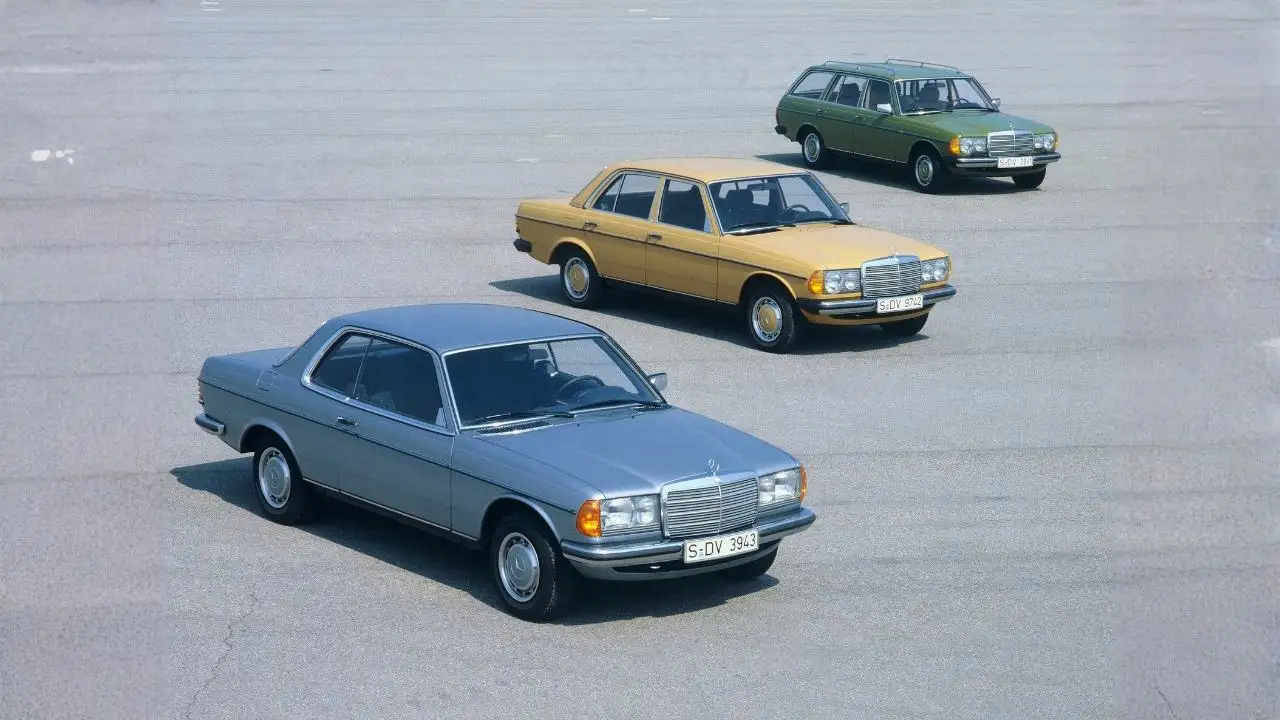
It came in a wide range of body styles, starting with the elegant Coupe (C123), which sat 40mm lower on a wheelbase shortened by 85mm. About 100,000 of these coupes were made. This was followed by the estate, the T Modell (S123, with ‘T’ standing for Tourismus und Transport), the first one made entirely in-house. Looking at American station wagons and the estates from Sweden, Daimler-Benz saw real potential for a W123-based estate, though it was a difficult decision to take given the estate’s utilitarian image and Mercedes-Benz’s luxury appeal. Time proved them right, as the T Modells were immensely successful, with nearly 200,000 units sold over eight years.
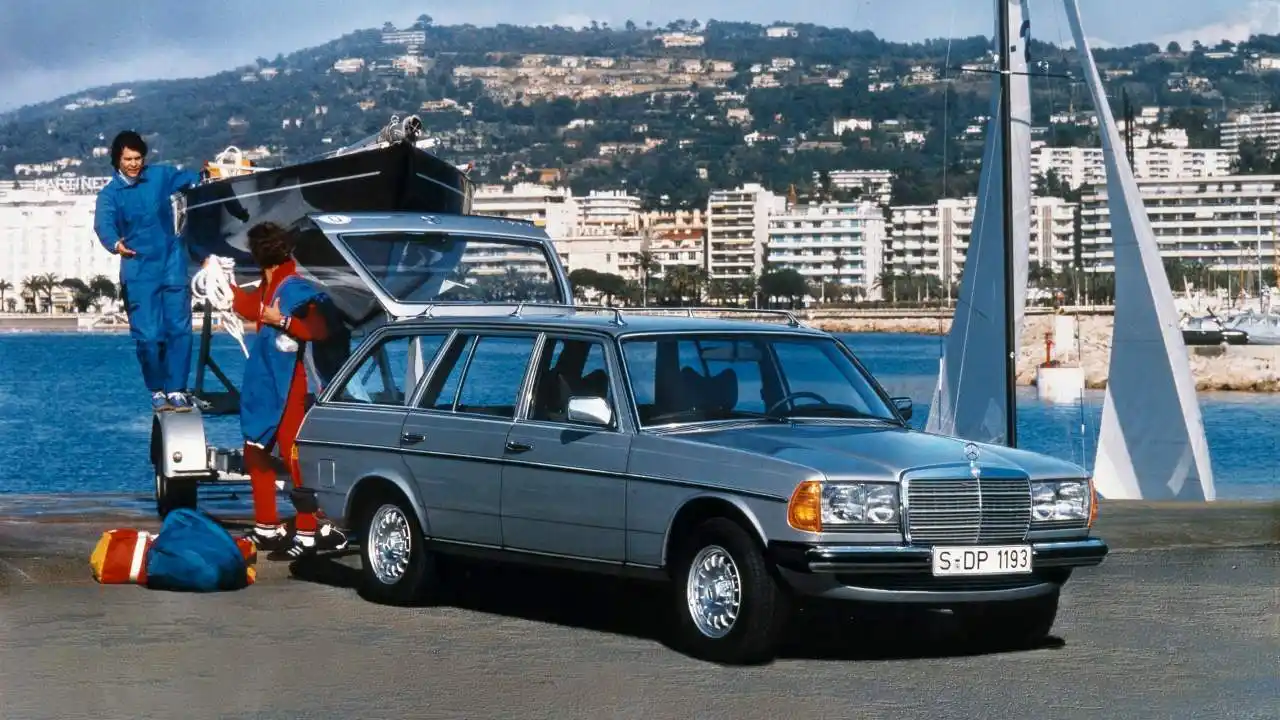
The estate had a self-levelling rear suspension, with an automatic hydropneumatic level-control system as standard, to accommodate extra rear weight and support caravan towing. This period also marked the popularity of diesel engines in Mercedes-Benz passenger cars, driven by the 1970s oil crisis, when diesel was cheap and unrestricted. The outcome of this was the legendary long-legged diesel cruisers from Mercedes-Benz, which are still renowned today.
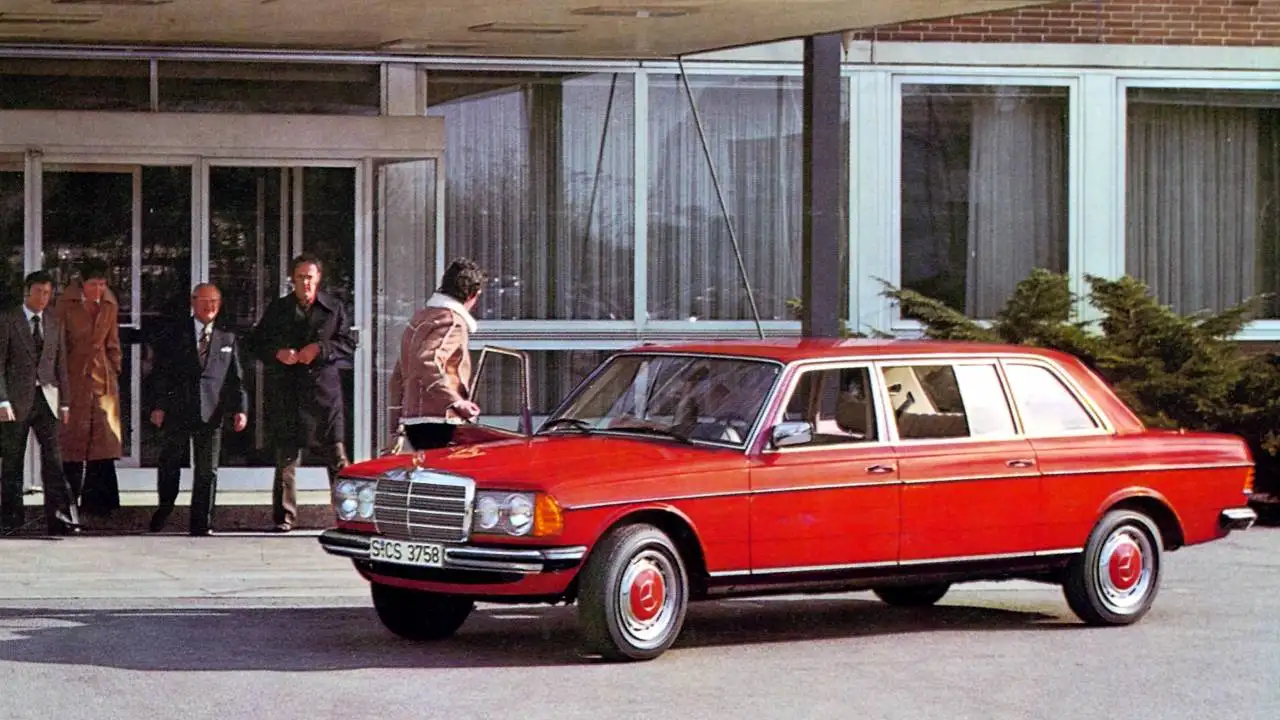
Back to the W123. It also came with a long-wheelbase version (called V123) that was 63 centimetres longer, allowing it to accommodate a third row of seats – popular in the hospitality, transport, and limousine businesses. And finally, there was the F123 series – partially-built chassis on which ambulances, hearses and special vehicles were built. Think about it: a luxury saloon versatile enough to be offered in all these forms, and the benchmark in each of these categories, even though the saloon body style accounted for 2.37 million of the 2.7 million W123s produced.
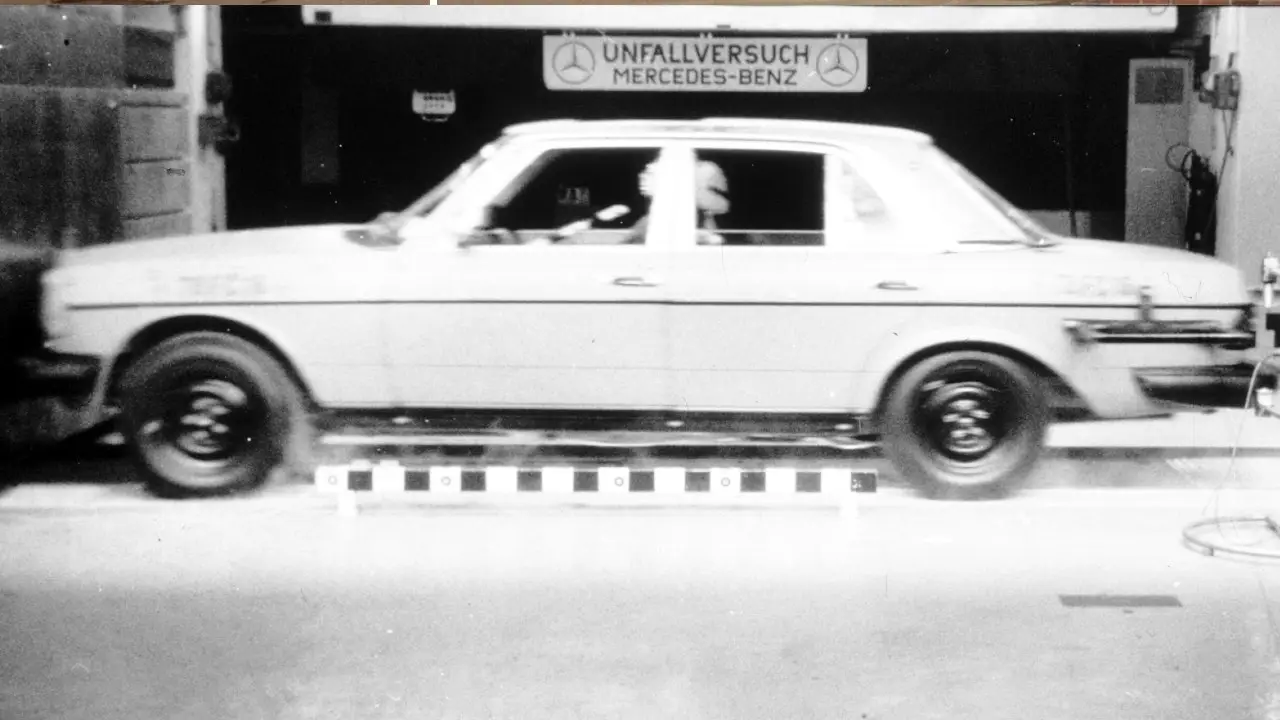
Mercedes-Benz also ensured that safety features filtered down from the S-Class and SL models above it. The passenger cell featured a reinforced roof frame, high-strength pillars and doors, while the front and rear had controlled deformability. An innovation was the steering column, designed to deflect away from drivers in an impact, rather than being thrust towards them. From 1980 onwards, the W123 received ABS, followed soon after by a driver-side airbag.
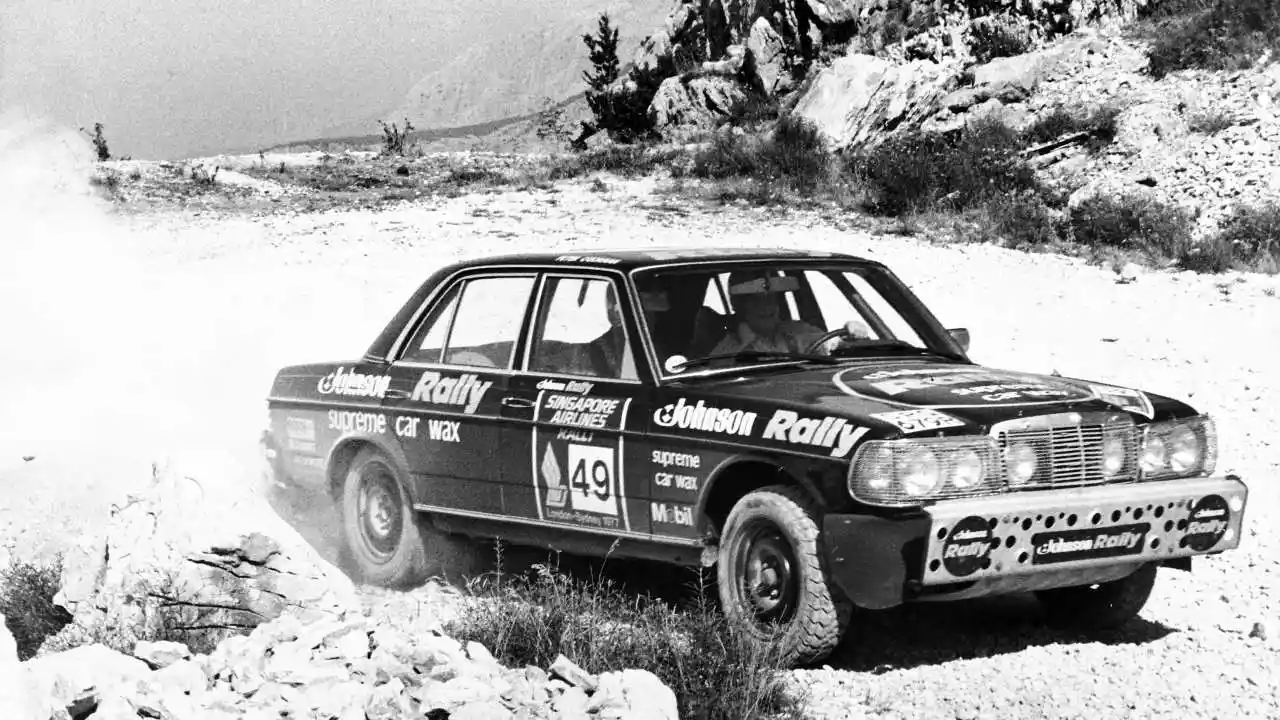
Even with a set of enthusiastically powered engines, the W123 was not meant for sporty driving. However, that did not stop Mercedes-Benz from subjecting it to one of the most gruelling endurance tests ever – the 1977 London–Sydney Rally. Covering over 28,200 kilometres across Europe, Asia (including up-and-down India) and Australia, two W123s finished first and second, with two more in the top ten. The cars were essentially stock, barring a few modifications; even power steering and air-conditioning were retained. If there was ever a true test of endurance, this was it. Oh, it also helped that Mercedes-Benz conducted a FULL recce beforehand. Take those cars out of the Stuttgart Museum, feed the 280E some dinosaur juice, and I am fairly certain it would be ready to do it all over again. Respect.
PS: Mercedes-Benz would repeat the magic with the W123’s successor, the great W124 – another smash hit, also with approximately 2.7 million units produced.