Secure your in-car safety measures
The AAUI President warns you to beware of loose objects in your car, as they can turn lethal in the event of a crash. Loose everyday items, thrown
By T.K. Malhotra


The AAUI President warns you to beware of loose objects in your car, as they can turn lethal in the event of a crash.
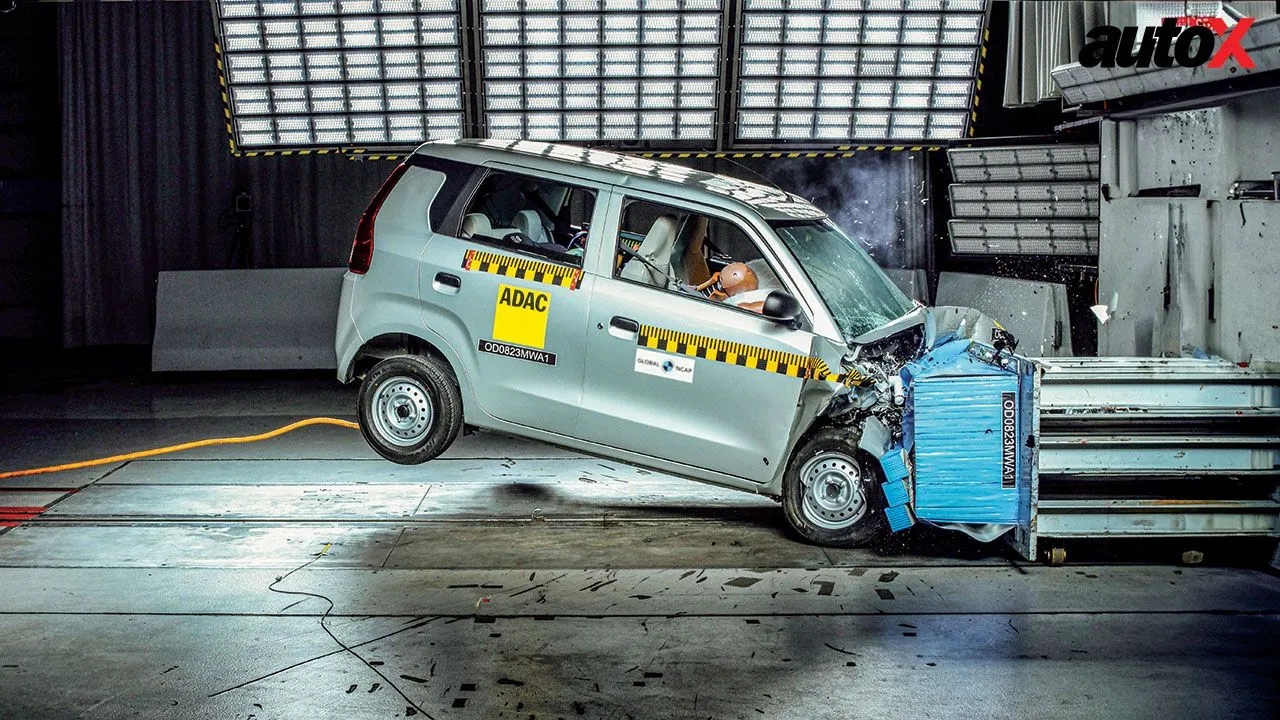
Loose everyday items, thrown around the cabin of your car, can be extremely lethal in the event of a crash – especially a high-speed crash when your vehicle comes to an abrupt halt from speeds exceeding 50km/h.
Strapping yourself firmly in your seat leaves you with a good chance of walking away from most crashes. But remember that your briefcase in the back seat will continue to travel at the speed the vehicle was going before it came crashing to a halt. This means that it could hit your head with a force equivalent to more than 40 kilos. And special care is needed with hatchbacks, as luggage left loose or not tightly secured can shoot forward like a deadly missile in the event of an accident. At 50km/h, even an umbrella weighing 50 grams can exert as much force as a hammer.
Of course, injuries can be avoided by properly strapping loose luggage down and keeping objects duly secured in a car. For your safe travel, the following measures are necessary:
- All objects, baggage and belongings should be placed in the boot of your car. Even small, light weight articles should not be placed in the passenger compartment as much as possible
- Luggage should be placed right behind the rear seats, so that the back of the rear seats can serve as a barrier to restrict luggage from moving forward in the event of a crash
- Always place the heaviest items at the bottom when keeping luggage in the boot
- Securing luggage and loose articles in a luggage net will enhance safety
- Always fasten the seatbelts in the rear, even if there are no passengers travelling in the rear seats
Many a time, I see women in the rear seat hanging their handbags from the headrest of the front seats. This is equally dangerous and can cause head injuries in the event of abrupt braking.
Additionally, what many of us don’t know is that a properly adjusted headrest and a correctly positioned seat can greatly reduce the effect of a rear impact – besides preventing whiplash injuries.
Whiplash is defined by experts as an “acceleration/deceleration mechanism of energy transfer to the neck,” which, even at speeds of just over 10km/h, can be potentially dangerous. Just imagine that you have to brake suddenly as someone pulls in front of you. The driver in the vehicle behind reacts a little too late and rear-ends you. In such a situation, your head is thrust violently backwards, and then forwards, before it returns to its pre-impact position. This can damage your neck muscles, as they aren’t able to absorb the impact.
Here are a few tips on how to correctly use the headrest and to avoid whiplash:
- Keep your back as straight as possible by adjusting the seat upright
- Ensure that the upper edge of the headrest is at the same height as the top of your head
- Keep as short a distance as possible between your head and the headrest.
The distance should not be more than 4 centimetres - Ensure that the car you own, or intend to buy, has headrests that are properly designed for sufficient protection. These should be adjustable, and they should remain fixed and firm once adjusted
- Check that the headrests of other passengers, both at the front and in the rear seats, are adjusted correctly.
T.K. Malhotra is the President of the Automobile Association of Upper India (AAUI).