Bajaj Chetak C25 First Ride Review: Easy Come, Easy Go
The new Bajaj Chetak C25 embraces a back-to-basics philosophy, but in today’s numbers-obsessed EV scooter market, has Bajaj made too many compromises?
By Aakash S Paul
Photography By Sunil Chauhan
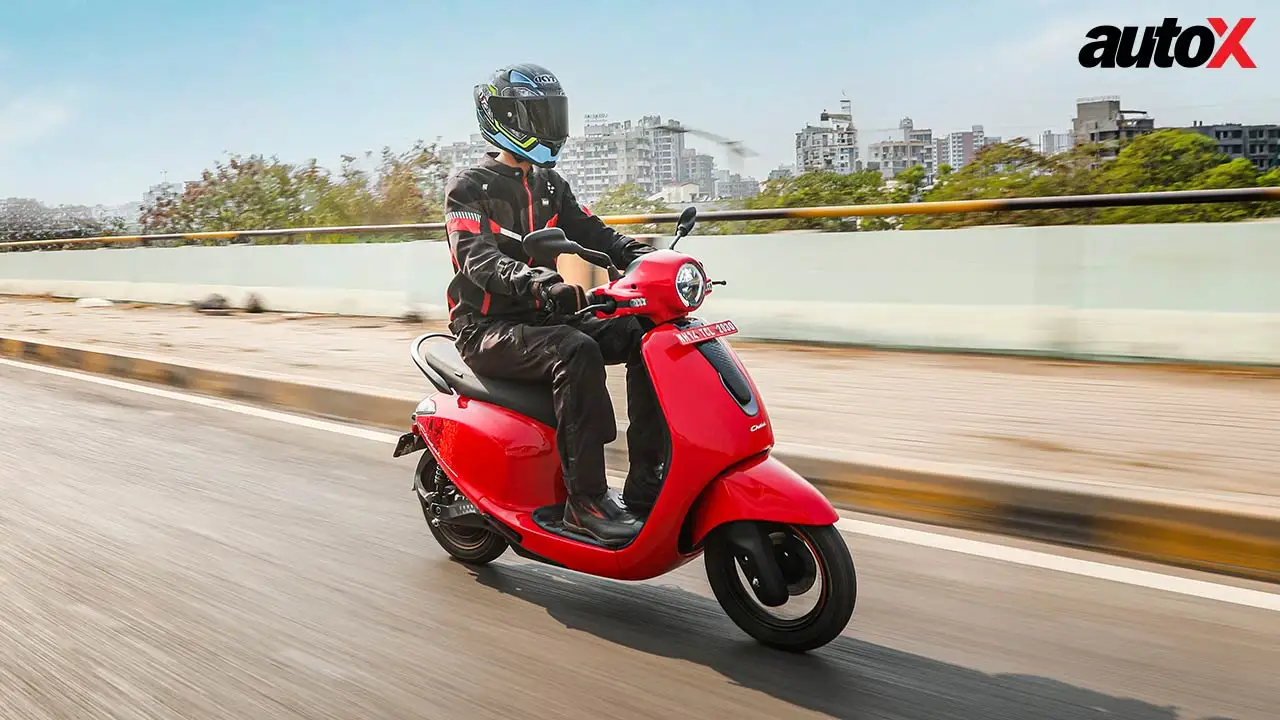
While the Chetak EV had a rocky start, it has gone from strength to strength over the past six years, helping propel Bajaj to second place in India’s electric two-wheeler market. The Chetak models have always prioritised a no-nonsense approach, deliberately steering clear of spec-sheet one-upmanship.
Now, there is a new model in town: the Chetak C2501, or the C25. It takes the same approach but with a more accessible price tag. This time, however, Bajaj may have taken the idea of choosing restraint over spec-sheet numbers a step too far.
Bajaj Chetak C25 Design: Familiar Styling with Subtle Changes
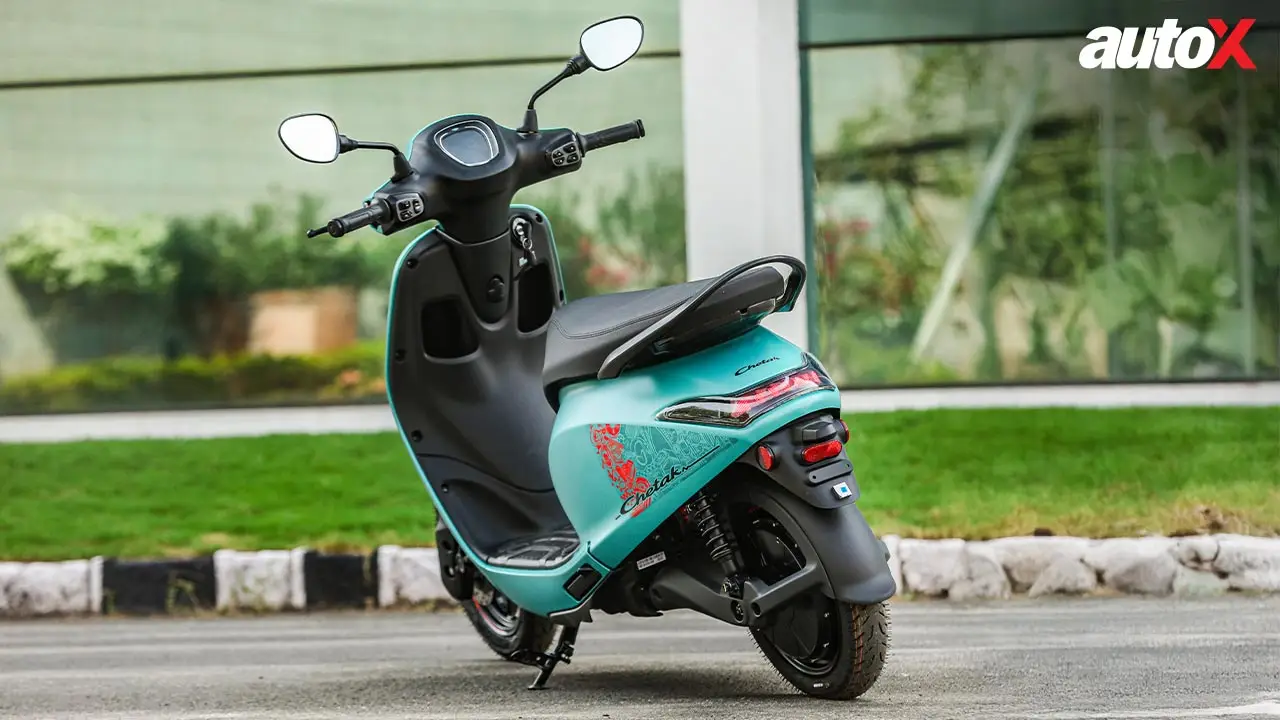
First and foremost, what I like most about the C25 is its design. Bajaj has made only minimal changes to the overall styling, but the more compact footprint and subtly revised contours work in the scooter’s favour.
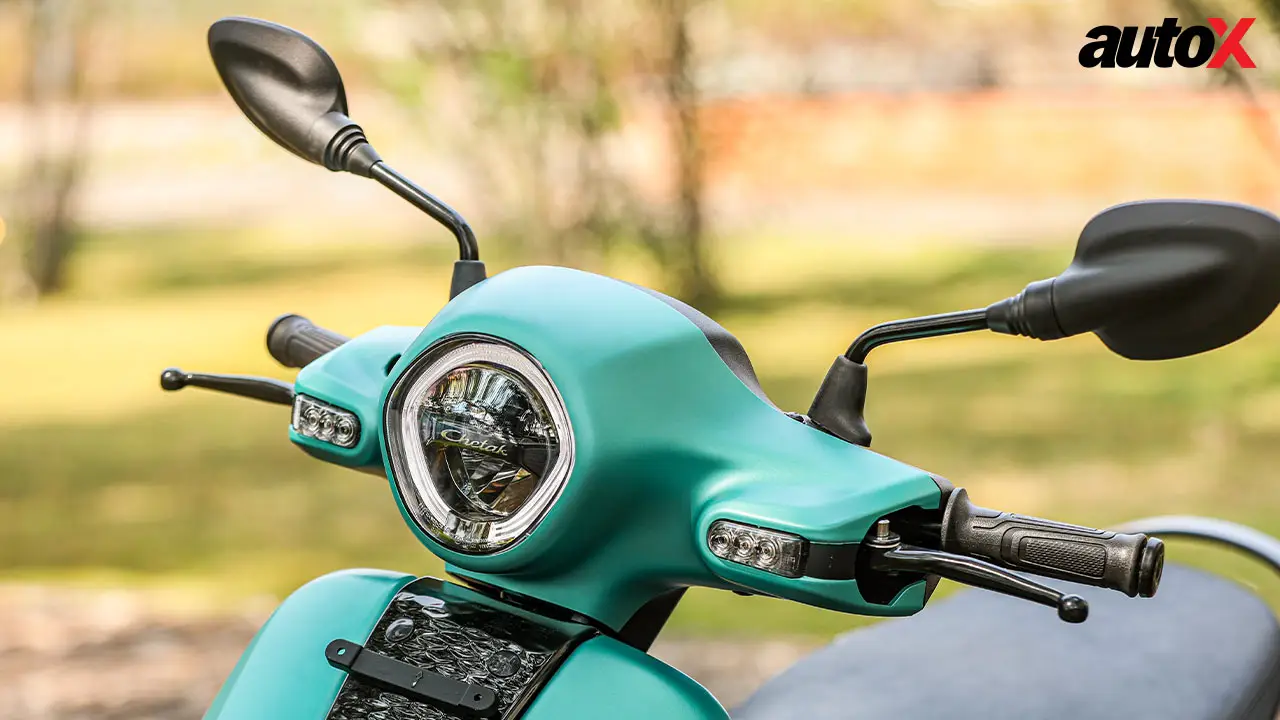
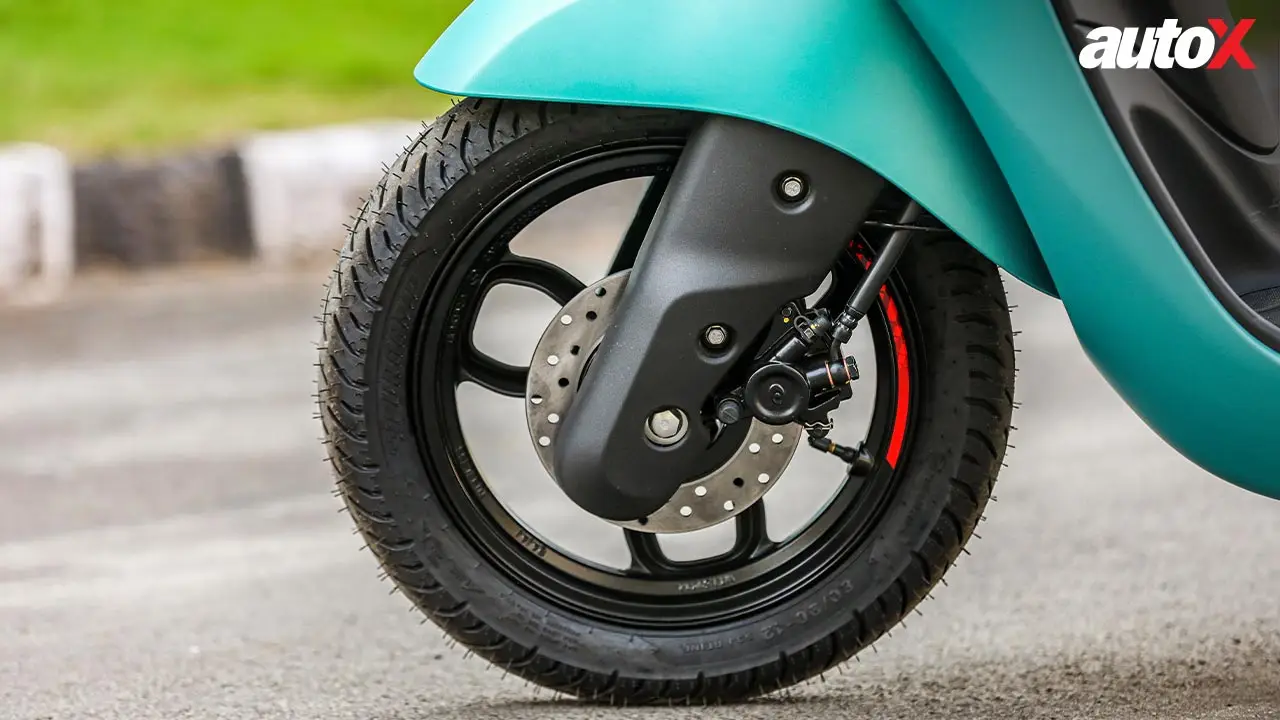
Unlike the existing models, the C25 features LED turn indicators integrated into the headlamp housing rather than mounted on the front apron. This is a notable change, although not one I am particularly fond of. The scooter features 12-inch wheels at both ends, and the revised alloy-wheel design looks good. The side panel incorporates a graphic element near the section, but it appears somewhat tacked on. Had the graphics extended further along the side panel, the design might have felt more cohesive.
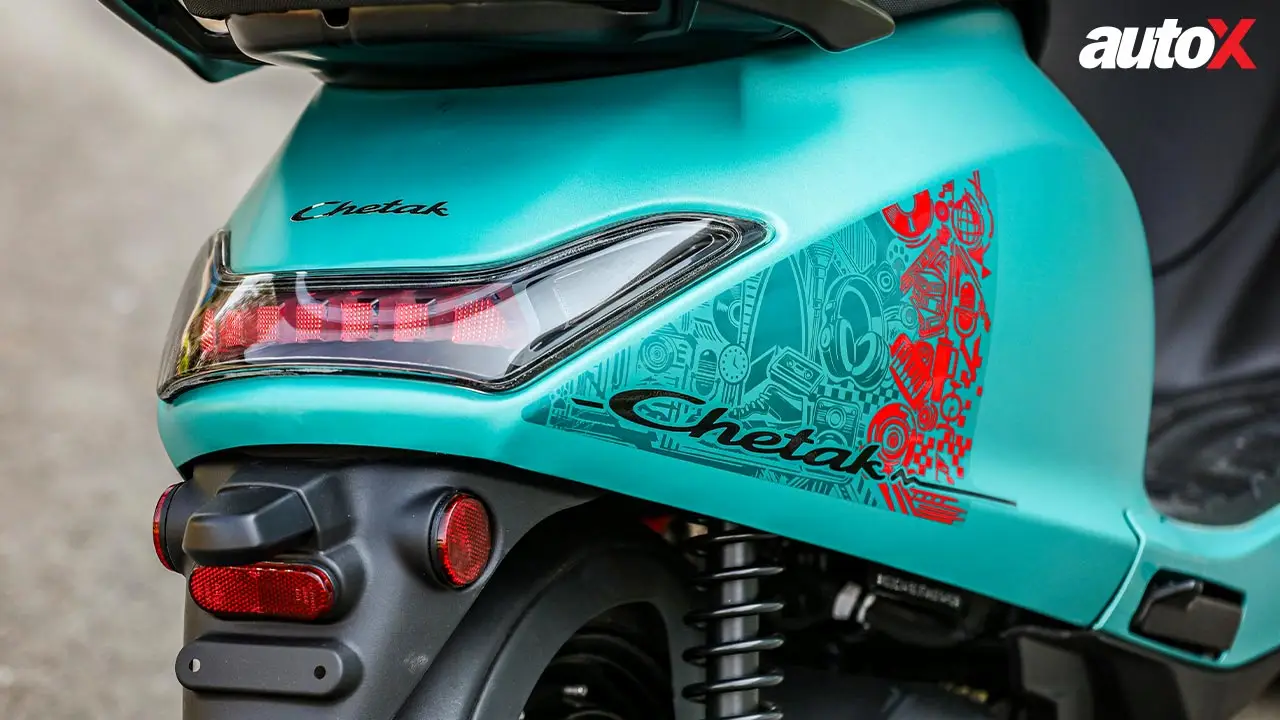
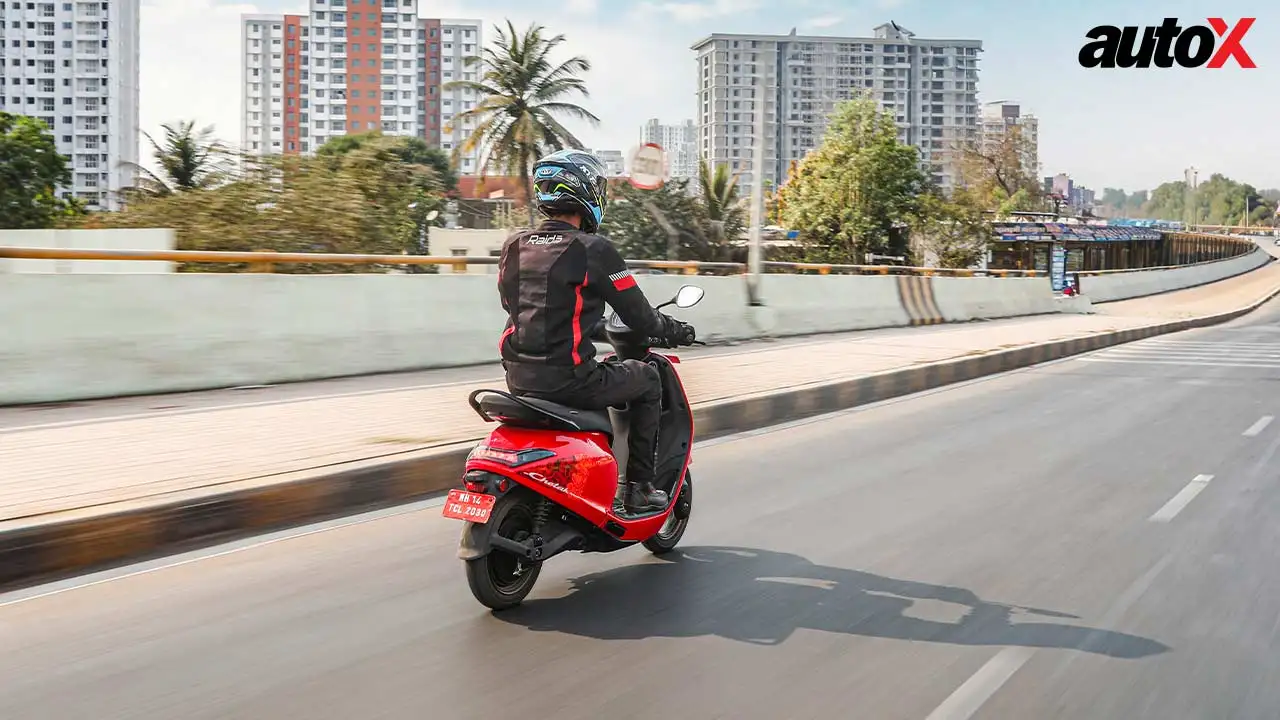
At the rear, the C25 receives a new tail-lamp unit with integrated turn indicators, and here the design works well. Bajaj has also retained the all-metal bodywork, with no visible screws – a detail that continues to lend the Chetak a sense of solidity and premium finish.
The instrument cluster is a colour display, though it stops short of being a full-fledged TFT like those found on some rival scooters. It is functional, but I did find certain information difficult to read under direct sunlight.
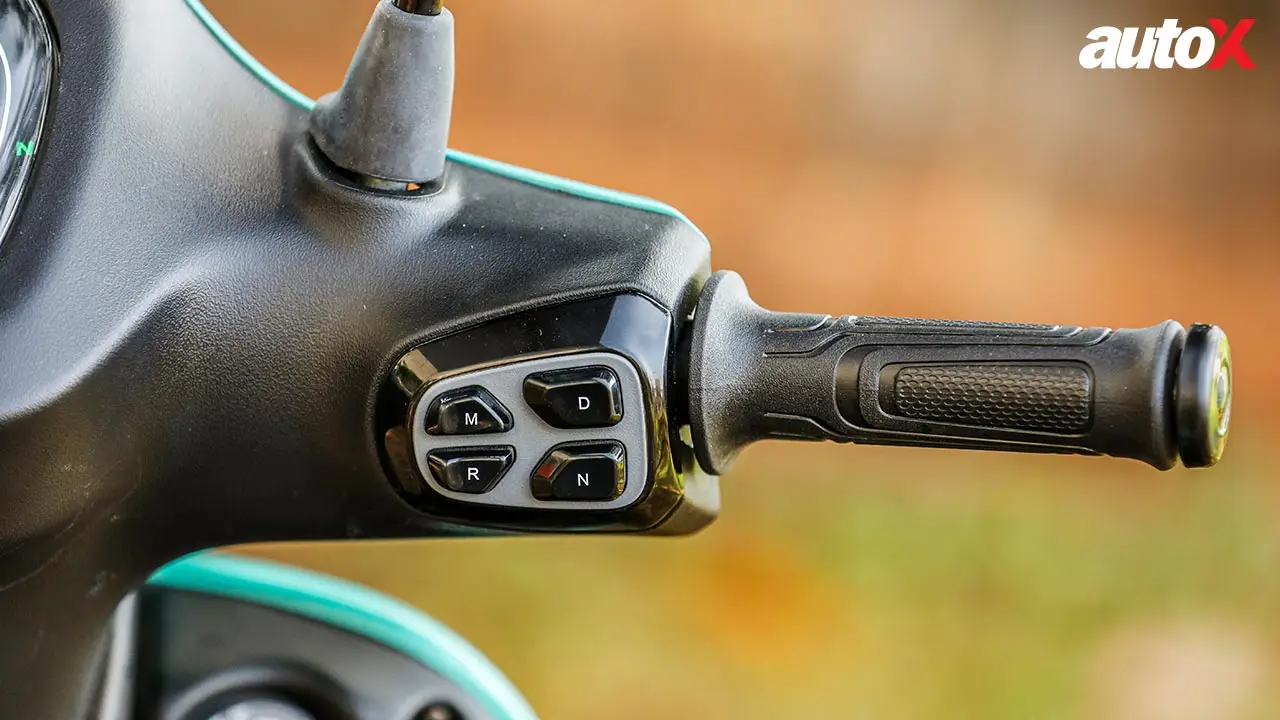
On a more positive note, the handlebar switchgear has seen a clear improvement. The switches are thoughtfully designed, fall easily to hand, and offer a reassuring tactile feel.
Bajaj Chetak C25 Space, Comfort and Everyday Usability
The C25 has a shorter wheelbase than the existing models – 1,225mm, to be precise – and this has resulted in a noticeable reduction in underseat storage. You get 25 litres of space, which is just about enough to accommodate certain full-facehelmets.
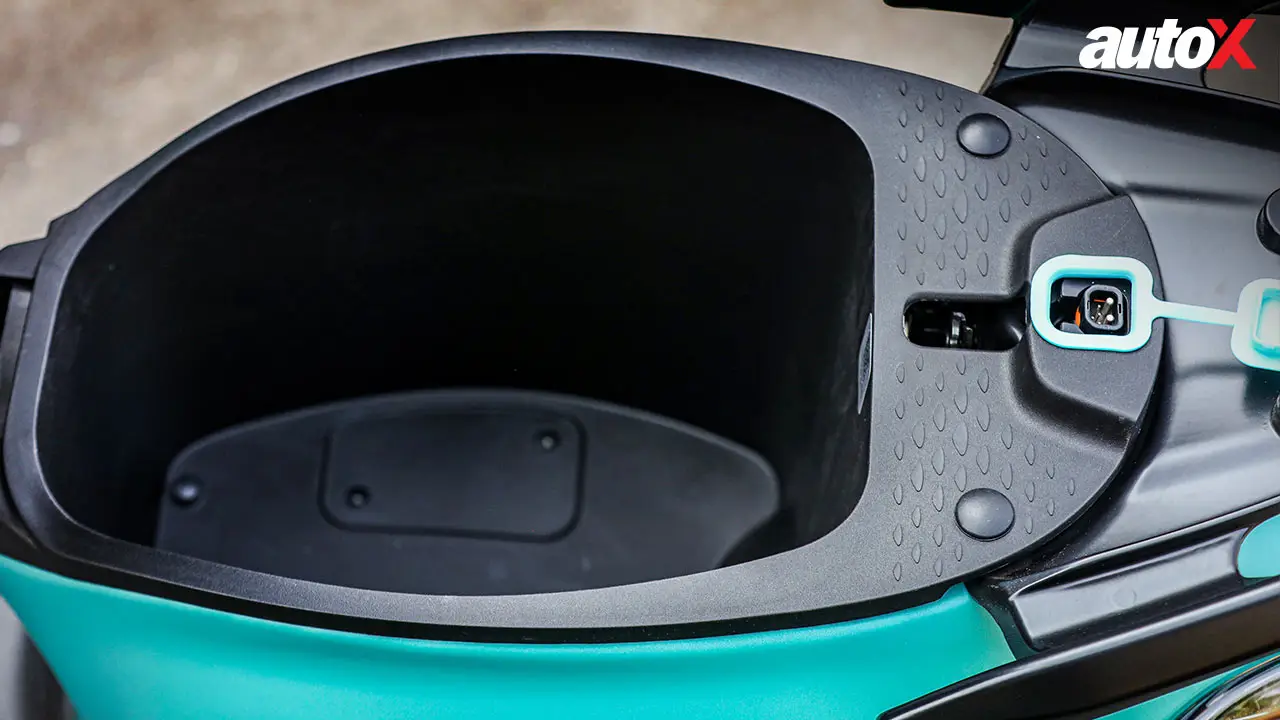
Because the cavity is fairly deep, you can also stash a small bag here. Additionally, there are two pockets in the front apron for smaller items, along with a baggage hook. There is no USB charger, which, I think, is a significant omission.
The seat is long enough to accommodate two average-built adults, but the cushioning is on the softer side. As a result, longer stints on the saddle are unlikely to be particularly comfortable.
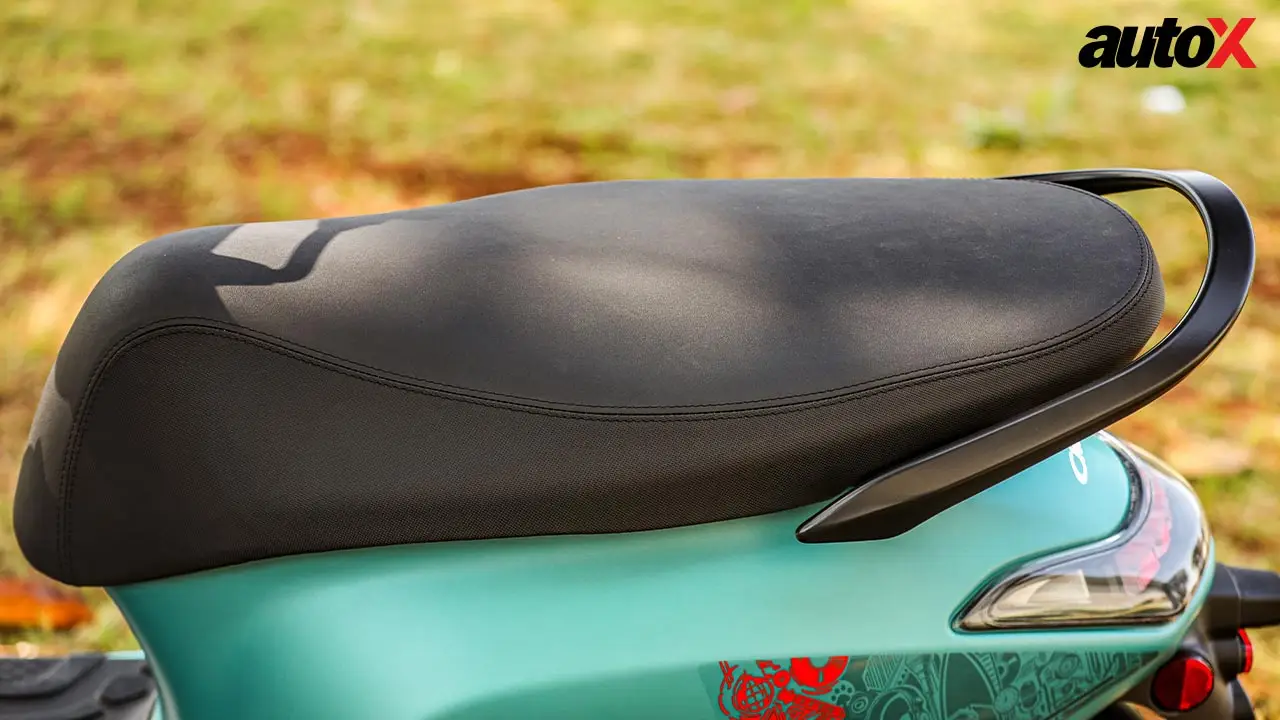
The seat height is a very accessible 763mm, while the 170mm ground clearance is adequate for everyday use. Surprisingly, despite its compact proportions, there is ample floorboard space to keep your feet in a neutral, comfortable position.
Bajaj Chetak C25 Battery Range, Motor Output and Ride Modes
Bajaj has equipped the C25 with a 3bhp hub-mounted motor, which produces a peak torque of 114Nm at the wheel.
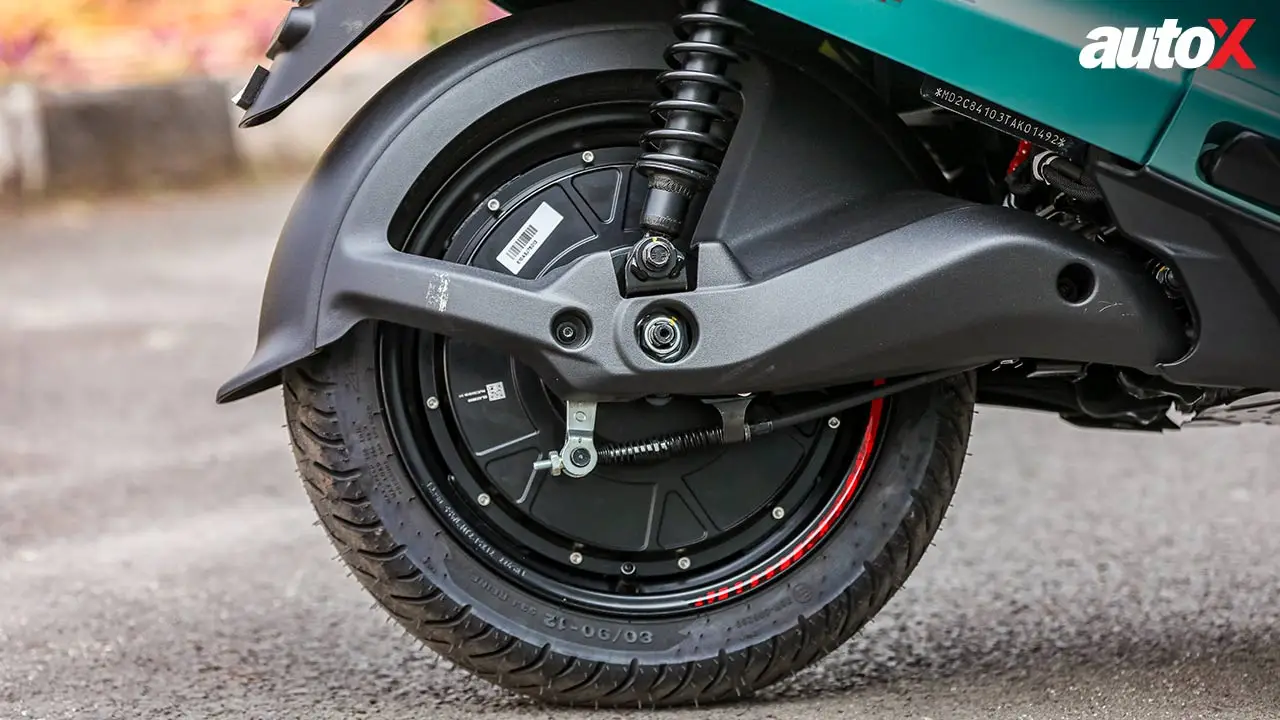
Top speed is limited to 55km/h, which is underwhelming. Once again, we have a Chetak with a lower top speed than most of its rivals. Even if you look past that figure, the scooter’s acceleration is also nothing to write home about.
Opt for the Tech Pack, and you get two ride modes – Eco and Sport. Acceleration in the Eco mode feels far too mild for real-world road use, but Sport mode does inject a bit more life into the scooter, relatively speaking.
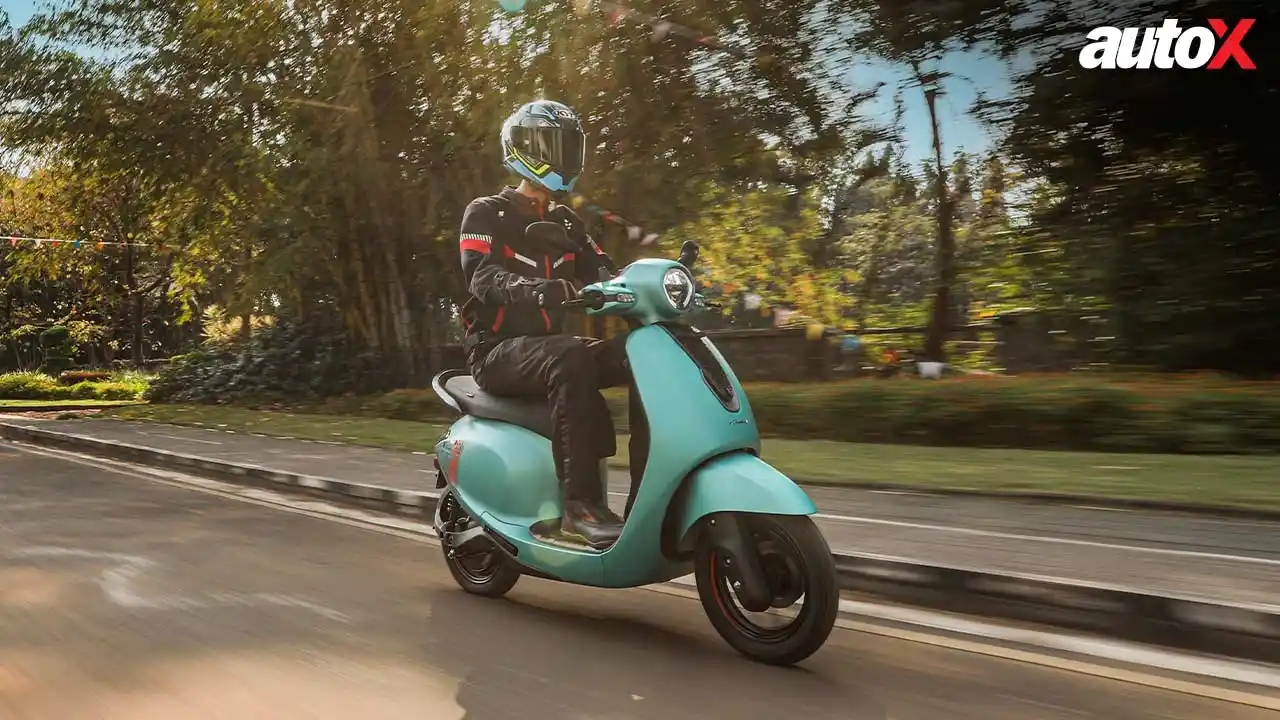
Overall, the C25 moves with very little urgency and is clearly tuned for relaxed, unhurried commuting. That said, it had no trouble tackling the inclines I encountered during my ride in Pune, whether in the Eco or Sport mode.
Powering the scooter is a 2.5kWh battery, which Bajaj claims delivers a range of 113km (IDC). According to the company, the real-world range should be closer to 95km. While I did not have sufficient time to verify that claim, the range still does not feel particularly impressive, especially considering the modest top speed and the reasonably sized battery pack.
Bajaj Chetak C25 Suspension, Comfort and Braking
The C25’s overall ride quality is rather poor. This is largely down to the new suspension setup, which comprises conventional telescopic forks at the front and twin springs at the rear.
While the scooter rides reasonably well on smooth tarmac and can absorb minor imperfections, it becomes unforgiving on rougher city roads. A short 30-minute ride through Pune was enough to leave me feeling like my insides had been rearranged. The front forks bottom out over most bumps, with very little absorption to speak of. This is particularly surprising given that existing Chetak scooters are known for their cushioned and compliant ride quality.
The braking setup consists of a disc brake at the front and a drum brake at the rear. Braking is fairly progressive and offers good bite when you use the full travel of the levers. However, braking performance feels inconsistent across different units. Having ridden multiple units of the scooter, I experienced noticeable variations in braking feel. When the calibration is right, the scooter stops confidently; when it isn’t, the braking can feel underwhelming and vague.
Bajaj Chetak C25 Price and Review Verdict
The C25 is the most affordable Chetak scooter, and it achieves that position by making substantial compromises in the ride experience. Yes, it has a certain visual appeal and commendable build quality. However, when you consider the specifications offered by competing products at similar price points, it is hard to escape the conclusion that Bajaj has missed the mark with this one.
Had it been priced ₹10,000 – 15,000 lower, these compromises would have been far easier to justify. Perhaps Bajaj realised this as well and has consequently offered the first 10,000 customers a discount of ₹4,299, bringing the ex-showroom price down to ₹87,100. While this is still higher than it ought to be, it does represent a move in the right direction.
Battery: 2.5kWh
Power: 3bhp
Torque: 114Nm
Range: 113km IDC range
Fuel: Electric
Price: Rs 87,100 ex-showroom
X-Factor: An affordable metal-bodied electric scooter.
|
Pros |
Cons |
-1768978468148.webp "2026 Bajaj Pulsar 125 Launched at Rs 89,910; Gets New LED Head Lamps and More")

-1768393796514.webp "New Bajaj Chetak C25 Launched at Rs 91,399; Claims 113 Km Range")