RE Flying Flea C6 First Ride Review: Flea-Tal Attraction
Royal Enfield’s first modern electric motorcycle brings big promises and bold ideas, but does the Flying Flea C6 deliver where it matters?
By Kingshuk Dutta
Photography By Sunil Chauhan
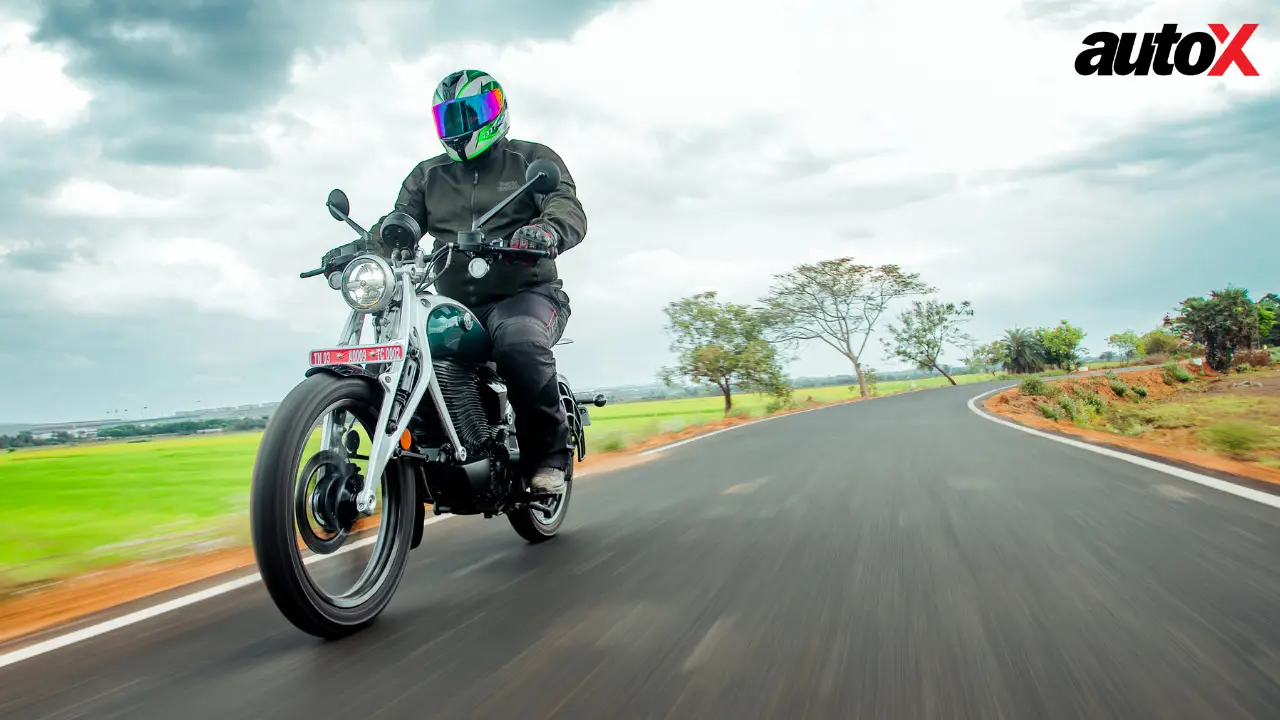
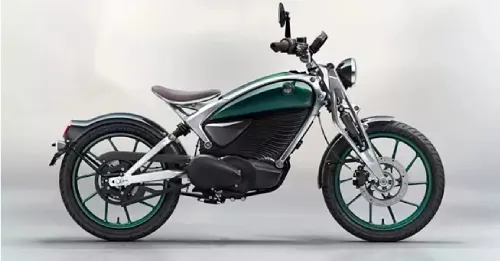
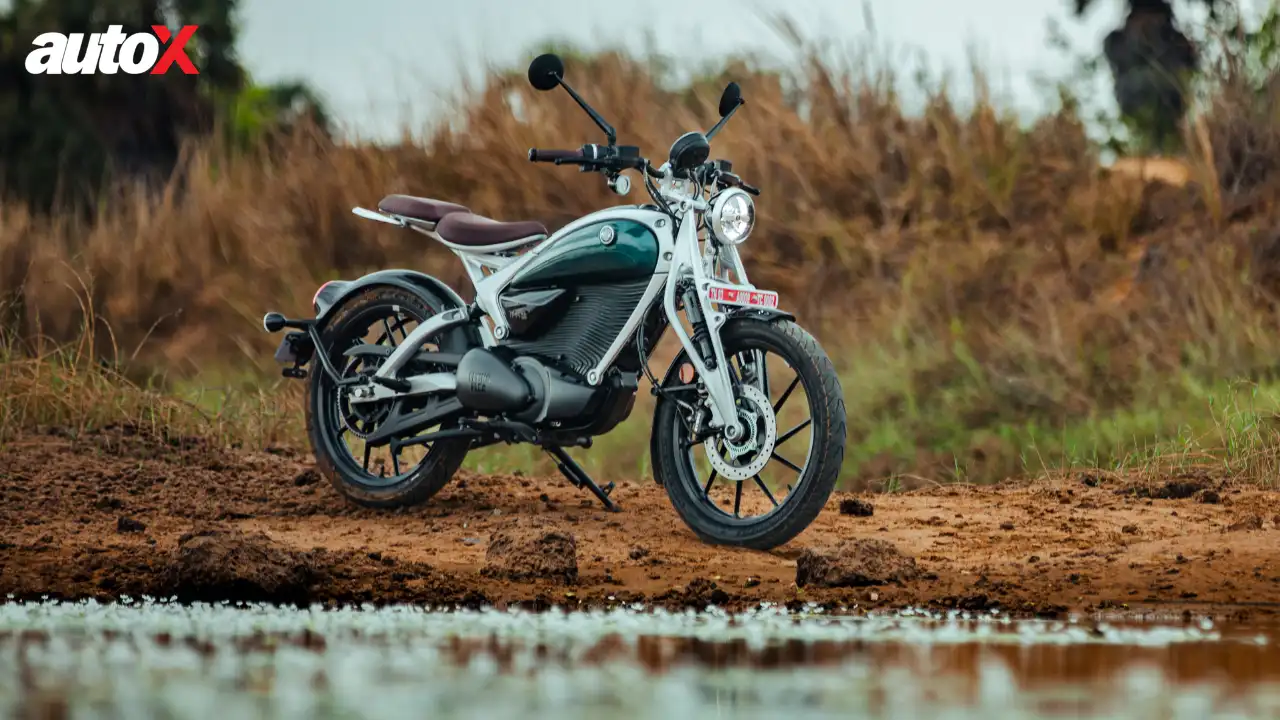
The first time we laid eyes on the Royal Enfield Flying Flea C6, our excitement took an unexpected dip. As the brand’s first modern electric motorcycle, we expected it to be visually striking. Instead, what stood before us was a rather diminutive, understated machine – one that didn’t quite align with Royal Enfield’s reputation for building muscular, retro-styled motorcycles.
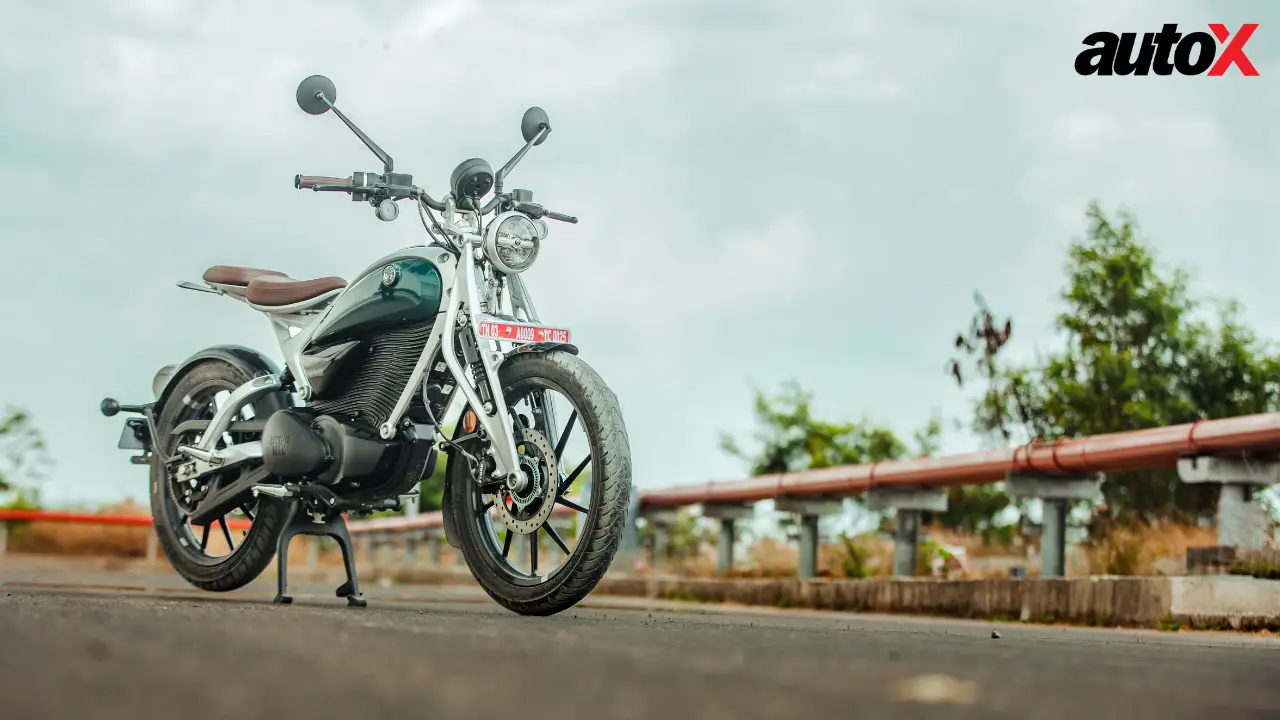
That said, motorcycles are not meant to be judged in still frames alone. With that in mind, we set aside our reservations and travelled to Chennai to witness the making of the FF.C6 and ride it briefly, hoping it would reveal a more compelling character on the move.
RE Flying Flea C6 Review: Design & Ergonomics
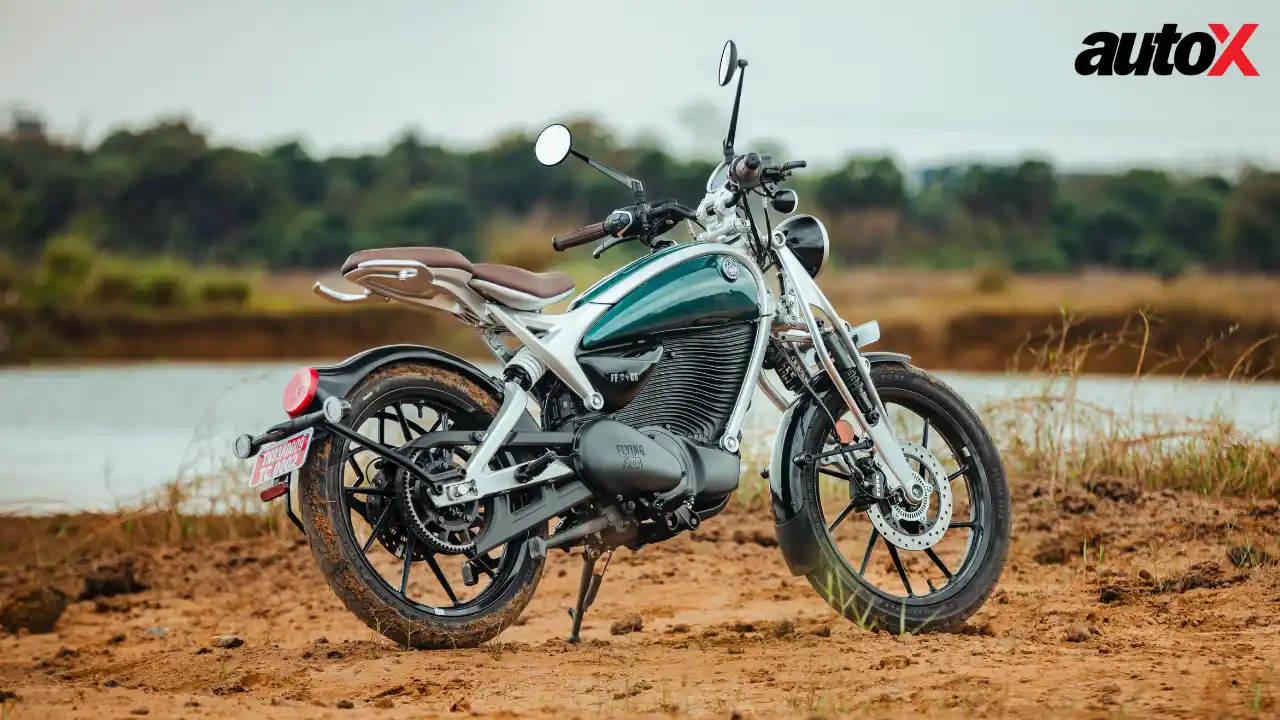
Our biggest contention with the FF.C6 lies in its design. While Royal Enfield has drawn inspiration from the original Flying Flea – a legendary lightweight motorcycle used during World War II – the modern interpretation feels visually underwhelming. The historic model’s charm came from its purpose-driven minimalism; here, that same ethos translates into a form that feels perhaps a little too slight for contemporary expectations.
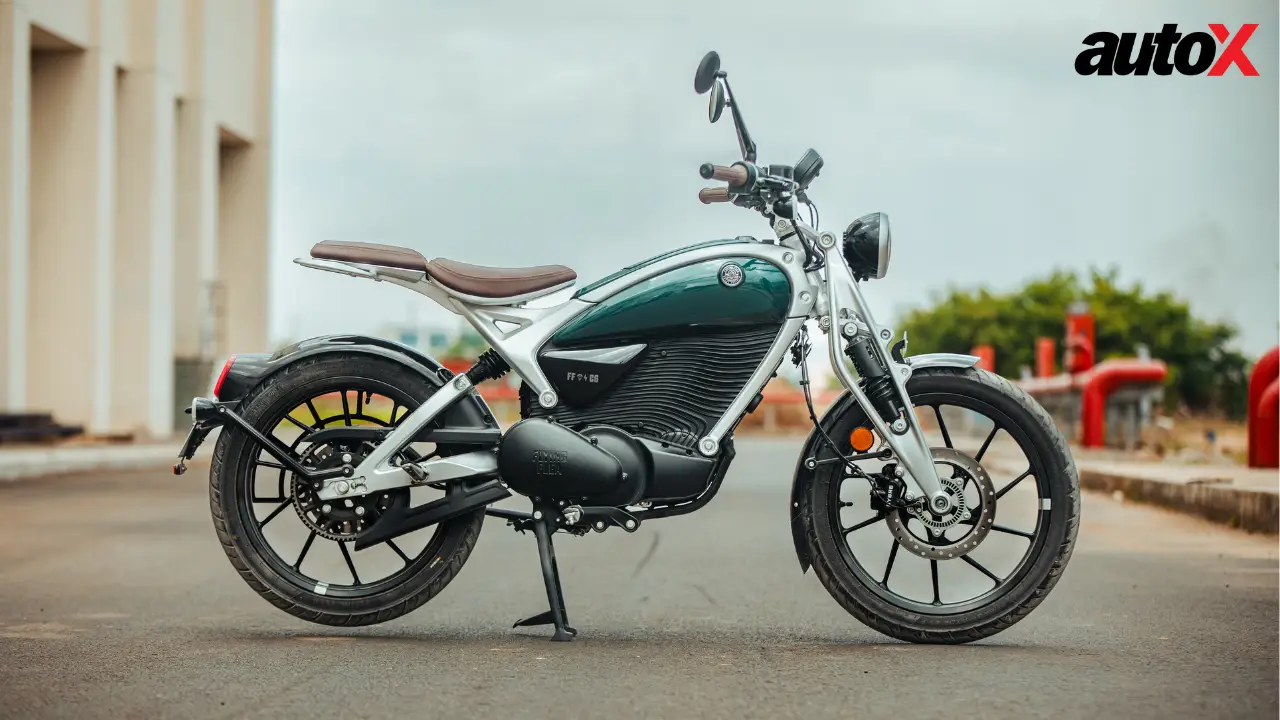
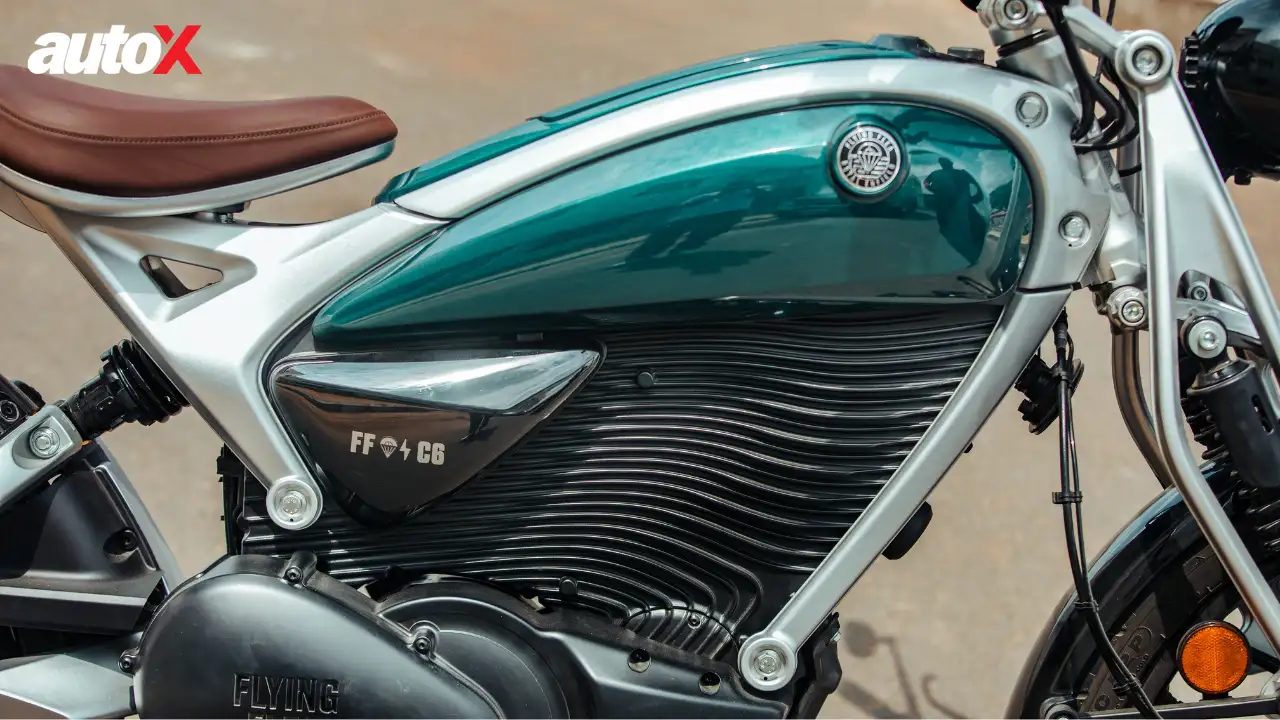
The motorcycle is lean and compact, with a small seat that accommodates both rider and pillion rather sparingly. That said, there are notable highlights. The girder forks lend it a distinctive old-school appeal, while the Aluminium exoskeleton and two-piece swingarm showcase impressive engineering. The finned Magnesium battery case not only adds visual intrigue but also functions as a structural component of the chassis.
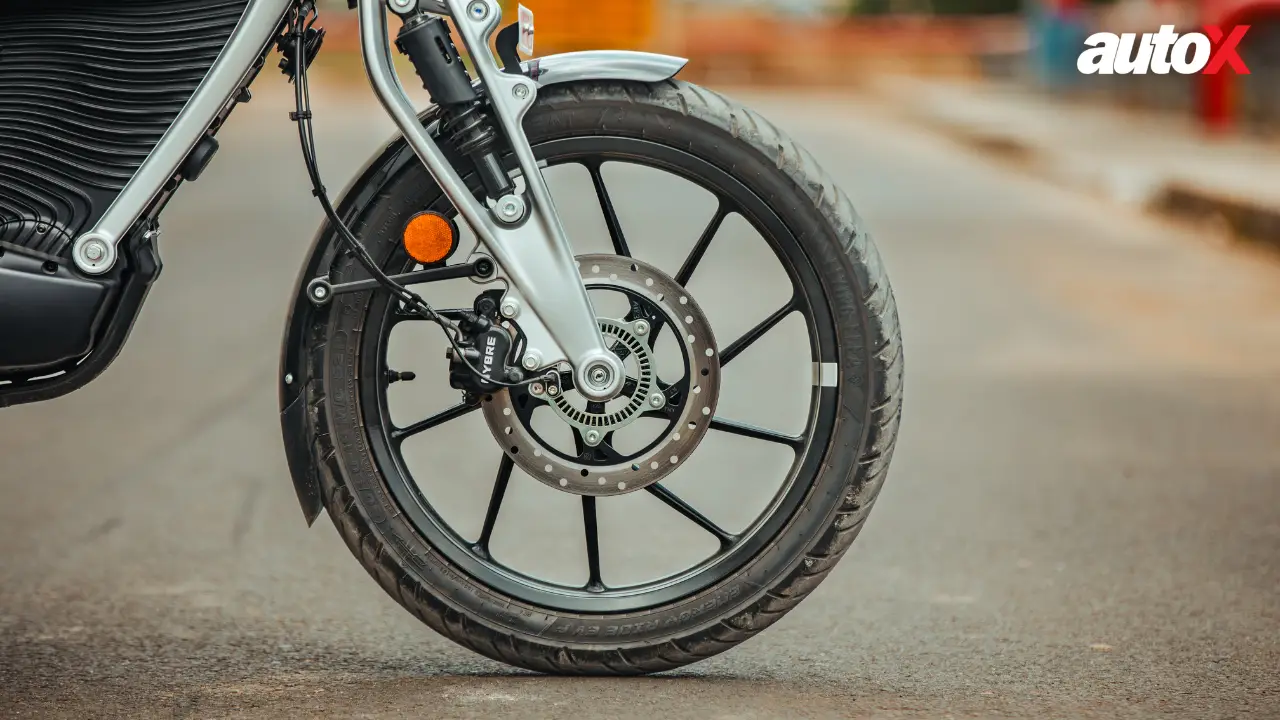
Cycle parts include skinny 19-inch tyres at both ends, reinforcing its lightweight intent. At 124kg, this is likely the lightest modern Royal Enfield. The seat height of 823mm is manageable, and the generous 207mm ground clearance is well-suited to Indian conditions.
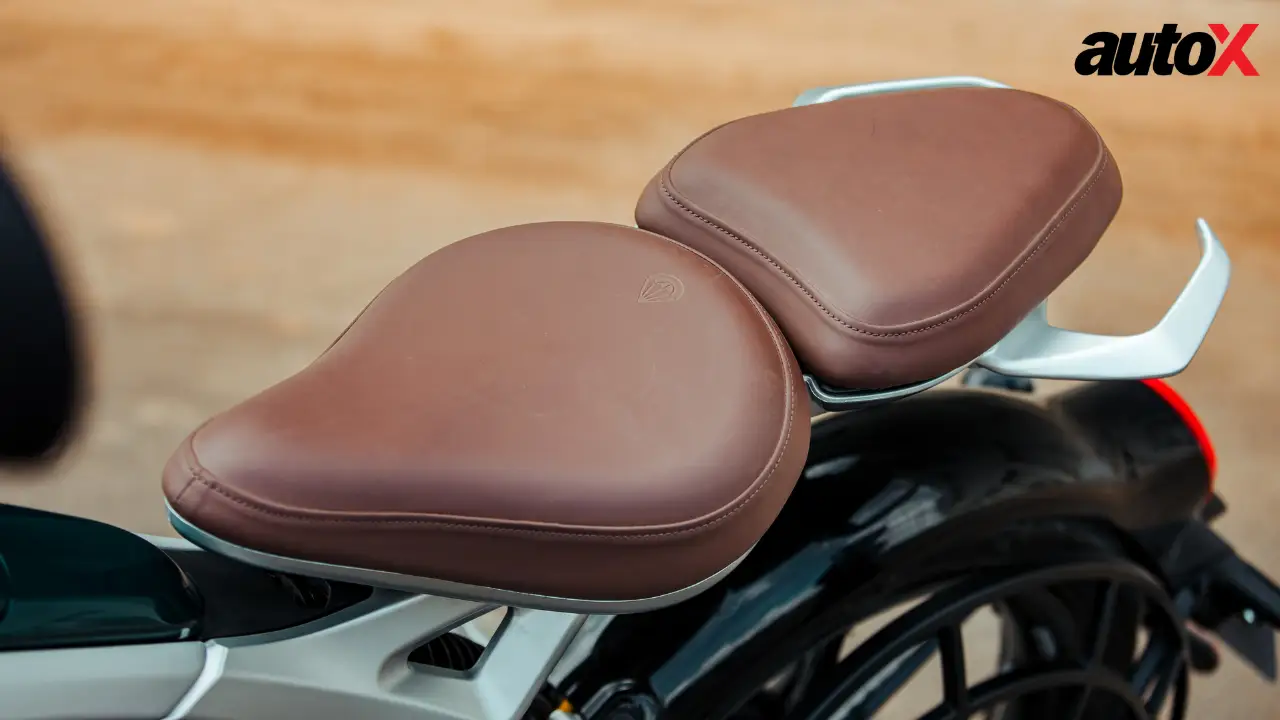
Ergonomically, the rider triangle is comfortable, but the seats themselves leave room for improvement. The rider’s seat feels small and may not be ideal for longer journeys, especially for heavier riders.
RE Flying Flea C6 Review: Tech & Features
This is where the Flying Flea C6 truly flexes its muscles. Built around a ‘City+’ philosophy, the motorcycle aims to offer accessible urban mobility with an added layer of sophistication.
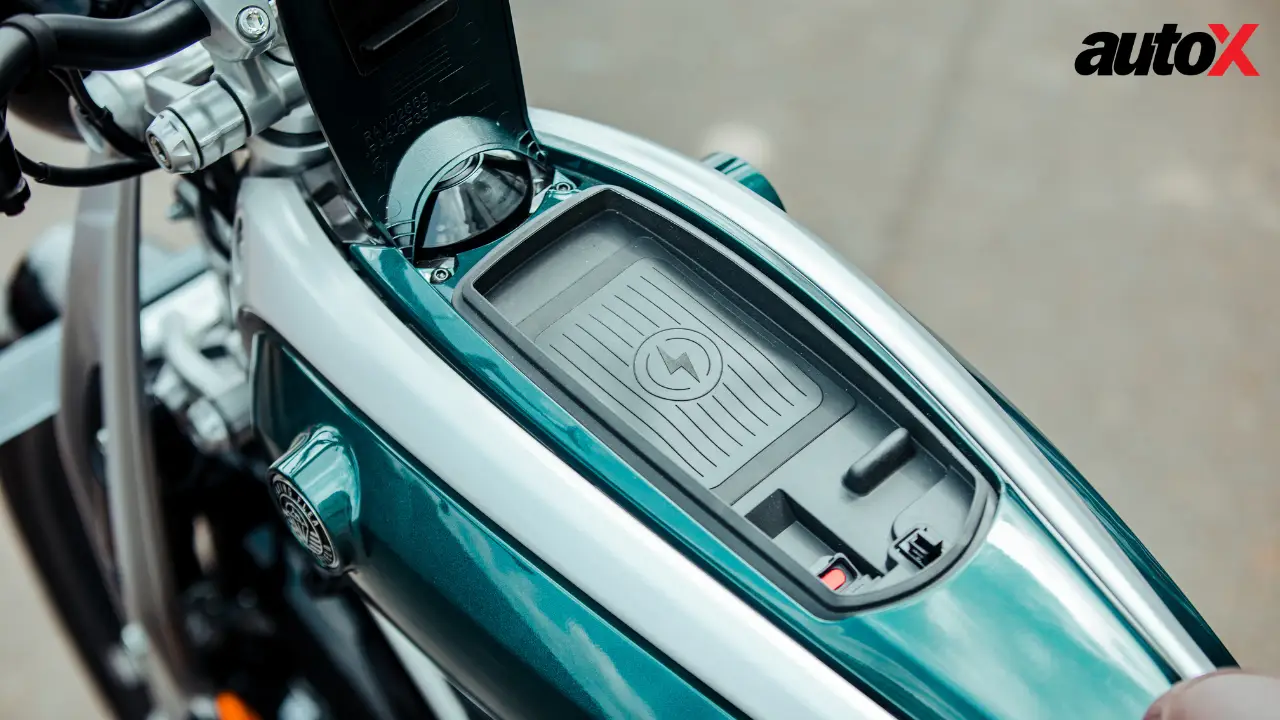
The faux fuel tank houses the motorcycle’s electronic core, including the VCU, IMU, on-board charger, DC converter, and even a first-in-segment wireless charging box for mobile phones. Everything has been optimised for compactness and efficiency.
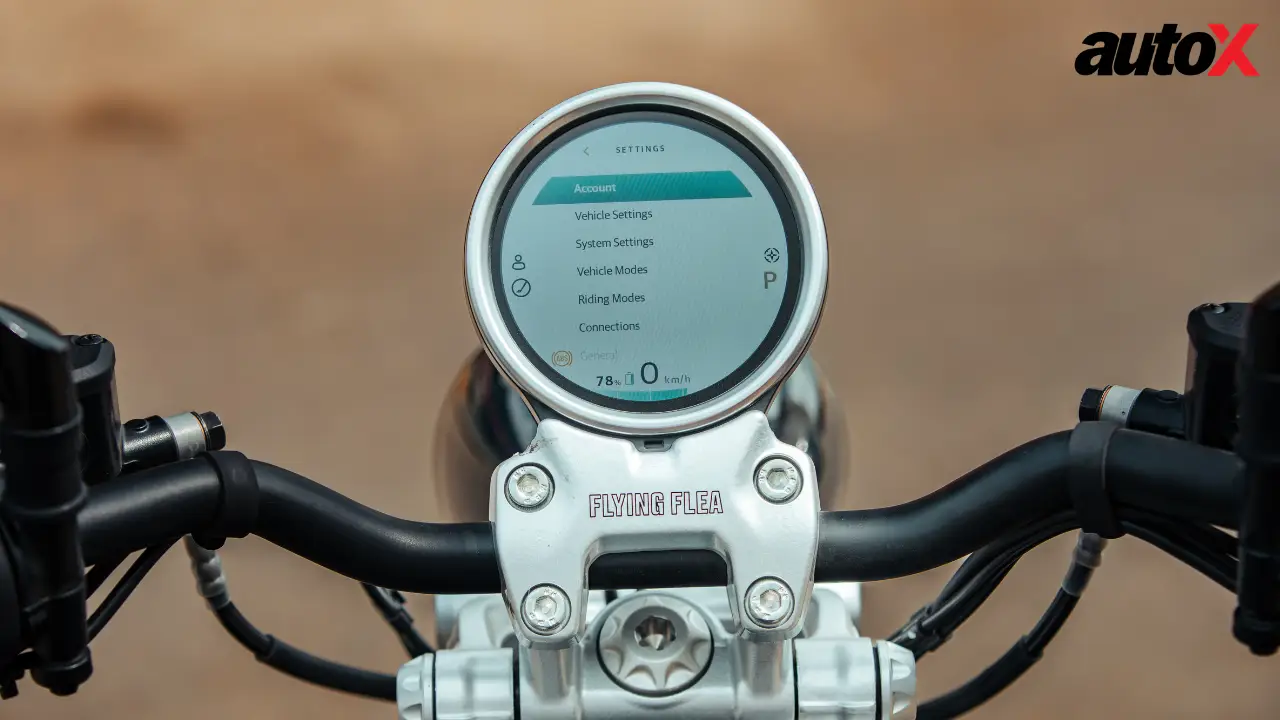
The 3.5-inch circular TFT display is touch-enabled and supports full-screen navigation. It is intuitive and features an ambient light sensor. Riding modes include City, Rain, Highway, Sport, and a Custom mode that allows adjustments to ABS, traction control, throttle maps, and regenerative braking. Additionally, there are vehicle modes such as Privacy, Incognito, Vacation, and Service – each controlling the extent of data sharing with Royal Enfield.
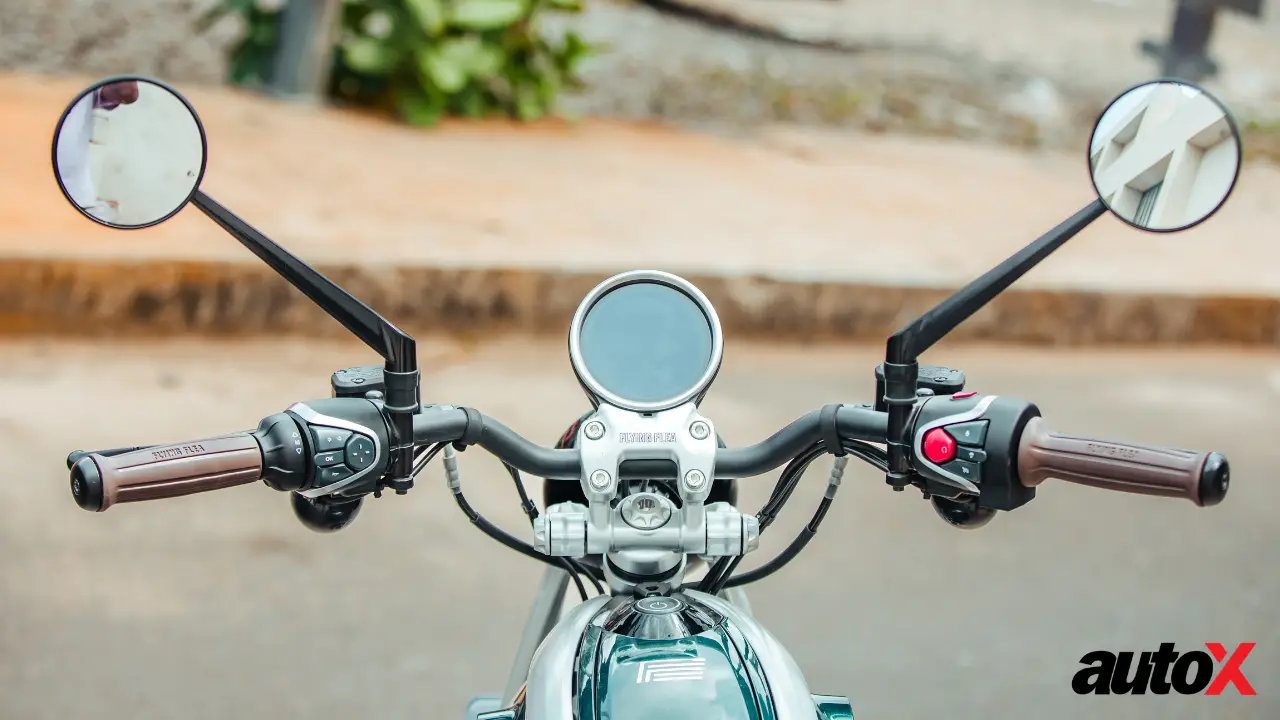
The switchgear is newly designed, with a rotary dial on the left handlebar for seamless mode selection. The Android-based operating system, dubbed Fleaware 1.0, supports over-the-air updates, making this the most technologically advanced Royal Enfield to date.
RE Flying Flea C6 Review: Electric Powertrain & Charging
The FF.C6 is built as a ground-up electric motorcycle. It features a 3.91kWh air-cooled lithium-ion battery pack comprising 224 cells with Nickel-Cobalt-Aluminium chemistry. Performance figures stand at 15.4kW (20.65bhp) and 60Nm of torque, with a claimed top speed of 115km/h. Acceleration from 0–60km/h takes a brisk 3.7 seconds.
Charging is handled via an onboard system. A full charge (0–100%) takes 2 hours and 16 minutes, while a 20–80% charge takes 65 minutes. Royal Enfield claims a charging efficiency of approximately 1km of range per minute. While charging times appear promising, real-world usability will need further evaluation.
RE Flying Flea C6 Review: Performance & Riding Dynamics
Once on the move, the Flying Flea C6 begins to make a stronger case for itself. Performance is lively, especially in Sport mode, where throttle response is sharp and immediate.
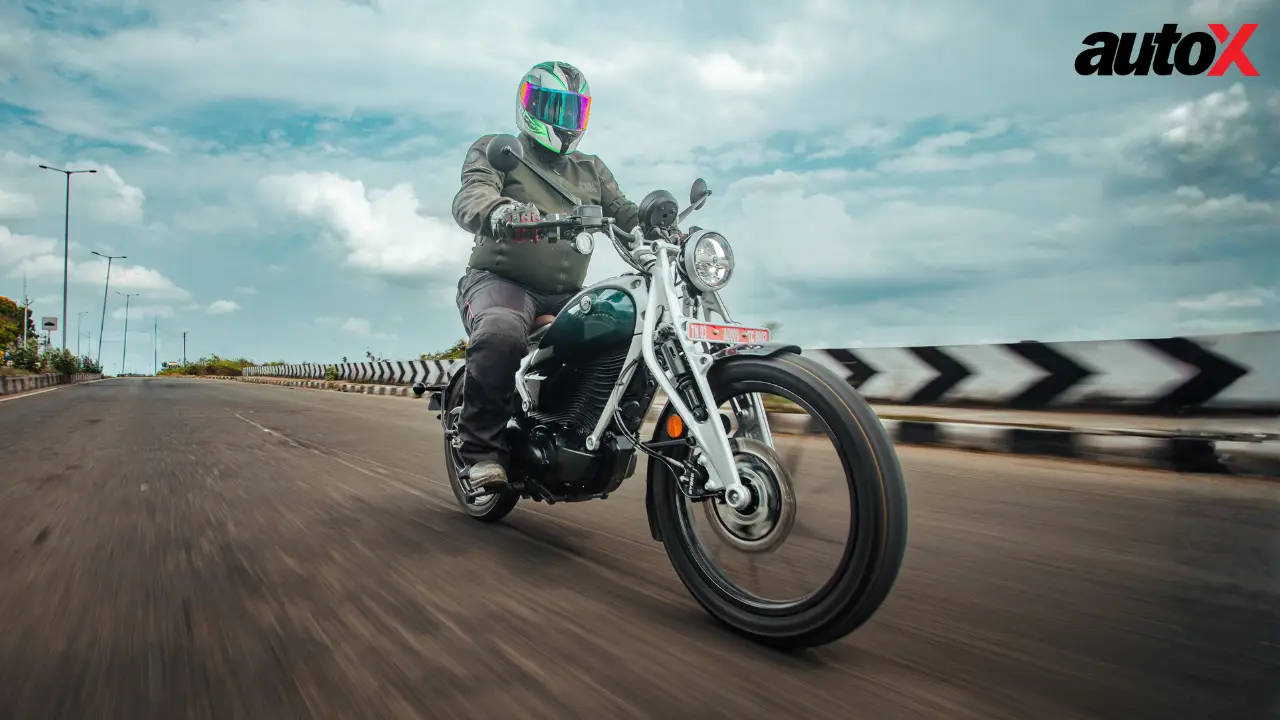
In other modes, power delivery is more subdued but still adequately brisk for city use. The lightweight construction works in its favour, making it exceptionally nimble. It weaves through traffic effortlessly and feels agile during quick direction changes. Braking performance is also reassuring.
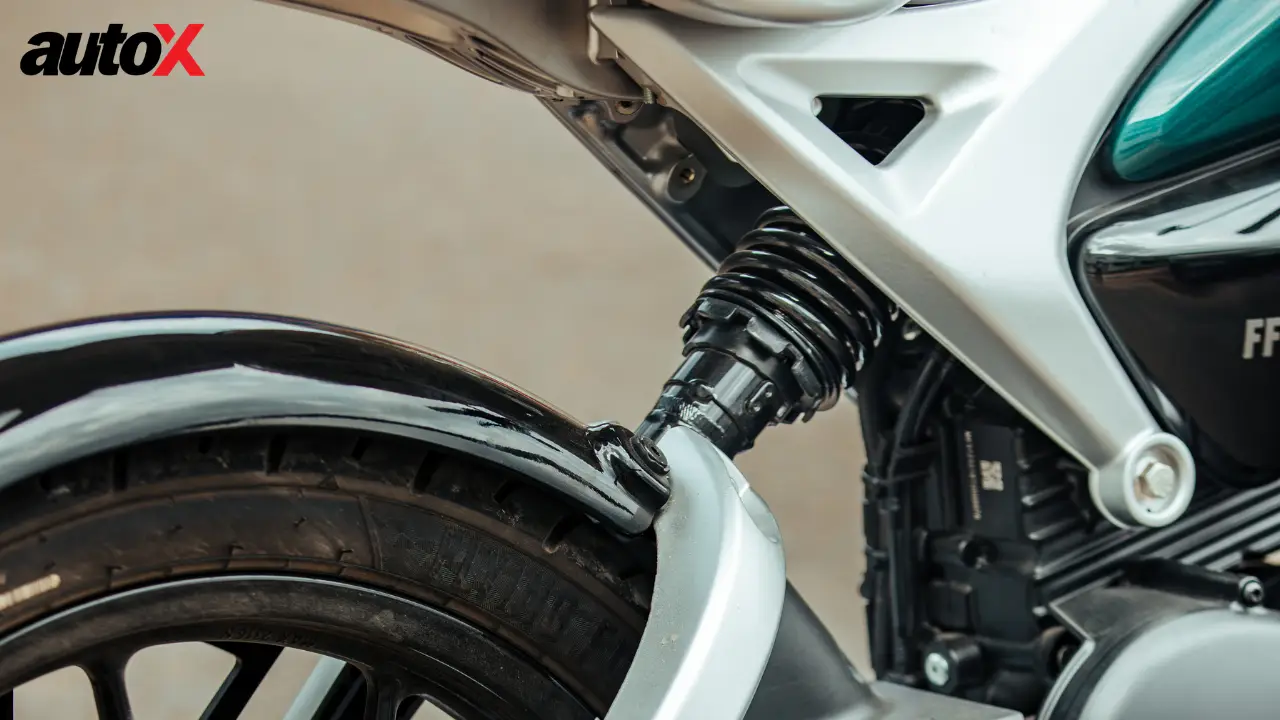
However, the ride quality needs attention. The front girder fork offers 100mm of travel, while the rear monoshock provides 110mm. Despite adequate travel, the suspension setup feels stiff, transmitting road imperfections rather harshly. It is worth noting that the test units were pre-production models, and improvements are likely in the final version.
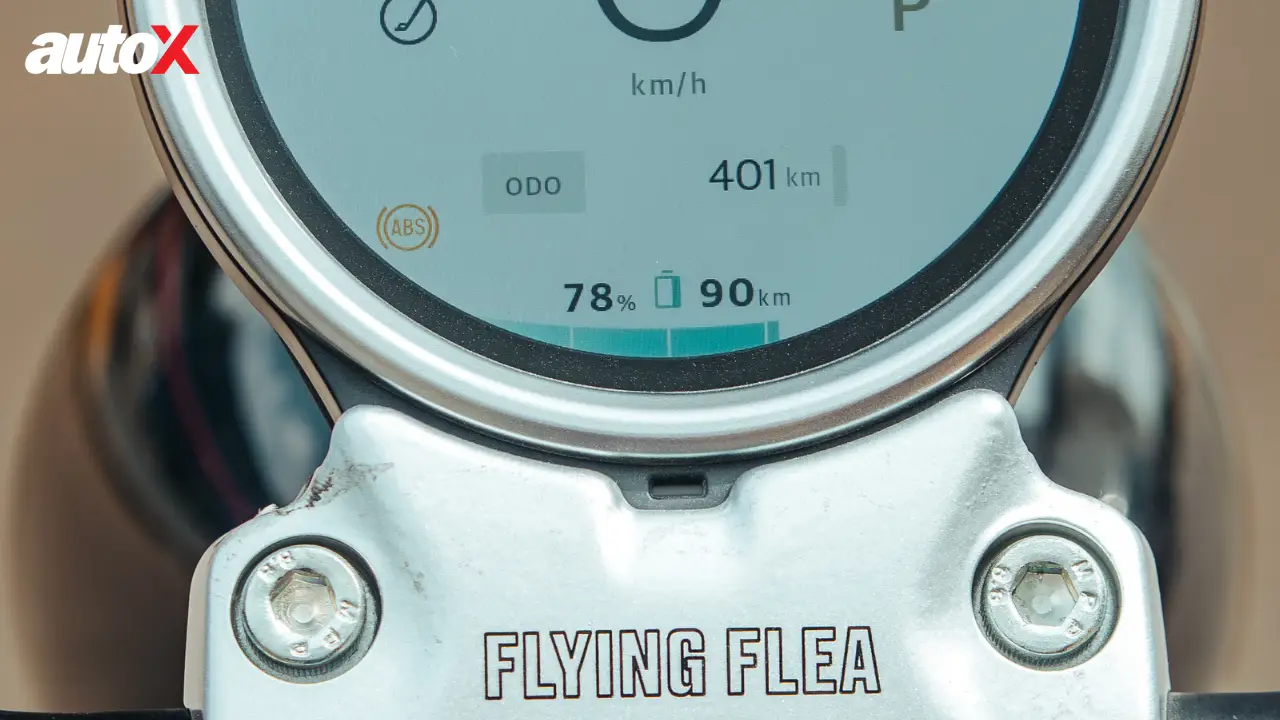
As for range, a realistic expectation would be around 100-110km with conservative riding and optimal regeneration. Aggressive riding, however, could bring that figure down to 70-80km.
RE Flying Flea C6 Review: Expected Pricing & Rivals
The Flying Flea C6 is expected to compete with motorcycles like the Ultraviolette F77 range. Pricing is likely to fall between Rs 2 lakh and Rs 2.5 lakh (ex-showroom).
Royal Enfield is set to announce official prices on April 10, 2026, alongside the inauguration of its first dedicated Flying Flea showroom in Bengaluru.
RE Flying Flea C6 Review: Verdict
The Royal Enfield Flying Flea C6 is an intriguing entry into the electric motorcycle space. It excels in performance, agility, and technological sophistication, but its design and ride comfort may not appeal to everyone.
Royal Enfield appears to be taking a measured approach to electrification, focusing on gradual, well-planned progress rather than aggressive market disruption. The segment itself is still in its infancy, with limited options available. In that context, the Flying Flea C6 presents itself as a credible contender – albeit one that still has a few rough edges to smooth out.
Battery: 3.91kWh
Power: 20.65bhp
Torque: 60Nm
Range: 154km (IDC)
Price: Rs 2-2.5 Lakh, ex-showroom (Expected)
X-Factor: RE's first neo-retro electric bike should draw in crowds.
|
Pros |
Cons |