TVS Apache RTX vs Royal Enfield Scram 440 – Office 2 Off-Road
Two bikes, one garage spot – the Royal Enfield Scram 440 and TVS Apache RTX promise to do it all. But which one truly deserves it?
By Karan Mathur
Photography By Hiyan Chauhan
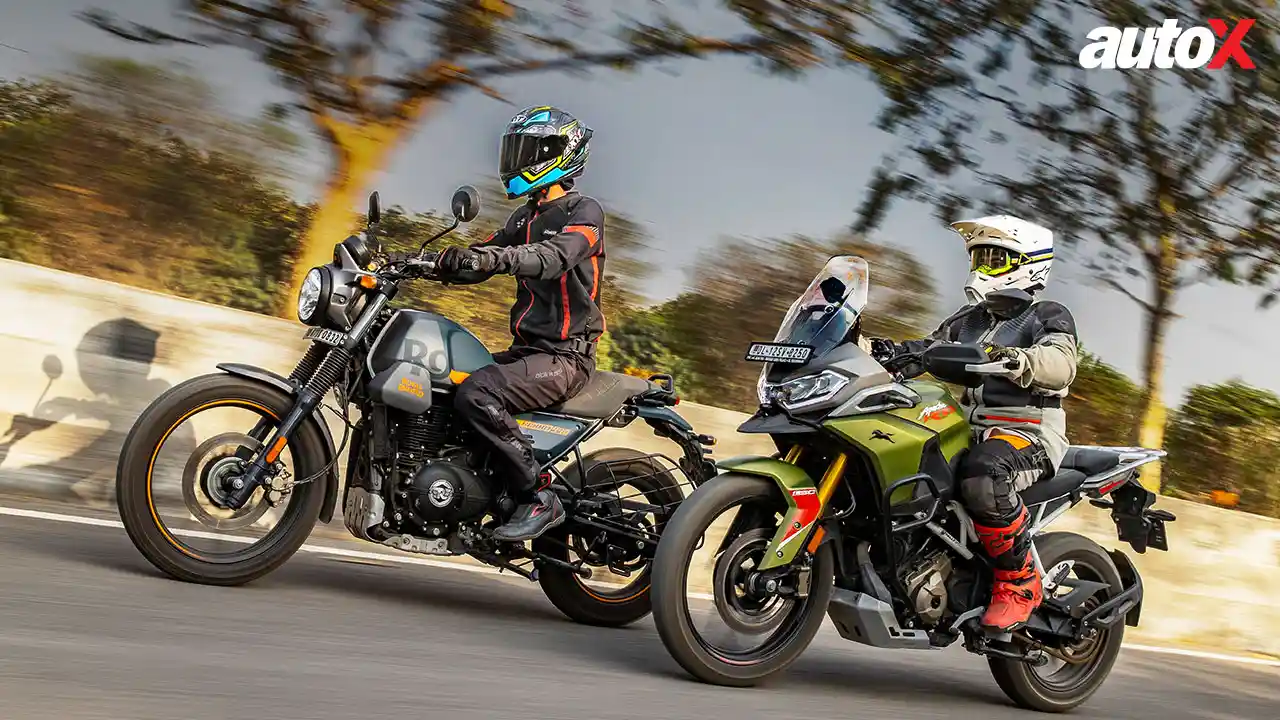
Two lakh rupees. In the Indian motorcycling landscape, that figure is no longer just a number to aspire towards – it’s the sweet spot. It’s the point where you stop thinking about just commuting and start thinking about freedom and excitement. But in 2026, freedom can be a polarising concept. Does it take the form of the rugged, easy-going nostalgia of the Royal Enfield Scram 440, or the tall, sharp, and tech-laden aggression of the TVS Apache RTX?
If you are looking for a motorcycle that can handle the office commute on Monday and a dusty trail on Sunday, both of these machines have probably found their way to your shortlist. I spent time with both to see which one truly earns that elusive ‘one bike that can do it all’ spot in your garage.
TVS Apache RTX vs Royal Enfield Scram 440 - Design Comparison
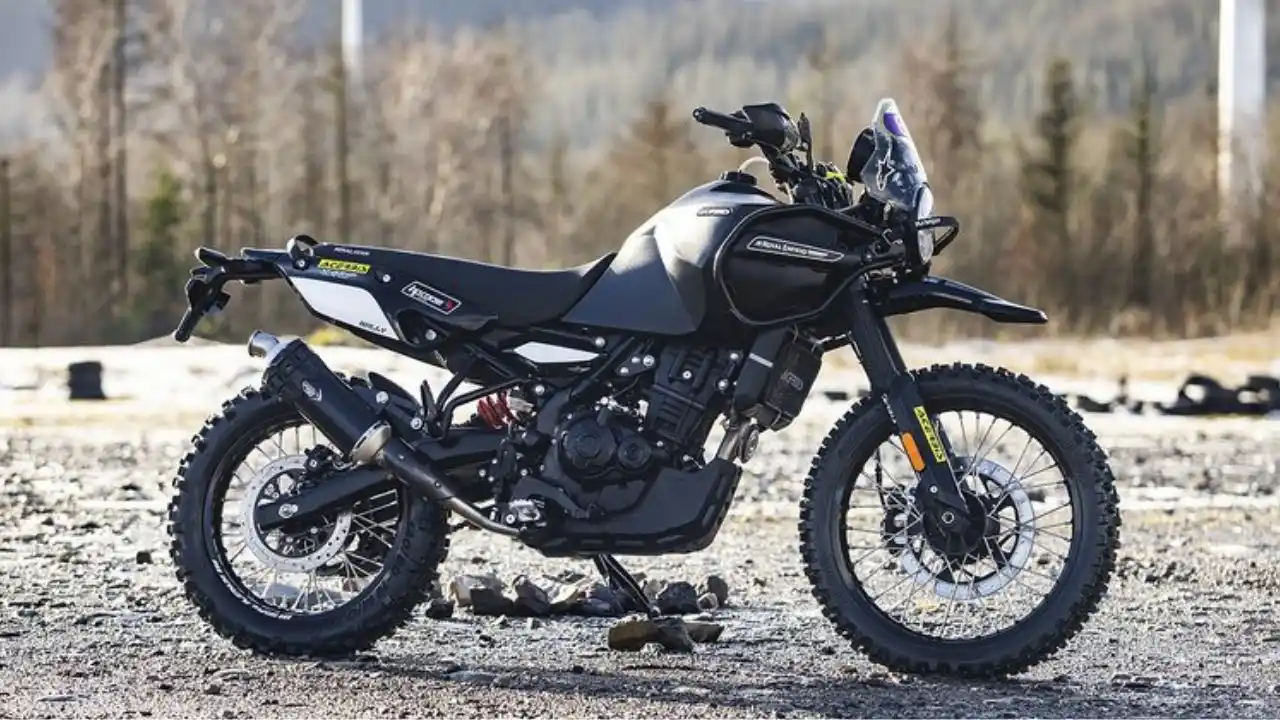
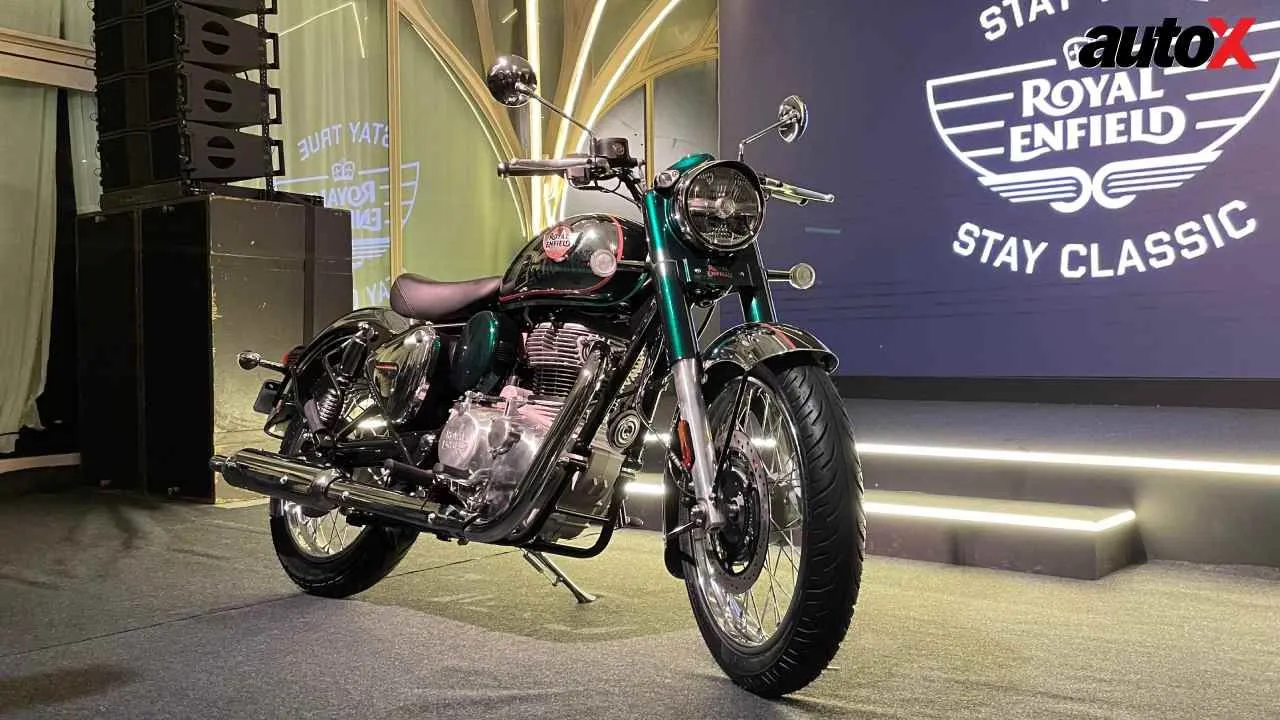
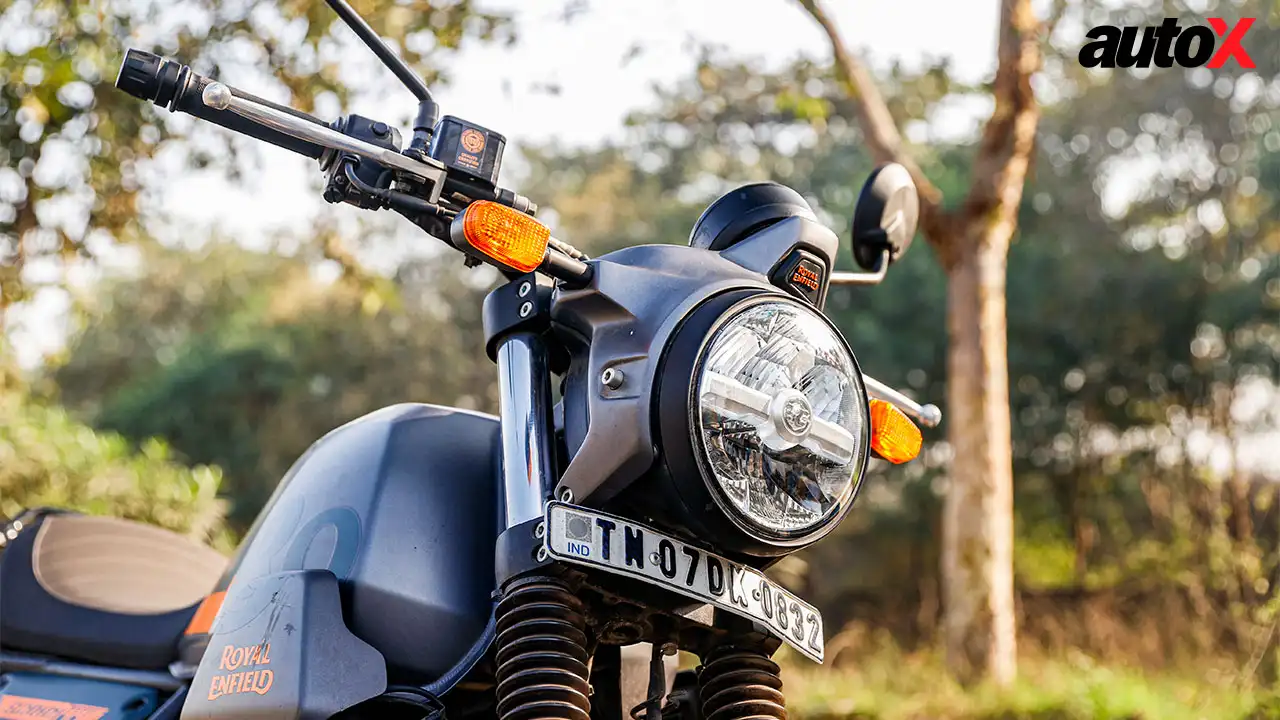
Let’s talk aesthetics first. The Scram 440 seems like something that’s stepped straight off a Mad Max set – chunky, rugged, and carrying that effortlessly cool uncle vibe. It doesn’t try too hard to be a modern ADV; instead, it embraces its scrambler roots with the kind of honest toughness that feels almost indestructible.
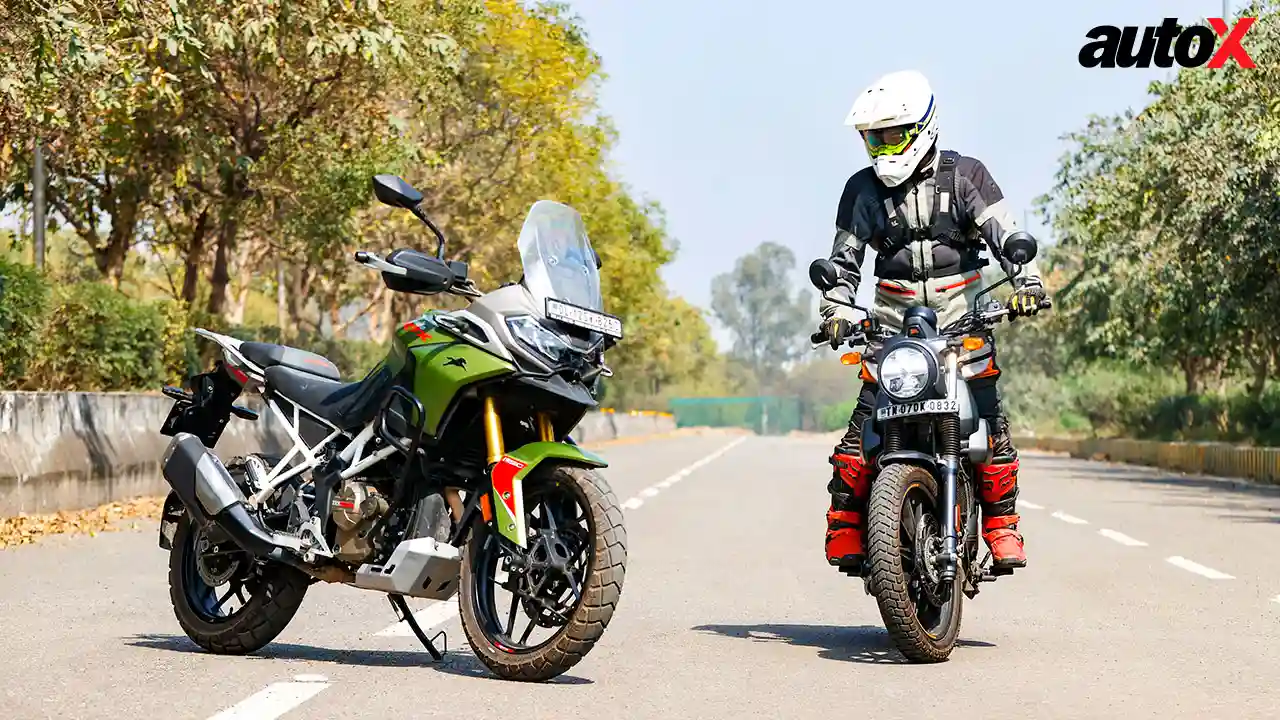
The Apache RTX, on the other hand, means business in a completely different way. It looks every bit the thoroughbred ADV. With its tall windscreen, sharp LED lighting, and broad stance, it could easily pass for something ready for the Dakar. There's also no getting away from the fact that its designers did take inspiration from big, premium European ADVs, but I think they have done a good job with the final execution. While the Scram feels like a protagonist’s DIY ride in a zombie apocalypse film, the RTX feels like a precision tool purpose-built by engineers.
TVS Apache RTX vs Royal Enfield Scram 440: Ergonomics and Comfort
The way you interact with these two motorcycles is fundamentally different. On the Scram 440, you sit in the motorcycle. With a very approachable seat height of 795mm, almost anyone can flat foot it, which immediately inspires confidence. The handlebars are tall, the position is relaxed, and it feels incredibly natural for darting through city traffic.
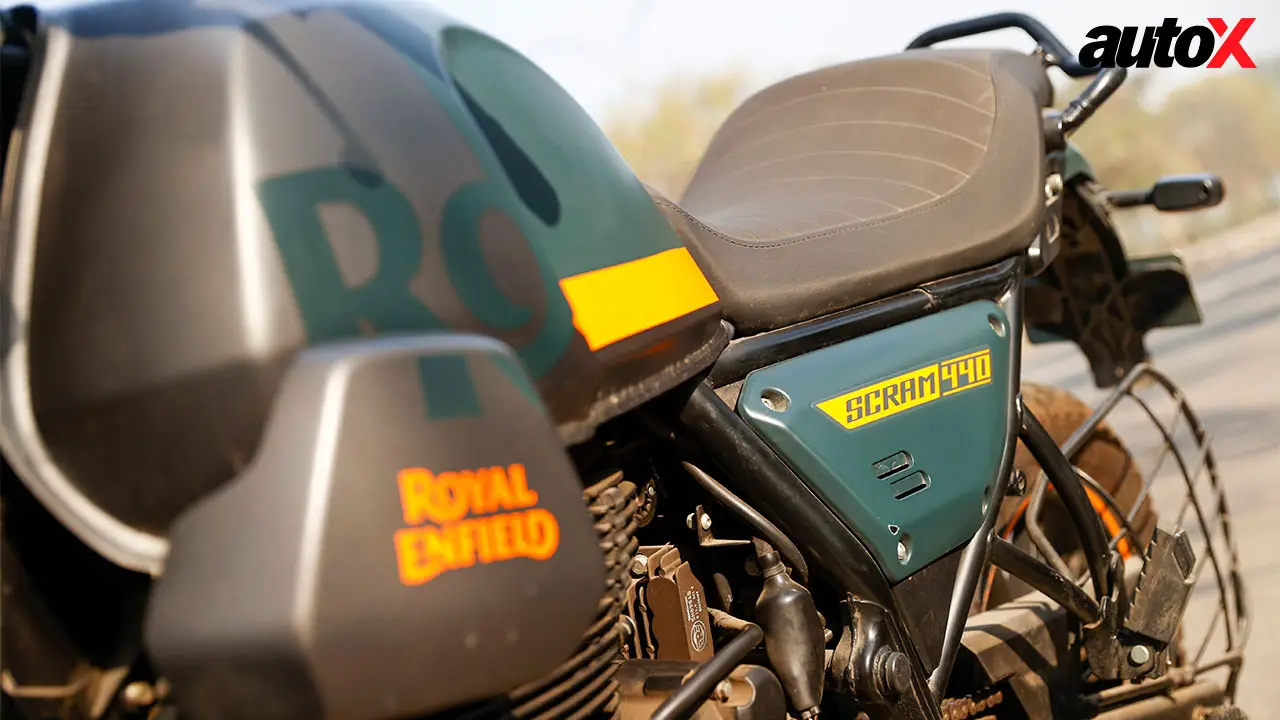
However, once you stand up to tackle a trail, you notice the side panels are a bit too wide, making it difficult to grip the tank securely. Our media unit even had visible scuff marks on its side panels – likely from boots constantly brushing against them while trying to grip it tightly.
The Apache RTX, by contrast, puts you on the motorcycle. With a taller 855mm seat height, it can be intimidating for shorter riders. But once you start moving, the ergonomics feel far more focused. The inseam is narrower than the Scram’s, and for someone like me – who prefers standing and muscling a bike through dirt – the RTX offers much better leverage and control.
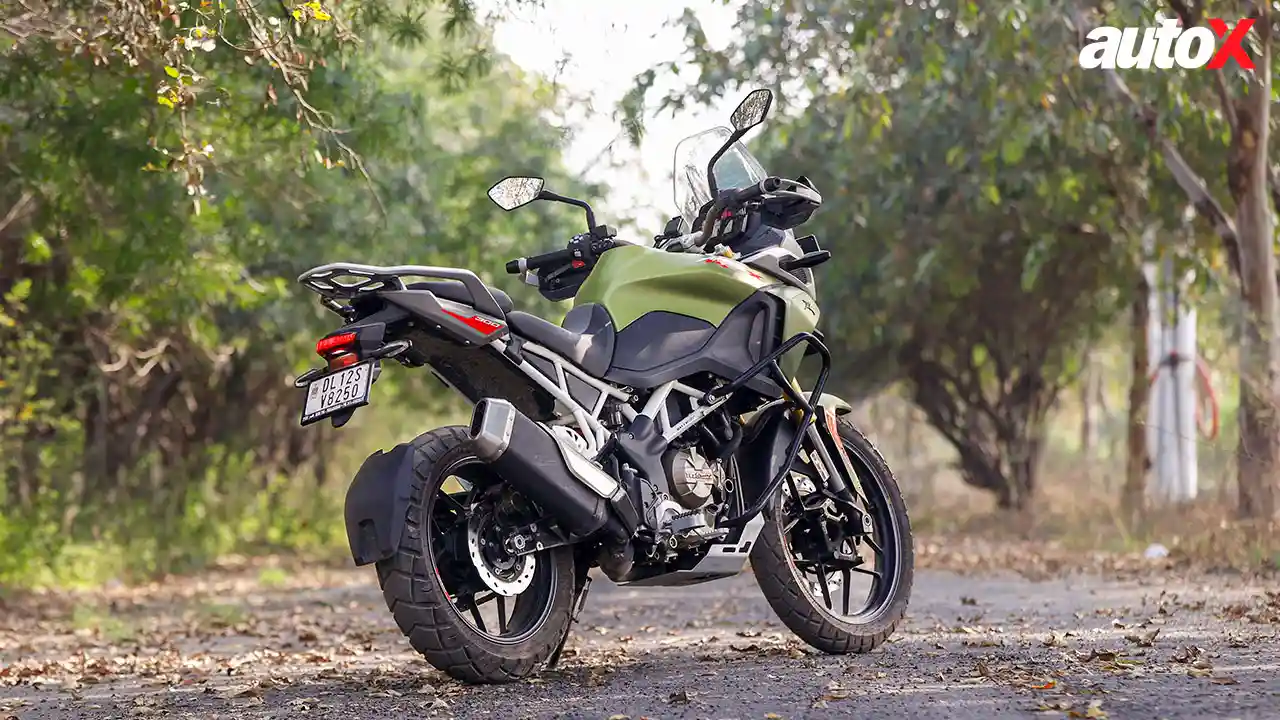
A quick note on weight: the Scram is the heavier machine at 196kg, compared to the RTX’s 180kg. Yet the Scram carries its weight low, which makes it feel planted and stable. The RTX, meanwhile, feels a touch top-heavy, turning slow-speed U-turns into a bit of a leg workout. However, that lighter kerb weight and top-heavy weight distribution give you more confidence to take the RTX off-road, compared to the Scram, which can seem slightly lethargic and heavy-footed when it comes to getting over obstacles and hurdles.
TVS Apache RTX vs Royal Enfield Scram 440 - Features and Technology
This is where the Scram 440 feels properly outgunned. Royal Enfield has kept things simple and honest.
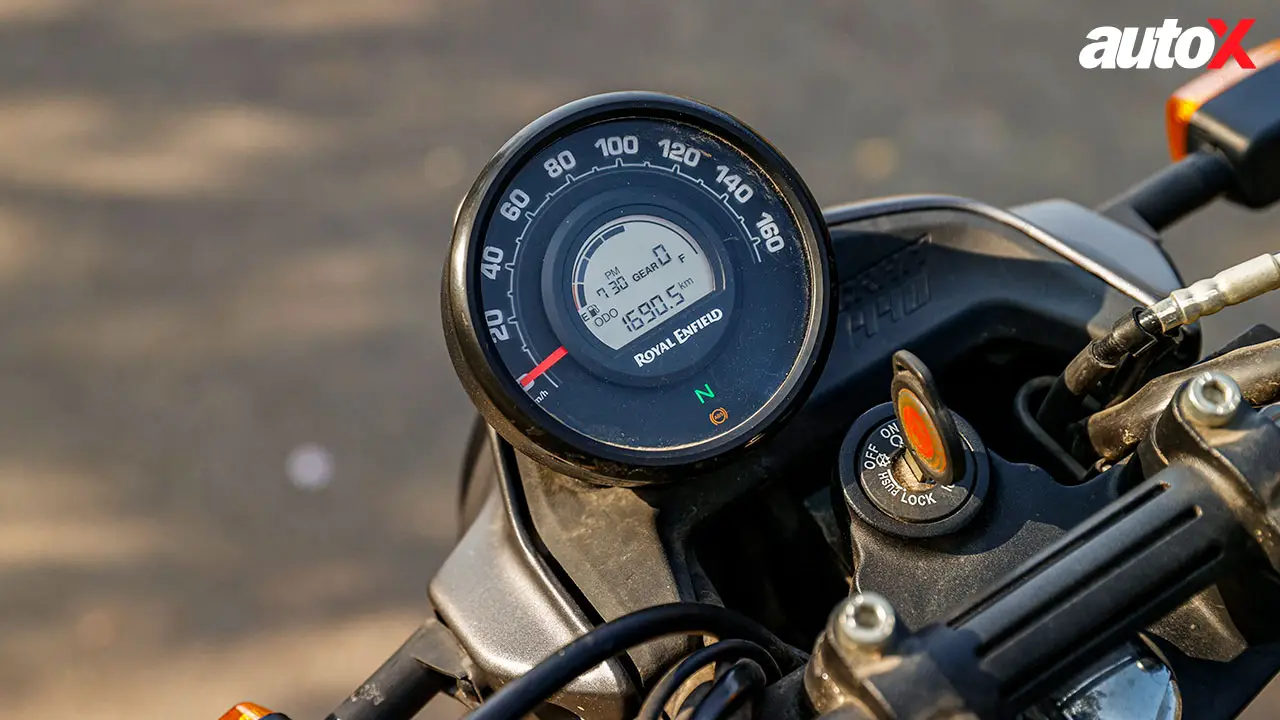
You get a part-digital, part-analogue cluster, optional Tripper navigation and switchable ABS. It’s focused and functional, but it won’t exactly set your tech pulse racing.
TVS, however, has taken the opposite approach – throwing in everything, including the proverbial kitchen sink.
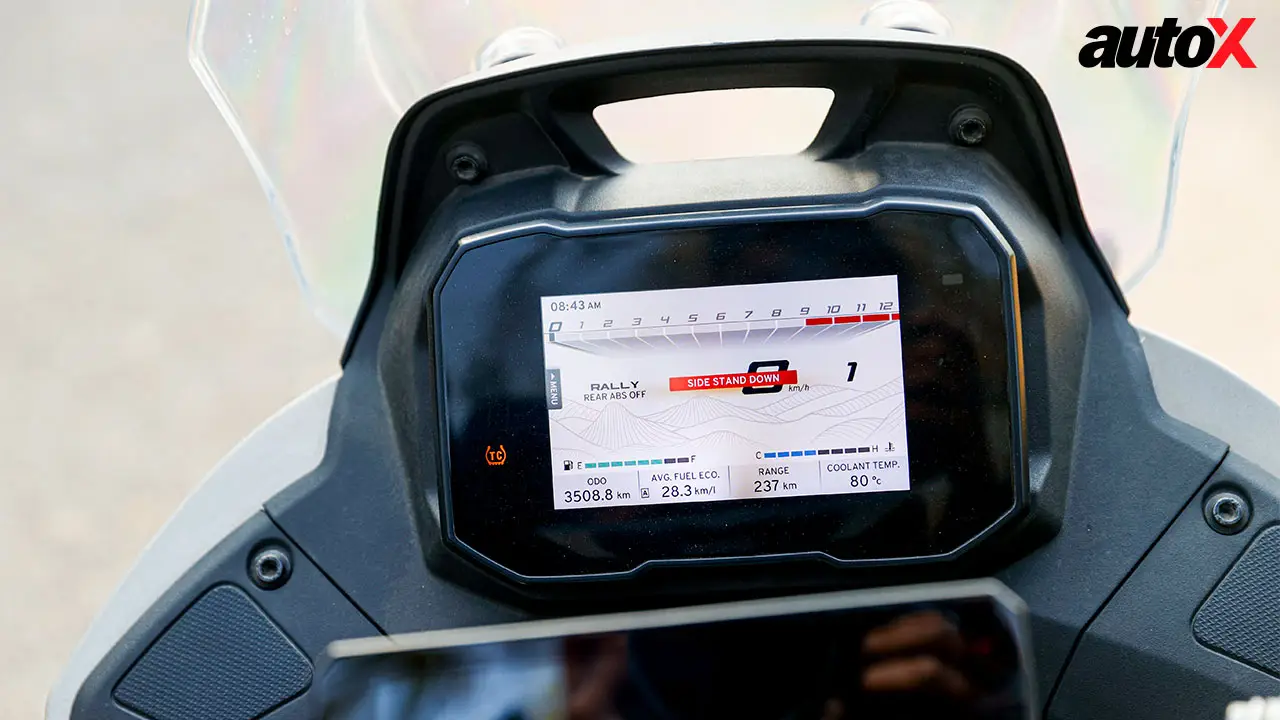
The RTX comes loaded with a 5-inch colour TFT screen, four ride modes, cruise control, a quickshifter, and traction control – all for around Rs 2.5 lakh (ex-showroom). It’s essentially a smartphone on two wheels with a rugged outer casing.
That said, here’s the journalist in me playing devil’s advocate: do you really need four ride modes on a 35bhp motorcycle? Out in the middle of nowhere, more technology often means more things that might go wrong. In that sense, the Scram’s simplicity feels like its strength – you can fix it with a bit of jugaad and a wrench. The RTX offers you that ‘wow’ factor, but the Scram delivers a tad better peace of mind for nomadic travels.
TVS Apache RTX vs Royal Enfield Scram 440 - Engine and Performance
The engines of these two bikes are as different as chalk and cheese. The Scram 440 feels like the tractor of the scrambler world – and I mean that as the highest compliment.
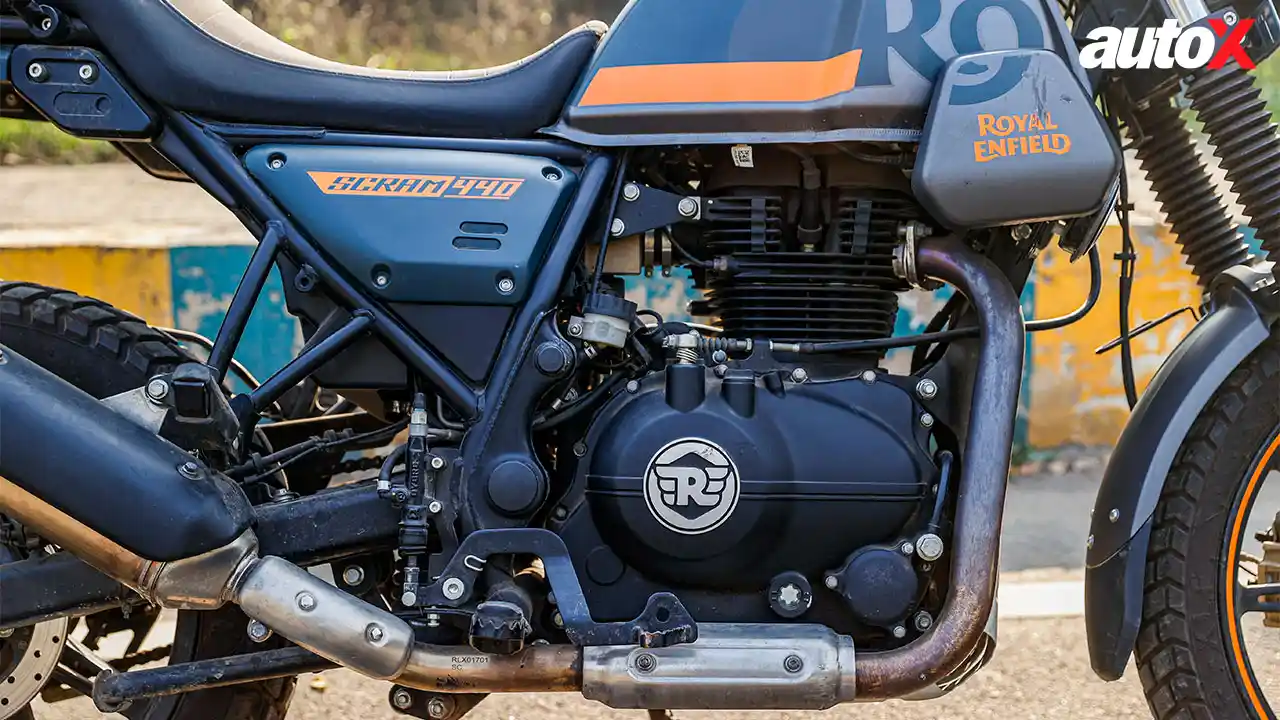
Its 440cc air- and oil-cooled engine delivers a healthy 34Nm of torque, which pulls like a freight train from any gear. You could leave it in third all day in the city, and it won’t complain. It’s all about riding the wave of torque rather than chasing the redline.
The Apache RTX, by contrast, features a brand-new 300cc liquid-cooled engine producing 35.5bhp. It’s peppy and engaging, but it demands a bit of work.
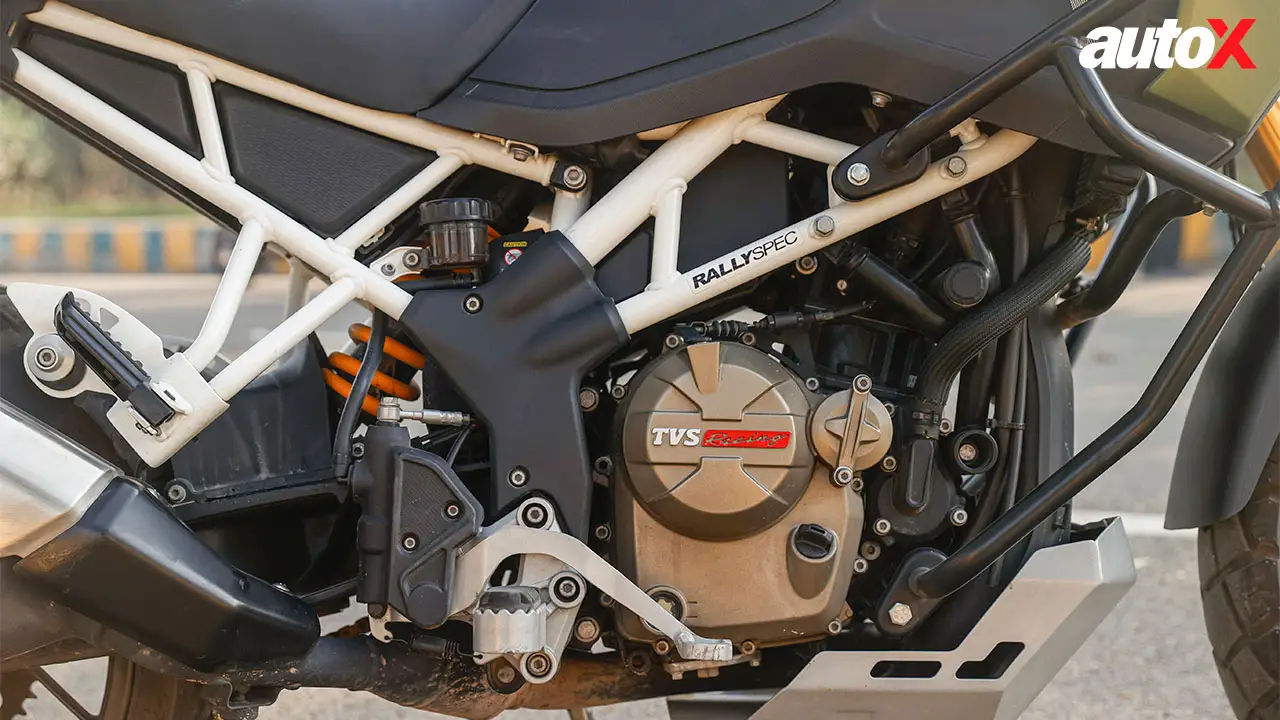
Below 6,000rpm, it feels almost sleepy; cross that threshold, however, and it wakes up with decisive intent. It’s the faster motorcycle of the two, but it rewards the aggressive rider who can work harder at keeping it in the right powerband.
In terms of refinement, neither is perfect. The RTX suffers from a high-frequency buzz through the pegs and bars, which can numb your hands during long highway rides. The Scram has more pronounced vibrations, but they feel more like character rather than annoyance – although if you’re switching over to the RE from a Japanese bike, you’ll definitely notice them.
TVS Apache RTX vs Royal Enfield Scram 440 - Ride and Off-Road Performance
On the road, the Scram 440 rides like a stiff roadster. While it’s confident around corners, its suspension can feel a bit harsh over sharp bumps. Off-road, at low speeds, its low-end grunt helps it chug over almost any obstacle. But try jumping it, and you’ll hear that dreaded clack as the suspension bottoms out.
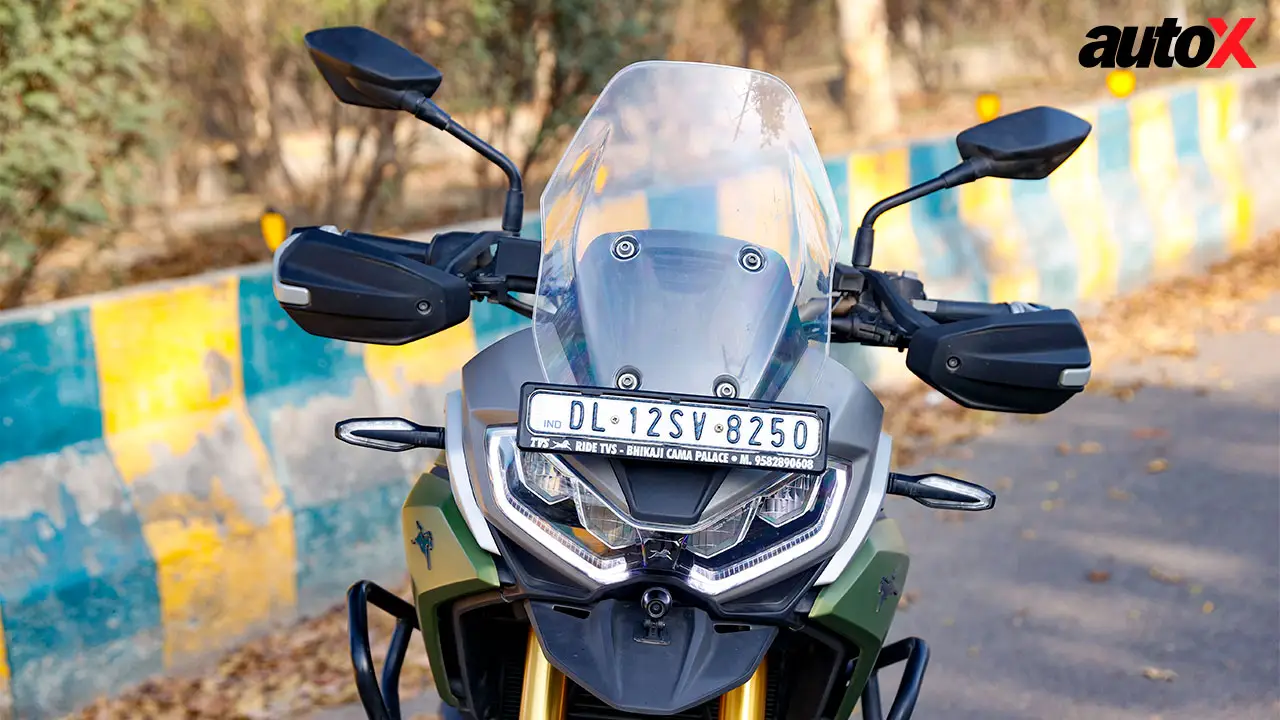
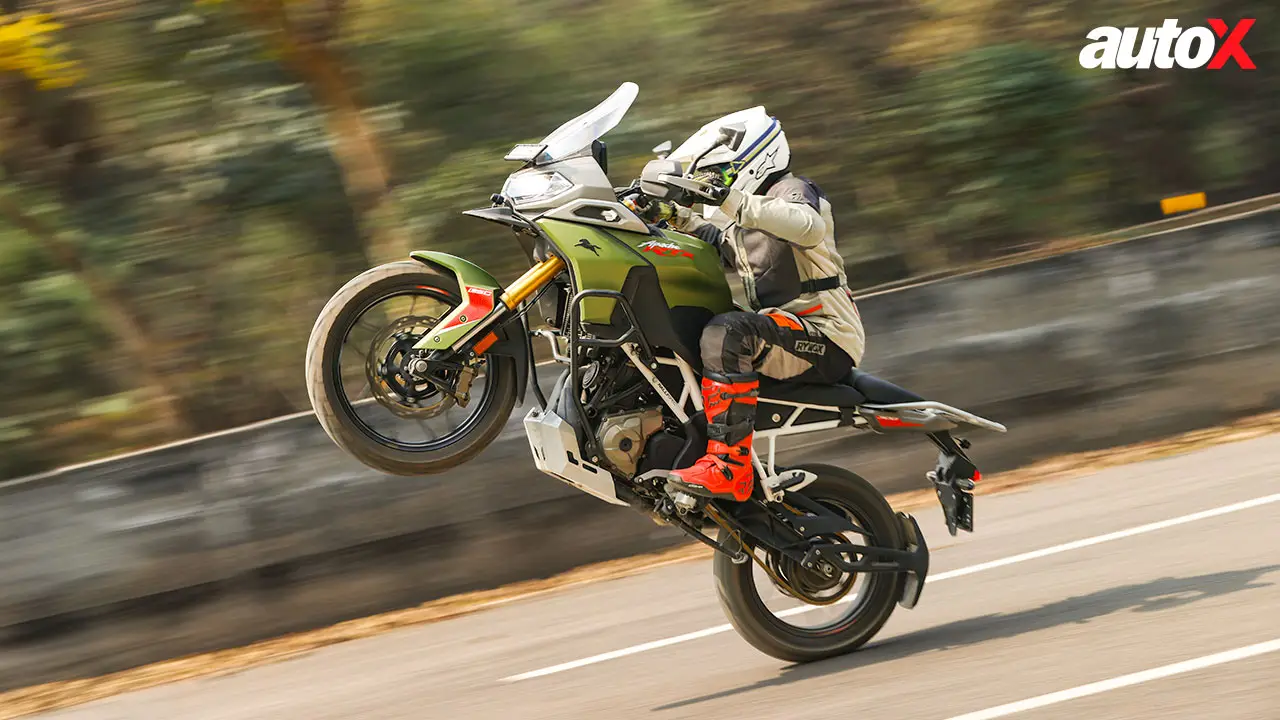
The Apache RTX is my clear pick for rough terrain. With adjustable USD forks and a lighter weight, it’s significantly more capable of going fast off-road. It slices through urban traffic with agility and feels like the more sophisticated package when the tarmac runs out. While the Scram survives the trail, the RTX attacks it decisively.
TVS Apache RTX vs Royal Enfield Scram 440 Review Verdict
So, which one deserves your money?
The Scram 440 is the niche option. It’s friendly, torquey and carries that timeless ruggedness Royal Enfield fans adore. If you value nostalgia and mechanical simplicity over fast trails and tech fests, this is your bike.
However, if you want the best technology, the sharpest design, and a motorcycle that can genuinely handle going off-road without much drama, the Apache RTX is the clear winner. It’s the more complete, modern package of the two.
As for me, if I’m trail hunting on Sundays and commuting on Mondays, I’ll opt for the Apache RTX. It’s the bike that makes me feel like a better rider – even if it means waiting three months for delivery while TVS ramps up production.
Engine: 299cc Single-Cylinder
Transmission: 6-Speed
Power: 35.5bhp
Torque: 28.5Nm
Fuel: Petrol
Price: Rs 2.34 Lakh (ex-showroom)
X-Factor: A tech-heavy all-rounder that makes flagship features accessible to the intermediate adventurer.
|
Pros |
Cons |
Related Articles