2025 BMW X3 vs Mercedes-Benz GLC vs Lexus NX 350h: Comparison
Got a spare crore to spend on a mid-size luxury SUV? Here’s a three-way showdown between two Germans and a Japanese to help you pick the right one.
By Shivank Bhatt

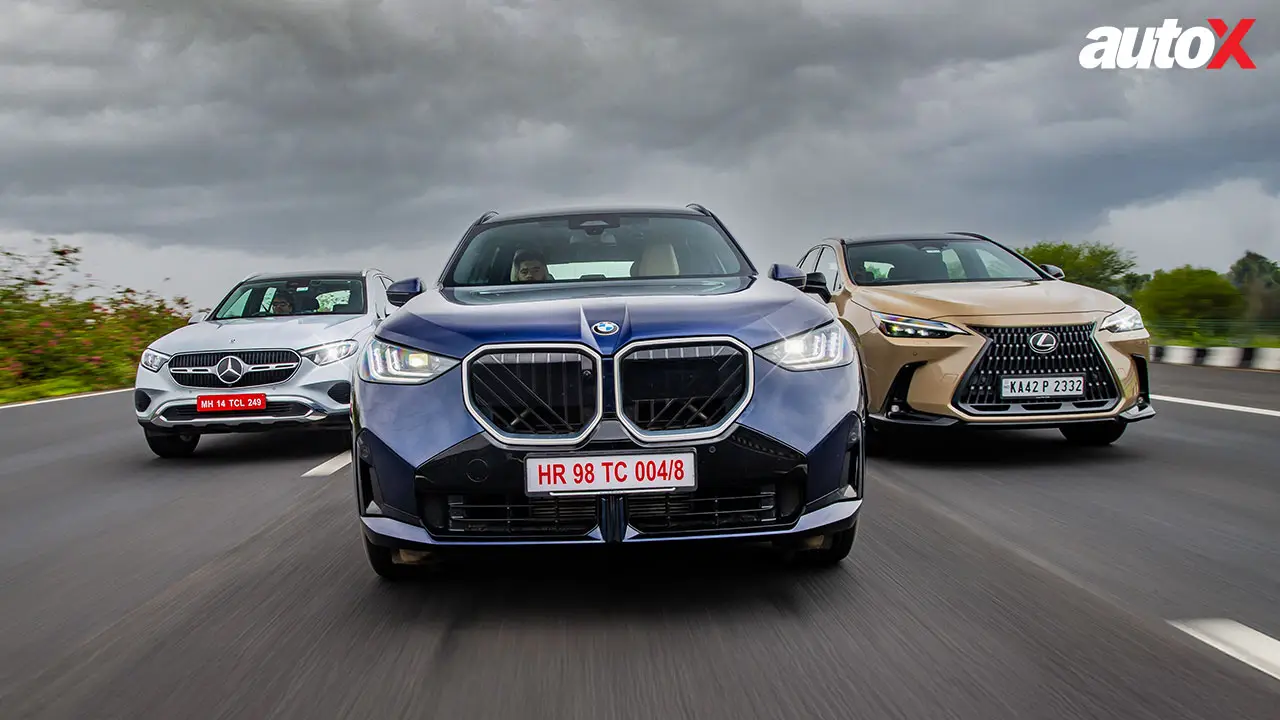
You have raised massive capital for your startup. Business is booming. Profits are through the roof. You have bought your dream apartment and signed up for wealth management services to secure your future. Everything’s looking bright. You can feel the success not just in your bones but also in your bank accounts. Life’s good. And now…it’s time to indulge yourself with luxury cars.
Say you have capped your budget at around a crore, and you want an SUV, which one should you buy? Should you pick one of the usual German suspects – the BMW X3 and Mercedes-Benz GLC – or should you go offbeat and pick the Lexus NX 350h instead? Wondering about the Audi Q5 and the Volvo XC60? Well, don’t, because both are due for an update, which is why you don’t see them here.
Anyway, back to cracking the puzzle for you – which mid-size luxury SUV deserves your hard-earned funding – sorry, money? Let’s find out!
Brand Power: Badge of Honour
When the wealthy choose their set of wheels, it’s the badge on the bonnet that dictates their preference more than the aesthetics of the product itself. Sure, looks do count to some extent in this class of vehicles, but they aren’t a deal-breaker. The rich and the famous pick vehicles based on their aspirational value, period!
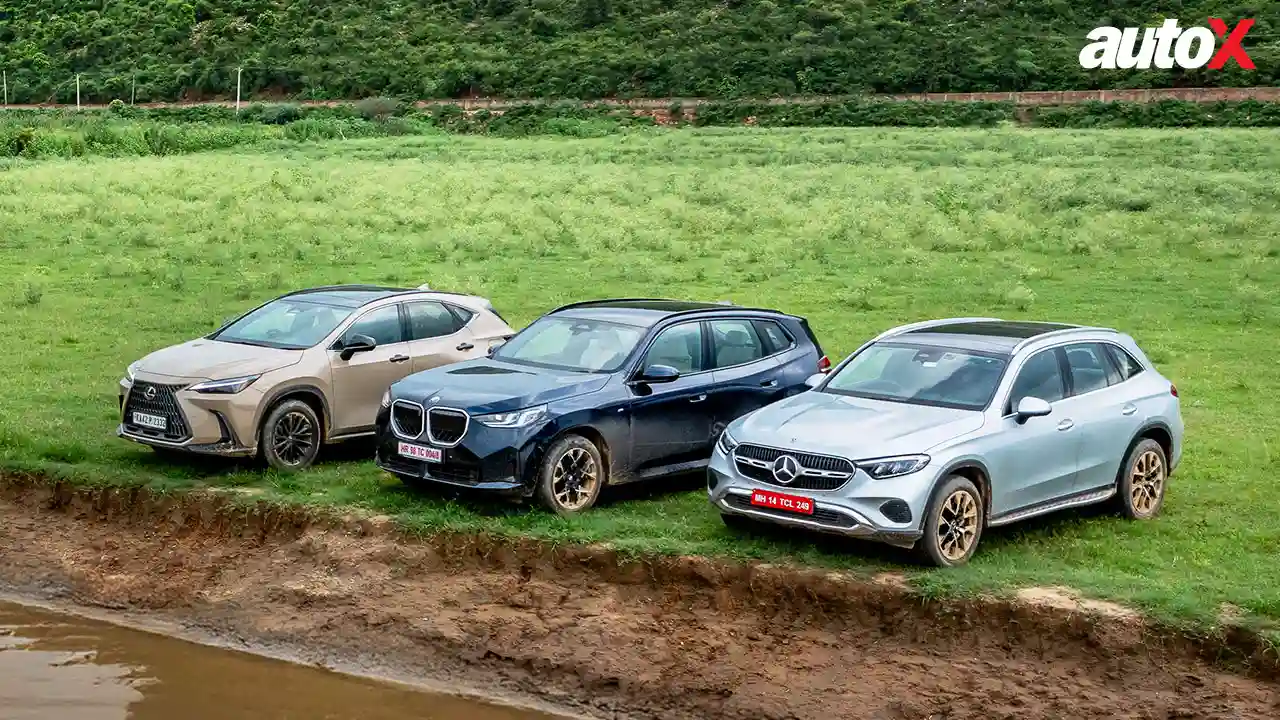
Among the three SUVs here – or more precisely, the badges on their hoods – there’s a clear pecking order in terms of how aspirational these vehicles are. The German duo of Mercedes and BMW are evenly matched in terms of brand power, but it’s fair to say that it’s the three-pointed star that edges out the blue-and-white roundel by a slight margin. There’s a reason why Mercedes consistently ranks as the leading luxury carmaker on Forbes’ World’s Most Valuable Brands list.
As for Lexus…well, its parent company, Toyota, sits higher than Merc on the Forbes’ list, but for entirely different reasons – none of them tied to its badge value. It’s fair to say that despite Lexus being a respected name in the world of luxury, it doesn’t quite pull the well-heeled to showroom floors the way the Germans do. Much like Toyota, the Lexus brand is synonymous with reliability and peace of mind and not with outright aspirational value. And that’s why in this aspect, it’s ranked last.
Driving Pleasure: From Behind the Wheel
Since these are ‘mid-size’ luxury SUVs, chances are that their owners will spend a considerable amount of time in the driver’s seat as well. Now, nobody expects them to set land speed or lap records, but it’s still crucial for these SUVs to drive well. Let’s start with the BMW, again.
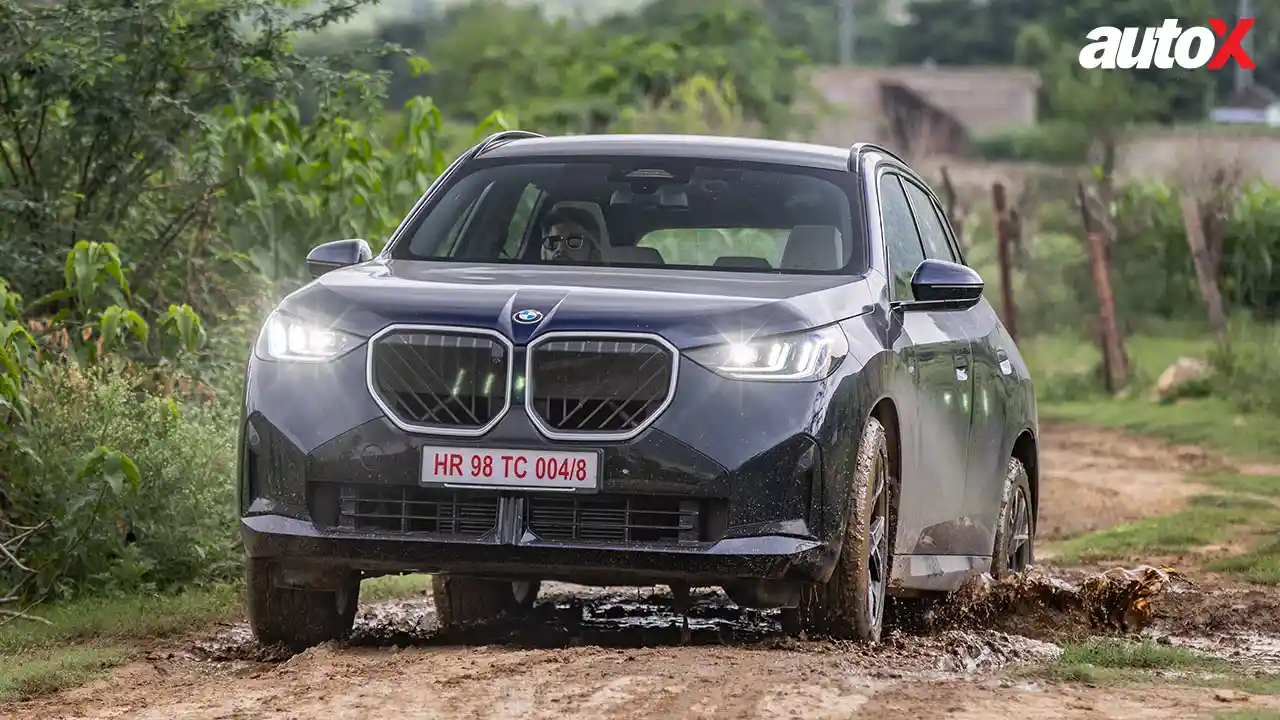
The X3 is offered in two flavours in India – the xDrive20 and xDrive20d. The former is powered by a 2.0-litre four-cylinder turbo petrol engine, producing 188bhp and 310Nm, while the latter – the one we have on test here – is powered by a 2.0-litre four-cylinder turbo diesel unit, rated at 195bhp and 400Nm. Both come with a 48V mild-hybrid system, all-wheel drive, and an 8-speed automatic transmission as standard. And, dare I say, both sound a bit underwhelming!
Since we only got to drive the diesel version during this test, let’s just stick to that. First off, it’s a silky-smooth powertrain, or so it feels from inside the cabin. The diesel mill barely produces any clatter, and the refinement levels are exemplary. Only when you rev it past 4,000rpm – although there’s absolutely no need to do so – does it become noisy inside. Otherwise, it’s quiet like a library in here.
As for the performance, the speed builds up gradually, the power delivery is seamless, and the 8-speed is virtually flawless. But… there’s no oomph. It lacks any kind of drama, which, frankly, isn’t what you expect in a BMW. It has a claimed 0 – 100km/h time of 7.7s, which pretty much tells you that the X3 likes to take things easy. It feels like a car that has had a change of heart – and of intent.
In terms of handling, it tells a similar story. Sure, it’s not expected to handle like an M car, but this is still a BMW, so you naturally expect a certain level of engagement. Sadly, the X3 doesn’t deliver. The handling is alright – it goes where you want it to go, but the steering feels pretty lifeless. In ‘Sport’ mode, the adaptive dampers get firmed up, resulting in taut body movements, but again it doesn’t even induce a smirk let alone a grin. Only an M40i version can fix this X3 for keen drivers.
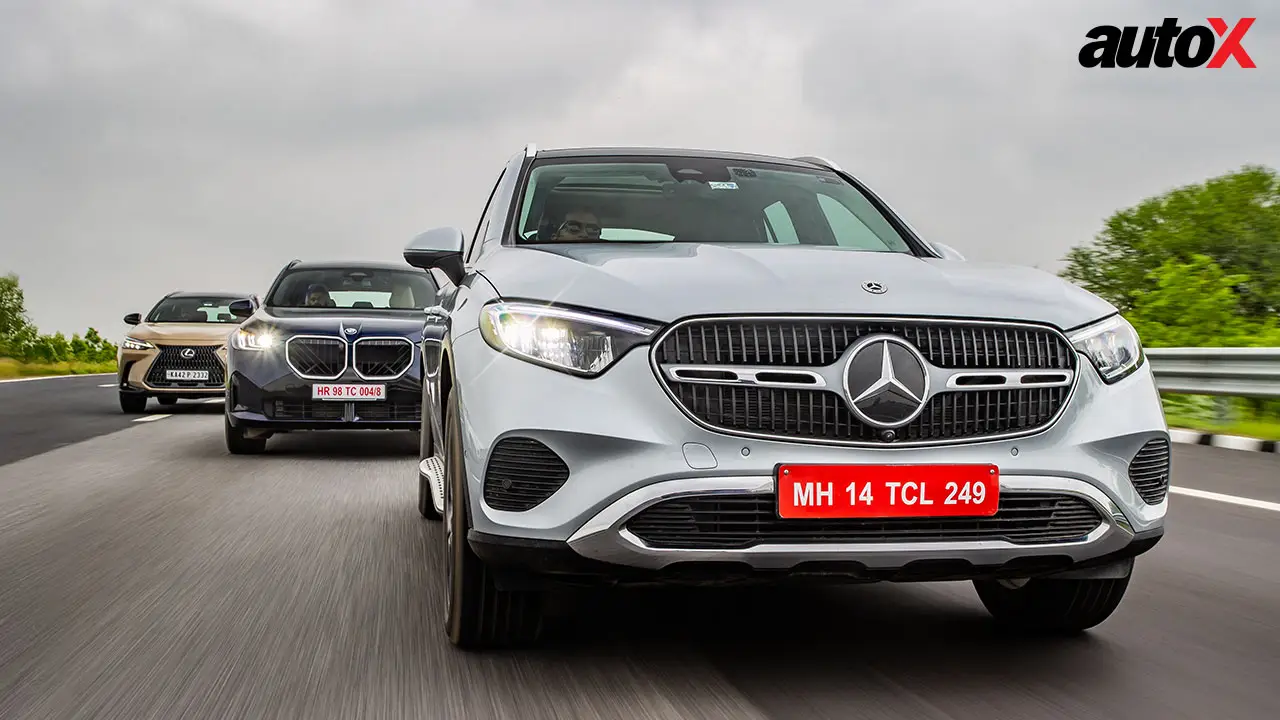
Mercedes had sent us the petrol variant of the GLC – GLC 300. Let’s start with the headline numbers. It’s powered by a 2.0-litre four-cylinder turbo, pushing out 255bhp and 400Nm of torque, and it’s paired to a 9-speed automatic that sends power to all four wheels. Like the BMW, it too gets a 48V mild-hybrid system.
If you compare apples to apples, the Merc’s petrol engine has a clear advantage. However, when it comes to the diesel motors, both the X3 and GLC are evenly matched, as the latter, too, gets a 2.0-litre diesel, which produces 195bhp and 440Nm.
Mercedes claims that the petrol GLC 300 can do the 0-100km/h sprint in 6.2s – a full 1.5s faster than the X3 petrol. The Merc’s acceleration is brisk, with a real sense of urgency. The short bursts of torque provided by its hybrid system result in virtually no lag in all conditions, making the motor feel flexible and responsive almost everywhere. The only downer is the 9-speed AT transmission, which isn’t as intuitive as the 8-speeder of the X3. It takes a fair bit of time to downshift during kickdown.
The GLC is an equally able handler, which comes as a bit of a surprise. The steering feels better, as it’s more communicative than the X3’s. The body movements are well contained, with minimal body roll. Plus, you can hustle it around corners at decent speeds. There are no adaptive dampers here, but the setup has a perfect balance for ride and handling in our driving conditions. Overall, it’s definitely a more entertaining package than the BMW.
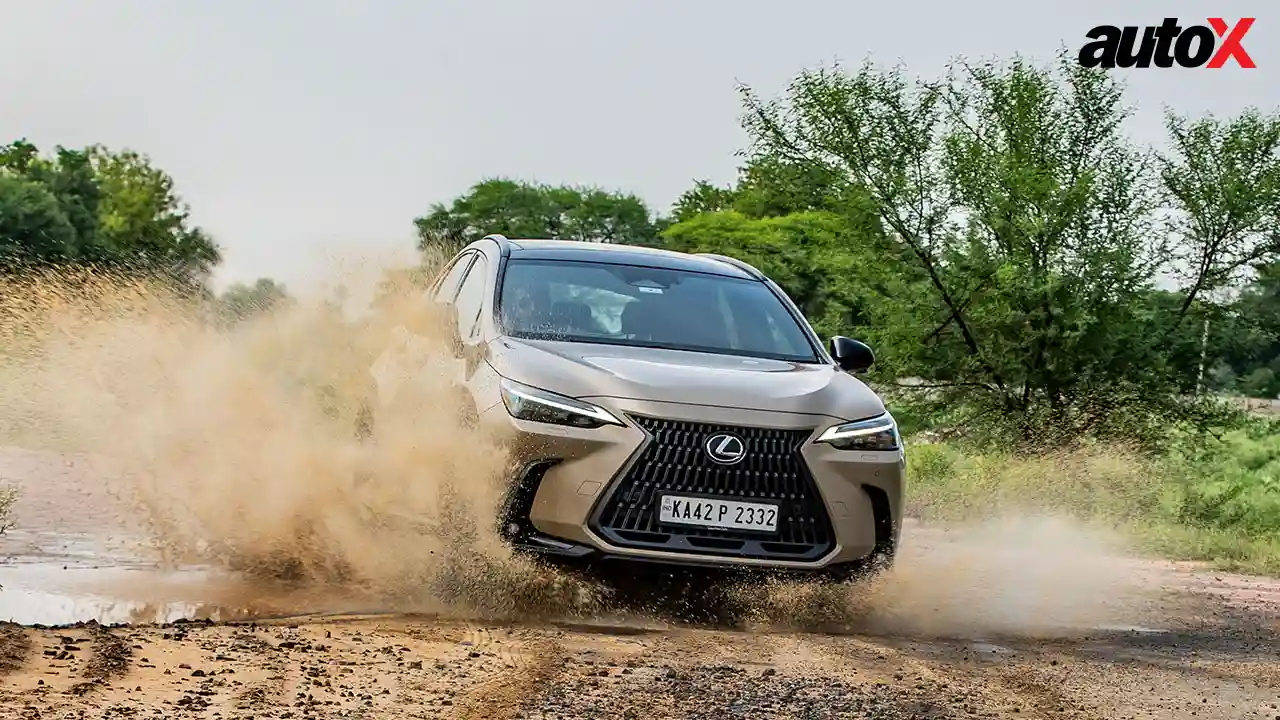
The Lexus is available in a single drivetrain option – a 2.5-litre petrol unit paired with two electric motors on each axle. The total system power output stands at 237bhp along with a peak torque of 239Nm. Power is sent to all four wheels via an eCVT transmission.
Once again, the Lexus feels a bit out of its depth in this company. You see, while its hybrid setup is peppy and efficient for short drives, it struggles to offer the same levels of performance as the GLC or the X3. It does the 0-100km/h run in 7.7s, despite producing nearly the same horsepower as the GLC. In isolation, the performance is adequate and never lacking, but drive it back-to-back with the Germans, and the difference is stark. The hybrid drivetrain doesn’t have the punch of the GLC or the refinement of the X3. The transmission is noisy, and at higher speeds, the engine feels strained. There are huge paddle-shifters to mimic gear shifts in a CVT, but they hardly make any difference.
In terms of handling, all’s not lost for the NX. It’s surprisingly agile and taut, with decent steering feedback. It’s as capable as the GLC or X3 here, but unlike those two, it definitely feels its weight when pushed around corners. On the upside, during the test, it was the most abuse-friendly of the three on bad roads, thanks to its ‘Overtrail’ kit. All the credit goes to its thick tyre sidewalls and 18-inch wheels vs the 19-inchers on the other two.
Comfort & Space: Lounge Access
This is perhaps the biggest talking point in this segment – comfort. When you’re spending nearly a crore on a luxury SUV, you don’t expect to bounce around in discomfort or sit in a foetal position in the back seat. You want to stretch out, relax, and truly lounge in comfort. So, which of these SUVs allows you to do precisely that?
Let’s start with the X3. Being the newest here, the X3 ticks this box most convincingly. Not only does it offer the best ride quality in all kinds of road conditions, but its cabin is also the quietest and most refined. Quite surprising, considering it’s the only one here that runs on the devil’s fuel. What’s more, the BMW is the longest and widest SUV on the list, which translates into the most spacious interior. Space management here is also brilliant, and the light beige interior of our test car made the cabin feel even airier. The expansive moonroof further adds to the sense of space.
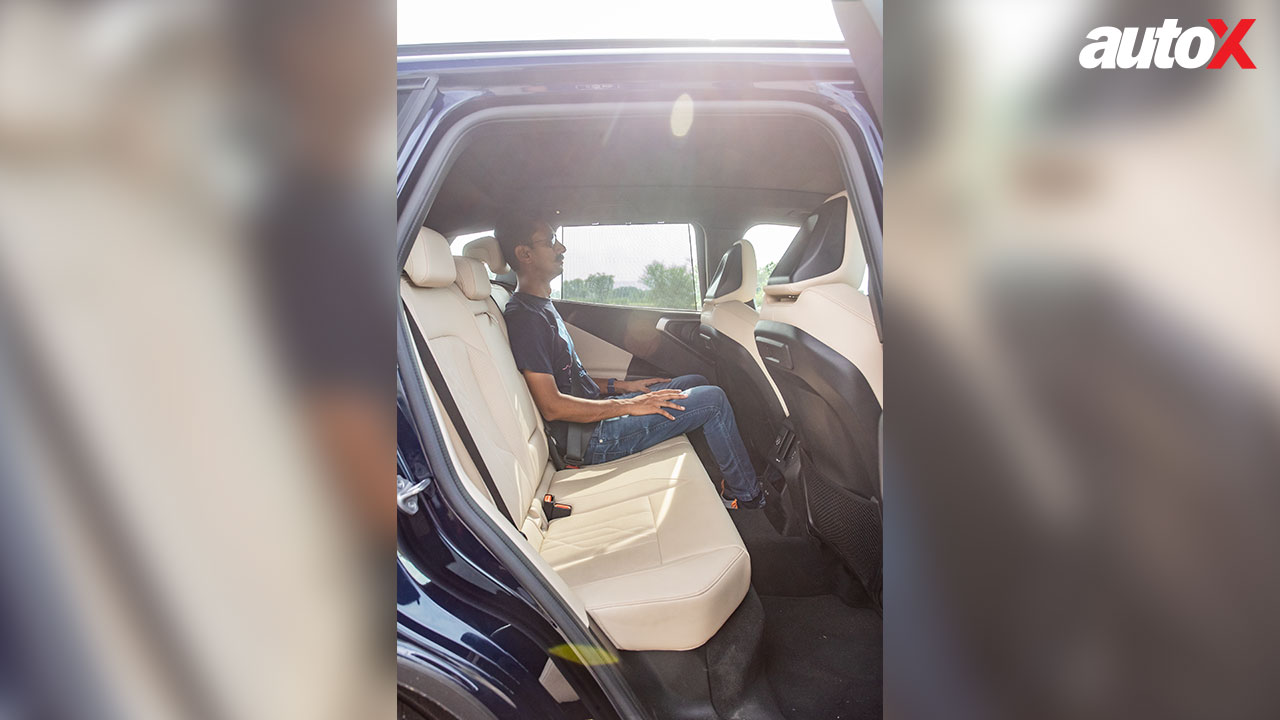
As for the seats, the driving chair is supremely comfortable and features electrically-adjustable side bolsters – a neat, thoughtful touch. At the back, it’s a similar story. The X3, unsurprisingly, is the roomiest, offering the most headroom and legroom. It’s also the only vehicle to get three-zone air-conditioning, meaning the passengers in the back can adjust the temperature to their liking. That said, the seat cushioning is thin compared to the other two, the backrest is quite upright, and the under-thigh support could be better. Surprisingly, the rear seats can’t be folded electrically.
The GLC matches the BMW pound-for-pound in this department. At the front, it doesn’t initially feel as spacious as the BMW – thanks to its all-black interior and massive centre console – but the overall comfort and space levels are as good, if not better. Compared to the BMW, the GLC’s front seats offer more than just ventilation – they also get a seat massager. And I must say that its 15-speaker Burmester 3D sound system betters the BMW’s Harman Kardon and Lexus’ Mark Levinson.
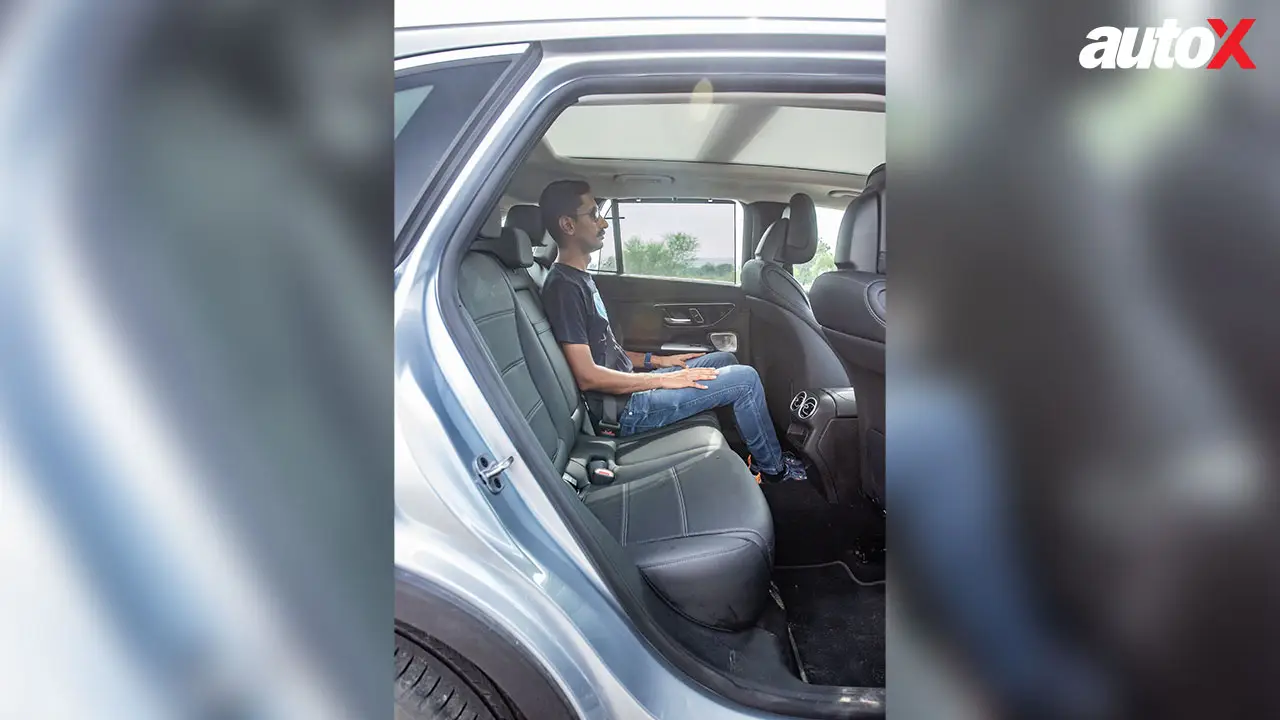
At the back, the GLC wins some and loses some compared to the BMW. The seats are more accommodating, and the kneeroom is noticeably better. However, it also has the tallest transmission tunnel here, and since it only offers dual-zone air-conditioning, there is no way to control temperature settings from the rear seat. The under-thigh support here is more or less the same, but the legroom is slightly compromised by the front seat rails – you have to squeeze your feet under the front seat to stretch out. The seat cushioning is a bit too firm as well, especially around the lower back area. On the plus side, the boot space is cavernous (620 litres) compared to the BMW (570 litres), and the GLC’s rear seats can be folded down electrically.
Where the GLC falls behind the X3 is in terms of overall ride comfort and NVH levels. The engine refinement is great, but you do hear some of those ‘sporty’ noises sneaking into the cabin. Personally, I enjoy it, but not sure if business owners or startup founders will appreciate it the same way. Let’s just say that despite being a petrol, it’s noticeably louder inside than the X3. The ride is also a bit firm – on rough patches, it tends to get slightly bouncy at low speeds compared to the BMW’s relatively flatter, more settled ride.
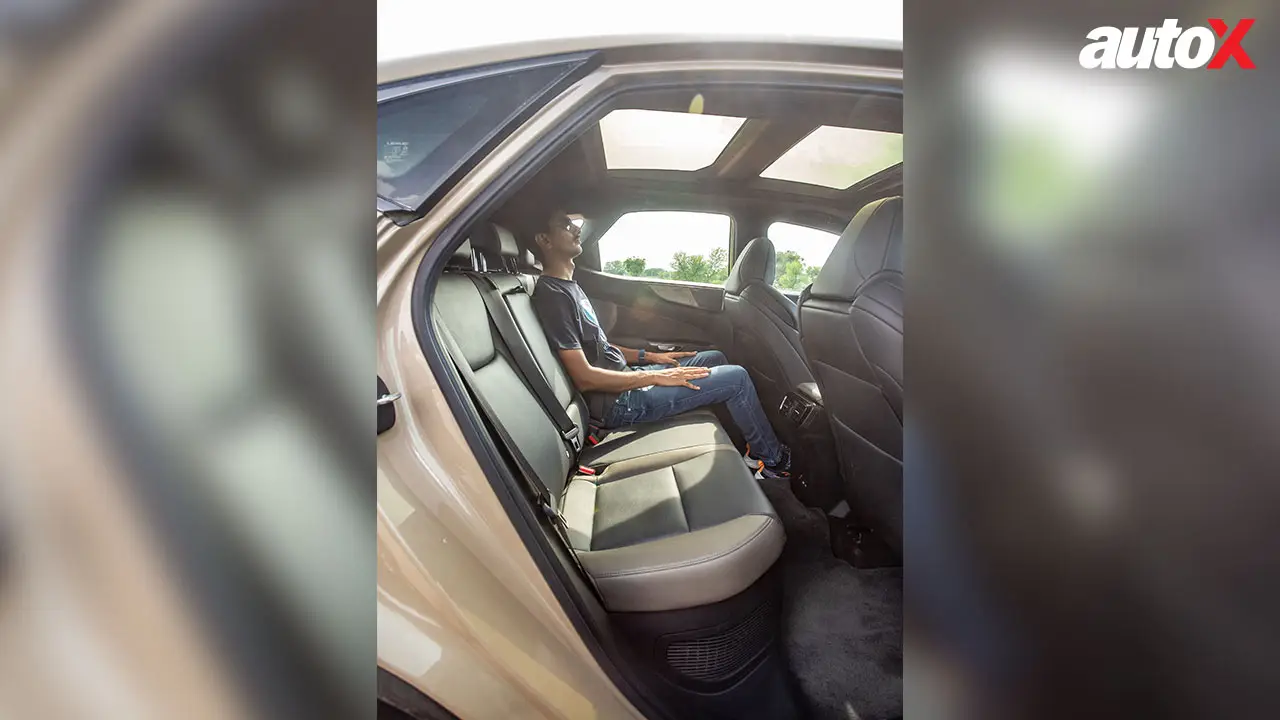
Then there’s the Lexus. It’s the most compact SUV of the three, and that’s obvious once you step inside. The ingress and egress are tighter, the front seats are narrow, and overall, it feels somewhat dated. That said, the front seats feel the most accommodating – they quite literally hug and cocoon you. There’s no seat massager, but you do get ventilation and even a heated steering wheel. It also comes with something called an ‘e-latch’ system that makes opening and closing the doors easier.
At the back, the NX feels noticeably constricted– it offers the least headroom and legroom of the three, and its all-black interior might also trigger an episode of claustrophobia for some. Even though its transmission tunnel is the lowest here, the NX’s back bench is strictly suited for two passengers. Although I must say that much like its front seats, its rear seats are also supremely comfortable and most welcoming to all body shapes and sizes. The under-thigh support is substantially better than the other two. You don’t get window blinds, which are available with the BMW and Merc. The Lexus has the smallest boot (520 litres) of the three, but its rear seats can be both folded down and deployed up electrically, which is a huge convenience.
Where the Lexus struggles is in overall refinement levels. Its hybrid drivetrain is the noisiest of the bunch, and there’s no escaping the drone of the eCVT either. Sure, at low speeds and in EV-only mode, it’s eerily quiet, but that doesn’t last for long. Sooner or later, the petrol engine has to chime in, and when it does, there’s a sudden and significant jump in noise levels. This is further accentuated by its ride. While the ride is generally absorbent, you can always sense and hear the suspension doing its job. It’s not a comfortable feeling, especially in this company.
Lastly, let’s touch upon the interior fit-and-finish of all the contenders here. This is where the BMW takes a solid beating! While its cabin design is the most stylish and contemporary, the choice of materials doesn’t do justice to its price-tag. The vegan knitted-dash and the hard plastics on the lower dash, and door panels stick out like a sore thumb. In comparison, the Mercedes’ fit-and-finish is remarkable – the quality of materials is top-notch, the soft-touch dash and stitching look classy and it oozes quality. The design is a bit busy and tacky, though, with all those pinstripes and excessive use of aluminium inserts. The Lexus, on the other hand, sits between the Merc and BMW in terms of its cabin quality. It has a lot of plastics as well, but they at least don’t look and feel as flimsy as the ones in the BMW.
Features & Equipment: Tech Talk
Tech and luxury are like inseparable twins in the automotive world these days. As a consequence of this, all three SUVs here pack big screens along with the latest gadgets and gizmos on the inside and out. But the question is, which one has the most useable set of features?
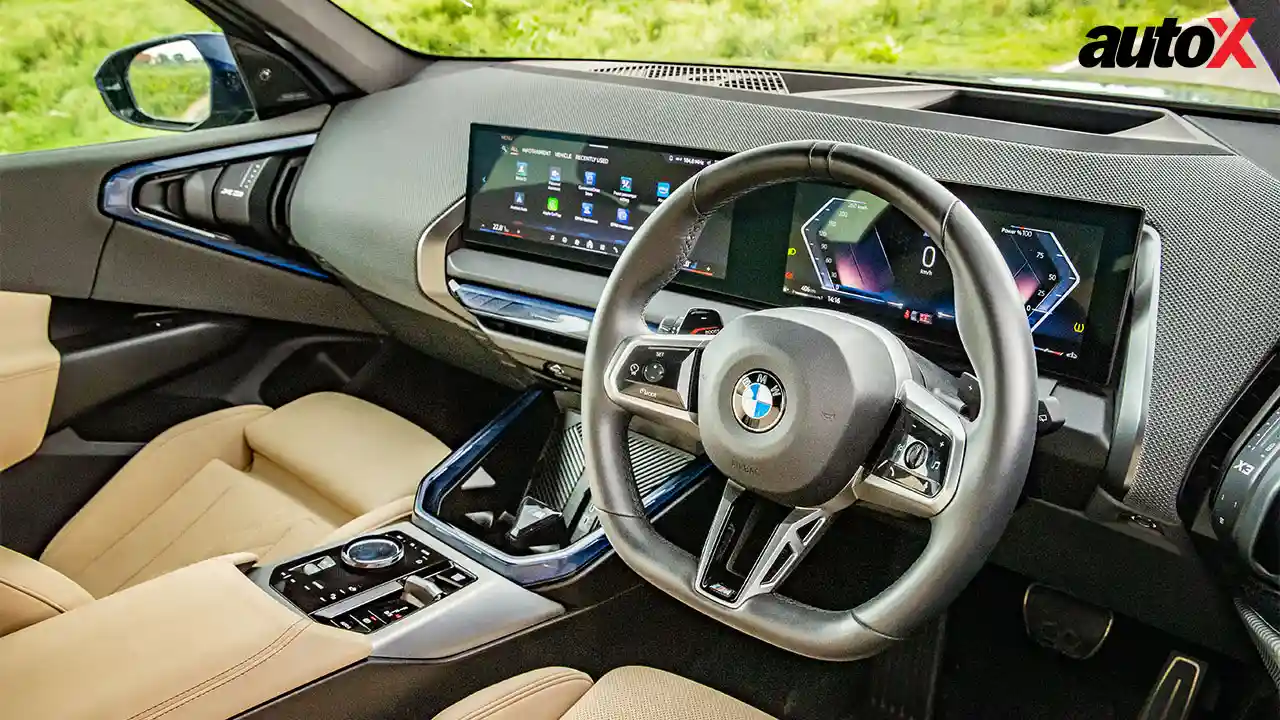
The X3 is decently kitted out with all the modern bells & whistles. You get BMW’s signature Curved HD display comprising a 14.9-inch touchscreen & a 12.3-inch driver display. As you’d expect, it’s a crisp display, running on latest iDrive OS9. Wireless Apple CarPlay and Android Auto are available, although we did face connectivity issues with multiple devices during the test. The menus on the screen are easy to navigate through, but there are just one too many icons. Plus most of the functions including the blower speed settings can be accessed only from the screen. The concealed air vents may look aesthetic but complicate basic functionality. There are large ‘X3’ panels with haptic control for side vents and while they look cool, they are gimmicky to use. Surprisingly, the steering column cannot be adjusted electrically, which both the GLC and NX have. There’s a 360-degree camera and it works brilliantly. It packs ADAS features, including lane change assist, adaptive cruise control, and forward collision warning. The party piece of the X3 is its crystal-cut ambient lighting setup that runs across the width of the dashboard. It adds a touch of cool to the cabin, and the integration is quite neat.
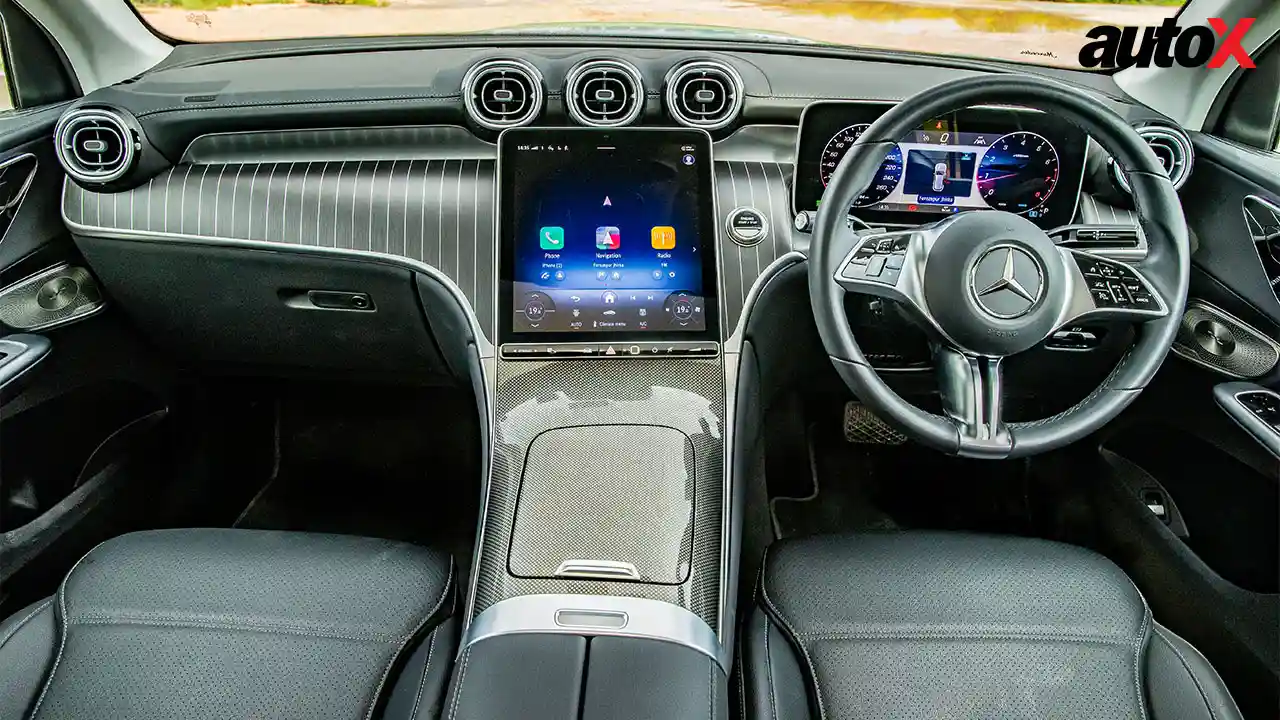
The GLC’s cabin features Mercedes’ latest MBUX system, which features two screens – a 11.9-inch portrait-style touchscreen and a 12.3-inch driver display. The screens are as good as the BMW’s if not more – and the UI is equally complicated, it goes without saying! The screen is tilted towards the driver but still feels a little too flat in its orientation, meaning you have to stretch out to access some functions. There’s a 360-degree camera along with a ‘transparent bonnet’ display that showcases the road surface directly under and ahead using the vehicle’s cameras. There are one too many haptic controls on the steering wheel and that’s quite distracting. You do get the ADAS suite, although adaptive cruise control is missing.
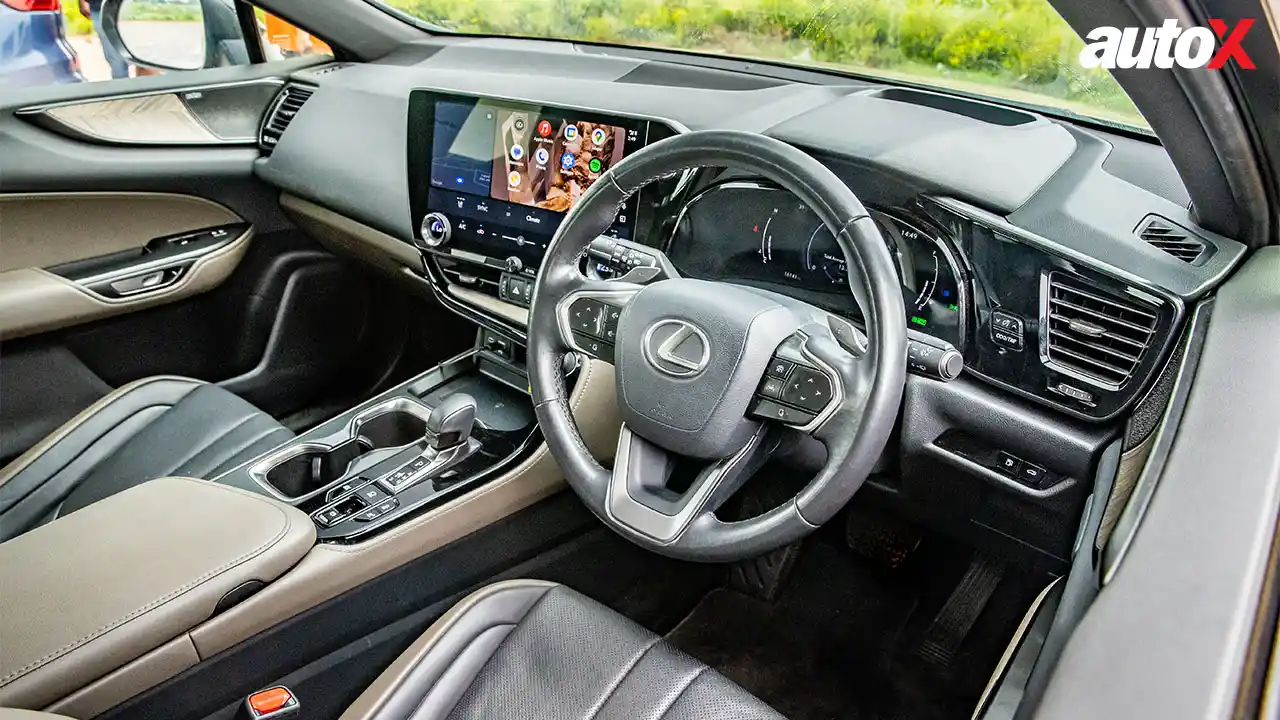
The NX’s cabin is loaded to the gills as well. Its touchscreen, at 14-inch, might be smaller than the BMW’s on paper, but in reality it’s the biggest screen here. It works well, but the UI is unimaginatively complicated – it feels a generation old compared to the Germans. The touch response isn’t as good as the other two systems as well. The most bugging thing though was the lack of wireless connectivity for CarPlay or Android Auto. The Lexus’ ADAS suite has the most features, and there’s a 360-degree camera as well. The camera quality though is not as good as the Germans here.
X-Factor: That X-Tra Something…
You may not like it flashy or over-the-top, but you definitely don’t want be lost in the crowd when you’re driving a one crore SUV. It HAS to stand out in some way or the other. And in this regard, the X3, with its flared nostrils, angry bird face, and illuminated grille, does the job! It’s an instant attention grabber – for all the right and wrong reasons. If you want to make a bold statement, the X3 is it. Period!

If you like to keep a low-profile and prefer understated elegance, the GLC’s soft design will suit your personality to a T. It’s easy on the eyes, the design isn’t shouty and unlike the BMW, this one is all about staying classy. Albeit, that also makes it a bit boring…
The Lexus has a lot more personality than the Merc, especially in its Overtrail derivative. Be it the muddy brown shade, the ‘Spindle’ grille, or the sharp creases on its bodywork, the Lexus draws attention and clearly shows that you don’t want to run-with-the-pack.
Verdict
Let’s start with the Lexus. This segment has always been dominated by the Germans, so the NX 350h has always felt like a rank outsider. Sadly, that theme continues in 2025. While the NX is a tremendous SUV in isolation, it doesn’t quite have the finesse and all-round capabilities of the German duo here. That being said, if peace of mind, efficiency, and reliability are your top priorities and you are ready to compromise on a bit of comfort, performance, and luxury, the Lexus is a great choice.
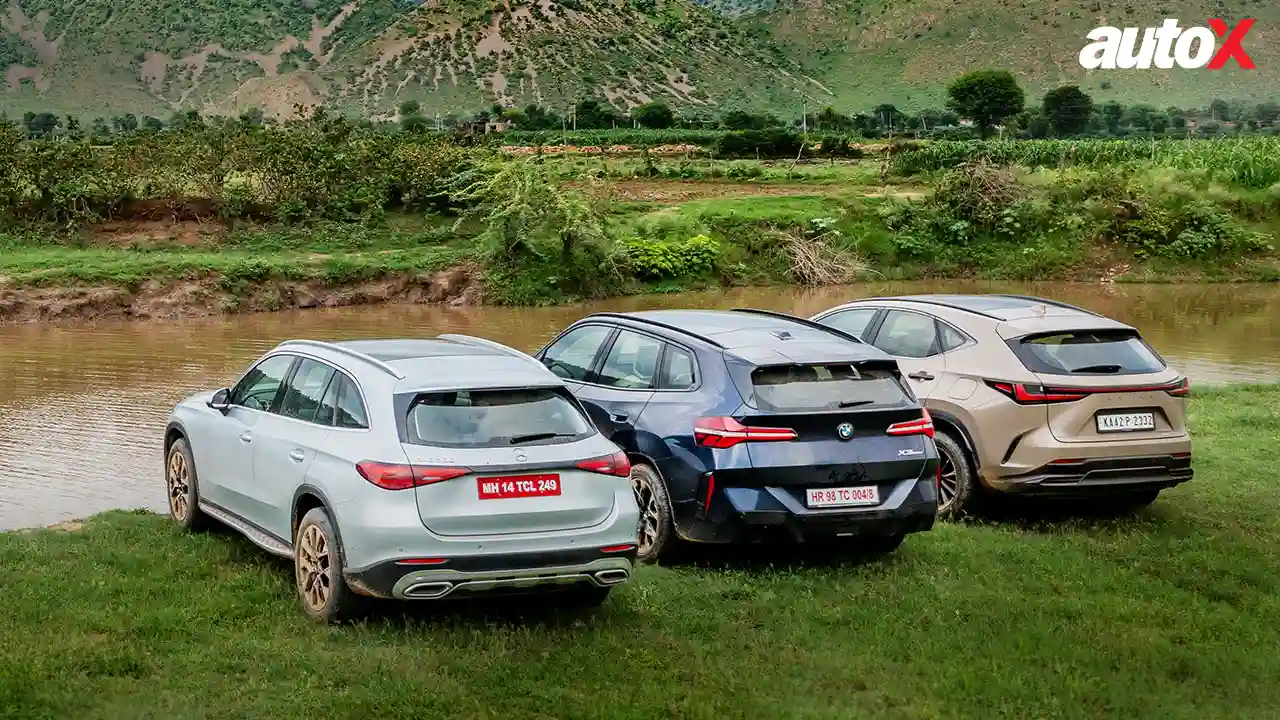
Now, back to the age-old duel – BMW vs Mercedes. Which one wins? It’s not as straightforward as always, but all things considered, my vote goes to the GLC. For a simple reason, it’s the more rounded product in all departments compared to the X3. Make no mistake, the X3 is an impressive proposition nonetheless, but it doesn’t quite have the measure of the GLC in terms of interior quality, overall comfort, and even driving pleasure. And that driving part, that’s what hurts this BMW the most, I believe. BMW has taken huge strides in making the X3 an all-rounder, but it would have been even better if they had done that without losing its core values – sheer driving pleasure. Until BMW fixes that, the GLC will have the last laugh…
Engine: 1,995cc 4-Cylinder
Transmission: 8-Speed AT AWD
Power: 195bhp
Torque: 400Nm
Fuel: Diesel
Price: ₹77.80 Lakh Ex showroom
X-Factor: In its fourth generation, the X3 has become an all-rounder, prioritising luxury and comfort above everything else.
|
Pros |
Cons |