2026 Skoda Kushaq First Drive Review: Worth a Second Look?
Has Skoda been too conservative with the updates to the Kushaq facelift, or are they just enough to make it an easy recommendation over its competitors?
By Aakash S Paul
Photography By Sunil Chauhan
When it was launched in 2021, the Kushaq immediately gave Skoda Auto a much-needed sales boost. The heavily localised SUV struck the right balance between price, performance and everyday usability, and in doing so provided Skoda with a significant push in the Indian market.
Fast forward to 2026, and the Kushaq finds itself overshadowed by its more affordable sibling, the Kylaq, which offers a similar driving experience at a lower price point. While the Kylaq has been racking up strong numbers, the Kushaq has struggled to keep pace.
The new Kushaq facelift, then, is not merely about freshening things up; it is about staying relevant in an already fiercely competitive segment and helping the Kushaq attract more buyers. So, how effective are the updates that the new Kushaq offers?
2026 Skoda Kushaq Review: Exterior Changes
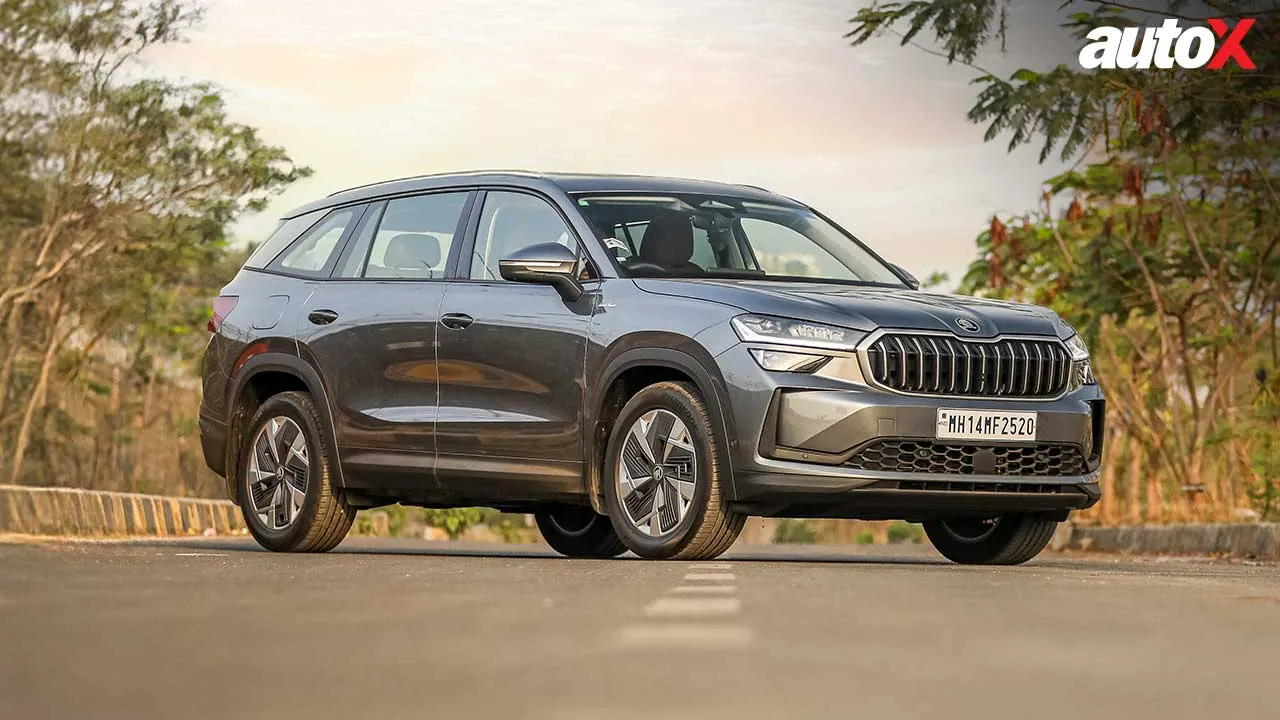
I have always preferred the design of Skoda vehicles over their Volkswagen counterparts; to my eye, they appear more dynamic and engaging. Now, the Kushaq was already a handsome SUV, and this facelift introduces subtle tweaks that make it look more contemporary and interesting.
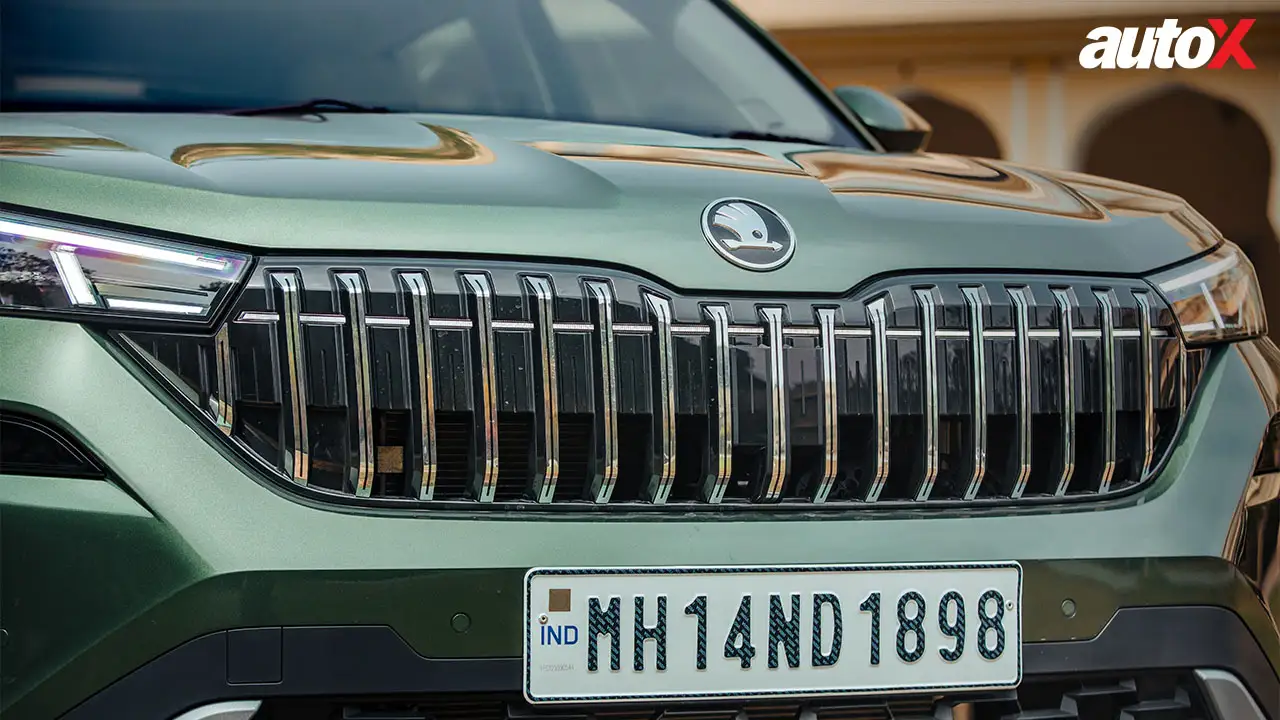
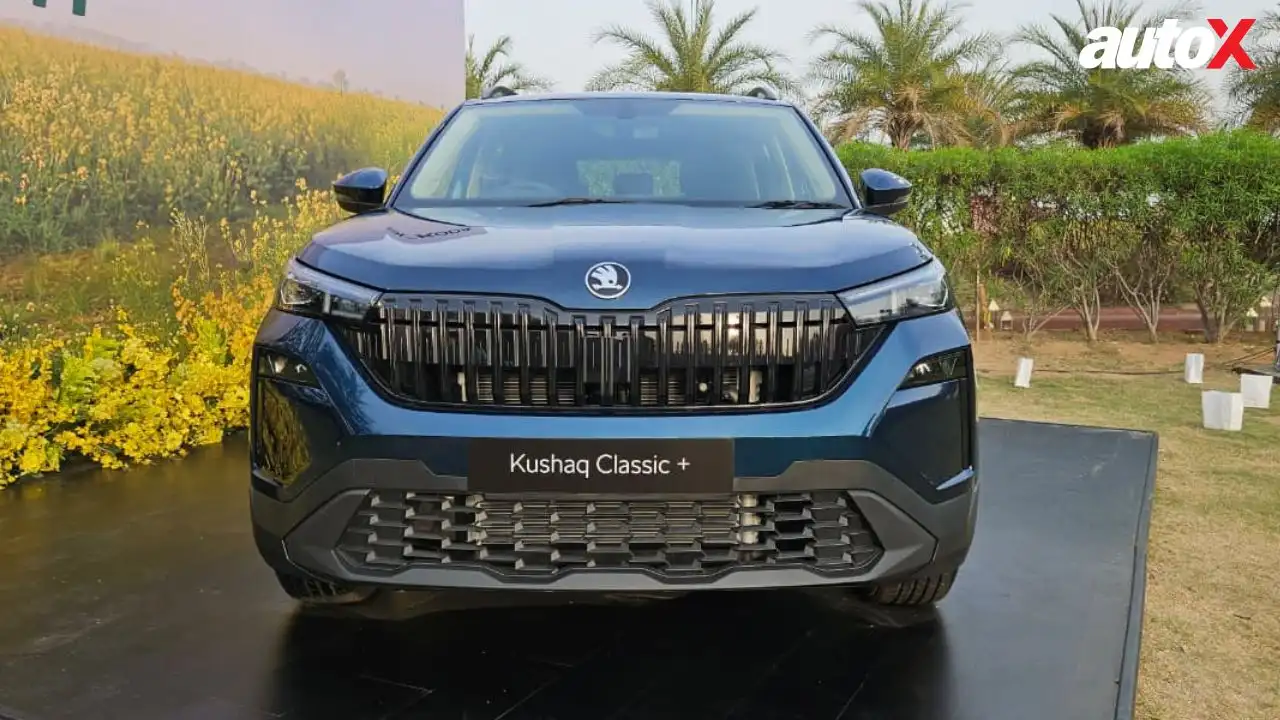
I particularly like the updated grille, which now features a slim light strip running across it. It is designed to appear seamlessly connected to the DRLs within the headlamps at both ends. The removal of the thick border around the grille also contributes to a cleaner, more modern look. Both bumpers have been revised, and although the changes are subtle, they work well.
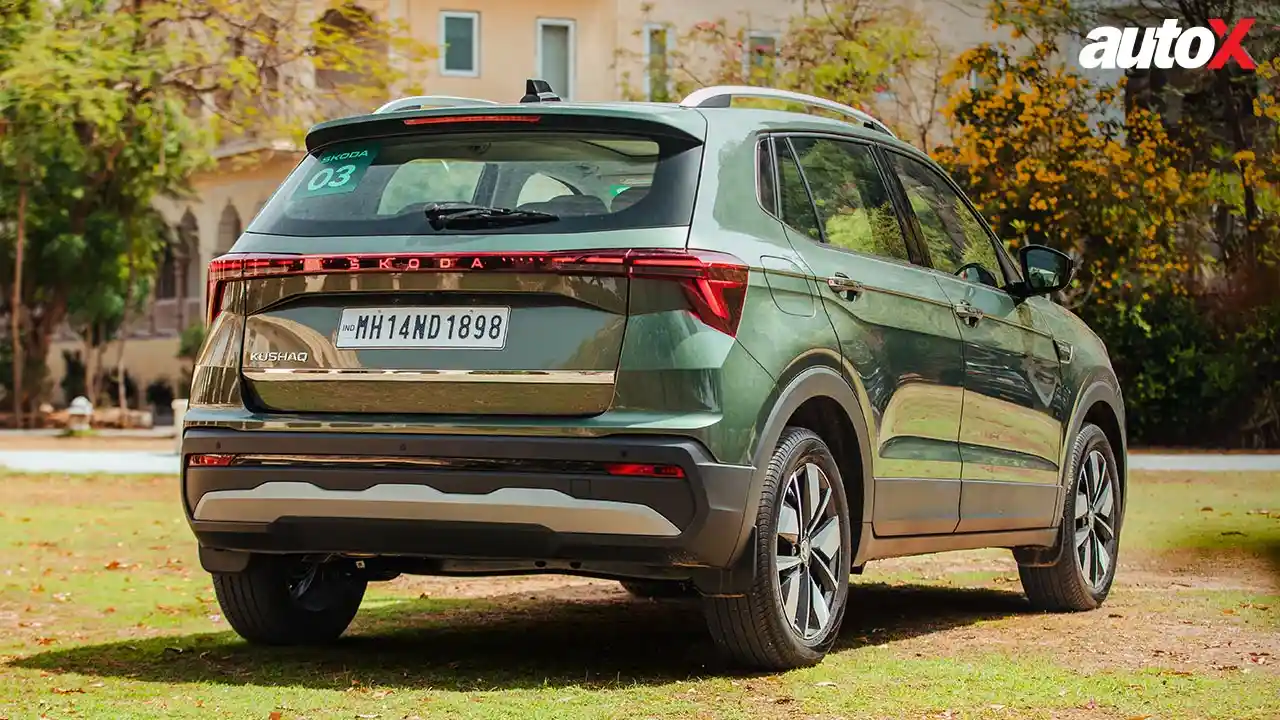
While I am not especially fond of the current trend of connected taillamps that every new vehicle seems to have, I must say that Skoda’s execution of the connected taillights on the Kushaq looks rather good. The integration of the Skoda badge within the light bar, along with the neat detailing on both sides, lends the whole setup a premium touch. You also now get directional turn indicators, which are standard across all variants.
Also Read: Skoda Kushaq Facelift Classic+ Automatic Base Variant Revealed Ahead of Launch
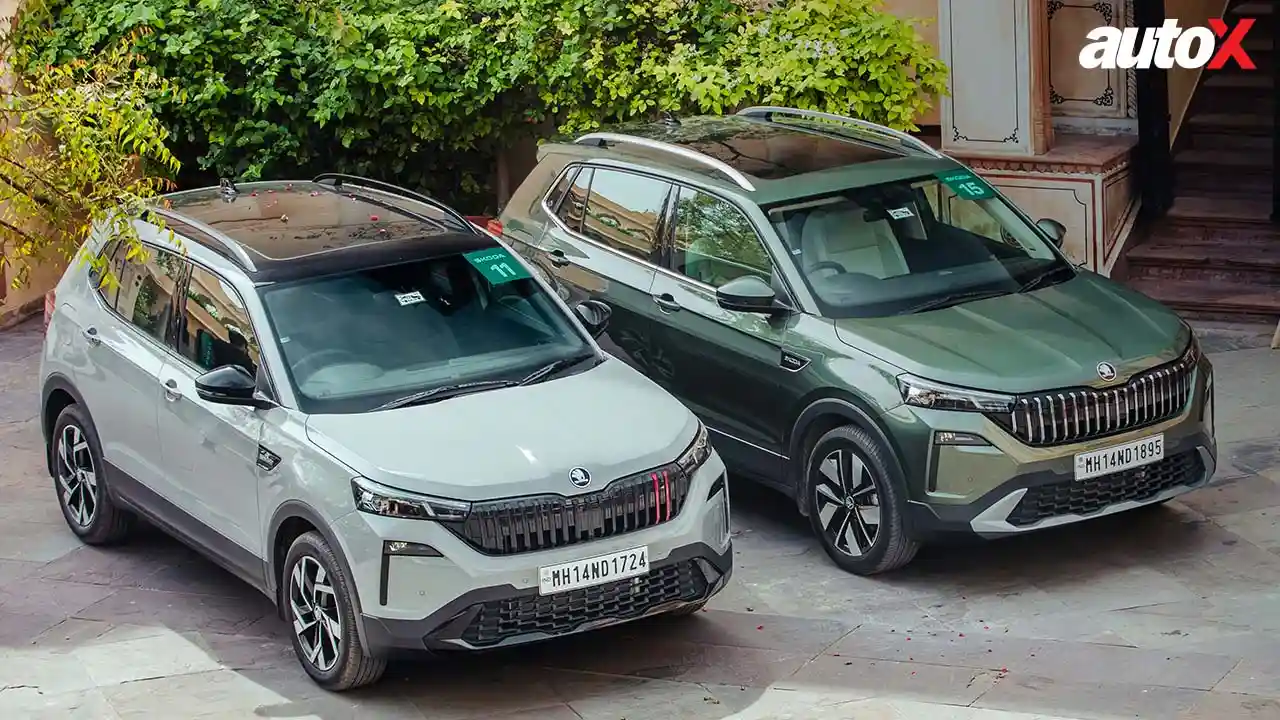
Another welcome addition is the inclusion of alloy wheels as standard. The base variant now gets 16-inch units, while higher trims come equipped with 17-inch alloys. The Monte Carlo version, in particular, stands out with its sportier design. Overall, the Kushaq remains a handsome SUV. The updates subtly elevate its design, giving it a hint of Kodiaq-like presence and making it feel a touch more upmarket.
2026 Skoda Kushaq Review: Interior Equipment Changes
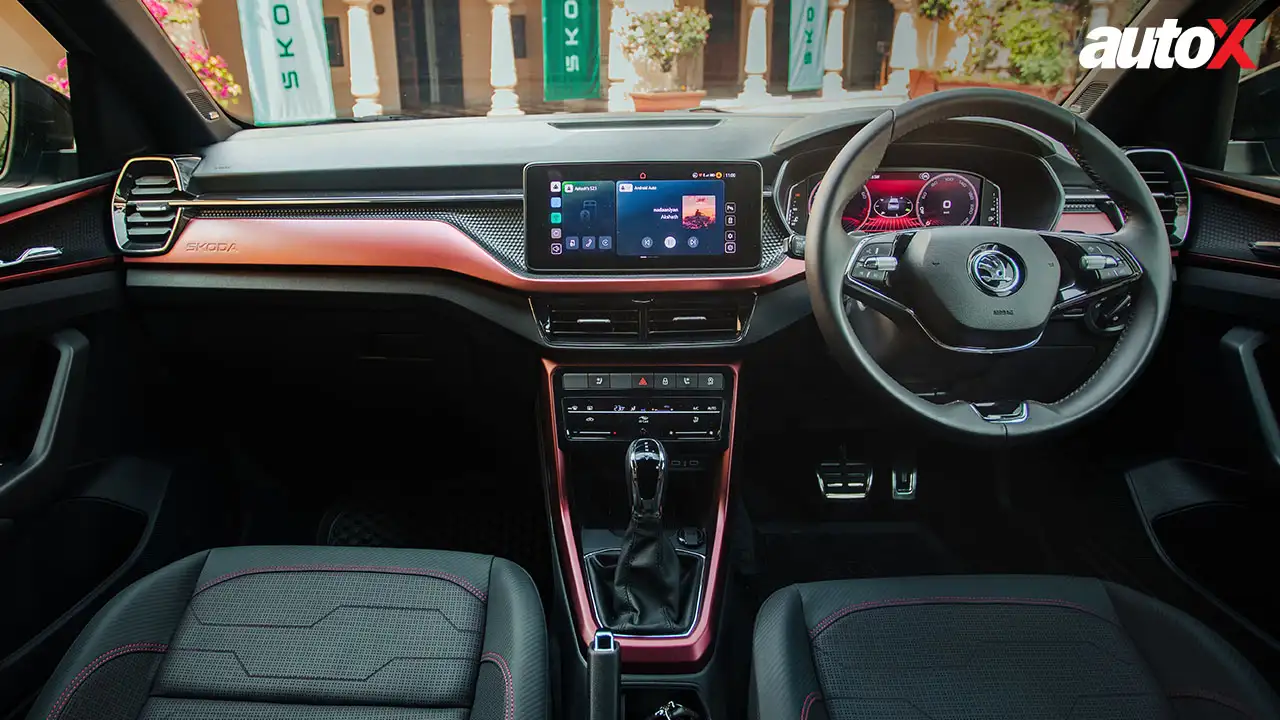
Inside, the updates are rather interesting. The SUV now comes with a panoramic sunroof. In fact, the base variant gets an electronic sunroof, albeit a smaller unit, while the higher trims are equipped with the full-sized version – good news for those who like this feature. I am, however, more impressed by the increase in size elsewhere – the instrument cluster.
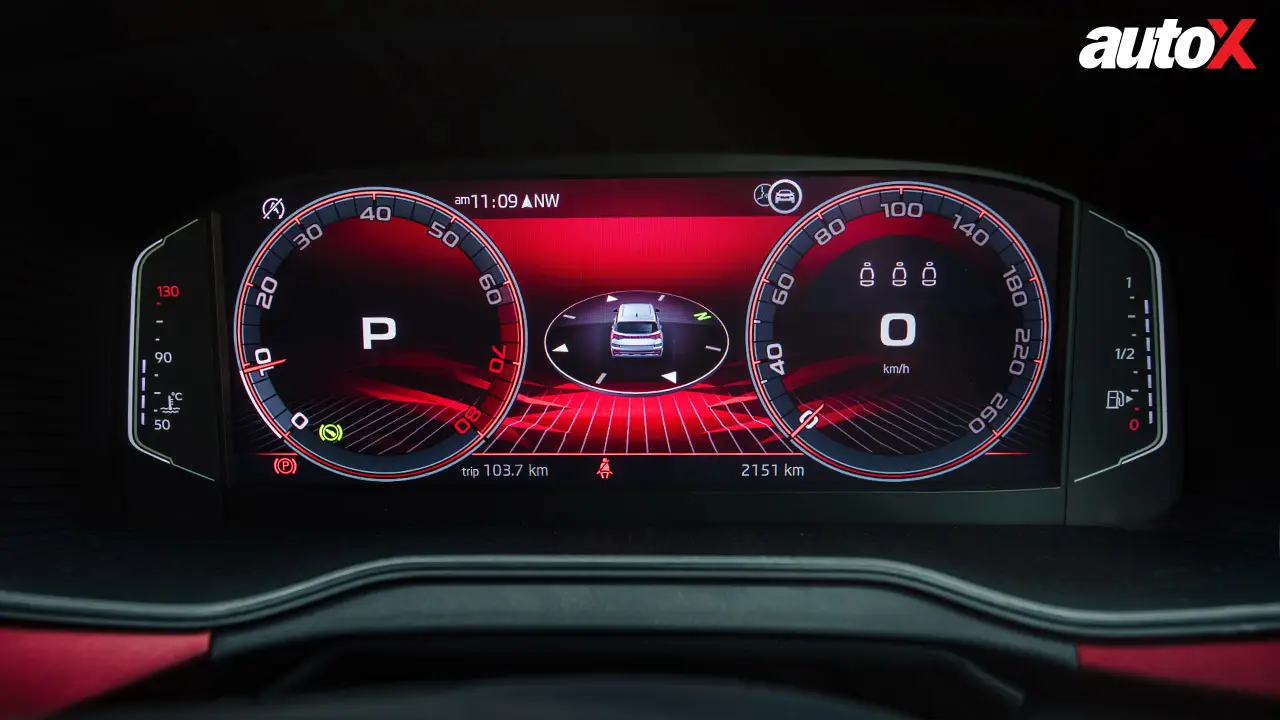
The Kushaq now features a 10.25-inch multi-colour MID with a clean and intuitive user interface. It can even display turn-by-turn navigation. Disappointingly, Skoda has still not equipped the Kushaq with a 360-degree camera, which feels like a significant omission. It does, however, have a front parking sensor. The rear camera's quality has not improved.
Move to the second row, and you will find that the seats now come with a massage function that actually works quite well. I was impressed by its effectiveness, although I think Skoda might have been better off offering seat ventilation for the second row instead. There are no sunshades here either.
2026 Skoda Kushaq Review: Driving Experience
Mechanically, the Kushaq remains unchanged, with the same 1.0-litre and 1.5-litre engines continuing to do duty. The gearbox options, however, have been revised. The 1.5-litre Kushaq is now offered exclusively with a 7-speed DCT across the range. It is a shame to see the manual discontinued, though it is understandable given the strong preference for automatics. The smaller engine continues with a 6-speed manual, but the earlier 6-speed torque-converter automatic has now been replaced by an 8-speed unit. Crucially, this new automatic is available right from the base Classic+ variant, which is a sensible move.
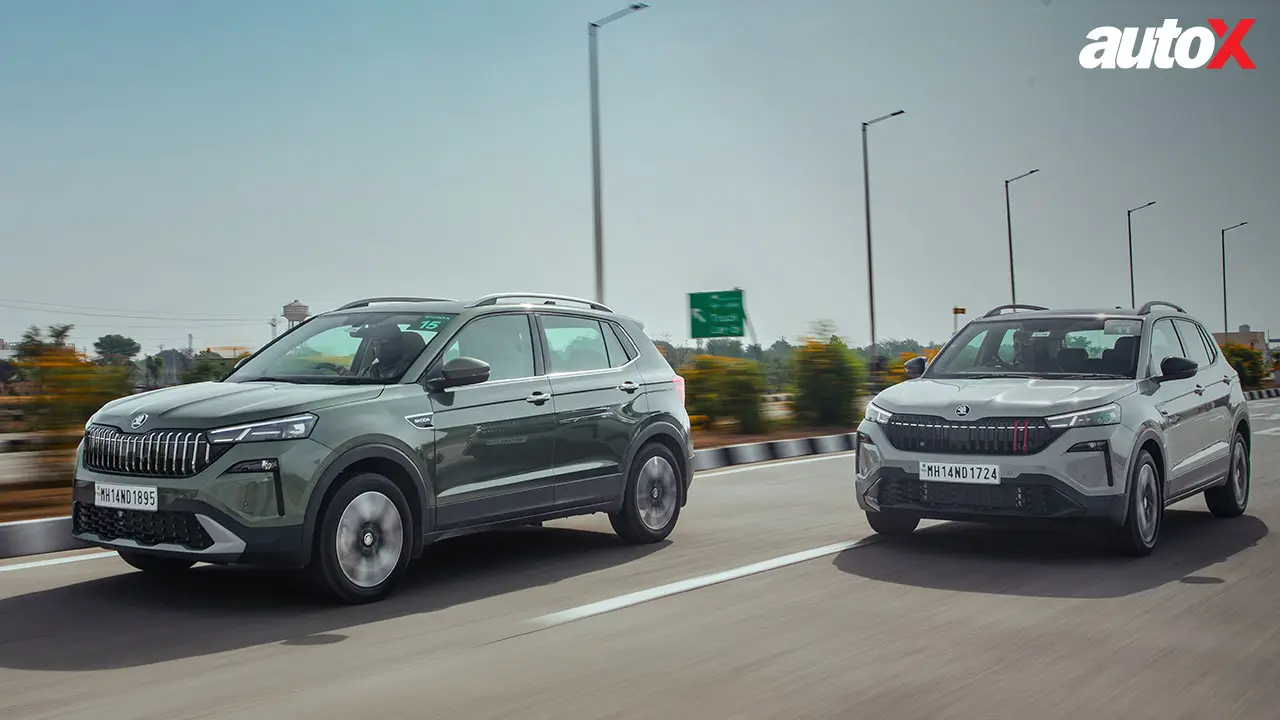
Out on the road, the new 8-speed gearbox doesn’t feel dramatically different from the older unit, but there are some improvements. The engine feels smoother while cruising, with minimal vibrations and very little noise filtering into the cabin. At around 80 km/h, the drivetrain feels slightly more relaxed. You can also shift gears manually, and the jump from sixth to seventh drops engine speeds from around 2,000 rpm to roughly 1,500 rpm. The additional gears also contribute to a marginal improvement in fuel efficiency – it’s now rated at 19.09 km/l, compared to 18.09 km/l earlier. The new gearbox somewhat masks the initial lag in the lower rev range, although you still feel head-nods as power surges abruptly with rising revs. Gearshifts aren’t significantly smoother either. So, while the update does not transform the experience dramatically, it does make it slightly more refined without introducing any notable drawbacks.
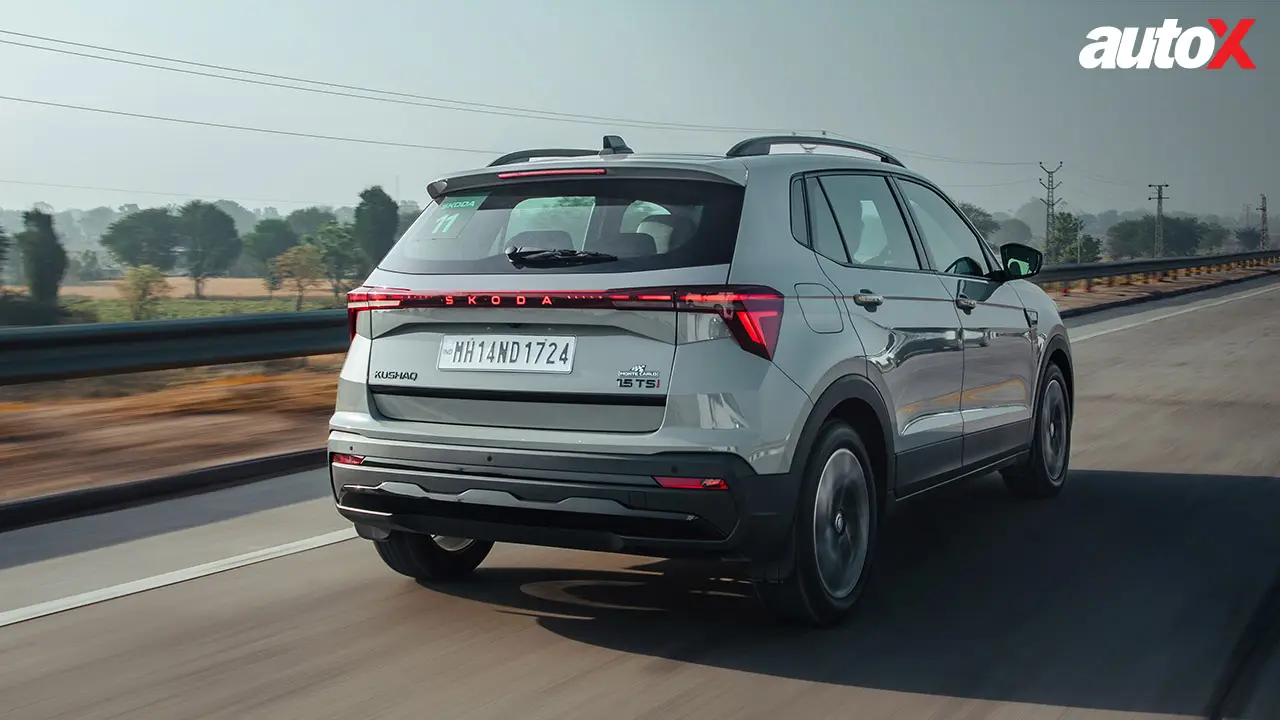
The driving dynamics of the Kushaq remain largely unchanged and continue to be enjoyable. It glides over bumps and inspires confidence through corners, thanks to a competent chassis and a well-sorted suspension setup. The steering could do with more feedback at higher speeds, but it remains light and easy to use in the city. The addition of rear disc brakes on the 1.5-litre variant is a welcome upgrade, offering greater confidence and better bite during braking. While not essential, the option of ADAS in the higher trims would have helped it compete more effectively with rivals in the segment.
2026 Skoda Kushaq Review: Verdict
This facelift does not bring a radical overhaul to the Kushaq package, but it does equip it with a few additional tools to better tackle the competition. That said, it still feels lacking in terms of outright feature count when compared with some rivals. While many modern features can be dismissed as gimmicks, some are genuinely useful, and their absence here is noticeable. The core strengths of the SUV – solid driving dynamics, a comfortable ride, and strong engine options – remain intact, while the updates add just enough polish to keep it relevant.
Also Read: Renault Duster Hybrid Version Sold Out for 2026; Bookings Closed Temporarily
The starting price of the Kushaq has not changed significantly, with the 1.0-litre manual priced at Rs 10.61 lakh. However, the Kushaq 1.5 feels somewhat expensive. It's available in two trims – Prestige and Monte Carlo – priced at Rs 18.79 lakh and Rs 18.99 lakh, respectively (all prices ex-showroom).
What works in the Kushaq’s favour is the improved value proposition at the lower end of the range. Much like the Kylaq, it now offers more features in its entry-level trims, making it accessible to a broader set of buyers. For those who appreciate what the Kylaq offers but need more space, the Kushaq presents itself as a sensible step up.
Engine: 999cc, 3-Cylinder
Transmission: 6-speed MT / 8-Speed AT
Power: 114bhp
Torque: 178Nm
Fuel: Turbo-petrol
Price: Rs 17.59 lakh (ex-showroom)
X-Factor: An SUV with a striking design and even sharper handling, now enhanced with more features.
|
Pros |
Cons |

-1774949027373.webp "Skoda Peaq Electric SUV, Based on Vision 7S Concept, to Offer Over 600 km Range")