2026 Tata Punch Facelift First Drive Review – Counter Punch
The Punch is back in the ring with renewed bravado and a stronger arsenal, but can it finally deliver the knockout blow?
By Aakash S Paul

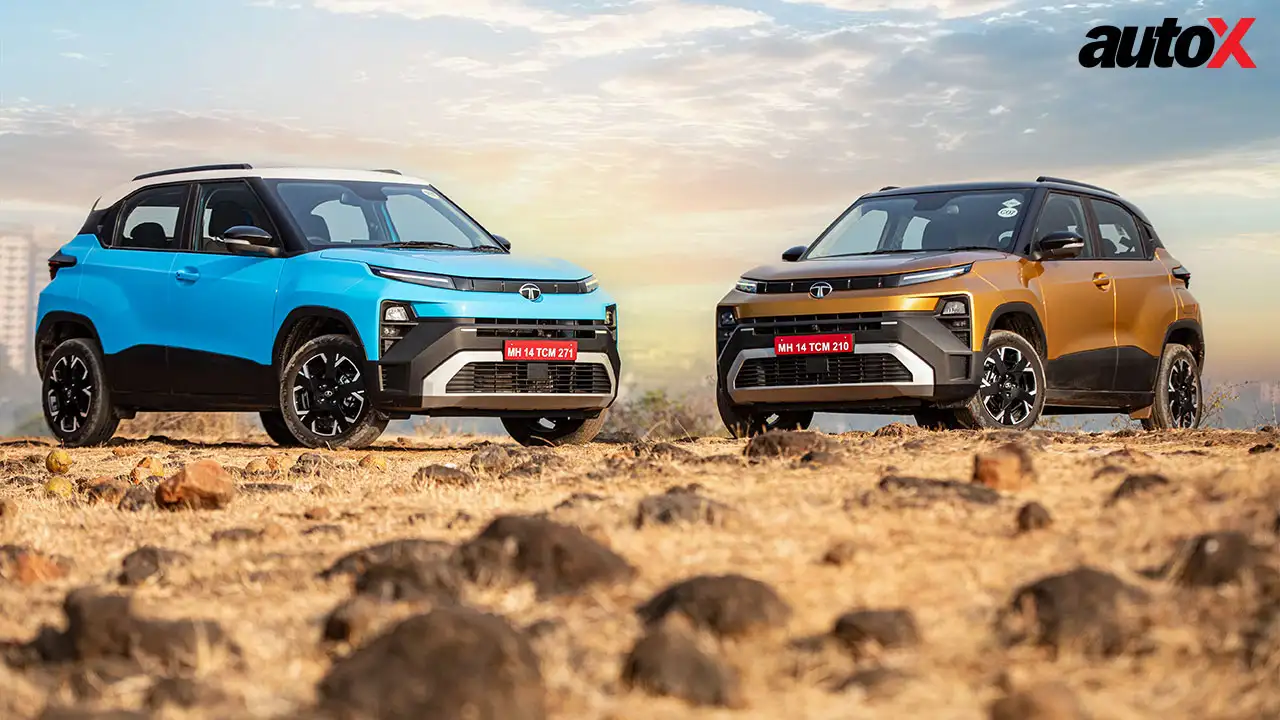
The Punch has been a strong performer for Tata Motors. This sub-compact SUV topped the sales charts in 2024, dethroning the long-reigning titans from Maruti Suzuki. Since then, however, sales figures for the Punch have dropped, prompting Tata to respond with a facelift. And that is how we got the new Punch. Crucially, it now comes with a more powerful engine option. The question, then, is simple: has Tata finally turned the Punch into a truly formidable performer?
2026 Tata Punch Facelift Design and Interior Updates
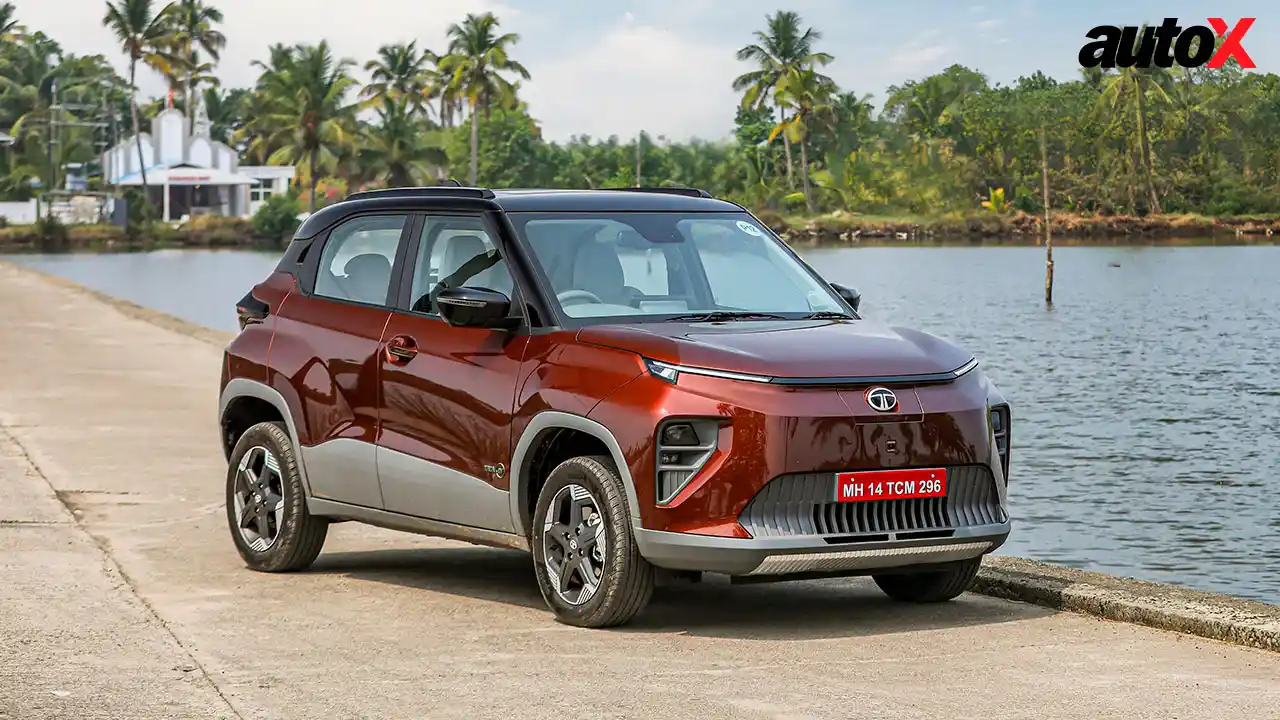
In typical facelift fashion, the Punch’s exterior has not changed dramatically but has been subtly tweaked. The grille between the DRLs is slimmer, and the LED headlamp clusters are more compact.
-1768297849232.webp)
Together, these changes give the front end a more EV-like appearance. Smarter-looking 16-inch alloys enhance the side profile, and I am glad Tata has retained the high-mounted rear door handles, as they preserve the Punch’s distinctive character.
Like almost every new car today, the Punch now features connected taillamps. While the light bar looks contemporary and smart, it also robs the car of some of the individuality that defined the older design.
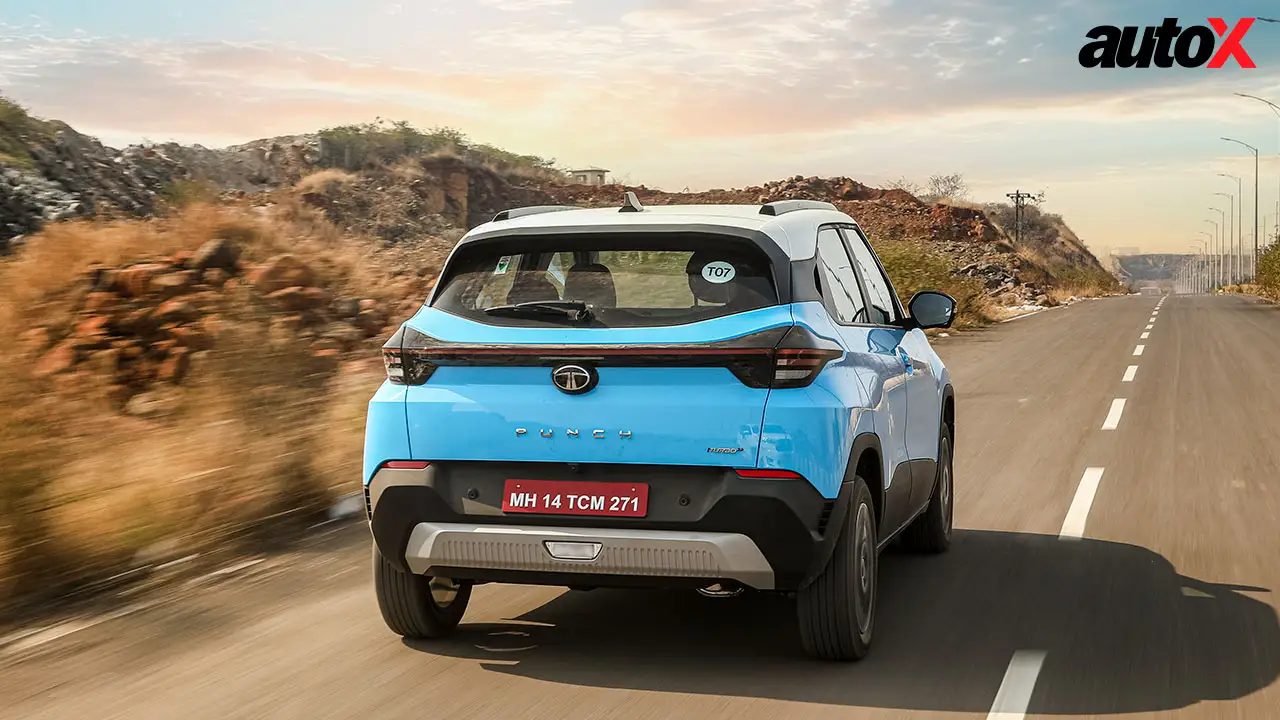
Overall, the Punch still comes across as a smart and well-proportioned SUV, even if the rear now looks more generic.
The most noticeable visual change in the cabin is the new dual-tone seat upholstery, which lends the cabin a more spacious feel. The dashboard has a clean, uncluttered layout, and the seats now have improved under-thigh support – a genuinely welcome addition. The new two-spoke, illuminated steering wheel, also seen in other Tata models, looks futuristic, but has a glossy black finish in the middle that is a fingerprint magnet.
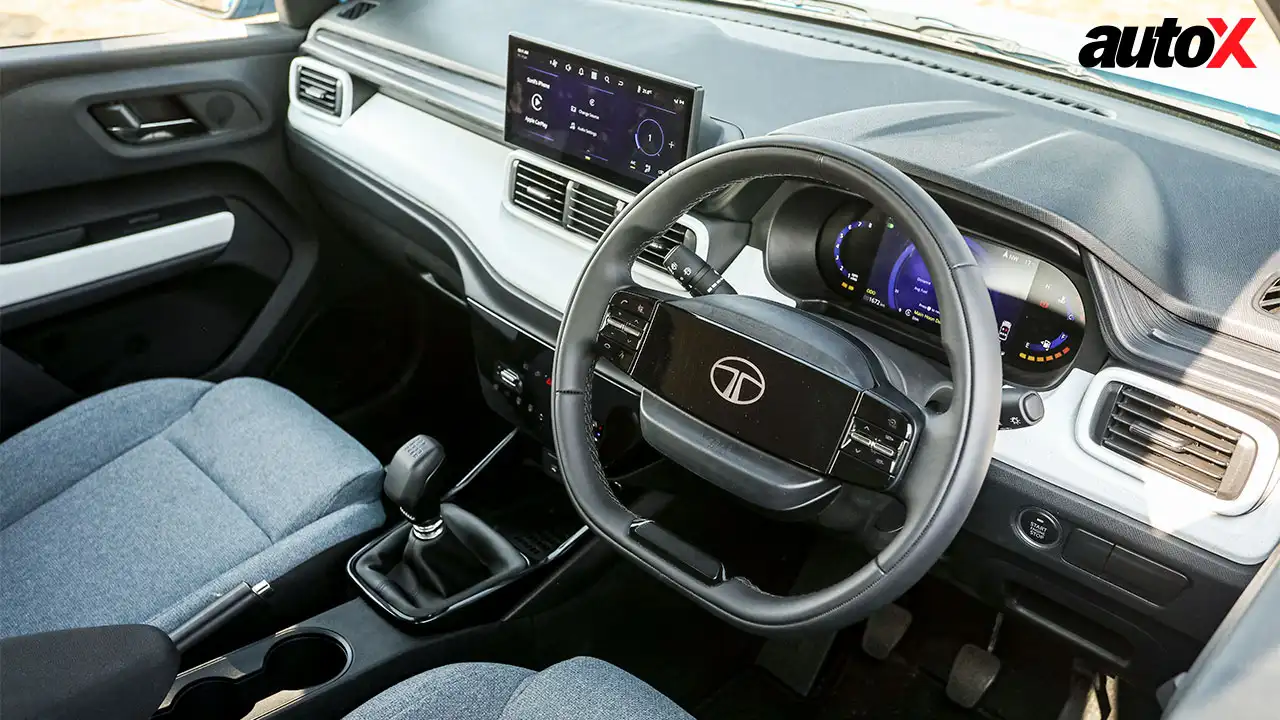
The same finish appears on the panel housing the new touch-based AC controls. Another new addition to this facelift is the 360-degree camera. The quality of the feed is average at best, but that’s not a big issue, given the segment the Punch sits in. I have mixed feelings about the 7-inch digital MID, too. While it displays a wealth of information, the user interface feels underdeveloped and somewhat amateurish.
The space in the second row remains largely unchanged. However, rear-seat passengers now benefit from the added under-thigh support, and Tata has finally included a three-point seatbelt for the middle occupant.
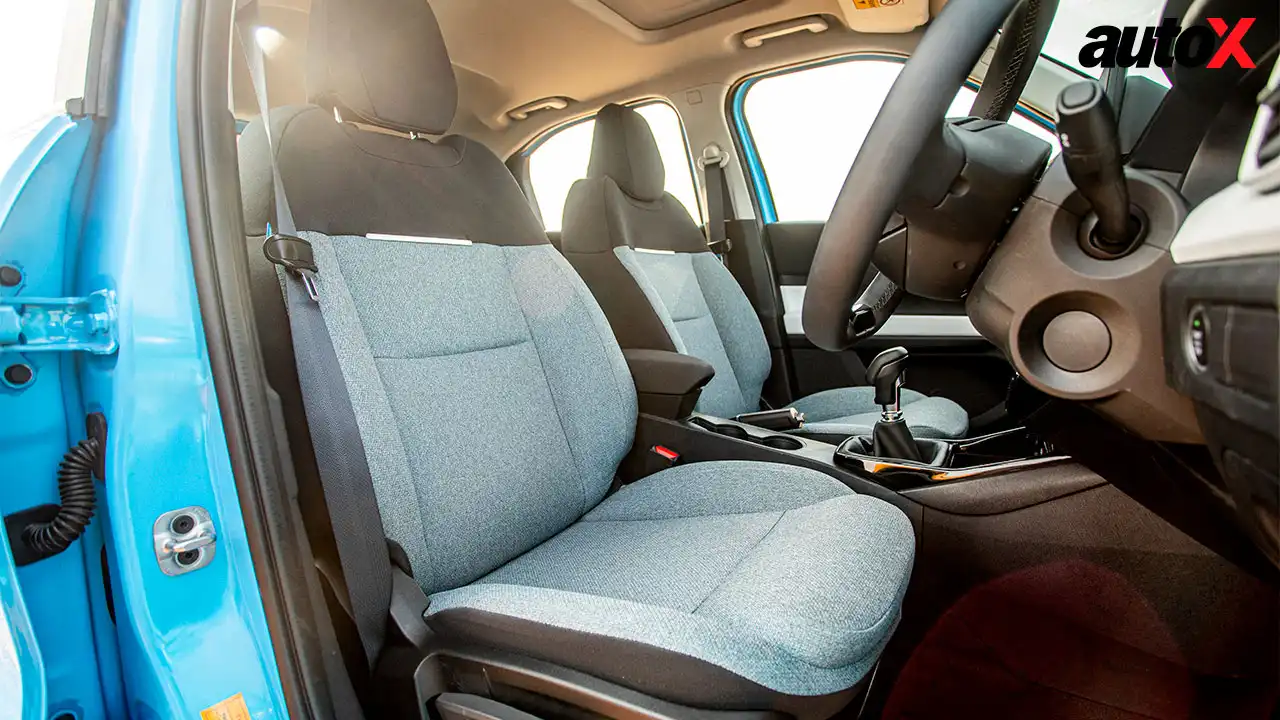
Unfortunately, there is no rear-seat load sensor, so you have to keep the seatbelts fastened even when no one is sitting there, or the warning chime will kick in.
2026 Tata Punch Turbo and CNG-AMT Performance Review
I had the opportunity to sample both the new 1.2-litre turbo-petrol engine and the CNG variant paired with the new AMT gearbox. The turbo-petrol engine left me genuinely impressed by just how potent it is. It accelerates with far greater urgency, cruises more comfortably at highway speeds, and makes overtaking significantly easier.
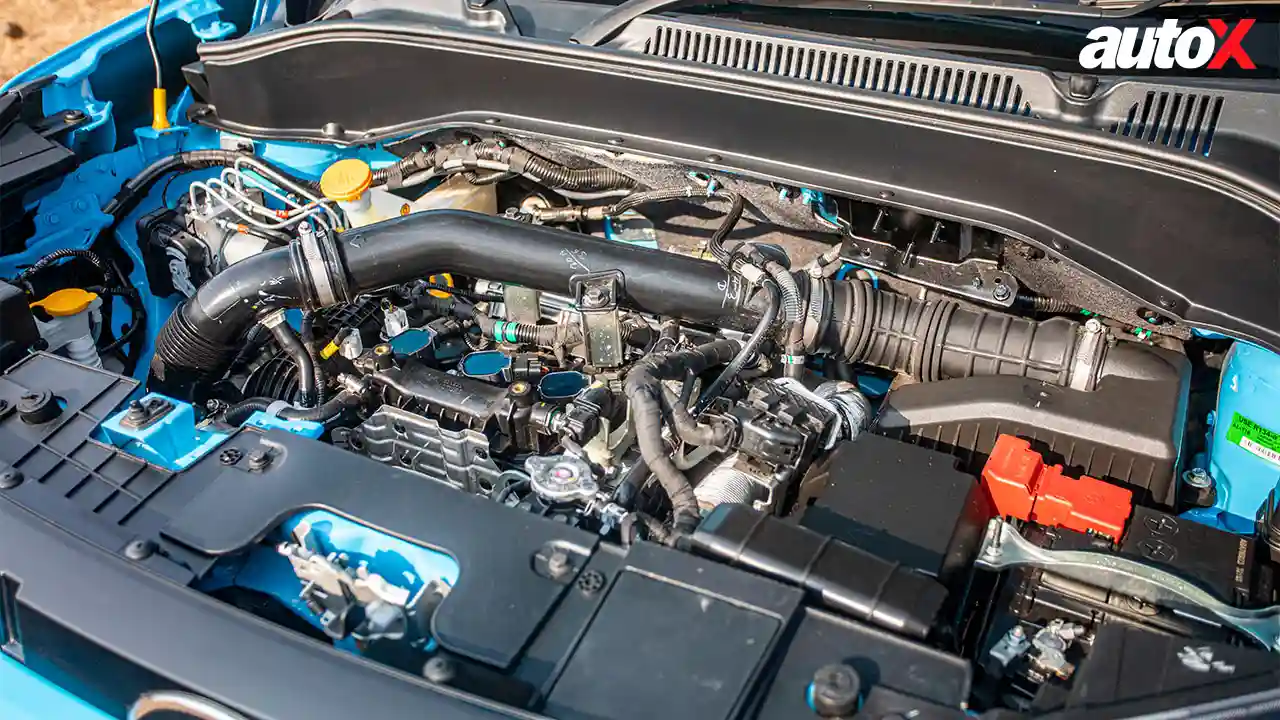
Combined with the Punch’s inherently good ride quality and responsive dynamics, the added performance makes it far more enjoyable to drive. Yes, the manual gearbox is slightly notchy, and the clutch lacks progressive feel; however, when driving enthusiastically, these things simply fade into the background. However, the engine is gruff and noticeably noisy.
The CNG-AMT combination is far more relaxed and noticeably slower. In CNG mode, acceleration is gentle to begin with, and the AMT takes its own sweet time to shift gears.
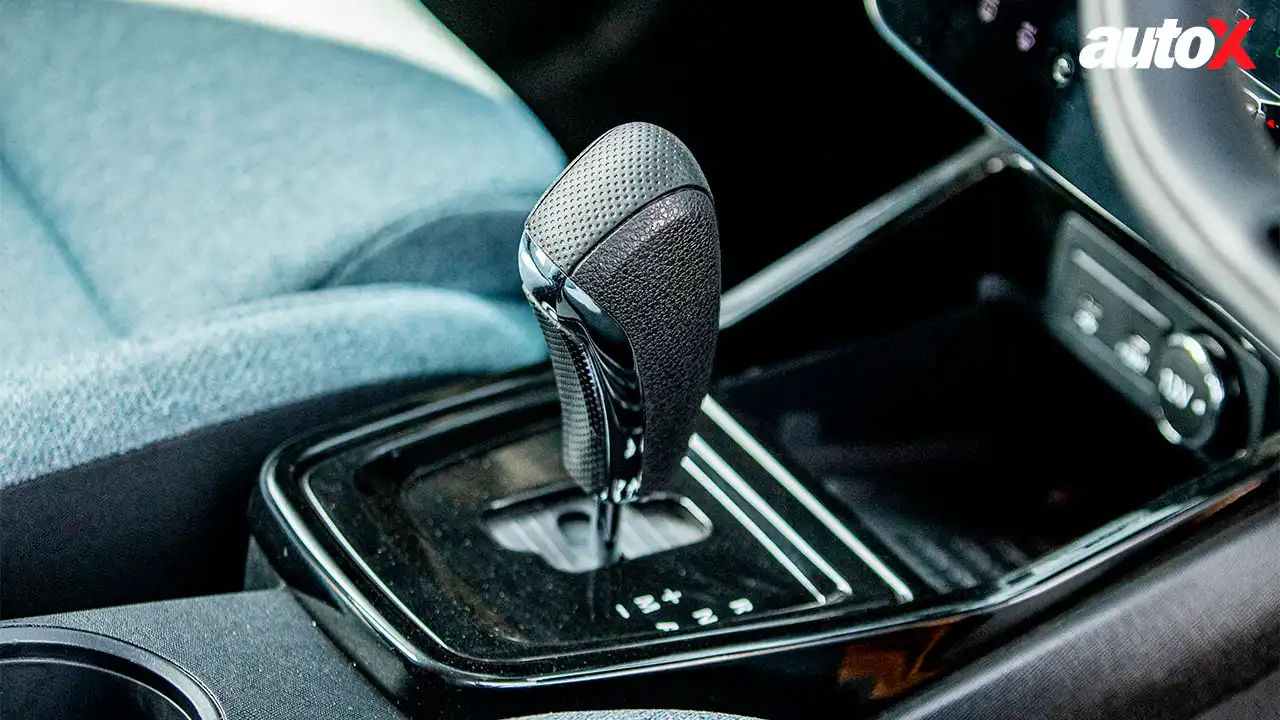
This configuration is clearly designed for convenience rather than outright performance. To that end, I do see the appeal of the CNG-AMT version of the Punch – it offers excellent fuel efficiency and the ease of an automatic.
2026 Tata Punch Facelift Verdict: Is It Worth Buying?
It is fair to say that, barring the addition of the new turbo-petrol engine, most of the changes to the Punch are incremental. The turbo motor undoubtedly adds a new layer of excitement, but the overall experience would have been better if Tata had also addressed refinement. The introduction of an AMT with the CNG variant, however, is a smart move, significantly broadening the Punch’s appeal and giving buyers a more appealing choice. The Punch’s biggest trump card remains its aggressive pricing. Many of its shortcomings are easier to overlook when you consider how competitively priced it is. So, while the updated Punch is not a radical departure from its predecessor, it continues to make a compelling case for itself in the sub-Rs 10 lakh segment.
Engine: 1,199cc 3-Cylinder
Transmission: 6-Speed MT FWD
Power: 118bhp
Torque: 170Nm
Fuel: Petrol
Price: Rs 9.99 lakh, ex-showroom
X-Factor: A pocket-friendly SUV with plenty of features and flexibility.
|
Pros |
Cons |