Kia Seltos First Drive Review - Reinventing Success
We drive the all-new Kia Seltos to see if its ground-up overhaul is enough to reclaim benchmark status in a segment that’s fiercer than ever.
By Ishan Raghava
Photography By Kapil Vashist
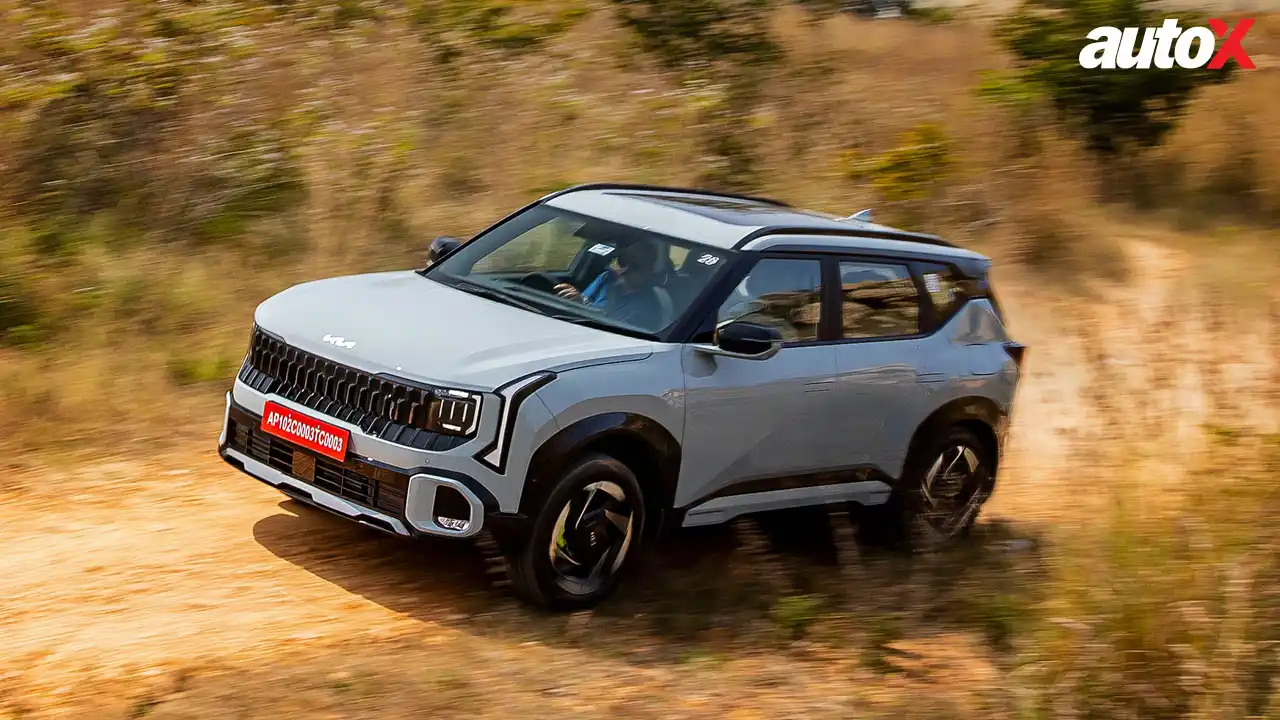
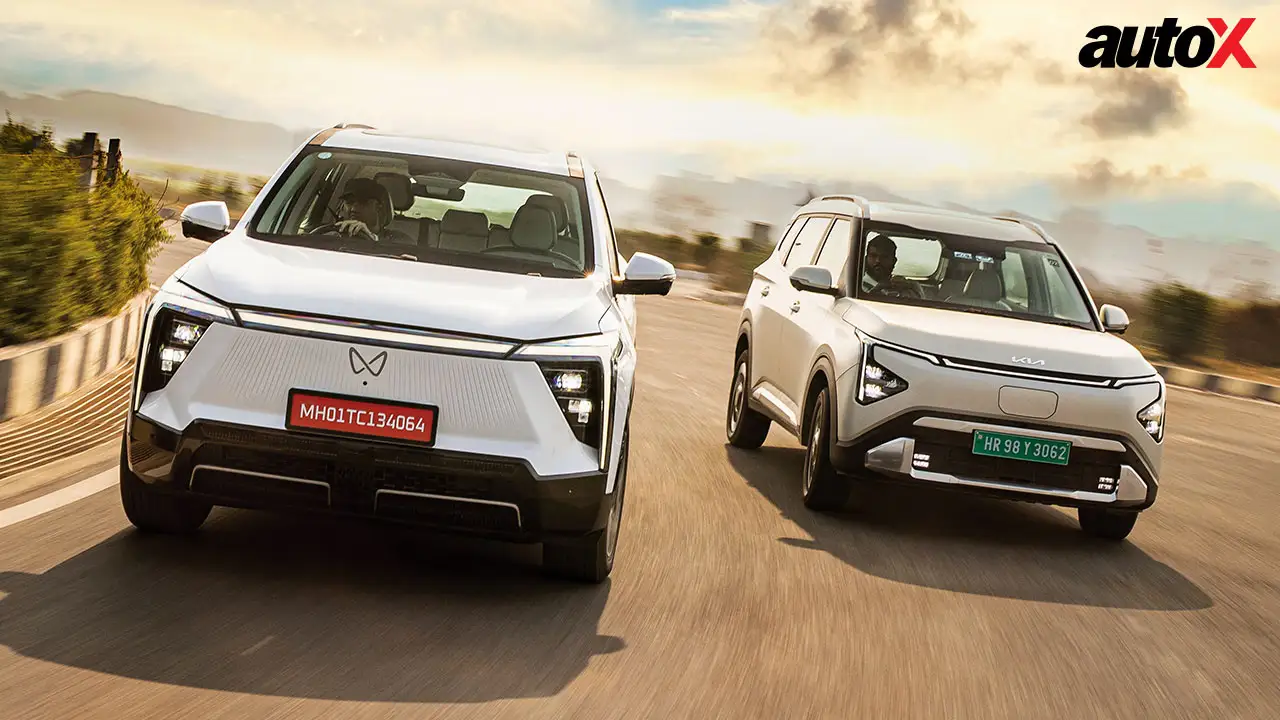
Back in 2019, Kia made its Indian debut with the Seltos – a disruptor designed to take on the segment-defining Hyundai Creta. It succeeded remarkably, clocking over 5.8 lakh units in just over six years. However, the goalposts have moved. The C-segment SUV market has exploded in volume, and the competition has intensified further with the arrival of the Tata Sierra and the impending launch of the Renault Duster. In response, Kia has skipped the facelift route and gone straight for a bold, second-generation overhaul. We headed to Bangalore to see if this new iteration can shift the status quo once again.
New Kia Seltos Platform and Design: Bigger, Stronger, More Muscular
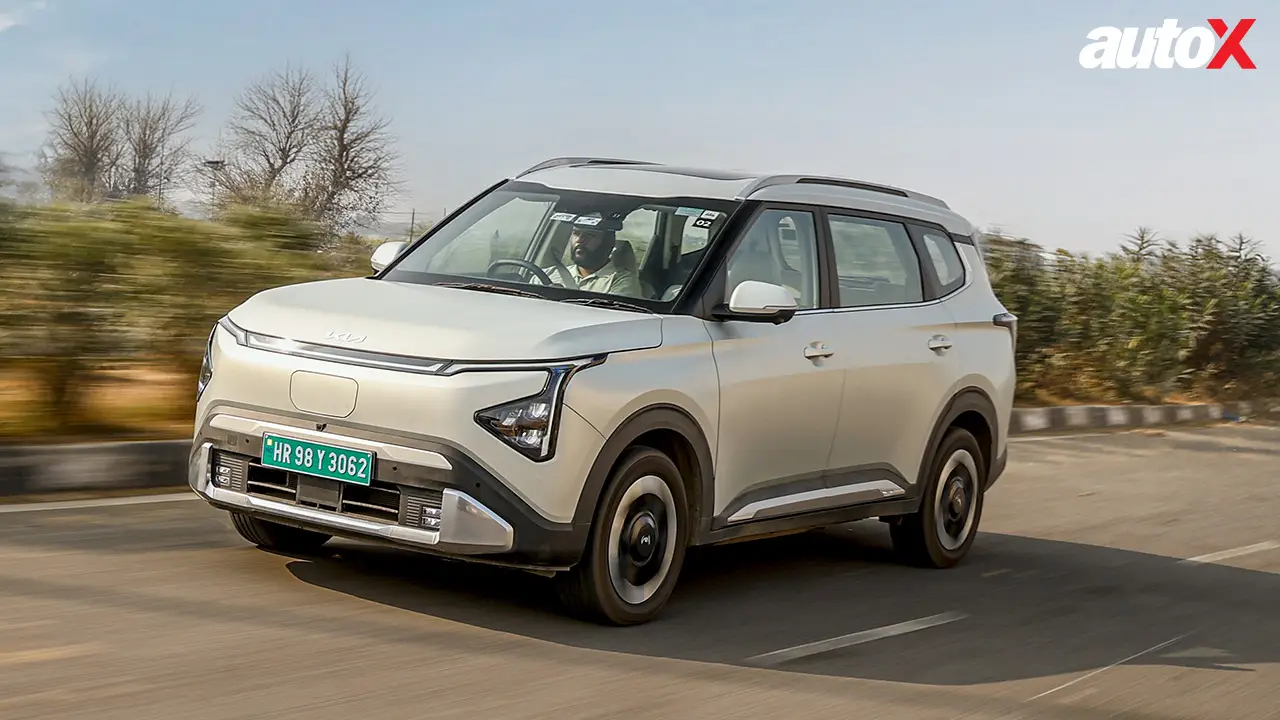
The most significant change lies beneath the skin. This isn’t a mere evolution; it carries over almost nothing from its predecessor. Built on the brand’s global K3 platform, the Seltos has grown by 95mm, stretching to nearly 4,460mm in length. This growth spurt, coupled with a wheelbase extended by 80mm to 2,690mm, gives it a significantly more commanding presence on the tarmac.
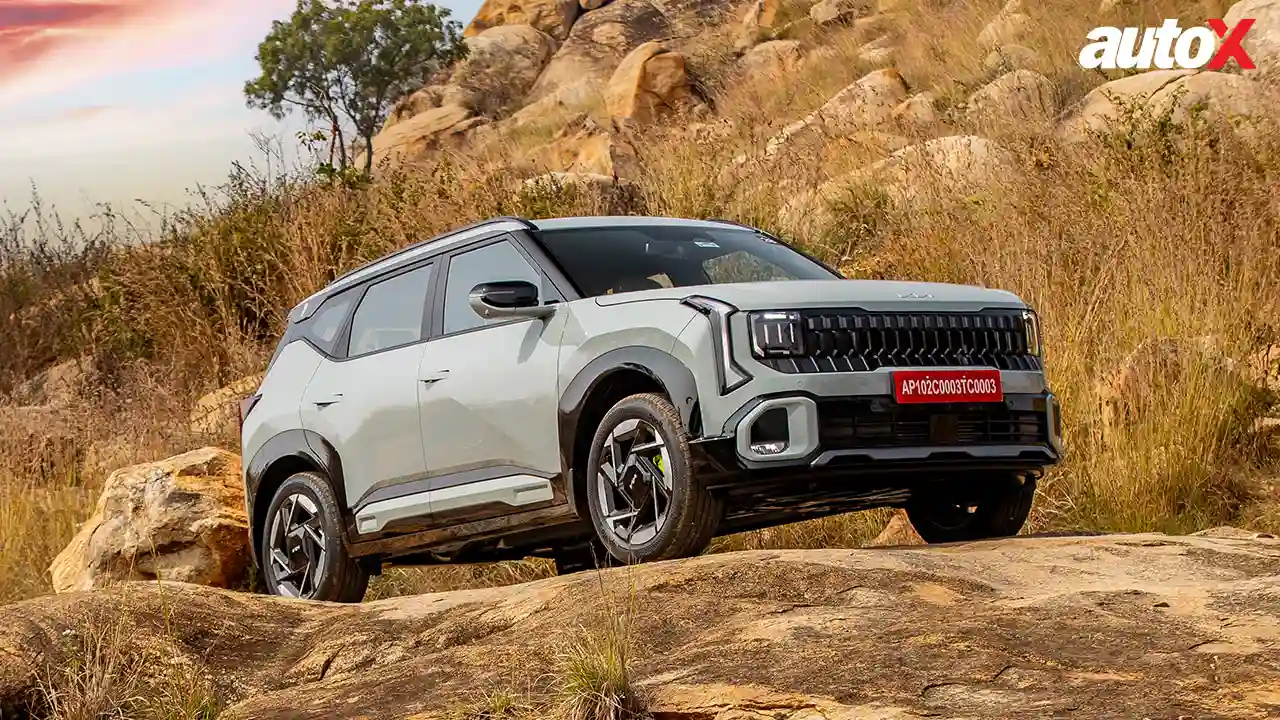
Crucially, the K3 platform brings a stiffer structural frame. According to Kia, the new architecture delivers vastly improved torsional rigidity. This isn’t just a marketing buzzword in this instance; it’s a fundamental shift that improves crash protection - with six airbags now standard across all trims - and provides a more stable foundation for the improved suspension. This structural integrity allows for better weight distribution and lower NVH (Noise, Vibration, and Harshness) levels, which was a point of criticism in the previous generation.
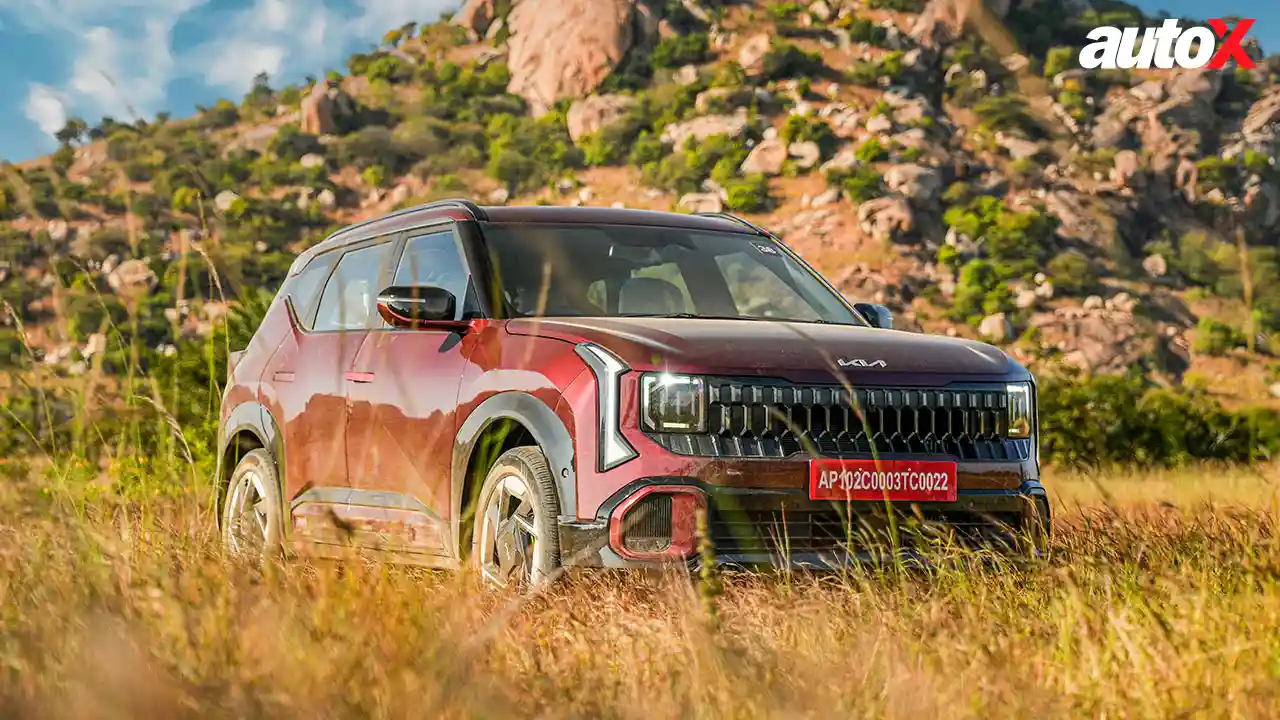
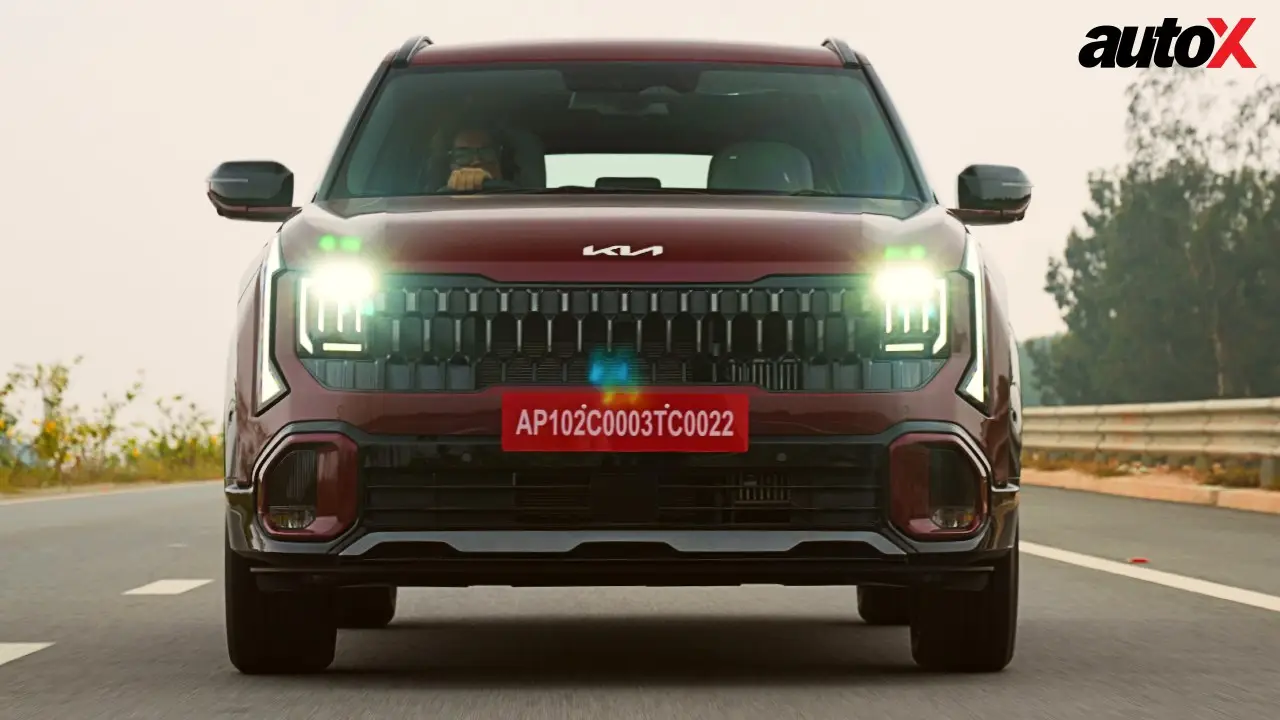
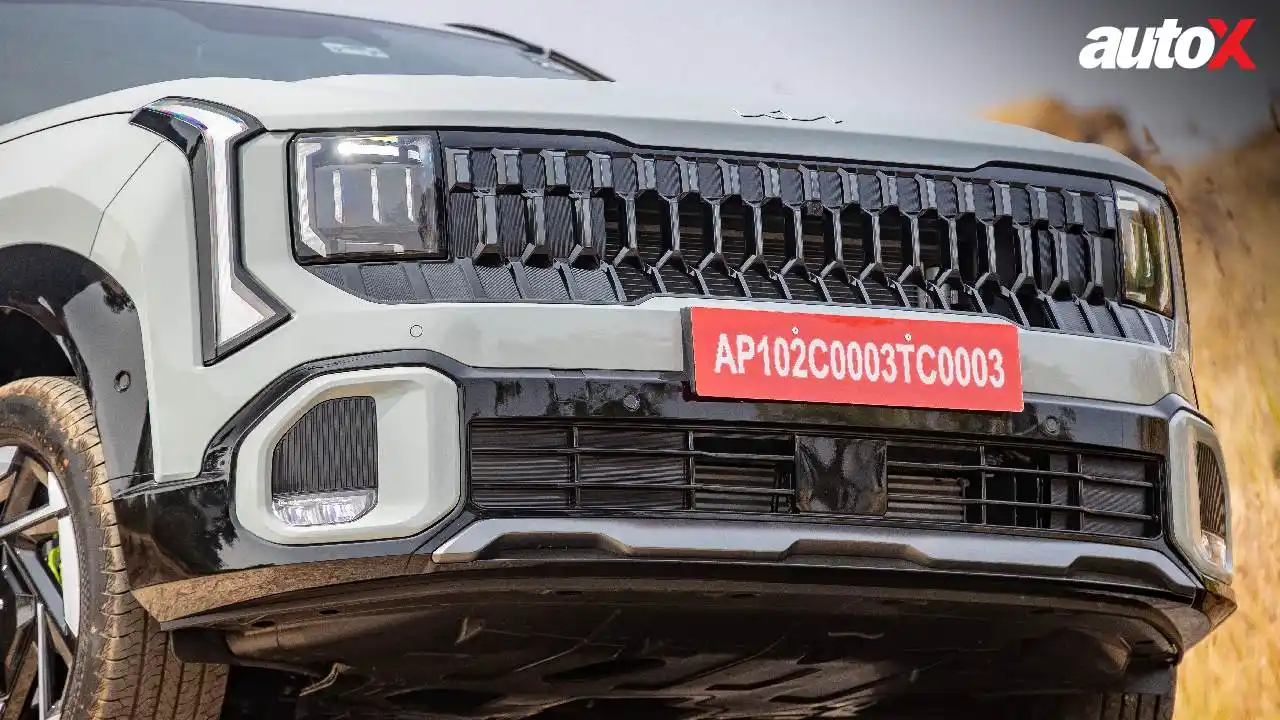
Visually, the styling is unapologetically muscular, adopting the Opposites United philosophy seen on all the latest Kias. The massive Digital Tiger Face grille dominates the fascia, flanked by DRLs pushed to the outer edges to emphasise width. The new Star Map LED lighting signature at both ends creates a high-tech look. The 18-inch crystal-cut alloys fill the arches perfectly, lending it an athletic stance. Gone are the soft curves of the previous car, replaced by flat surfaces and sharp, aggressive lines. At the rear is a full-width LED light bar that is instantly recognisable at night.
Kia Seltos Interior Review: Tech-Loaded, Premium and More Spacious
Step inside, and the leap in quality is startling. The cabin follows the new design language debuted in the Syros, centred around the Trinity Panoramic Display. This single curved housing integrates twin 12.3-inch screens for the instrument cluster and infotainment, but adds a third, dedicated 5-inch HVAC touch panel in between. It strikes a rare balance between futuristic tech and ergonomic common sense.
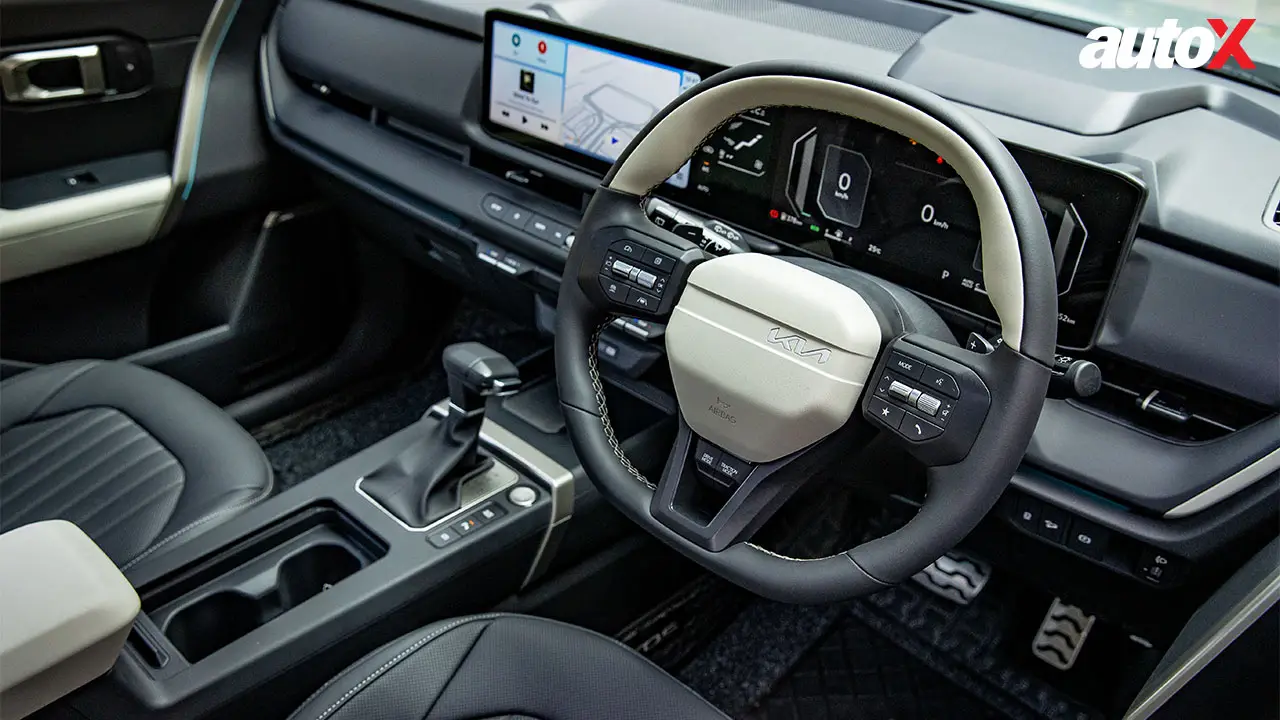
Thankfully, Kia hasn’t fallen into the trap of all-touch controls. Physical shortcut buttons are present for essential menus, a refreshing choice in an era where even headlight controls are increasingly buried in sub-menus. The materials used are top-tier; from the soft-touch dashboard finish to the tactile feedback of the knurled switchgear, the Seltos feels more premium than anything else in its class. In fact, the fit and finish now rival SUVs from a segment above.
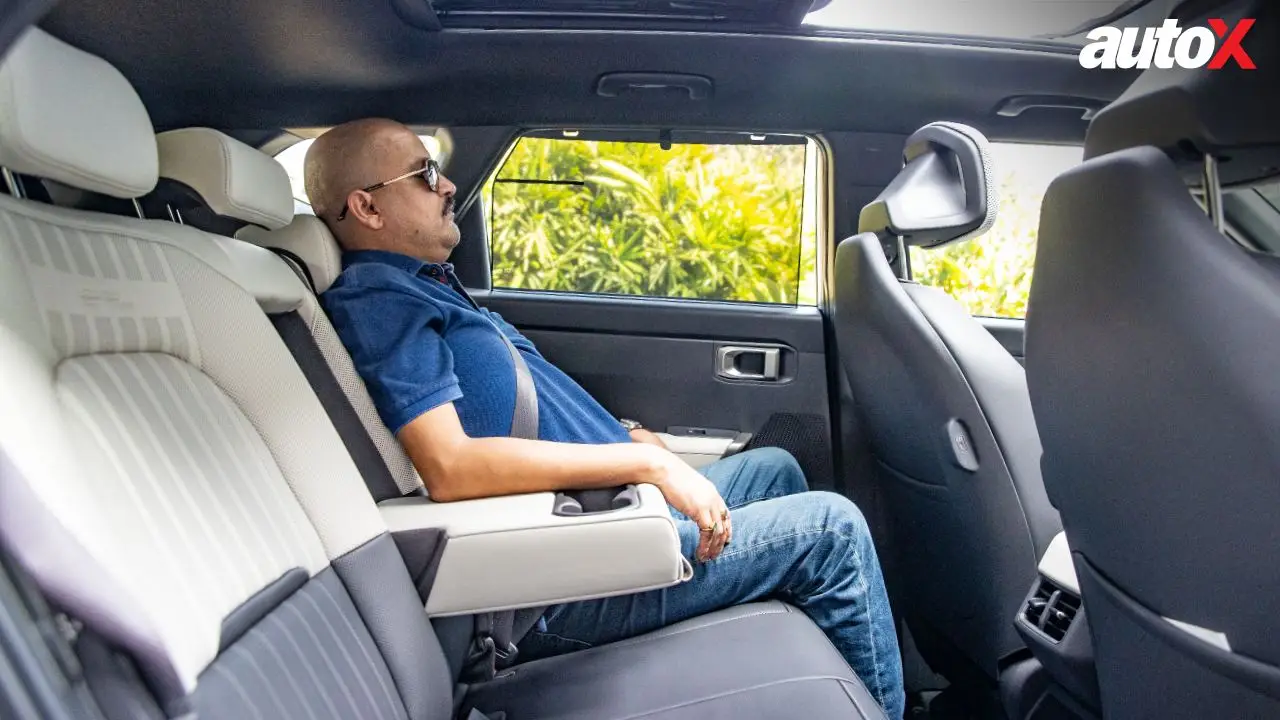
Space, too, has seen a marked improvement. That 80mm increase in wheelbase translates directly into segment-leading rear legroom.
A particularly neat trick on the top-spec trims is the proximity key sensor. As you approach the vehicle with the key in your pocket, the flush-fitting door handles automatically pop out - a feature usually reserved for luxury EVs.
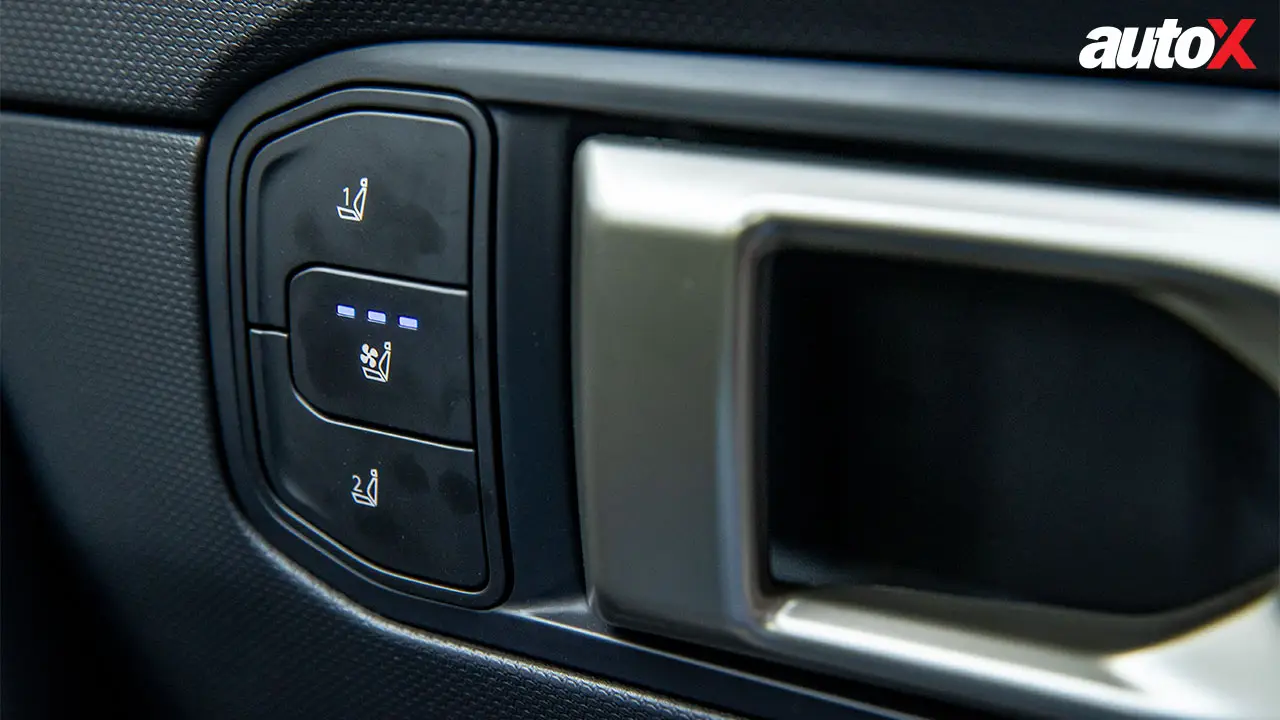
Inside, the driver is treated to a Relaxation Mode power seat that retracts automatically for easier entry and exit, further elevating the premium experience.
Kia Seltos 1.5 Turbo Petrol First Drive: Refinement, Ride and Handling
While the platform and skin are brand-new, Kia has opted for an ‘old wine in a new bottle’ approach regarding the powertrains. The familiar 1.5-litre naturally-aspirated petrol, 1.5-litre turbo-diesel, and the punchy 1.5-litre turbo-petrol remain on offer. However, they have been refined to meet the latest emission standards while offering better efficiency.
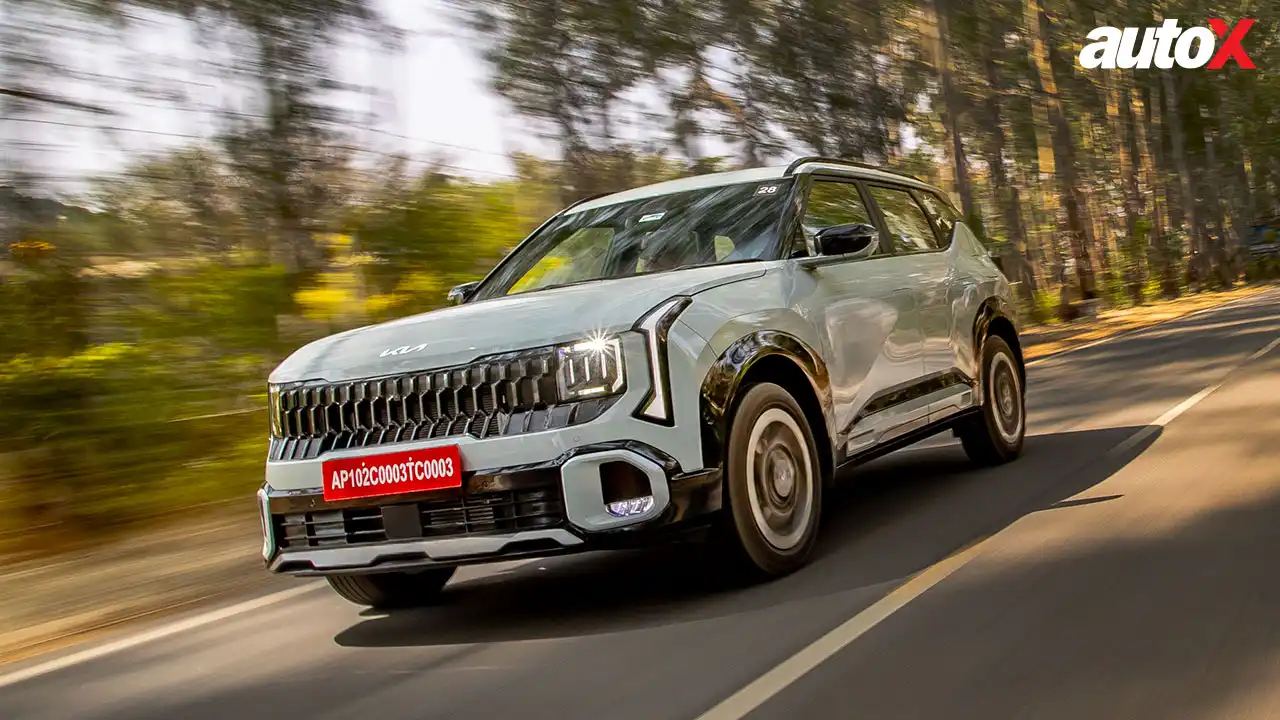
We spent our time with the 1.5-litre turbo-petrol (158bhp/253Nm) paired with the 7-speed DCT. The gearbox is a tad slow at takeoff – to protect itself from excessive stress – but works well otherwise. Once on the move, it is seamless and lightning-fast. The NVH levels are excellent; the cabin is a hushed environment, well-isolated from Bangalore’s chaotic traffic.
Crucially, Kia has listened to feedback regarding the previous generation’s firm ride. The suspension has been softened just enough to improve low-speed compliance without sacrificing high-speed stability. It remains an engaging SUV to drive, but it’s now a far more comfortable family cruiser. It handles undulating roads with a level of maturity that was missing before, and the steering feels more connected, offering more confidence when pushing through corners.
2026 Kia Seltos Verdict: Can It Reclaim the C-SUV Benchmark?
While the current lineup is robust, there is a missing piece in the puzzle – electrification. For those looking to reduce their running costs, a hybrid version of the Seltos is confirmed for the Indian market. While Kia has not committed to a specific date, it is expected to launch in late 2026 or early 2027 as a direct rival to the Maruti Suzuki Victoris and Toyota Urban Cruiser Hyryder hybrids. This move will be critical in a market where fuel prices and emission norms are becoming increasingly challenging.
In the meantime, the Seltos faces its toughest challenge yet. The newly launched Tata Sierra offers a more rugged, outdoor appeal, while the Hyundai Creta remains the volume king. However, Kia has played a masterstroke with the pricing. Starting at Rs 10.99 lakh and going up to Rs 19.99 lakh, it covers a massive price bracket. The 10-variant structure ensures there is a Seltos for everyone.
Engine: 1,482cc 4-Cylinder
Transmission: 7-Speed DCT FWD
Power: 158bhp
Torque: 253Nm
Fuel: Petrol
Price: Rs 19.99 Lakh, ex-showroom
X-Factor: The new Seltos looks great and feels comfortable with great pricing!
|
Pros |
Cons |