Mahindra XEV 9S vs Kia Carens Clavis EV - Fam Jam
Mahindra XEV 9S or Kia Carens Clavis EV? Which is the better three-row electric family car under ₹30 lakh in India today?
By Shivank Bhatt
Photography By Kapil Vashist
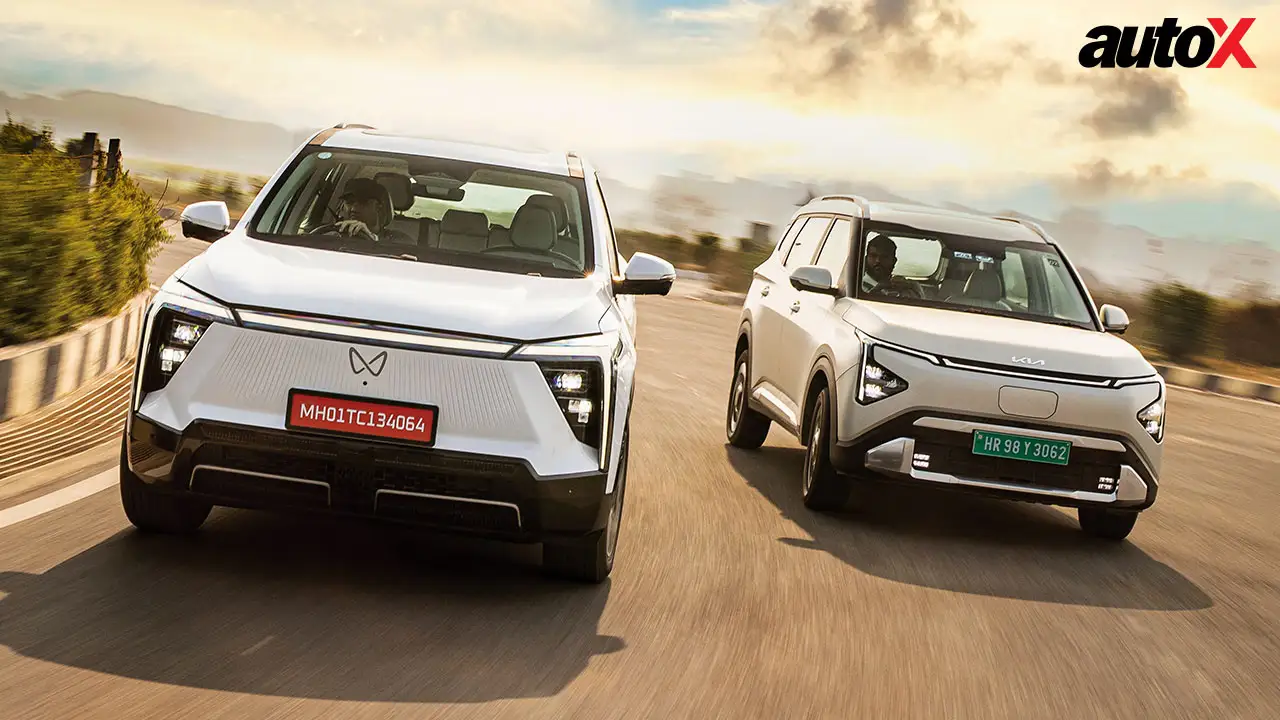
Want a three-row electric SUV under Rs 30 lakh? Get yourself a Mahindra XEV 9S. Case closed.
But… if you’re not obsessed with having an SUV and want a truly capable three-row electric family car, you should take a look at the Kia Carens Clavis EV before writing that cheque to your local Mahindra dealer. The Clavis EV offers comparable real-world performance, a similar set of usable features, and is, in fact, more spacious and more affordable. But is it a better bet than the XEV 9S in the larger scheme of things? Time to find out.
Design & Dimensions: SUV vs MPV Practicality Compared
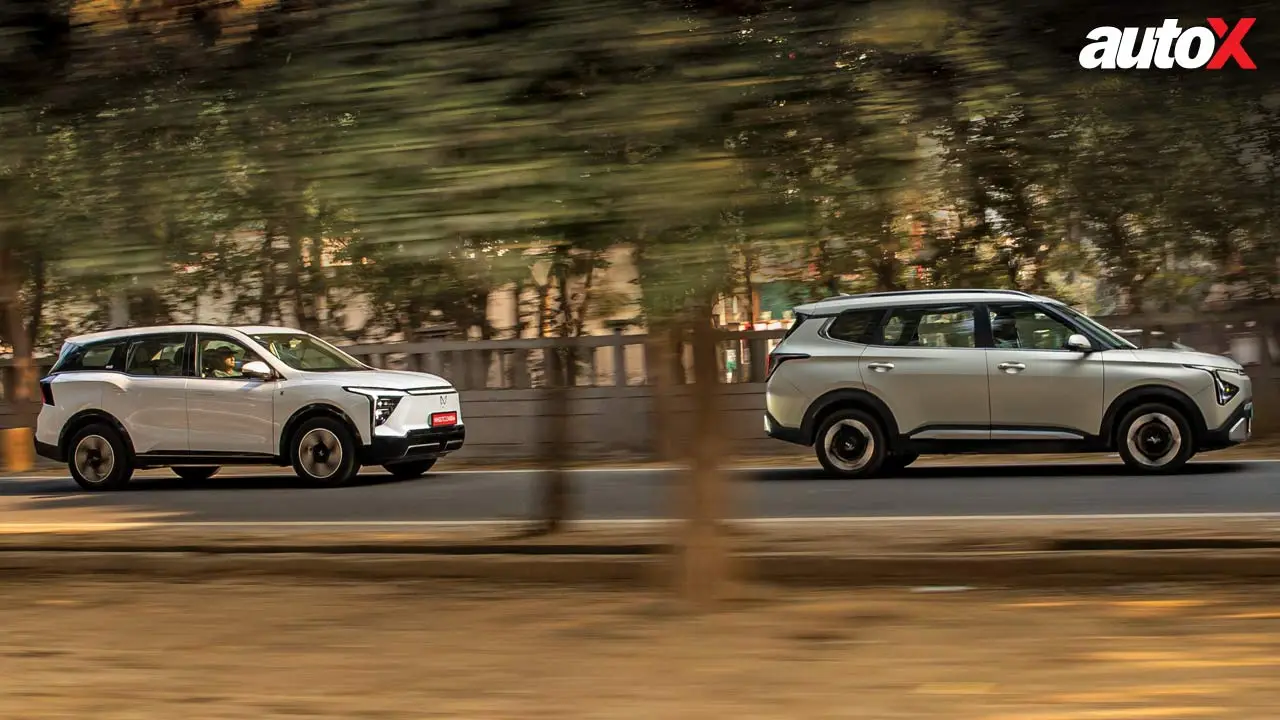
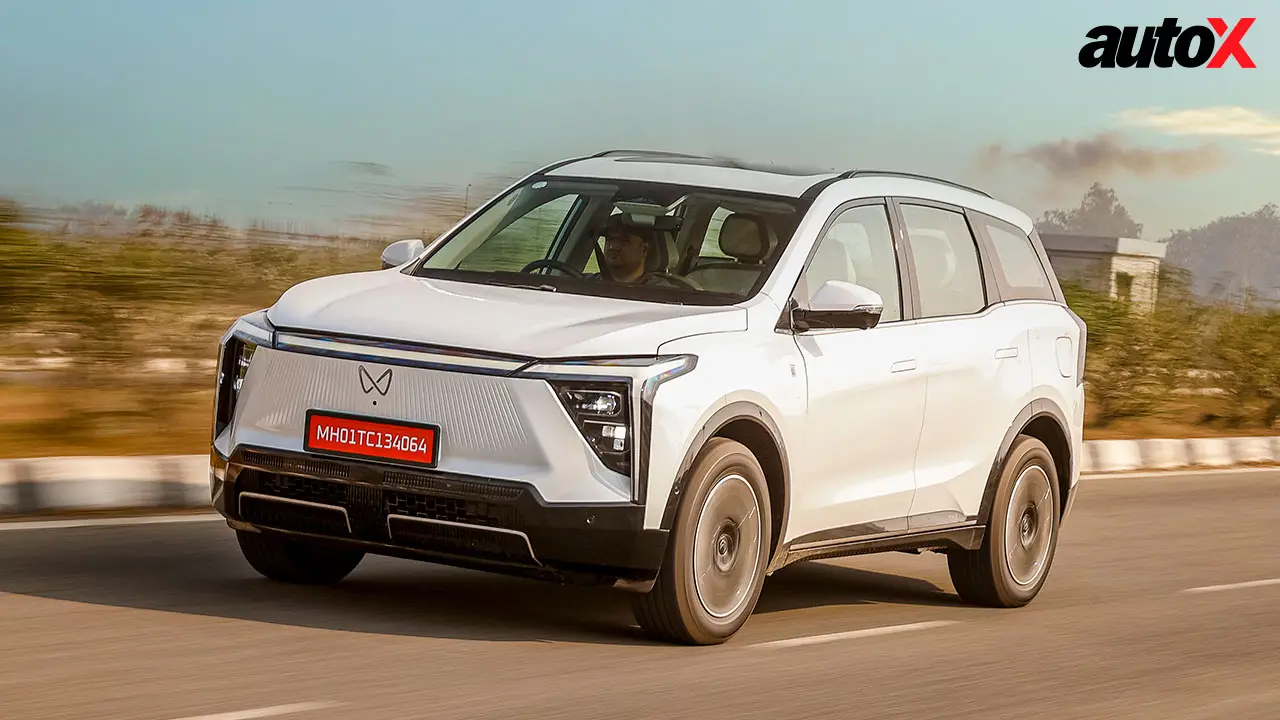
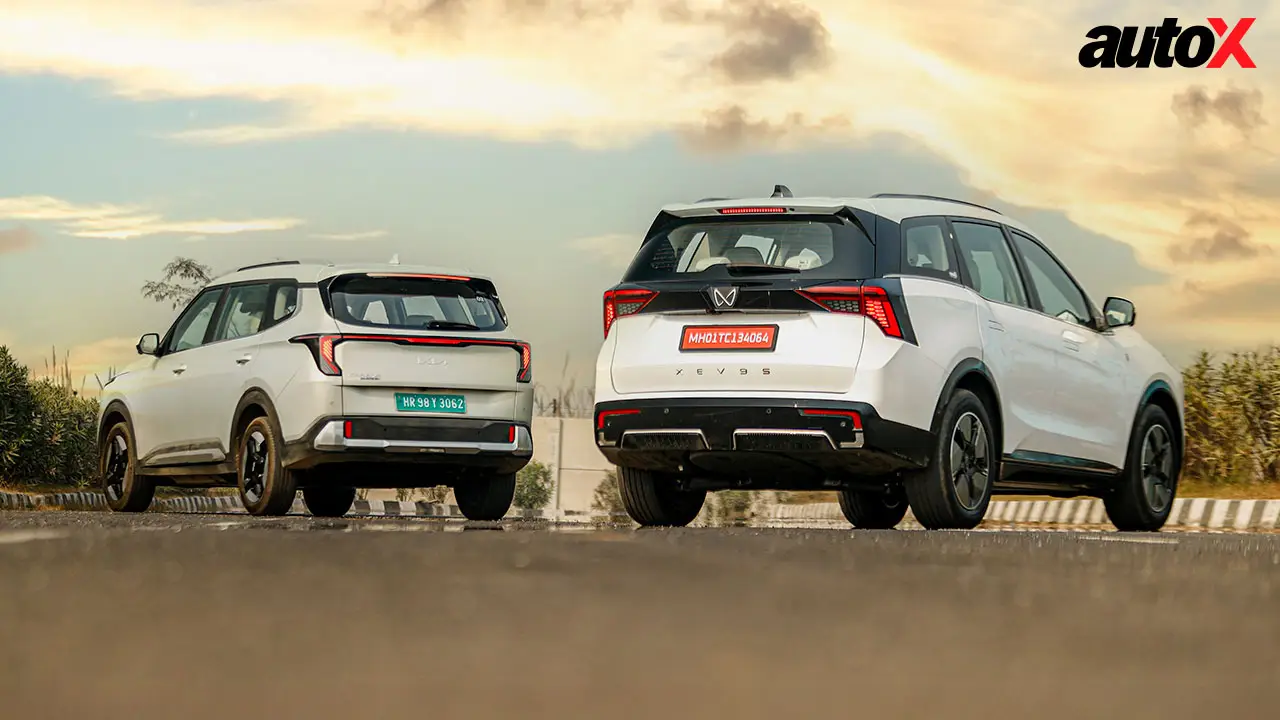
Let’s start with design. The Mahindra is an SUV, while the Kia is an MPV, and honestly, there’s no comparison if all you want is road presence. The 9S is big, burly, and in-your-face. You see it in your rear-view mirror, you’re probably moving aside.
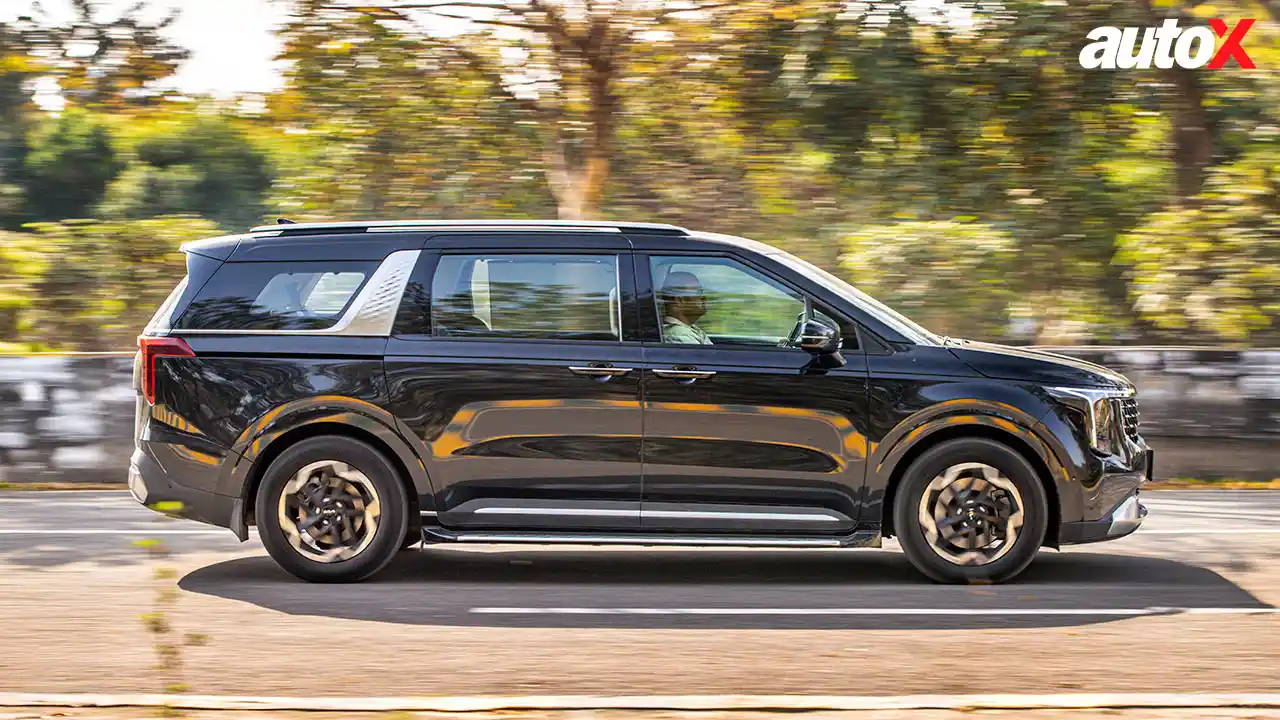
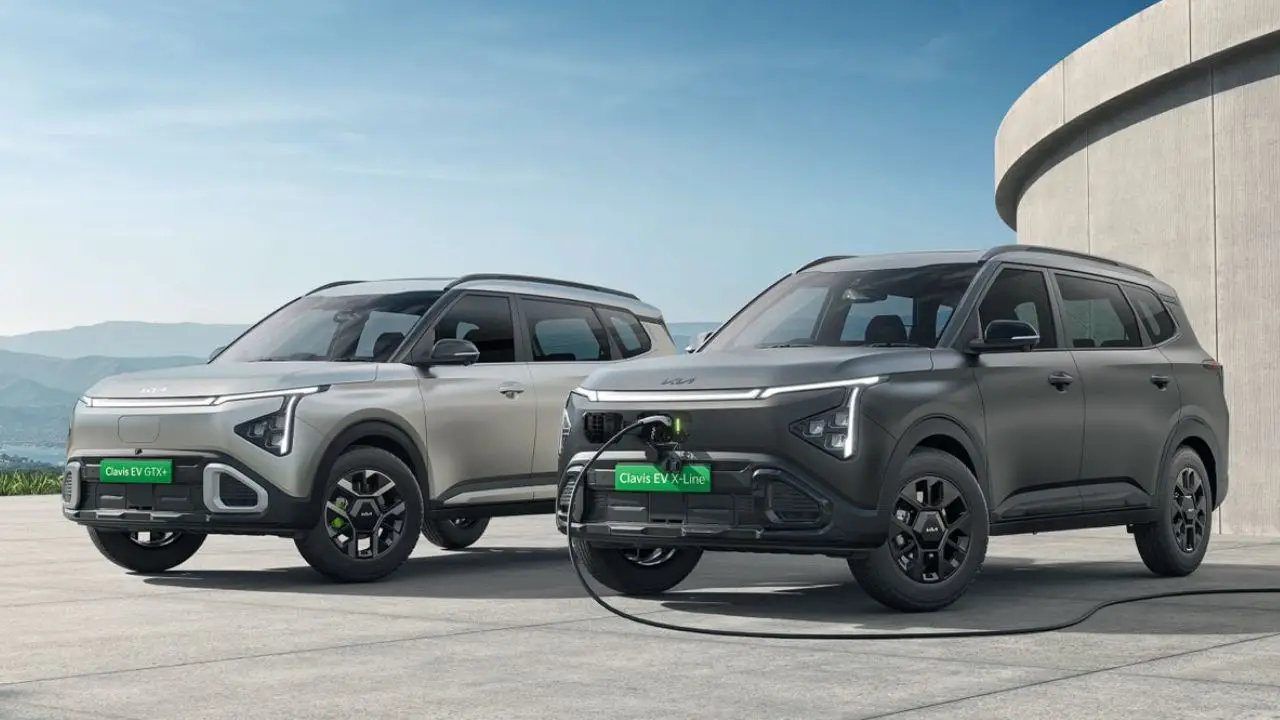
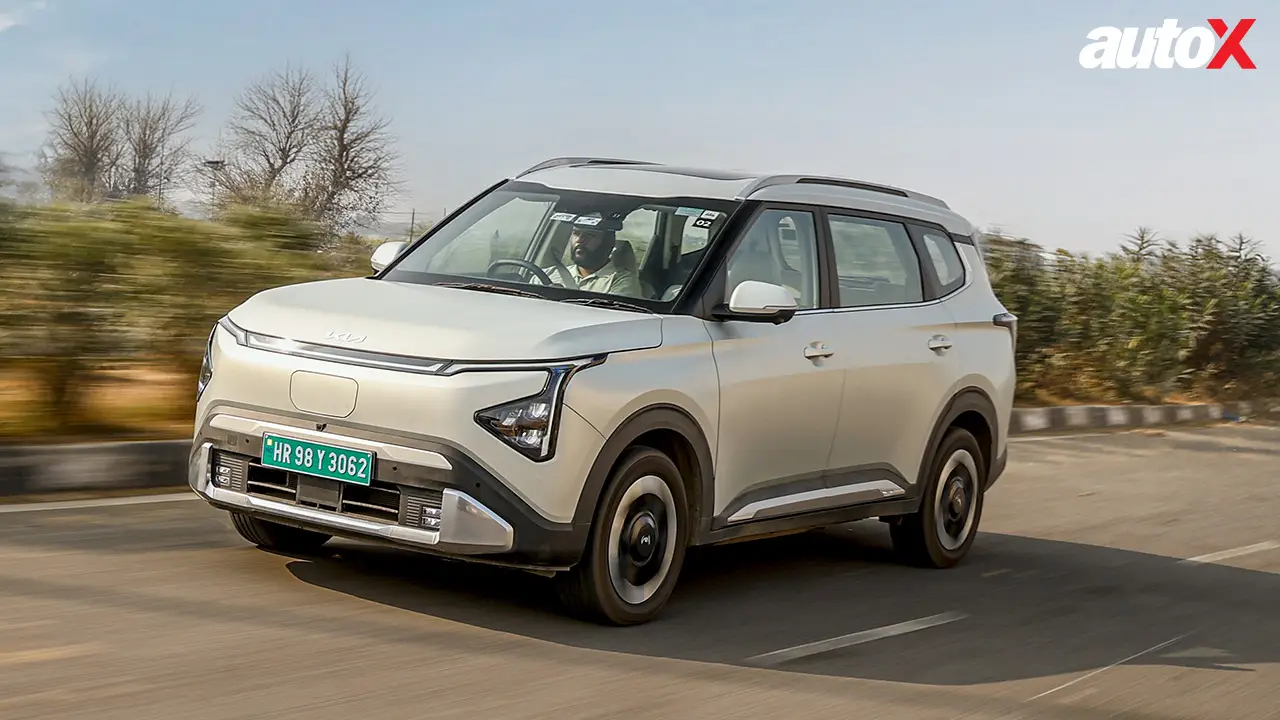
That said, when you see the Clavis EV in your ORVM, you might mistake it for an SUV, too. Its upright, muscular, and aggressive front end, combined with a sleek LED DRL strip, gives it a surprisingly tough face.
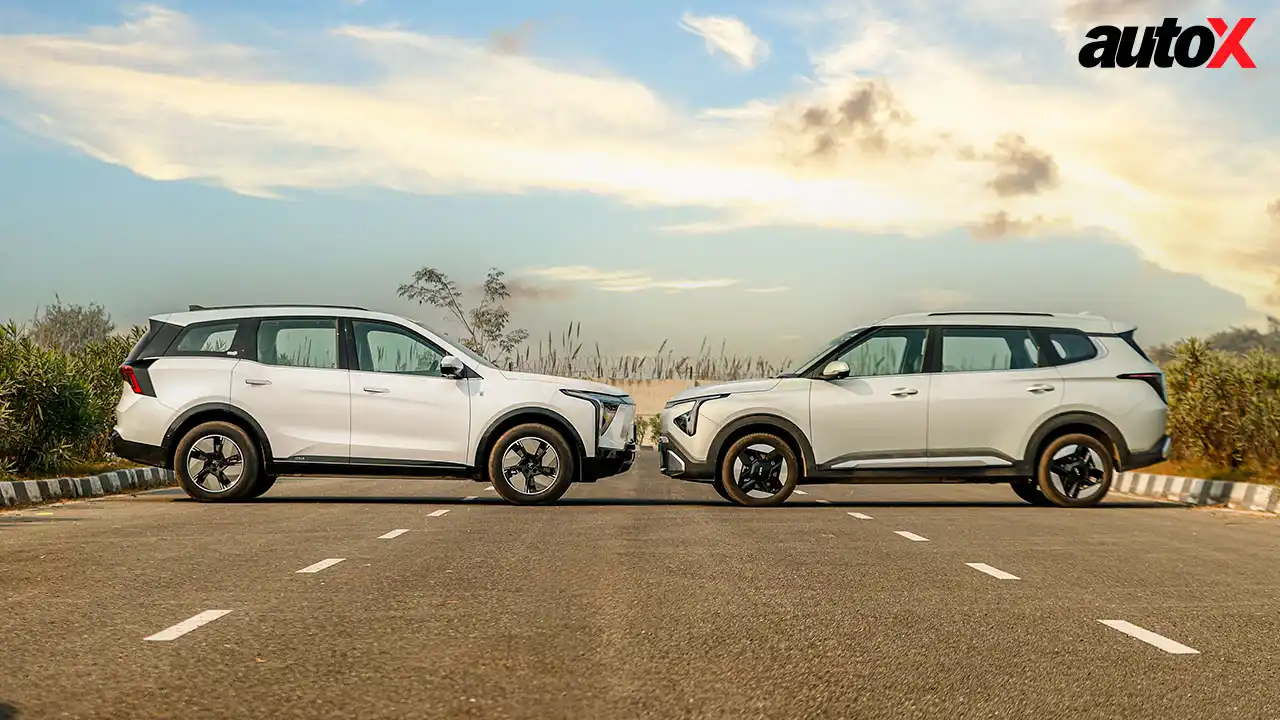
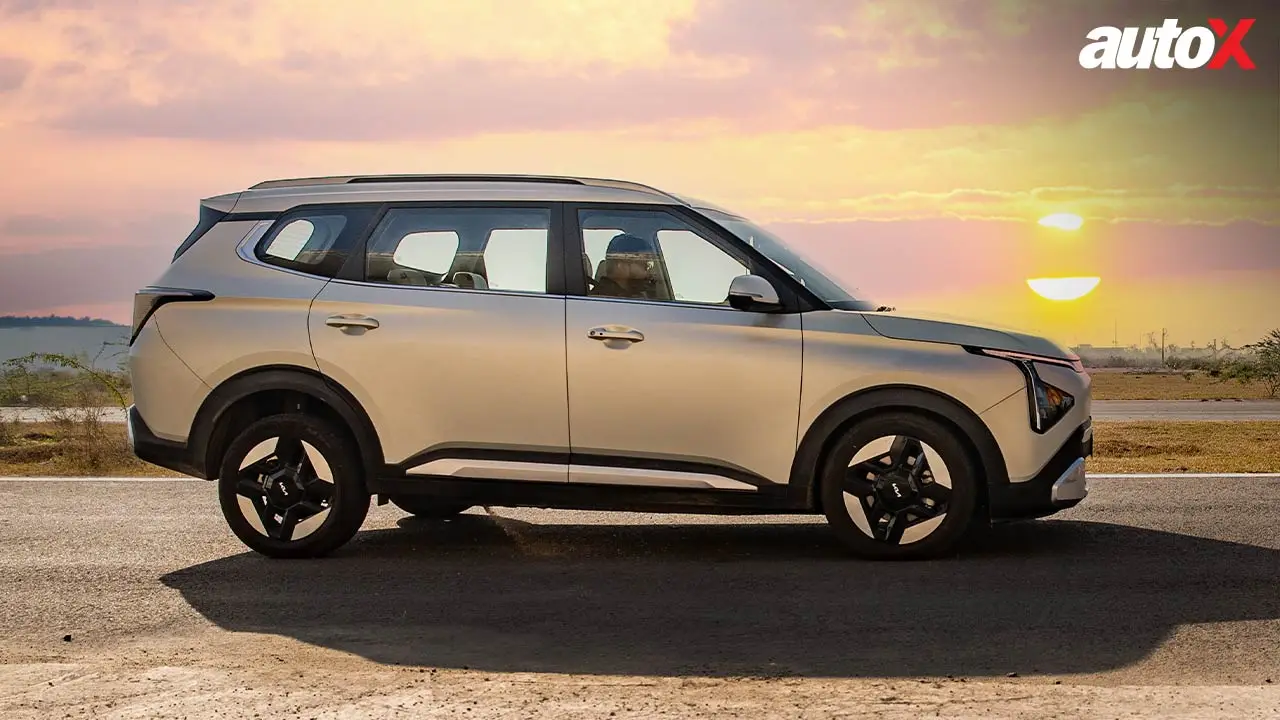
Walk around to the side, though, and its MPV proportions become obvious. It’s lower and longer, and it rides on smaller 17-inch wheels (vs 18-inch). The rear tells the same story. The Kia’s design is clean and modern, but nowhere near as butch as the XEV. The Mahindra is longer, wider, and taller, too.
If you want to make a bold statement with your seven-seat EV, the XEV is the default choice. If you prefer something more subtle yet contemporary, the Clavis EV fits the bill.
Battery Options, Range, Performance & Charging Comparison
Before we get to our tests, let’s talk numbers. The Mahindra offers three battery options: 59kWh, 70kWh, and 79kWh. The Kia gets two – 42kWh and 51.4kWh. On capacity alone, the Mahindra has a clear advantage. However, the Kia uses NMC battery chemistry, while the XEV uses LFP cells. This chemistry gives the Clavis EV a higher energy density and a more compact battery pack.
Claimed ranges for the Mahindra are 521km, 600km, and 679km, depending on the pack. The Kia offers 404km with the smaller battery and 490km with the larger one. The Mahindra also supports up to 180kW DC fast charging, while the Kia supports up to 100kW. Realistically, that’s not a major disadvantage for the Kia, since 100kW+ chargers are still relatively rare even in major metro cities.
Performance is where the XEV stretches its legs. The 79kWh version on test produces 282bhp and 380Nm. Even the smallest battery version produces 228bhp, with torque unchanged. The Kia, in comparison, is significantly less powerful – the larger battery version makes 169bhp and 255Nm, while the smaller one produces 133bhp with the same torque. The Kia is front-wheel drive; the XEV 9S is rear-wheel drive.
Suspension hardware also favours the Mahindra. It offers frequency-dependent dampers or semi-active suspension on higher variants, along with a multi-link independent rear suspension. The Clavis EV sticks to a more conventional non-adjustable setup and gets a torsion beam at the rear. On paper, then, the XEV 9S is the superior machine in most departments. However, there’s one critical area where the Kia pulls ahead – wheelbase. The Clavis EV’s 2,780mm wheelbase is 18mm longer than the XEV’s 2,762mm. That small difference makes a surprisingly big impact for third-row passengers.
Third-Row Space & Comfort: Which EV Is More Practical?
Since third-row usability is a top priority for buyers in this segment, we started right at the back.

Ingress and egress first. Thanks to its one-touch tumble function and lower floor, getting into the Kia’s third row is quicker and easier than in the Mahindra, which lacks a similarly convenient folding mechanism. The Carens’ third row is genuinely usable for two average-sized adults. There’s decent legroom, acceptable headroom, and the seats are soft and accommodating. It’s not luxurious, but you could sit here for 3–4 hours without feeling the need to take a break. The backrest reclines, making it easier to find a comfortable position. You also get USB-C ports, AC vents, and cupholders. The only downside is the small windows, which make the space feel a bit claustrophobic.

In the Mahindra, the third-row experience is noticeably inferior. The floor is high, so your knees sit uncomfortably elevated. Headroom is tight, and the seat cushioning is much firmer than in the Kia. There are no USB ports either – just a 12V socket. It feels cramped overall. While the Kia’s third row is genuinely usable, the Mahindra’s feels more like an emergency seat, best reserved for kids under 10 – or maybe the family pet.
Ride quality at the back further widens the gap. The XEV’s suspension is overly soft, resulting in constant vertical movement. It feels floaty, never quite settling, and can induce motion sickness.
In comparison, the Kia’s ride is more balanced. It’s slightly firm, and NVH levels are higher – you hear more wind, tyre, and suspension noise – but at least the occupants don't get tossed around. If third-row comfort is your top priority, the Clavis EV wins this round convincingly.
Second-Row Space, Features & Comfort Comparison
The second-row. This is where the XEV 9S claws back some points.
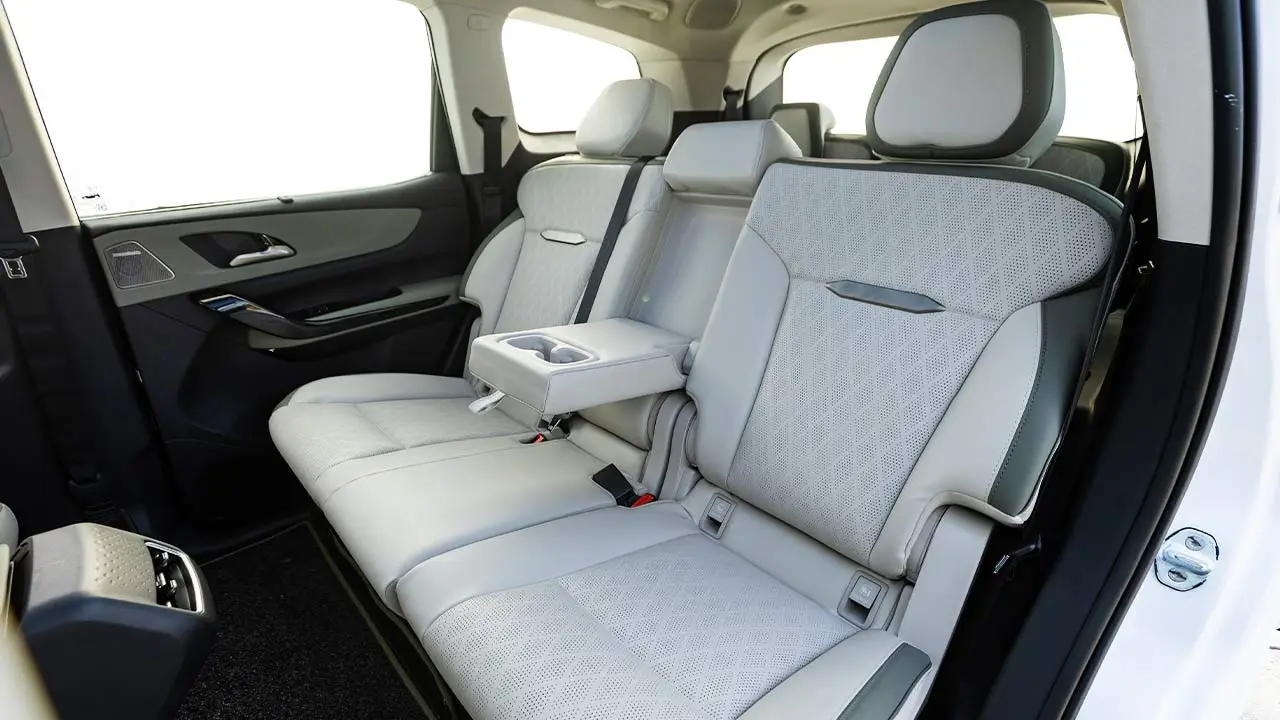
It offers more creature comforts – ventilated seats, a wireless phone charger, and electric ‘Boss Mode’ controls to slide and fold the front passenger seat. There’s also slightly more space for the middle passenger, along with a proper headrest.
The Clavis EV’s second row is a bit narrower, but in terms of comfort, it’s just as good, if not better. The seats are softer and feel more supportive. You don’t get ventilation, but there are USB ports, a storage tray behind the front passenger seat, and a V2L charging socket – something the Mahindra misses.
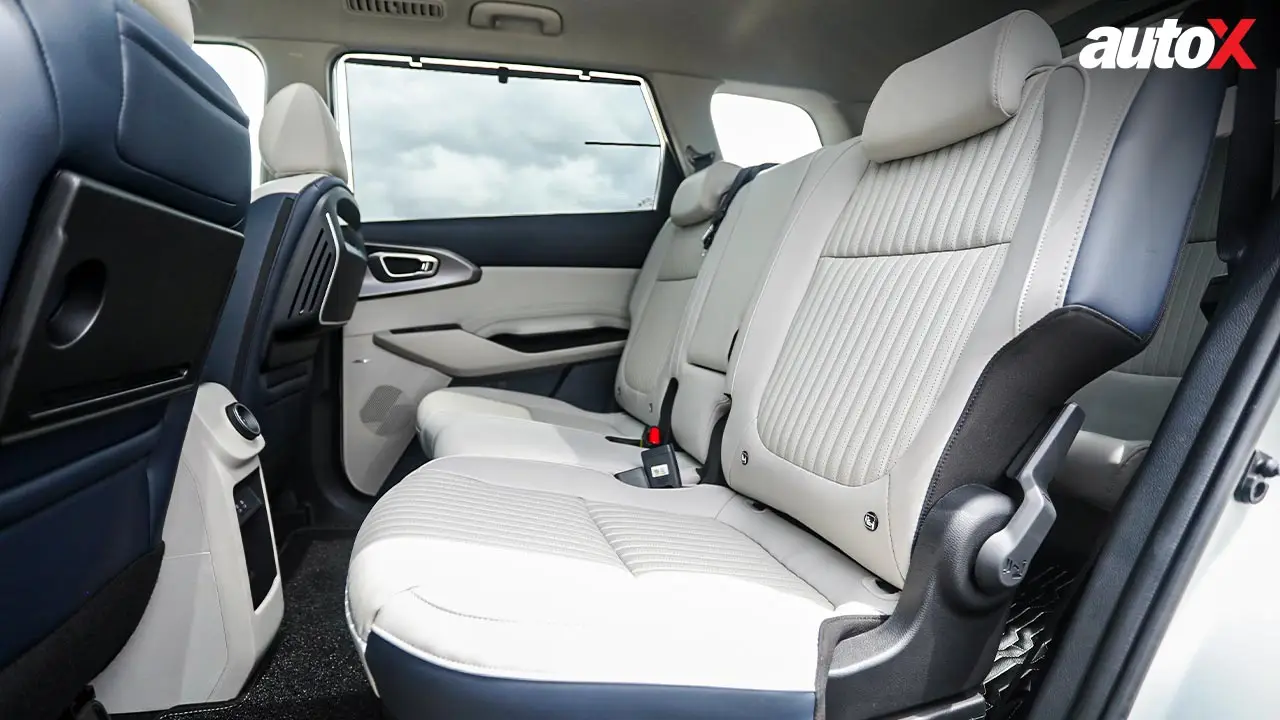
However, the air purifier mounted behind the driver’s seat reduces knee room for the passenger behind, and its hard plastic housing rubbing against your knees can be uncomfortable on longer drives.
In terms of cabin fit and finish, both vehicles are evenly matched. Each features a generous use of soft-touch materials and high-quality plastic panels.
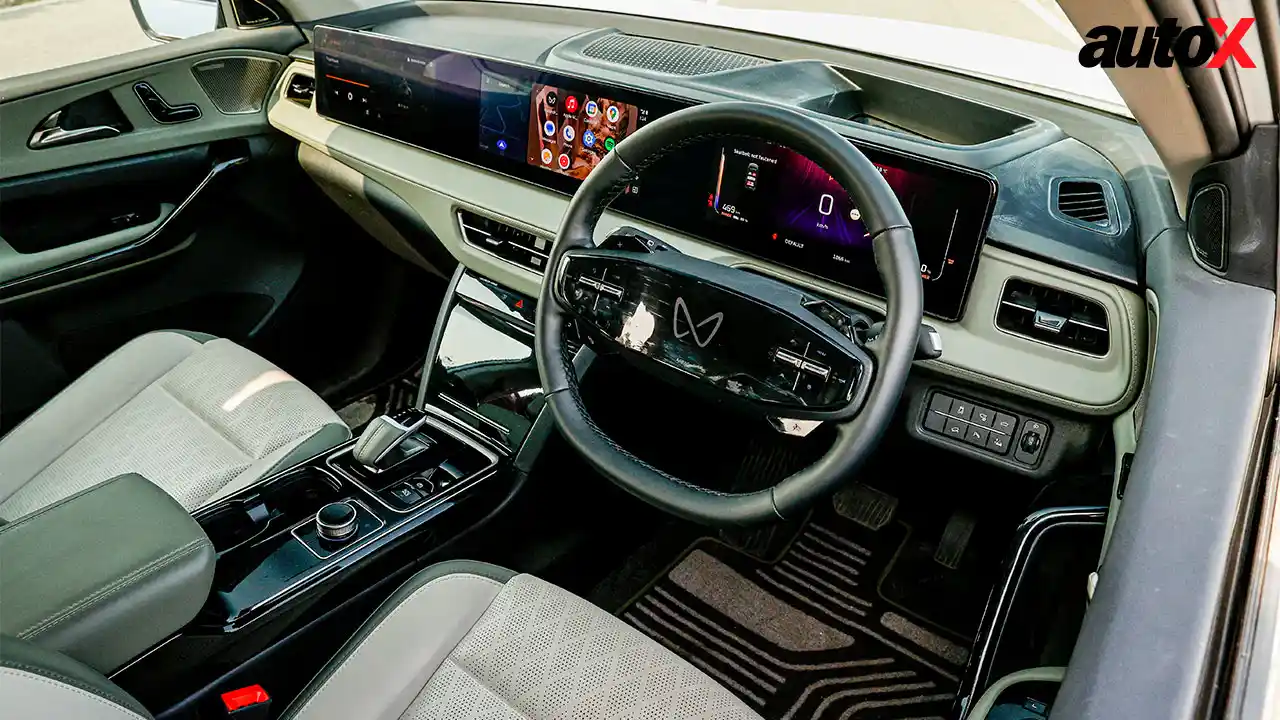
However, the gloss-black finish on the Mahindra’s steering wheel looks and feels a bit tacky compared to the Kia’s squircle steering.
Driving Experience, Performance & Ride Quality Tested
Our test cars were top-spec versions, so the XEV 9S naturally had the performance edge. As expected, the Mahindra is quicker in a straight line, though the acceleration isn’t as dramatic as the numbers suggest.
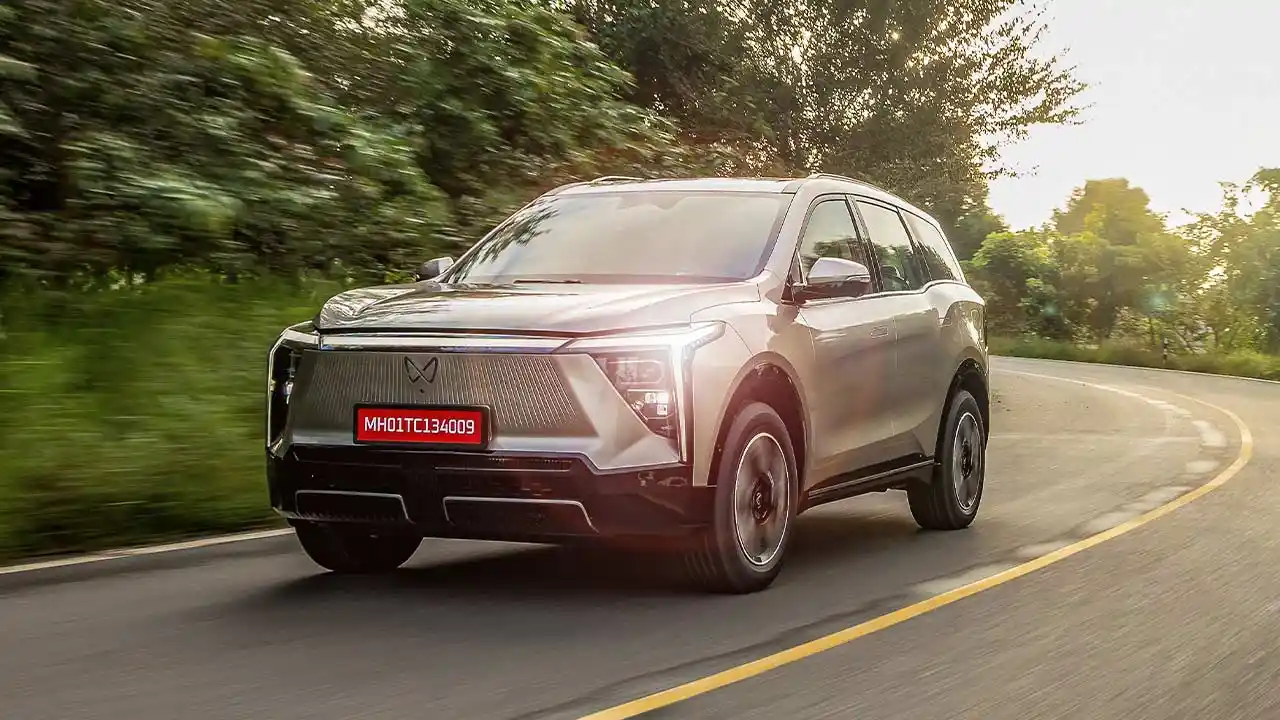
It did 0–100km/h in 7 seconds flat (GPS-verified), but the power delivery is smooth and progressive – appropriate for its target audience.
Handling, however, is a mixed bag. The steering feels artificial in all modes. And even with its semi-adaptive suspension in the firmer ‘Race’ mode, the rear end still feels a bit floaty. It’s a decent handler, but not particularly engaging or confidence-inspiring when pushed, largely due to its weight and soft setup.
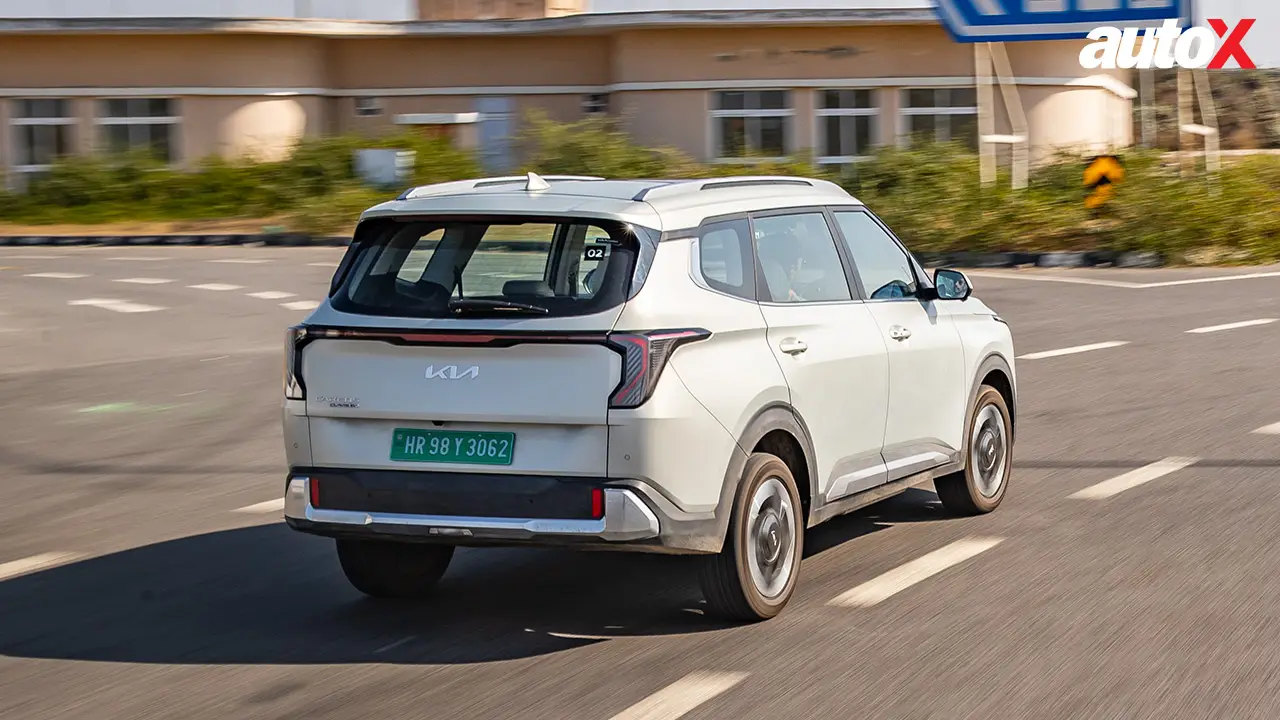
The Clavis, being lighter and lower, feels more car-like from behind the wheel. It’s not exciting, but it’s easy, predictable, and comfortable. Despite having roughly 100bhp less than the Mahindra, it was only 1 second slower to 100km/h, taking 8 seconds.
The steering is lifeless, though, and even in its sportiest setting, it doesn’t weigh up much. There’s noticeable body roll and some chassis flex in faster corners, but drive it sensibly – like a responsible family chauffeur – and it feels perfectly adequate.
One area of concern is braking from high speeds. The rear can feel a bit unsettled during emergency stops. The Mahindra, in comparison, feels more planted and confidence-inspiring under hard braking, even though both cars run disc brakes all around.
As for range, the XEV’s larger battery pack delivers a higher real-world figure. In our tests, it managed around 450-460km on a full charge in mixed driving conditions, compared to the Clavis EV’s 350–360km. If you do long-distance driving, the Mahindra will bring you more peace of mind.
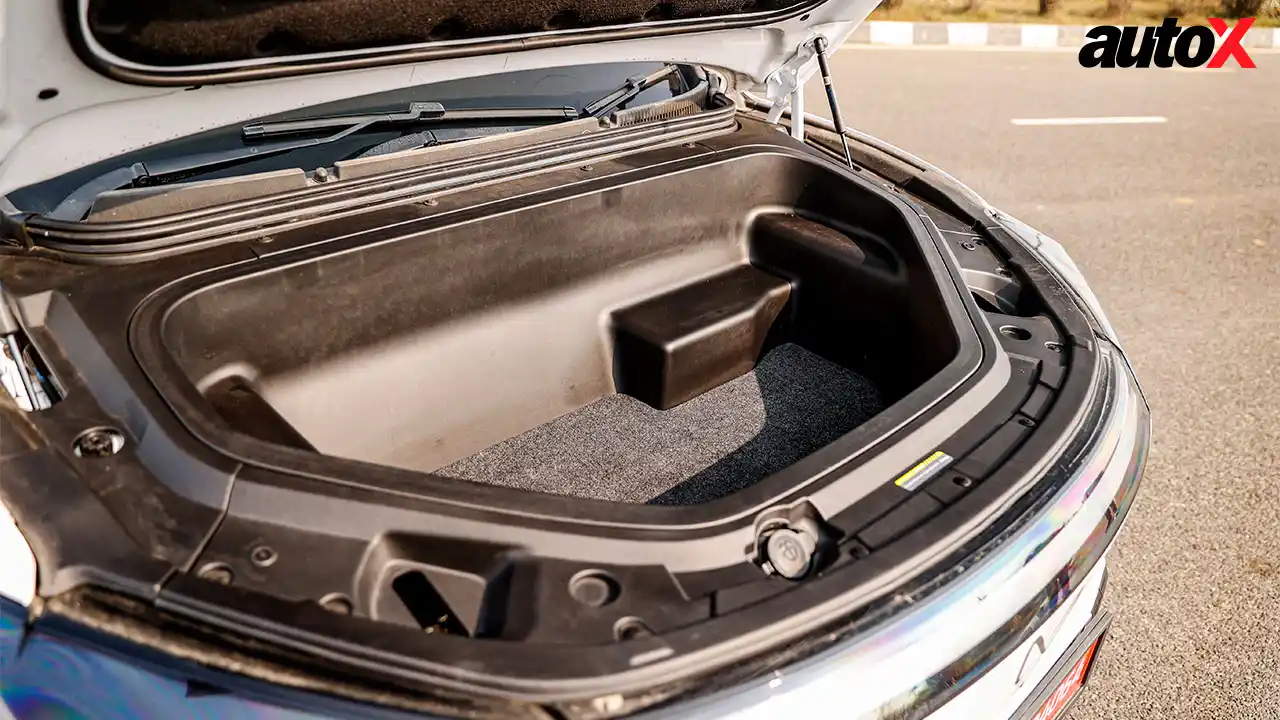
And in case you’re travelling for a few days, the Mahindra offers more space for your luggage, thanks to its large 150-litre capacity frunk (vs 25-litre in the Kia) on top of its boot space. That said, the Kia’s boot is slightly larger than the Mahindra’s.
Features, ADAS & In-Car Technology Compared
The XEV 9S’ main USP is that it packs new technology and a bucketload of features as compared to the Clavis EV. Make no mistake, the Kia is decently kitted out, too – dual 12.3-inch screens, ventilated seats, Level 2 ADAS, and a lot more.
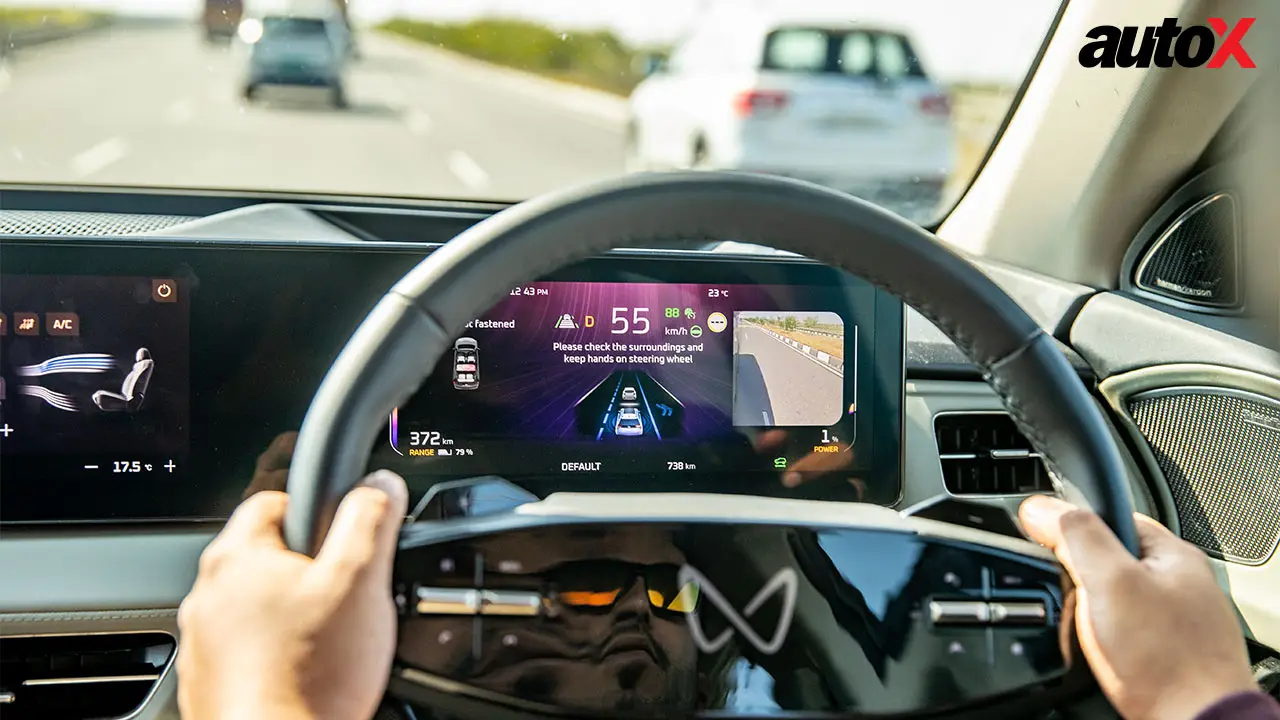
But the XEV one-ups it with three displays, a stunning VR-augmented head-up display, Level 2+ ADAS – winner of our Mega ADAS Test 3.0 – and a lot more gizmos. If you’re nerdy like that, the Mahindra offers way more feel-good equipment compared to the Kia. However, if you prefer a relatively less-cluttered space, the Clavis EV is a better choice.
Final Verdict: Which Three-Row Electric Family Car Wins?
As it turns out, the Carens Clavis EV is the better of the two three-row electric family cars. If your top priority is space and comfort for all seven occupants, this is a no-brainer.
However, if you want to tick the third-row option on the checklist, and do not necessarily need it, the XEV 9S delivers more visual drama, stronger performance, longer range, and a more extensive feature list. In the end, it all comes down to who you allow to take the final call – your head or your heart.
Engine: Single Motor FWD
Battery: 51.4kWh
Power: 169bhp
Torque: 255Nm
Range: 490km (MIDC)
Price: Rs 24.49 lakh, ex-showroom
X-Factor: A no-nonsense three-row EV that delivers exactly what it promises.
|
Pros |
Cons |